
Ever wonder if your shoulder workout is missing a secret boost? Try rear delt exercises to balance out your routine and give you extra power for daily tasks. Imagine your arms moving like clock hands, each exercise helping them work together. Adding moves like reverse flys and cable face pulls builds a stronger, more stable upper body. In this post, we'll explain how these exercises work your muscles and improve your form, so you can enjoy real strength and balance in your shoulders.
Essential Rear Delt Exercises for Shoulder Strength and Aesthetics
Try adding these eight moves into your workout 2–3 times a week. Pick 2–5 exercises each time to work your shoulders evenly.
-
Bent-Over Reverse Flys
Grab a pair of dumbbells and do 3–4 sets of 10–20 reps. This exercise mainly works your rear shoulders, upper back muscles, and the middle of your back. Keep both arms moving together, imagine they’re like two clock hands moving in sync. -
Seated Reverse Pec-Deck Flys
Use a machine for this move and complete 3 sets of 8–12 reps. Move slowly and smoothly to focus on your rear shoulders while easing pressure on your joints. -
Chest-Supported Reverse Fly
Lie on an inclined bench and use dumbbells for 3 sets of 10–12 reps. A small twist of your wrist while lifting can shift the work more to your rear shoulders. Think of it like gently turning a key to let go of tension. -
Cable Face Pull
Set the rope attachment at your eye level on the cable machine and do 3–4 sets of 12–15 reps. Focus on pulling your shoulders back and turning your arms outward to help your shoulders work correctly. -
Single-Arm Dumbbell Row
With one hand on a bench, row the dumbbell for 3 sets of 8–15 reps. Try to squeeze your rear shoulder at the top of each pull. -
Bent-Over Y Raise
Using just your body weight or light dumbbells, aim for 15–20 reps. This move helps you feel the connection in your muscles as you form a “Y” shape with your arms. -
Band Pull-Apart
Hold a resistance band and complete 3 sets of 15–20 reps. This exercise wakes up the shoulder blades and keeps your form in check. -
Band-Assisted Pull-Ups
Using a resistance band for support, do 8–12 reps. This variation works both your rear shoulders and upper back, building overall shoulder strength.
Mix these exercises into your routine to build strong, balanced shoulders.
Anatomy and Benefits of Posterior Shoulder Muscle Exercises

Your rear deltoid is the back part of your shoulder muscles. It helps you lift your arms, pull them back, and turn them outward (like when you do a pull-up or row). Strengthening this muscle can improve your posture and lower the risk of shoulder pain when you lift or push things.
These exercises not only boost your workout performance but also make everyday activities easier. A stronger rear deltoid helps you perform pull movements more smoothly. In one study, even a small gain in strength was linked to fewer shoulder aches during daily tasks.
Before heavy work, warm up these muscles with simple moves such as band pull-aparts or light face pulls. These actions increase blood flow and prepare your muscles for a tougher workout, like giving your body a quick tune-up.
By focusing on these exercises, you support shoulder stability and protect your joints, helping you stay active and comfortable throughout the day.
Dumbbell Rear Shoulder Drills for Rear Delt Isolation
Quick take: These drills help target the back of your shoulders for better strength and stability. Try them out and notice the difference!
For the Bent-Over Reverse Fly, stand with your feet about shoulder-width apart. Bend at the hips until your torso is tilted roughly 45°. Hold a dumbbell in each hand and lift your arms out to the sides. Pause for a moment at the top so you really feel your rear shoulders working. Aim for 3–4 sets of 8–15 reps. Adjust your weight based on your strength, heavier (30–85% of your 1RM) for 5–10 reps, moderate for 10–20 reps, or lighter for 20–30 reps.
Next, set up for the Chest-Supported Incline Reverse Fly. Place an incline bench between 30° and 45°. Lie face down with your back straight and hold a dumbbell in each hand. Lift the weights in a smooth, controlled arc like you’re carefully carrying a delicate tray. Do 3 sets of 10–12 reps and use the same weight guidelines as before.
For the Dumbbell Facepull, stand tall and mimic pulling a rope at chest height with your arms. Focus on rotating your shoulders outwards as you pull. Complete 12–20 reps per set. Keep your core tight throughout to support your movement.
Finally, try the Bent-Over Y Raise. Using light dumbbells, lean forward and lift your arms to form a “Y” shape. Do 15–20 reps to work the muscles around your shoulder blades. Again, adjust the weight using the 30–85% 1RM principle to match your strength level.
Enjoy these exercises and remember: small, consistent steps lead to great results!
Cable Movements for Posterior Delts and Seated Cable Row Drills
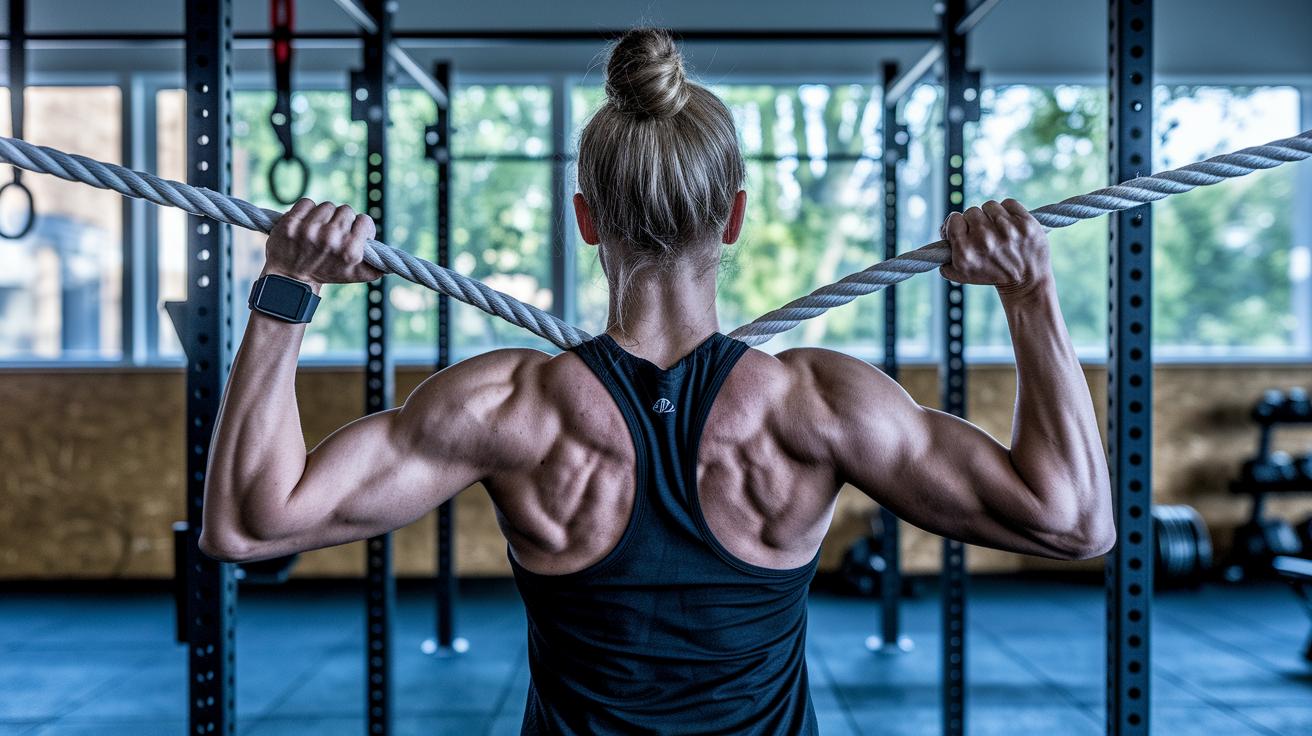
Cable exercises are a great way to work your rear shoulders and upper back at the same time. First, try the cable face pull. Set the rope at eye level. Stand with your feet about as wide as your shoulders. Pull the rope toward your face while squeezing your shoulder blades together, then hold that squeeze for 1–2 seconds. Aim for 3–4 sets of 12–15 reps. This move works your rear shoulders and helps improve shoulder blade movement.
Next, try the single-arm cable rear fly. Attach a handle to a pulley set at chest height. Stand sideways to the machine. Pull the handle away from your body in a slow and controlled way, giving each side a good squeeze. Do 10–20 reps on each side. This exercise helps you focus on each shoulder individually, boosting balance and stability.
Then, add the seated rear cable row. Sit up straight with your back flat and your elbows pointed out. Pull the handle toward your body while keeping your spine in a neutral position. Do 4 sets of 8–12 reps to work your rear shoulders and upper back muscles well.
For a fun twist, adjust the pulley angle by about 30° each time. Changing the angle shifts the resistance and challenges your muscles in different ways for overall development.
Try including these exercises in your workout. Mix up the angles and grips to keep your muscles guessing and make steady progress with your shoulder strength.
Bodyweight and Band-Assisted Rear Delt Exercises for Home Training
Try these simple moves that need little or no equipment to strengthen your back shoulders, even if you're short on space. First up is the T-Raise: lie face down on the floor or a bench with your arms extended out to the side in a T shape. Do 3 sets of 15–20 slow reps, making sure you squeeze your rear shoulders as you lift.
Next, use a resistance band for the Band Pull-Apart. Hold the band at shoulder width, stretch your arms out, and pull it apart steadily. Aim for 3–4 sets of 20 reps. This exercise helps wake up the muscles around your shoulder blades while working your rear delts.
Then, try the TRX Reverse Fly for a change of angle. Lean back at about a 45° angle using the TRX straps. As you pull your body upward, focus on pinching your shoulder blades together. Do 10–15 reps, this move also gives your core a nice workout.
Another great option is the Resistance Band Reverse Fly. Anchor the band at chest height, lean your torso forward a little, and pull the band out with smooth, controlled motions. Perform 3 sets of 12–15 reps to really work those shoulder muscles.
Finally, add some energy with the Speed Wave using battle ropes. Alternate making quick waves for 30 seconds and then rest for 30 seconds. Do this for 3 rounds. Not only will this boost your rear delts, but it also fires up your core and overall energy.
Rear Delt Exercises: Boost Your Shoulder Strength
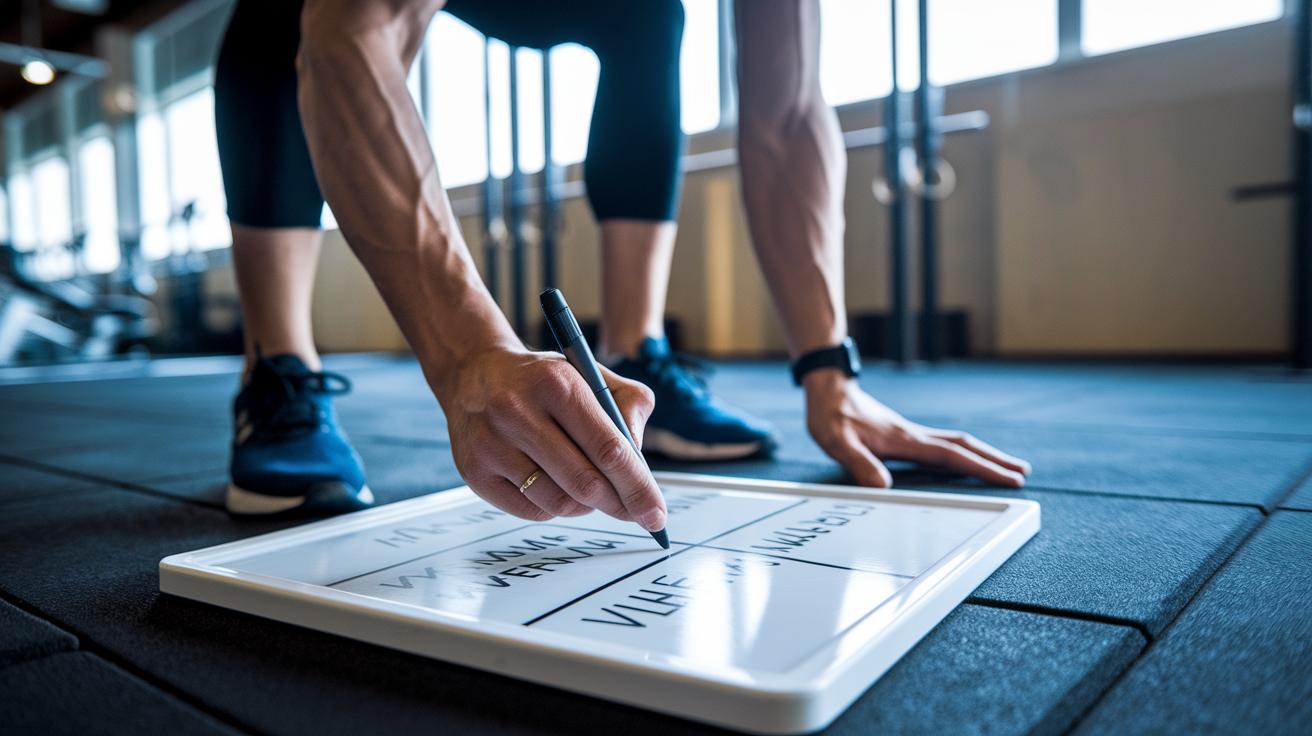
Start with a clear, simple plan that matches your training level. If you're just beginning, try about 0–4 sets a week. As you get more comfortable, aim for 4–12 sets spread across your workouts. Begin by working your rear delts 2–3 times weekly, and once you feel stronger, bump that up to 4–6 sessions to keep pushing your growth.
In each session, pick 1–2 exercises so that over the week you mix in about 2–5 different moves. This variety helps keep your muscles active and stops them from getting used to the same routine. You can also split your sets by weight: heavy sets (5–10 reps) to build strength, moderate sets (10–20 reps) for muscle size, and light sets (20–30 reps) to boost endurance and perfect your form.
Rest for roughly 60–90 seconds between sets. This brief break lets your muscles recover just enough so you can keep the workout intensity going. Each week, try adding a little more weight or a few extra reps to steadily improve.
Here's a sample plan to guide you:
- Day 1: Dumbbells – 3 sets of 10 reps. This move uses free weights to build strength and stability.
- Day 2: Cables – 4 sets of 12 reps. Here, the focus is on steady tension and careful movement.
- Day 3: Bands/Bodyweight – 3 sets of 15 reps. These exercises boost endurance and add mobility.
This plan grows with you, making it easier to manage fatigue and clearly see your progress each week.
Proper Form Tips and Injury Prevention for Rear Delt Training
Keep your spine straight and your core tight with every move. Begin your session with warm-up drills like band pull-aparts or light face pulls to wake up your rear delts and get your body ready.
- Start the exercise by moving your elbows, not your hands, so the work targets your rear delts.
- Move steadily; avoid swinging your torso for better control.
- At the top of each rep, pause for 1–2 seconds, as if you're taking a quick, mindful breath, before releasing.
- Try a face pull substitute to boost control of your shoulder blades.
- If you feel any shoulder discomfort, lower your range of motion and focus on pain-free movement instead of heavy weights.
Follow these simple steps to keep your shoulders safe and make every rep count. Stick with a smooth, controlled pace and let your muscles do the work without risking your form.
Final Words
In the action, we've laid out eight key movements, from dumbbell variations to cable and bodyweight drills, that show practical steps for effective rear delt exercises. You learned about muscle anatomy, safe training tips, and how to set up a simple routine. Small, consistent sessions help boost shoulder strength, improve posture, and enhance everyday movement.
Keep experimenting with these moves and notice the progress. Positive changes start with one session at a time.
FAQ
What are effective dumbbell rear delt exercises?
Effective dumbbell rear delt exercises, like bent-over reverse flyes and chest-supported reverse flyes, work to isolate your rear delts and upper back muscles while promoting improved posture and strength.
How do cable exercises help develop rear delts?
Cable exercises, such as cable face pulls and single-arm cable rear flyes, target your rear delts through controlled resistance and external rotation, enhancing muscle engagement and shoulder stability.
What rear delt exercises can be done at home?
At-home rear delt exercises include band pull-aparts, T-raises, and TRX reverse flyes, all of which effectively work your rear delts without heavy equipment while boosting upper back strength.
What machine-based rear delt exercises work well?
Machine-based exercises like the seated reverse pec-deck fly offer controlled movement that isolates your rear delts, ensuring consistent form and reducing injury risk during shoulder workouts.
How is the face pull effective for rear delts?
The face pull effectively targets your rear delts by combining scapular retraction with external rotation, which improves shoulder posture and enhances overall upper-back muscle function.
What rear delt exercises do Reddit users recommend?
Reddit users often recommend cable face pulls and reverse flyes, praising these moves for their clear benefits in isolating the rear delts and contributing to a balanced upper-back workout.
What calisthenics options target rear delts?
Calisthenics options for rear delts include bodyweight reverse flyes and band-assisted pull-ups, which activate the rear delts and upper back using minimal equipment and simple movements.
What rear delt exercises work best for women?
Women can effectively train their rear delts with dumbbell reverse flyes and band pull-aparts, moves that enhance shoulder aesthetics and stability while complementing overall upper-body strength.
What is the best exercise for rear delts?
The cable face pull is often considered the best exercise for rear delts because it offers controlled, targeted movement that enhances both the rear delts and surrounding upper-back muscles.
How do you target your rear delts?
You target your rear delts by incorporating movements like bent-over reverse flyes, cable face pulls, and band pull-aparts, ensuring you focus on scapular retraction and muscle isolation.
What is the #1 shoulder exercise?
Many consider the face pull the #1 shoulder exercise because it not only hits the rear delts effectively but also improves rotator cuff stability and overall shoulder health.
Is the rear delt part of the back or shoulders?
The rear delt is part of the shoulder, specifically its back head, and plays a key role in shoulder extension, external rotation, and helping to stabilize your upper body during movement.
How do rear delt raises benefit shoulder development?
Rear delt raises help isolate the back of your shoulder, boosting muscle definition and contributing to improved posture and a more balanced, stable shoulder structure.
What role does the side lateral raise play in shoulder training?
Side lateral raises primarily target the lateral delts, which helps create balanced shoulder aesthetics and supports overall shoulder strength when combined with rear delt exercises.
How does the overhead press benefit shoulder strength?
The overhead press strengthens multiple shoulder muscles, including your front and lateral delts, while also engaging your core to improve overall upper body power and stability during lifts.
How does the front raise target shoulder muscles?
The front raise primarily works your front delts, boosting shoulder strength and complementing a balanced workout by ensuring that all parts of your deltoid muscle receive focused training.