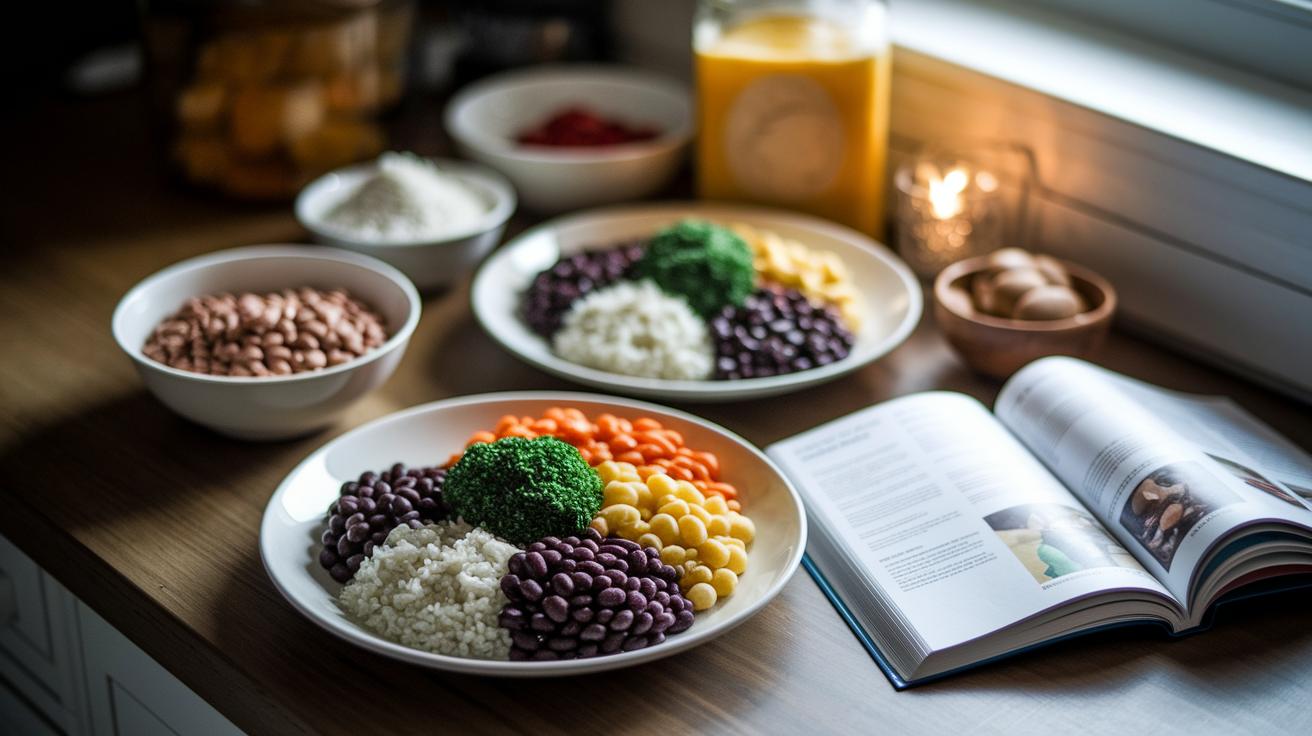
Ever thought eating healthy had to be expensive? You might assume that nutritious meals break the bank, but smart meal planning can actually save you money and reduce food waste.
Imagine using whole grains, seasonal produce, and affordable staples to whip up meals that nourish you and lower your grocery bill by about 20%.
In this guide, we share simple steps and cost-friendly recipes that show healthy, delicious meals don’t have to strain your budget.
Try one small change in the kitchen tonight and see how easy it can be to start saving.
Mastering Healthy Meal Planning on a Tight Budget
Healthy meal planning on a budget means building meals that are both nutritious and affordable. You can fill your plates with whole grains, beans, and fresh produce that change with the seasons. By planning your meals each week, you'll not only create balanced dishes but also skip the stress of last-minute cooking.
Try aiming for meals that cost under $5 per serving. With a clear weekly plan, grocery bills can drop by about 20%, leaving room in your budget for other needs. Plus, smart planning might cut food waste by nearly 30% each year, saving both money and resources.
In this guide, you'll find simple, step-by-step tips for meal planning, budget-friendly recipes, and easy meal prep ideas. We'll offer grocery shopping hacks, low-cost ingredient swaps, and advice on using seasonal fruits and vegetables. Ready to dive in? Start today and enjoy healthy, tasty meals without breaking the bank.
Budget-Friendly Recipe Ideas for Healthy Meal Planning
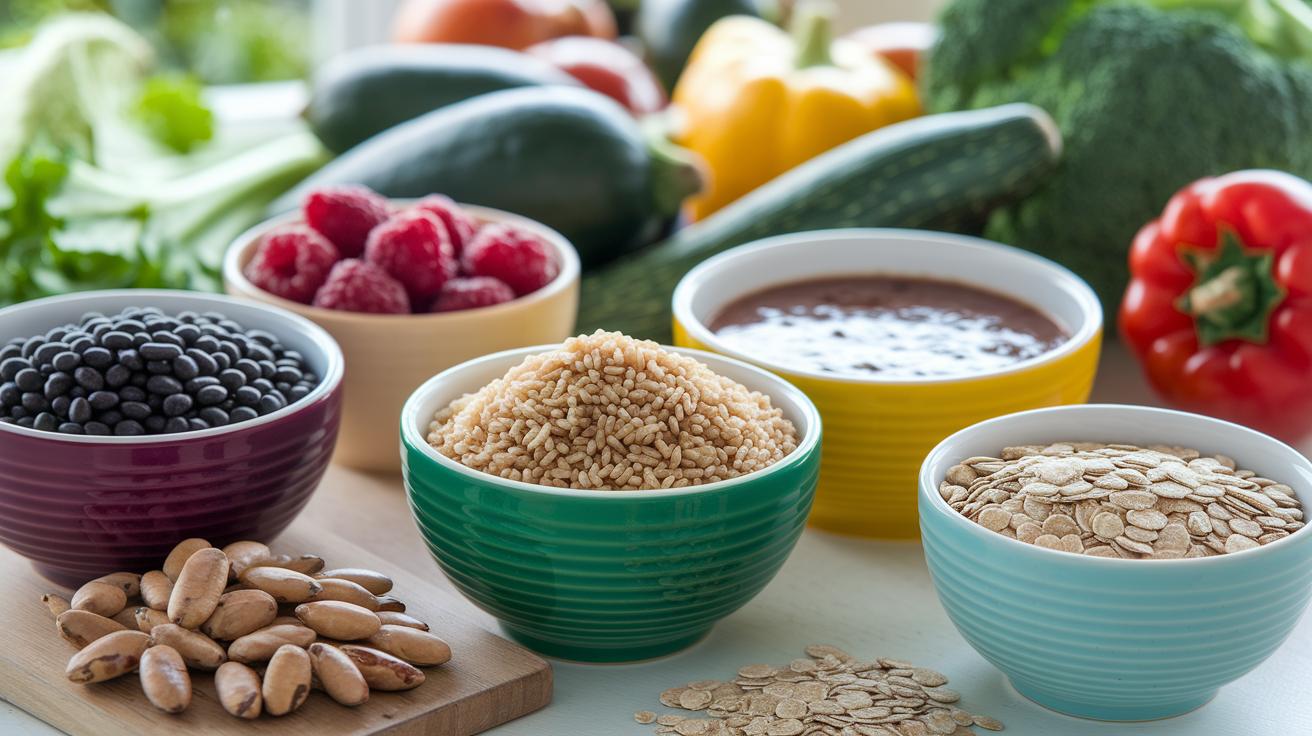
Here are seven easy and affordable recipes that mix great taste with full nutrition. Each dish offers a balance of protein, fiber, vitamins, and other key nutrients to help you stick to a healthy meal plan without breaking the bank.
- Brown rice & black bean burrito – about $1.80 per serving. It provides 14 g of protein and 6 g of fiber, making it a filling, plant-based meal.
- Lentil vegetable soup – around $1.50 per serving. This hearty soup yields 6 servings, each with 12 g of protein and 8 g of fiber, offering a steady boost of energy.
- Oatmeal with frozen berries – roughly $0.90 per bowl. With 5 g of protein and a dose of antioxidants, it’s a great way to start your day.
- Chickpea salad wrap – priced at $2.00 per serving. It delivers 10 g of protein and a good hit of vitamin C, perfect for a quick, nutritious meal on the go.
- Egg & vegetable frittata – about $1.75 per serving. This dish offers 12 g of protein and a solid source of iron to energize your day.
- Tuna & white bean salad – just $1.25 per serving. It packs 15 g of protein plus omega-3 fatty acids, which are good for heart health.
- Sweet potato & black bean tacos – around $1.60 per serving. With 7 g of fiber and vitamin A, these tacos combine flavor with nutritional balance.
Economical Meal Prep Strategies in Healthy Meal Planning
Batch Cooking
Pick one day each week to cook big batches of staples like rice and beans. This simple step can free up almost 2 hours a day by cutting down the need to cook every evening. Use budget-friendly ingredients and fill a few large pots. Once everything cools, scoop it into airtight containers. For example, making a large bowl of brown rice and black beans means you can quickly assemble meals throughout the week.
Pre-Chopping Vegetables
Wash and chop your veggies ahead of time to trim weekday prep by about 30%. Keep your chopped produce in clear, labeled containers so you always know what’s inside. Place the more perishable items at the front of your fridge for easy access. A ready mix of bell peppers, carrots, and spinach can be tossed into a stir-fry or salad for a fast and nourishing meal.
Portion Control & Packaging
As soon as your meal is cooked, divide it into reusable containers. Label each one with the meal type and the date to keep track of freshness. This practice not only helps reduce waste but also makes it easier to enjoy balanced, well-portioned meals. Using a mix of freezer-friendly and fridge-storable packages means you’ll have a healthy, homemade meal ready whenever you need it.
Smart Grocery Shopping for Budget-Friendly Healthy Meal Plans
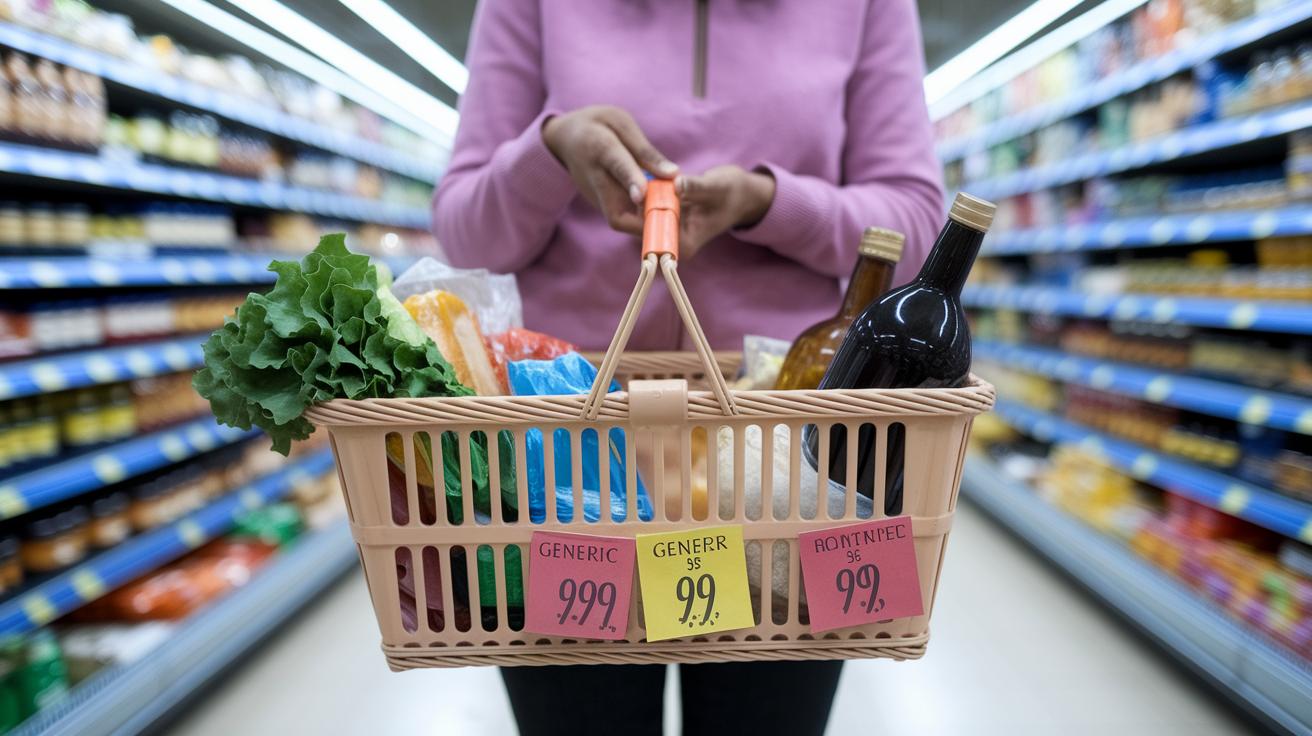
Shopping smart can shrink your grocery bill without skimping on nutrition. Try switching to generic store brands instead of big-name ones , you might save 25-30% right off the bat. Local farmers' markets often sell day-old produce at discounts of up to 25%, so you can grab fresh fruits and veggies for less. Buying essentials like grains and nuts from bulk bins can save about 15-20%. These small changes make planning healthy meals easier on your wallet.
Below is an HTML table that shows five key grocery items, their average prices, and a clear budget tip:
| Item | Avg. Cost | Budget Hack |
|---|---|---|
| Generic Yogurt | $0.75/cup | Opt for store brands to save up to 30% |
| Day-Old Tomatoes | $1.05/lb | Purchase at farmers’ markets for up to 25% off |
| Bulk Brown Rice | $0.50/lb | Buy in bulk to cut costs by 15-20% |
| Generic Canned Beans | $0.60/can | Choose generic brands to reduce spending |
| Bulk Almonds | $4.00/lb | Buy in bulk to lower the cost per unit |
Keep these tips in mind at the store and enjoy the perks of eating well while spending less.
Healthy Meal Planning on a Budget: Savory Savings
Try this simple swap: use Greek yogurt instead of sour cream in your favorite dishes. Greek yogurt saves you about $1 per cup and adds roughly 10 grams of protein. It works great in dressings, dips, and as a topping for tacos or chili. Next time you cook, add a spoonful of Greek yogurt for extra creaminess, more protein, and a win for your wallet.
Consider canned beans as a replacement for ground meat in recipes like tacos, chili, or casseroles. At around $0.30 per serving compared to $1.50 for meat, they offer similar protein benefits without the higher cost. Imagine a hearty bean chili that fills you up just as well as a meat version, all while keeping more cash in your pocket.
Switch to oat flour instead of almond flour when baking. At roughly $0.20 per cup instead of $4, this mix not only cuts costs but also gives your pancakes and muffins a light, pleasant texture. It’s a smart, budget-friendly adjustment that keeps your treats delicious.
Riced cauliflower makes a great substitute for white rice. Priced at about $0.50 per serving, it turns leftovers and vegetable scraps into a fiber-rich side dish that pairs perfectly with stir-fries or curries. Give it a try for a nutritious and economical meal upgrade.
Seasonal Produce Guide for Affordable Healthy Meal Planning
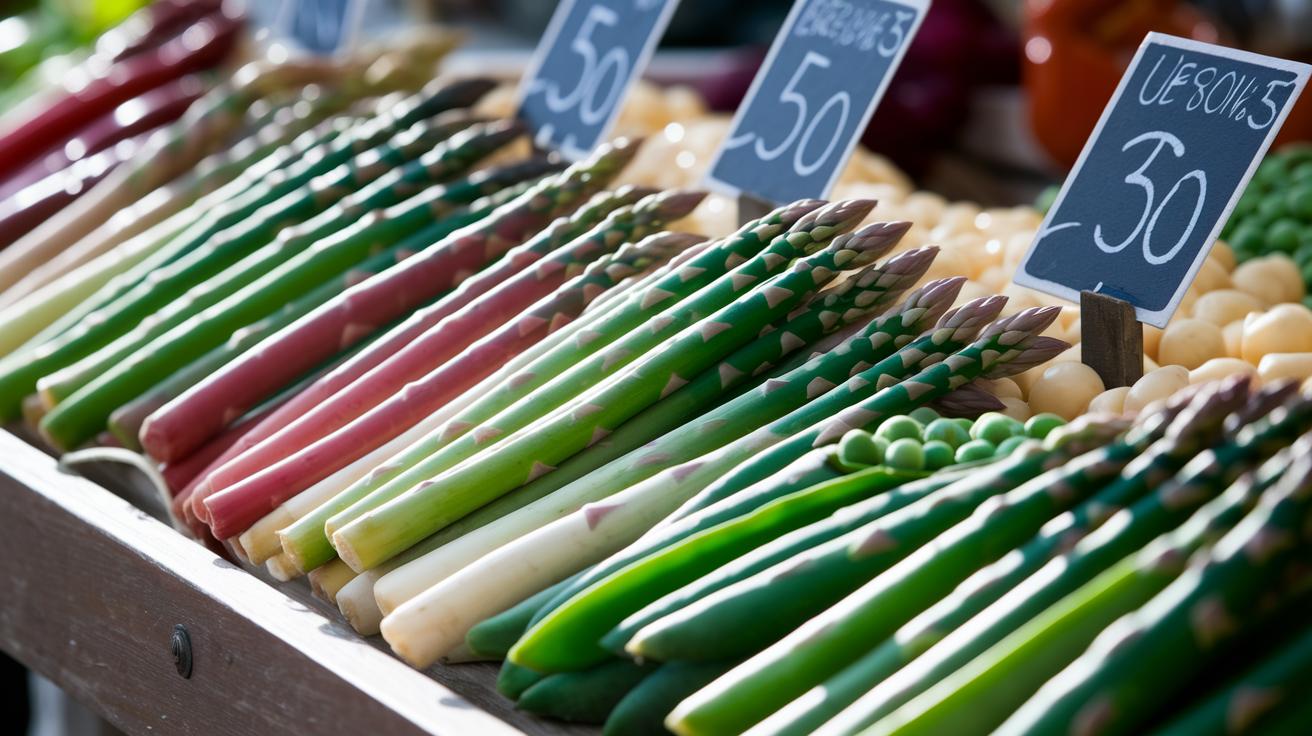
Spring fills your plate with fresh flavors and bright colors. Try asparagus for just $2 per pound and peas at about $1.80 per pound. Both pack vitamins A and C, which help with good vision and a strong immune system. Lightly steam the asparagus to enjoy its crunch or toss tender peas into a salad for a burst of freshness.
Summer offers lively produce at friendly prices. Pick up zucchini for around $1.50 per pound and tomatoes for roughly $1.40 per pound. Enjoy them raw in a salad or grilled as a tasty side dish. Their vibrant colors and natural sweetness make it easy to add nutrition and flavor to your meals.
Fall brings hearty fruits and vegetables that warm and satisfy. Butternut squash is available for about $1.20 per pound, and apples come in at roughly $1 each. These staples offer a good dose of fiber, which supports healthy digestion. They work great in soups, stews, or baked goods to keep you cozy as the temperature drops.
Winter supplies us with robust produce to help stay healthy during the cold months. Carrots are budget-friendly at $0.80 per pound, while oranges, packed with vitamin C, cost about $1.20 per pound. Carrots add beta-carotene (which benefits eye health), and oranges boost your immune system. Enjoy these simple ingredients in warm, comforting dishes to help get through winter.
Waste Reduction Techniques in Budget-Conscious Healthy Meal Planning
Start by labeling your ingredients and using them in the order they expire. When you arrange your fridge and pantry so that items with the earliest dates get used first, you can cut down on food wastage by about 20%. Mark dates on storage containers to keep track easily. This simple habit helps save money and keeps your meals fresh.
Another great idea is to freeze leftovers in single portions. After your meal, let leftovers cool and then store them in small, freezer-safe containers. This lets you extend the life of your food by 2–3 weeks, providing a quick, healthy option on busy days while reducing waste.
Finally, keep a small waste log to track what you often end up discarding. Note the items that go unused and adjust your shopping list next time. If you have a larger household, it might help to explore meal planning for families tips. This small step not only controls your grocery spending but also makes your kitchen more eco-friendly.
Final Words
In the action, this article laid out straightforward steps for healthy meal planning on a budget. The post broke down practical strategies, from cost-effective menus and smart grocery shopping to simple, time-saving prep techniques. It offered clear examples with definite numbers to help trim costs while boosting nutrition. Actionable swaps, seasonal selections, and waste-reducing tips all work together to create a sustainable food routine. Every tip is a small step toward lasting improvements in your daily eating and wellness routine. Embrace these ideas and enjoy simple, positive changes.
FAQ
What does healthy meal planning on a tight budget mean?
Healthy meal planning on a tight budget means creating a meal schedule that uses nutrient-rich, low-cost foods. It helps lower grocery expenses while minimizing food waste.
What key metrics highlight the benefits of budget meal planning?
Budget meal planning shows benefits like per-meal costs under $5, a potential 20% reduction in weekly spending, and up to 30% less food waste each year.
What budget-friendly recipes offer both low cost and nutrition?
Budget-friendly recipes such as brown rice & black bean burritos, lentil soup, oatmeal with frozen berries, chickpea salad wraps, egg frittatas, tuna & white bean salads, and sweet potato tacos offer balanced macros at a low cost.
How do economical meal prep strategies save time and money?
Economical meal prep uses batch cooking of staples, pre-chopped vegetables for quick assembly, and portion control through packaging, saving both time and reducing grocery costs.
How do smart grocery shopping tips lower meal planning costs?
Smart grocery shopping means choosing generic brands, buying discounted produce from farmers’ markets, and using bulk bins. These tips help reduce your overall grocery bill for healthy meals.
What are some inexpensive ingredient substitutions for cost-effective recipes?
Inexpensive substitutions include using Greek yogurt in place of sour cream, canned beans for ground meat, oat flour instead of almond flour, and riced cauliflower for white rice. These swaps lower costs while keeping nutritional value.
How do seasonal produce choices support budget-friendly meal planning?
Seasonal produce choices such as asparagus, zucchini, butternut squash, and carrots are cost-effective and nutrient-rich. They help keep meals both affordable and wholesome throughout the year.
What waste reduction techniques can improve budget-conscious meal planning?
Waste reduction techniques include labeling and rotating ingredients, freezing leftovers in single portions, and keeping a waste log. These tactics help curb overspending by cutting down on food spoilage.