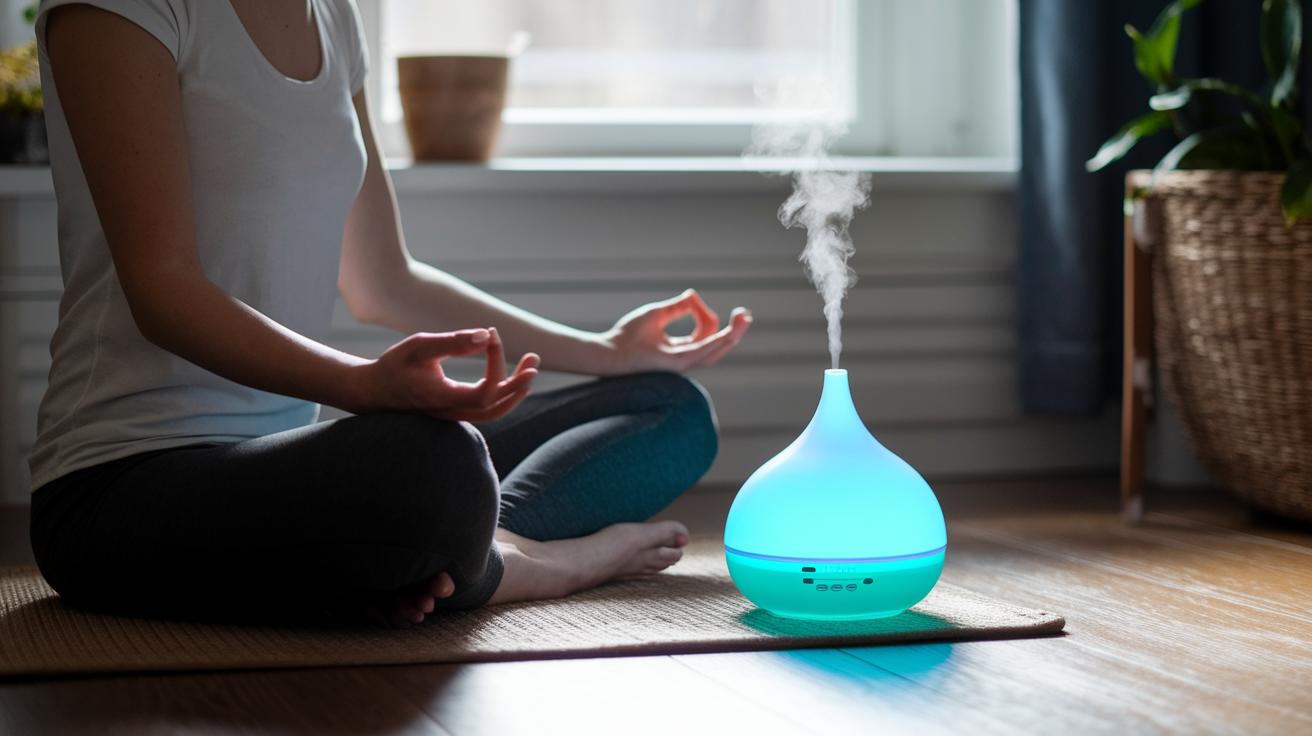
Ever wondered if a few drops of essential oil could ease a racing mind? For centuries, people have used these natural plant extracts to find a bit of calm during tense moments. Modern studies show that the aroma can influence the parts of your brain that manage stress and emotions (kind of like a soothing signal). They aren’t a magic fix, but they might work well alongside other ways to feel more relaxed. Here, we break down what current research says about how these natural scents could help ease everyday anxiety.
Evidence-Based Overview of Essential Oils for Anxiety Reduction
Essential oils have been a trusted natural remedy for stress and anxiety for thousands of years. These oils come from plants and carry small compounds that our bodies absorb when we breathe them in or gently apply them on our skin. Their scents can spark a calming feeling, even on a hectic day.
Research has found that inhaling these oils can influence parts of the brain that control emotions and stress. When you breathe in the aroma, it interacts with your smell receptors and sends signals to areas that help manage your mood. Many people use diffusers in places like their bedroom or office for this reason. A simple tip is to add 5 to 10 drops in a diffuser mixed with water to create a peaceful environment.
Remember, while essential oils might help ease mild anxiety or occasional stress, they aren’t meant to replace treatments for serious conditions. They work best as a helpful companion to traditional treatments for moderate to severe anxiety. In some studies, people reported feeling less stressed and more relaxed after using certain oil blends.
Overall, these natural extracts use plant compounds to help create a soothing space. Whether you breathe them in or use them on your skin, essential oils have a long history and growing scientific support as a tool for easing everyday anxiety.
Mechanisms of Anxiety Reduction by Essential Oil Compounds
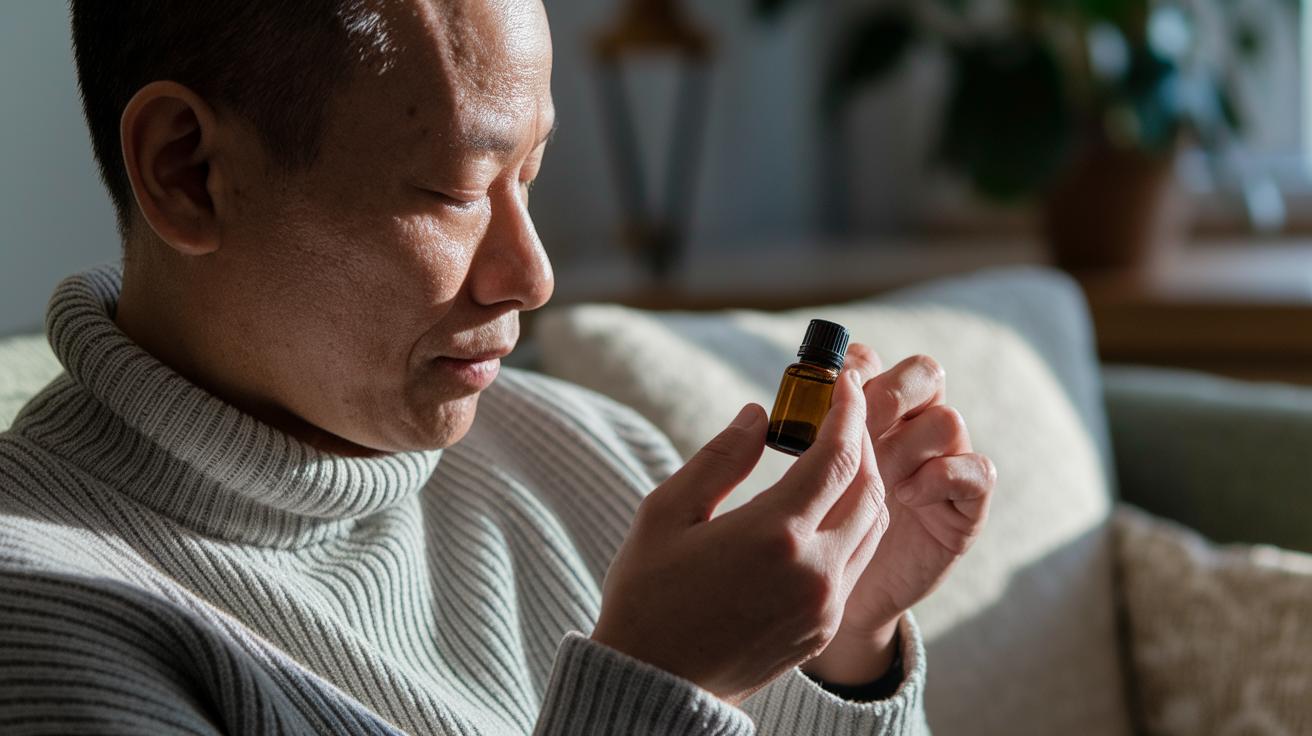
Essential oils have tiny, volatile molecules that connect with your nose when you inhale. These molecules travel to parts of your brain that deal with feelings and memories, like the limbic system. This simple pathway can spark a calming feeling and help bring back pleasant memories.
When you breathe in these aromas, they also activate brain areas that control things like your heart rate and breathing. This change in your body can ease stress and anxiety, much like how a familiar smell might instantly remind you of a happy time.
When you apply essential oils to your skin, the active compounds are absorbed and enter your bloodstream. This can subtly change how some brain chemicals work, like GABA (a messenger that helps you relax). For example, linalool and linalyl acetate, found in lavender oil, have been seen in studies to help adjust GABA's action, leading to a soothing effect.
Together, these nose and skin effects explain how essential oil compounds can help lower anxiety and boost a calm mood.
Clinical Trials on Essential Oils for Anxiety Reduction
Researchers have been exploring how essential oils might help lessen anxiety in certain situations. In these studies, scientists measured how people’s bodies and minds reacted after breathing in specific blends. Such trials give us hints that essential oils may encourage relaxation.
In one study in Taiwan in 2011, elementary school teachers used bergamot oil (a type of citrus oil) for a 10-minute session once a week. Teachers with higher anxiety levels showed lower blood pressure and heart rate after the sessions. This suggests that even a short period of inhaling bergamot oil might help lower some physical signs of anxiety.
Another study tested clary sage (Salvia sclarea) on rodents in 2010 and found that it had effects similar to antidepressants while also easing anxiety. Although the research was done on animals, it hints that clary sage may help lift mood in people, and further studies on humans could be promising.
Lavender (Lavandula angustifolia) is another oil that has been well-studied. Its active components, like linalyl acetate and linalool, have been linked to improvements in anxiety and sleep quality. It’s important to use fresh, properly diluted lavender oil to avoid skin irritation.
One more trial focused on patients undergoing heart procedures. Half of the 56 patients inhaled a blend of oils while the other half did not. The group with the aromatic blend showed better anxiety levels, improved vital signs, and better sleep quality.
Keep in mind, most of the research so far has focused on short-term, situational anxiety. We still need more studies to understand how essential oils might help with long-term or chronic anxiety.
Comparative Analysis of Key Essential Oils for Anxiety

Research shows that each essential oil brings its own benefits to help ease anxiety. For example, bergamot may lift your mood and help lower both blood pressure and heart rate. Animal studies hint that clary sage might bring an uplifting effect, which could help improve your mood. Lavender is a favorite for many because it calms the mind and helps support a good night’s sleep, especially when it’s fresh and properly diluted. Sweet orange provides a bright, fruity scent and early results suggest it might boost your spirits. Neroli, made from Citrus aurantium flowers, carries mood-enhancing benefits with a unique floral aroma, though it is pricier due to lower extraction yields. Geranium offers a balanced, soothing fragrance that may promote calm, with only a small chance of irritating very sensitive skin.
| Oil | Botanical Name | Active Components | Benefits | Safety Tips |
|---|---|---|---|---|
| Bergamot | Citrus bergamia | Limonene, Linalool | Boosts mood; may lower blood pressure and heart rate | Always dilute to prevent light-induced skin reactions |
| Clary Sage | Salvia sclarea | Linalyl acetate, Linalool | Exhibits mood-lifting effects in animal studies | Use a diluted mix to reduce skin irritation |
| Lavender | Lavandula angustifolia | Linalool, Linalyl acetate | Soothes and supports sleep | Choose fresh oil and mix properly |
| Sweet Orange | Citrus sinensis | Limonene, Myrcene | Offers a fruity aroma with potential mood benefits | Avoid undiluted use, especially on sensitive skin |
| Neroli | Citrus aurantium | Linalool, Farnesol | Improves mood with a distinct floral scent | Use in small amounts due to its higher cost |
| Geranium | Pelargonium graveolens | Citronellol, Geraniol | Helps bring a sense of calm | Test on a small skin area to avoid irritation |
Since every oil has its unique profile, it is important to use them safely. Start with a patch test on your forearm and follow the recommended dilution guidelines. You can add a few drops to a diffuser or a cotton ball to discover which scent works best for you. Always remember to keep safety in mind when using essential oils.
Safety and Application Guidelines for Anxiety-Reducing Essential Oils
When using essential oils to help ease anxiety, it’s important to follow safe, clear steps. Store your oils carefully and steer clear of oxidized lavender since it might irritate your skin.
For skin applications, always mix the essential oil with a carrier oil like fractionated coconut or jojoba oil. Aim for a 1–2% dilution: that means adding about 1–2 drops of essential oil per teaspoon (5 mL) of carrier oil.
Before using your blend on a larger area, do a simple patch test. Apply a small drop to your forearm and wait 24 hours to make sure your skin doesn’t react badly.
If you prefer using a diffuser, add 5–10 drops of essential oil per 100 mL of water. Let the room air out after each session so the oil doesn’t build up too much.
Remember, essential oils are for external use only, they’re not meant to be ingested unless you’re guided by a professional. When used safely, these oils can be a useful part of managing anxiety along with other stress-reduction techniques.
Practical Methods to Integrate Essential Oils into Anxiety Relief

Using essential oils is a practical way to help ease stress every day. They can fit right into your busy life with simple ideas that make your space feel calmer. Whether you need a quick burst of fresh scent or a deeper, relaxing experience, there’s an option here for you. For example, spending 10 minutes each week inhaling bergamot oil might help you feel less anxious. Try out these ideas to see what works best, and check out more aromatherapy tips at techniques for stress relief.
- Run a diffuser in your office, living room, or bedroom for 10 to 30 minutes.
- Put 1 or 2 drops on a cotton inhaler or tissue for a quick scent boost.
- Mix 3 to 5 drops with 10 mL of a carrier oil (like fractionated coconut or jojoba) and dab it on your wrists or temples.
- Add 5 drops to your bath along with 2 Tbsp (30 mL) of Epsom salts and soak for 10 to 15 minutes.
- Try a bergamot routine: inhale for 10 minutes once a week.
- Experiment with these methods to find the routine that feels best for you.
Expert Insights and Research Gaps in Essential Oils for Anxiety Reduction
Experts point out that current studies mostly look at how essential oils help with quick bursts of anxiety rather than long-term stress. Many professionals advise you to use these oils as a helper, not as a replacement for treatments like therapy or medication when anxiety is more serious. One expert explained that while a 10-minute inhalation might ease stress right away, it doesn't fix ongoing anxiety.
Researchers are asking for more reliable and consistent methods when testing essential oils. Right now, studies use different kinds of oils and varying methods, which makes it hard to compare results. They recommend larger, well-designed trials to truly assess how effective these oils can be over longer periods.
Also, many experts mention the need to study these treatments in more diverse groups. Most research so far has focused on a narrow group of people, leaving gaps in our understanding of how essential oils work across different ages and cultures. Future studies should consider combining essential oils with other proven strategies for managing anxiety.
In short, while essential oils show promise as a helpful addition, we still need more thorough research to know exactly how useful they can be in the long run.
Final Words
In the action of exploring essential oils for anxiety reduction (what the research says), we walked through the basic science, clinical trials, and practical applications. We unpacked how plant-based extracts work with your senses and compared different oils to highlight their potential benefits and safety tips. The practical methods help you add these oils safely into your routine, providing real steps to manage occasional anxiety. Small steps can lead to noticeable calm, and every positive change counts.
FAQ
How to use essential oils for anxiety?
Using essential oils for anxiety involves diffusing 5–10 drops per 100 mL water or applying a 1–2% diluted blend on the wrists after a patch test. Inhaling from a cotton ball is another ready-to-use method.
What are the best essential oils for anxiety and depression?
The best essential oils for anxiety and depression include lavender, bergamot, and sweet orange. These oils have calming properties that may ease stress and support a mood lift.
How can lavender oil help with anxiety and depression?
Lavender oil helps with anxiety and depression by promoting relaxation through its natural constituents like linalool, which influence brain pathways linked to calm and improved sleep.
Are Young Living essential oils effective for anxiety and panic attacks?
Young Living essential oils, often featuring blends that include lavender and bergamot, are used to ease anxiety and panic symptoms when applied properly and diluted for safe use.
Can essential oils improve sleep for anxiety relief?
Essential oils can improve sleep by reducing anxiety-driven restlessness. Diffusing a calming blend or lightly applying diluted oil to the pillow may promote relaxation and better sleep quality.