Feeling like anxiety is turning your body into a tight ball? Try progressive muscle relaxation. This simple method asks you to gently tense and then relax different muscle groups. It sends a clear message to your brain: it’s time to calm down. Think of it as a reset button for your body. In this post, we break down how this easy technique can help ease anxiety fast and bring a gentle sense of calm when you need it most.
How Progressive Muscle Relaxation Reduces Anxiety
Progressive muscle relaxation, or PMR (a method to ease tension with focus on muscles), helps calm your body when anxiety strikes. You slowly work through different muscle groups by tightening them for a few seconds and then letting them relax. This simple act shifts your mind away from stressful thoughts and brings a quick sense of relief. For instance, try clenching your shoulders tightly, then letting them drop slowly, it often brings a soothing wave of calm.
Tensing and relaxing muscles breaks the cycle of the fight-or-flight response. When you tighten a muscle and then release it, you give your body a clear signal that it’s time to relax. Think of it as a reset button; tightening your legs before letting them go tells your body that it’s safe to be calm. This repeated practice helps weaken the link between anxious thoughts and physical tension.
PMR also keeps you in the present. Paying attention to the feeling of your muscles working and then softening pulls your focus away from worries about the future. Regular practice not only eases muscle tension but also nurtures a balanced, mindful mindset, making each session a handy, everyday tool against anxiety.
Progressive Muscle Relaxation Technique: A Step-by-Step Guide
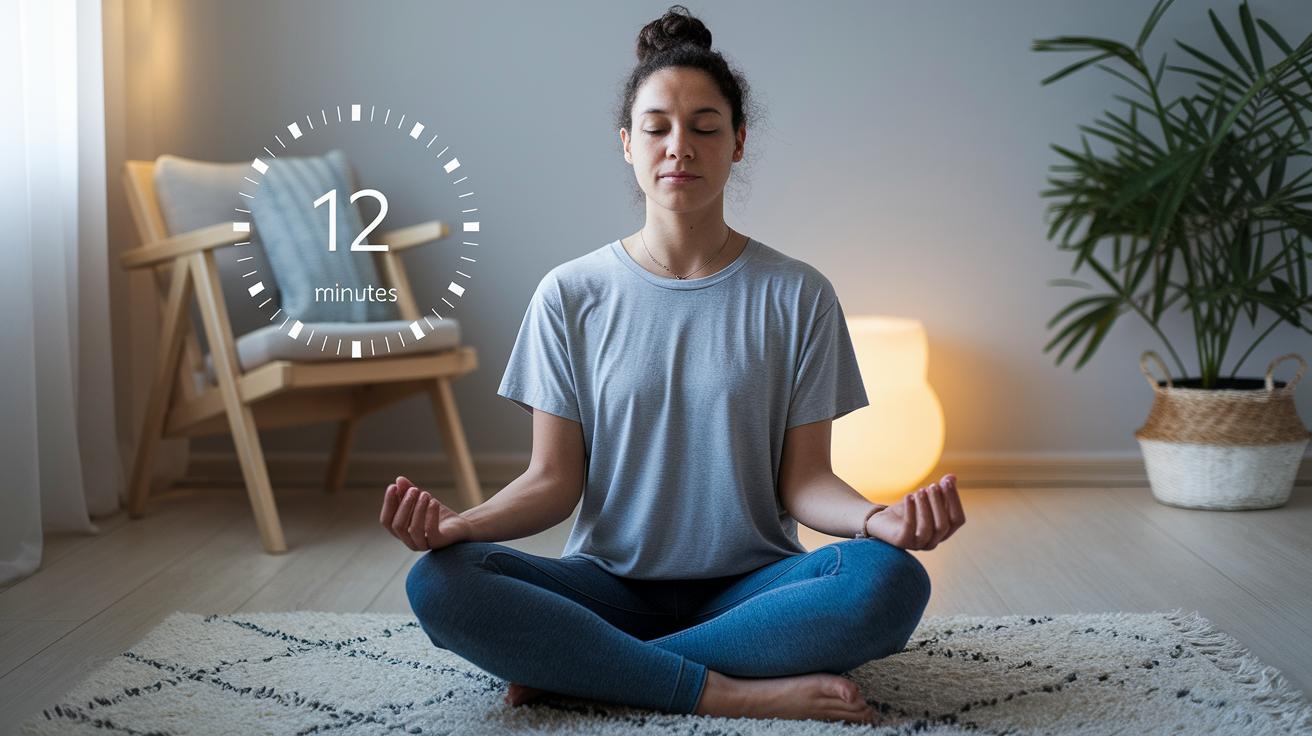
Find a quiet spot where you can sit or lie down comfortably in loose clothing. Set a timer for 10–15 minutes and clear your mind so you can focus on your body. Make sure you have few distractions and settle into a relaxed position that helps you let go of tension.
- Start with your feet. Take a deep breath as you tighten your feet for 5–10 seconds. Then, slowly exhale and let the muscles relax for 20–30 seconds. Notice how the tension fades.
- Next, focus on your calves. Breathe in deeply and squeeze the muscles in your calves. On your exhale, let them release fully.
- Move up to your thighs. Contract your thigh muscles for 5–10 seconds while inhaling, then relax and breathe out slowly for 20–30 seconds.
- Shift your attention to your abdomen. Gently pull your belly in as you breathe in, then exhale and allow your stomach muscles to soften.
- Now, work on your hands. Clench your fists tightly for 5–10 seconds while breathing in, and let go as you breathe out.
- Then, raise your arms. Squeeze your upper arm muscles as you take a deep breath, and on exhale, ease the tension.
- Focus on your shoulders. Shrug them slightly and hold the tension for a few seconds while keeping a steady breath, then let them drop on your exhale.
- Finally, relax your face. Scrunch up your face as you inhale, then release and let your features soften as you exhale.
Try to practice this routine daily or 4–5 times a week. Pairing it with slow, deep breathing can boost relaxation and help ease stress over time.
Benefits and Science of Progressive Muscle Relaxation
Research shows that stepping through a routine of progressive muscle relaxation can help ease anxiety. In one study, people saw a drop in anxiety levels and a decrease in cortisol (a stress hormone). With regular practice, your body learns to step out of its fight-or-flight mode, which helps calm your emotions without the need for medication.
When you add this practice to your day, you might notice your heart beats slower and your blood pressure falls. It also helps ease muscle tension, so your body can relax and rebound from everyday stress. For even better results, try combining these exercises with deep breathing for anxiety attacks (learn more at bezenn.com?p=599). This mix boosts oxygen flow and lets your muscles unwind.
Mentally, progressive muscle relaxation can lead to better sleep and a calmer mood. Many people find that a regular routine brings more steady emotions and builds confidence in managing stress. By focusing on the feel of your muscles as they tighten and relax, you bring your attention to the present instead of worrying about the future. This easy, hands-on method is a smart way to support your mental well-being every day.
Practical Tips for Effective Progressive Muscle Relaxation
Set a timer to kick off your relaxation time and pick a quiet, distraction-free spot. This simple step helps you focus and signals that it's time to unwind.
Sit comfortably or lie down, and wear loose clothing so nothing holds you back. Try to do this every day or at least 4 to 5 times a week, consistent practice can help ease anxiety over time.
If you're new to PMR, start with a guided audio or video session. Once you feel more at ease, try doing it on your own. You can even mix in a stress relief meditation for a well-rounded approach to managing your stress.
Comparing Progressive Muscle Relaxation to Other Anxiety Reduction Methods
Deep breathing, mindfulness, and yoga are well-known ways to ease anxiety. They use slow, rhythmic breaths or gentle movements to help calm your body and mind. Deep breathing can lower your heartbeat, while meditation lets you simply notice your thoughts and feelings. Yoga provides light stretching combined with focus, leaving you more at ease. Each method gives you a unique tool to break the anxiety cycle.
Progressive muscle relaxation (PMR) takes a slightly different approach by working directly with your muscles. Instead of just focusing on your breath or thoughts, PMR asks you to tense specific muscles and then let them relax. This clear action helps signal to your body that it’s safe to unwind. It also works well with techniques like cognitive behavioral strategies by keeping you grounded in the present.
Many people find that mixing these methods can boost the benefits even more. For example, you might start with a short PMR session to ease muscle tension, then use other stress management techniques to keep your mind calm. Experimenting with different practices lets you build a routine that fits your needs, creating a well-rounded plan to manage stress and stay clear-headed every day.
Final Words
In the action, you explored how progressive muscle relaxation calms the body and mind by focusing on tension and release. The post detailed step-by-step routines, practical tips on setting up a quiet space, and compared this method with other approaches to tame anxiety.
All these insights help build a simple, effective routine anchored by progressive muscle relaxation for anxiety reduction. Small daily steps like these can brighten your day and boost overall well-being.
FAQ
Q: What is a progressive muscle relaxation script?
A: The progressive muscle relaxation script explains a series of steps that guide you to tense and then relax different muscles, helping to lower stress and ease anxiety.
Q: Where can I find a progressive muscle relaxation PDF?
A: The progressive muscle relaxation PDF is a downloadable guide that provides clear, step-by-step instructions, making it easier for you to practice the technique and reduce muscle tension.
Q: What are the disadvantages of progressive muscle relaxation?
A: The disadvantages of progressive muscle relaxation can include the time needed to learn and practice the steps, as well as the focus required, which may be challenging for some people.
Q: What is progressive muscle relaxation audio and how do I download it?
A: The progressive muscle relaxation audio offers guided verbal instructions to help you work through muscle tension and release cycles, and you can download it from trusted wellness websites.
Q: What are the benefits of progressive muscle relaxation?
A: The progressive muscle relaxation benefits include reduced anxiety, lower heart rate, improved sleep quality, and an overall sense of calm by releasing built-up muscle tension.
Q: How does progressive muscle relaxation work?
A: The progressive muscle relaxation technique works by systematically tensing and then relaxing muscles, which interrupts the stress response and promotes a natural state of calm.
Q: How does progressive muscle relaxation help with anxiety?
A: The progressive muscle relaxation technique helps with anxiety by anchoring you in the present moment, interrupting anxious thoughts, and reducing physical symptoms of tension for a calmer mind and body.