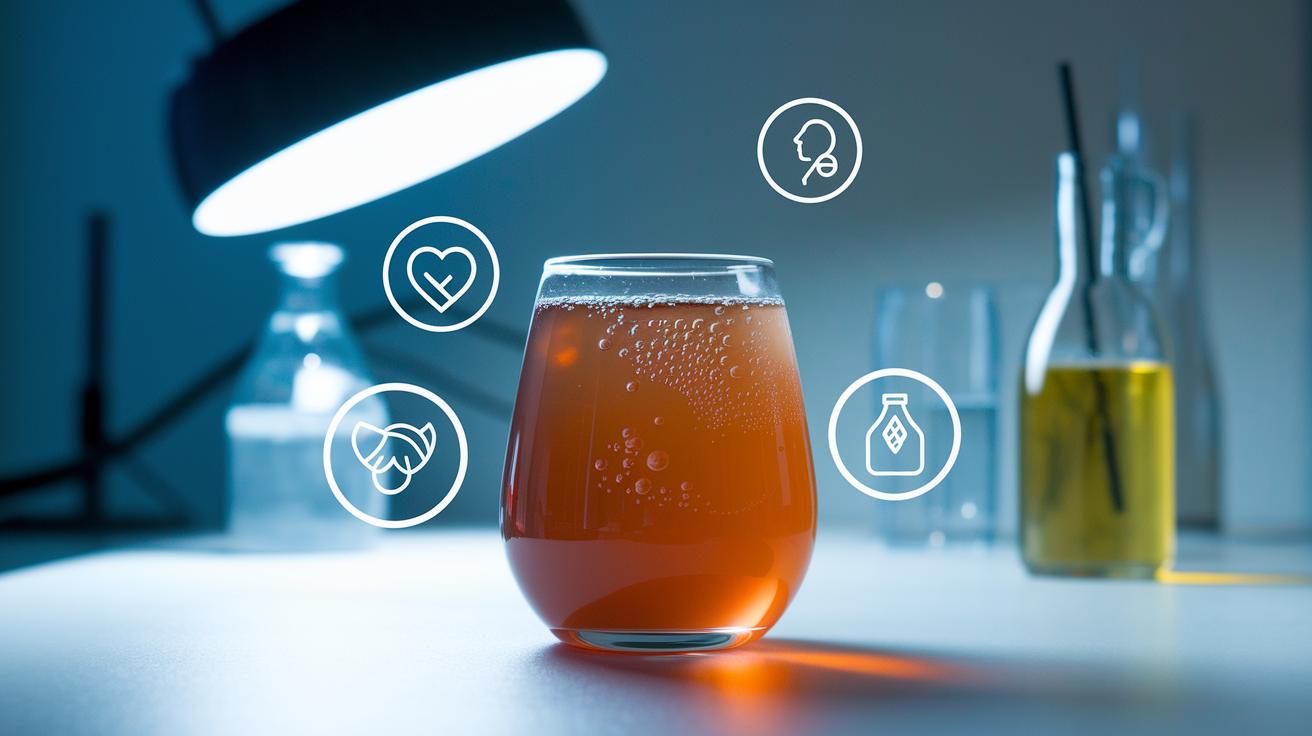
Ever wondered if kombucha is a health miracle or just a trendy drink? This fizzy tea is full of good bacteria (probiotics) and natural plant compounds (polyphenols) that might help your gut and ease minor inflammation. But remember, having too much could lead to side effects you don’t need.
Here’s the quick take: We break down the latest research so you can decide if kombucha fits into your routine. Dive in to get practical tips on how to enjoy this bubbly brew safely.
Key Evidence on Kombucha’s Health Benefits and Potential Risks
Kombucha is a fizzy tea made by fermenting green, black, or oolong tea with sugar and a friendly culture called a SCOBY (a mix of bacteria and yeast). This process turns sugar into alcohol and then into acetic acid, giving the drink its natural bubbles. The brew is packed with probiotics (helpful bacteria) and polyphenols, which may support your gut, ease inflammation, and boost your immune system. Think of it as simple tea undergoing a cool transformation into a bubbly drink that might gently help with digestion and overall well-being.
Early research shows that kombucha might lower LDL (bad) cholesterol and support the liver and digestive system. However, these benefits still need to be confirmed by larger, more thorough studies.
It’s important to enjoy kombucha safely. Drinking too much can lead to headaches, nausea, and stomach discomfort, with very rare cases of ketoacidosis reported. The CDC suggests that most healthy adults start with about 4 ounces (120 ml) once to three times a day. If you’re pregnant, nursing, have a weakened immune system, or if your child is young, it’s best to limit or avoid kombucha due to higher risks.
Keeping the right brewing conditions is key. Maintaining a pH of 4.2 or below helps preserve the good bacteria and lowers the chance of harmful contamination, so you can enjoy kombucha as a supportive drink rather than a risk.
How Kombucha Fermentation Process Shapes Its Health Profile

Kombucha transforms naturally with the help of a SCOBY (a mix of bacteria and yeast) that turns sugar into alcohol and then into vinegar (acetic acid). This process gives the drink its signature fizz and makes it rich in helpful microbes. Keeping the pH at or below 4.2 (ideally between 2.5 and 4.2) protects these friendly bacteria while stopping harmful germs. A quick pH check with strips can confirm you’re in the safe zone.
The brewing time, usually between 7 and 14 days, influences the levels of acids, alcohol, and healthful compounds called polyphenols. A shorter fermentation might create a milder taste with fewer acids; a longer one can boost the tang but may also increase acetic acid if not watched carefully. Different teas, green, black, or oolong, bring their own antioxidants, changing the drink’s overall profile.
Using glass containers is best because they won’t react with the acidic brew or pose lead contamination concerns like some clay vessels might. Also, keeping all your tools and workspace clean is essential to prevent mold or harmful bacteria. These careful steps in the fermentation process play a key role in ensuring kombucha stays both safe and full of probiotic benefits.
Nutritional Profile and Antioxidant Capacity of Kombucha
Kombucha is a fermented tea that delivers a mix of nutrients to help support your health. It includes natural antioxidants like catechins and flavonoids (the same good things found in green tea) that help neutralize free radicals – those unstable molecules that may be linked to inflammation and health issues such as heart disease and arthritis.
Every glass of kombucha also offers essential B vitamins such as B1, B6, and B12. These vitamins help your body use food for energy and keep your immune system strong, giving you a little boost as you go through your day.
Lab tests show that kombucha can act like a scavenger, reducing free radicals over time. How strong these antioxidants are can depend on the type of tea you use (green, black, or oolong), the length of the fermentation process, and the amount of sugar added. For instance, a longer fermentation could increase the levels of polyphenols, boosting the drink’s antioxidant qualities.
By carefully watching how you brew kombucha, you can create a beverage that's packed with natural antioxidants and important B vitamins, tailored just the way you like it.
Kombucha’s Probiotic Content and Digestive Health Effects

Kombucha is a fermented tea packed with live probiotic cultures that you also find in sauerkraut, kimchi, kefir, and yogurt. These good bacteria, like Lactobacillus and Acetobacter (bacteria that help keep your gut balanced), may support a healthy digestive system.
Some small trials suggest that adding kombucha to your diet can ease bloating and improve gut function. In one study, participants who drank about 4 ounces (120 ml) daily for a week noted less bloating and smoother digestion. Other pilot studies also reported fewer digestive issues for those who included it in their routine.
The live cultures in kombucha might also help lower inflammation in the gut, which can reduce mild discomfort. Although these early findings look promising, more research with larger groups is needed to fully understand kombucha’s benefits.
Potential benefits include:
• Improved gut flora balance
• Reduced bloating
• Possible anti-inflammatory effects on the digestive tract
Start slowly and see how your body responds. This gradual approach helps you adjust and better gauge kombucha’s effect on your digestion.
Immune and Metabolic Impacts of Kombucha Consumption
Kombucha supplies friendly polyphenols and B vitamins that may boost white blood cell function and overall immunity. It works a bit like enjoying a serving of vitamin-rich fruit every day to give your body a natural lift.
Research in animals and test-tube studies suggests that the acids and enzymes made during fermentation might help your liver detoxify by clearing out unwanted substances, kind of like a gentle reminder for your liver to work efficiently. However, we still lack enough human studies to say if it helps manage or prevent fatty liver disease.
Some early clinical reports have shown promising metabolic changes. For example, a few people who drank kombucha experienced better cholesterol levels, with higher HDL (good cholesterol) and lower LDL (bad cholesterol). There are even hints that kombucha might help steady blood sugar levels for those with type 2 diabetes. One brief report mentioned modest improvements in blood sugar, which researchers found encouraging.
That said, more research is needed to understand how much kombucha is best and what long-term effects it might have. Standardized studies will be key to confirming these early trends.
Potential Risks and Toxicity Concerns of Kombucha

Kombucha is a fermented drink that needs careful handling to stay safe. If the brew goes on too long or its acidity isn’t kept below a pH of 4.2, unwanted germs may grow, raising the chance of feeling unwell.
Too much sugar in your kombucha can cancel out the good bacteria benefits and upset your blood sugar balance. Some people have shared that drinking too much may lead to headaches, dizziness, nausea, or even stomach upset. In very rare cases, excessive kombucha has been linked to a condition called ketoacidosis (when the blood becomes too acidic).
Certain groups should be extra careful:
- Pregnant or nursing individuals should limit or avoid kombucha.
- People with weak immune systems might be more at risk.
- Young children are best kept away from it.
How you brew also matters. For example, using an untested clay container may let lead seep into your kombucha. To lower risks, heat your brew to 180°F (82°C) for at least 30 seconds to pasteurize it or add food-grade preservatives to pause fermentation. Keeping a close watch on the pH and proper cleaning during the brewing process makes your kombucha safer to enjoy.
Recommendations for Safe Kombucha Consumption and Home Brewing
Before you start, make sure your equipment is clean. Wash all jars, spoons, and tools with hot, soapy water and rinse them well. I always clean everything thoroughly and let it dry completely. Use glass containers whenever you can because they don't react with the acidic brew, lowering the chance of contamination.
Keep a careful watch on your brew as it ferments. Aim for a pH between 2.5 and 4.2; this range helps keep the good bacteria active while stopping harmful germs. Most batches ferment in 7 to 14 days. A shorter fermentation gives you a milder flavor, while a longer one results in a stronger, tangy kombucha.
Safe storage is also key. Once your kombucha is brewed, keep it in the refrigerator at about 39°F (4°C) to slow the fermentation. Check that the alcohol content stays below 0.5% as you store it. If you want to pause the fermentation, you can heat your kombucha to 180°F (82°C) for at least 30 seconds or add a tiny bit of food-grade preservatives like sodium benzoate with potassium sorbate. This helps keep some of the yeast benefits while stopping further fermentation.
When adding kombucha to your diet, start with 4 oz a day and slowly work up to 12 oz, following CDC advice. Remember that home and industrial brews can vary in quality, dilution, and fizz, so always follow these tips to enjoy your kombucha safely.
Final Words
In the action, this guide broke down key points on kombucha’s brewing process, nutritional perks, gut and immune impacts, along with practical safety tips for intake and home brewing. It showed clear, evidence-based snapshots of kombucha health benefits and risks (evidence-based) while giving simple steps to enjoy this drink responsibly. The article leaves you with practical advice to test small changes in your routine. Here’s to safe sips and small wins for daily wellbeing!