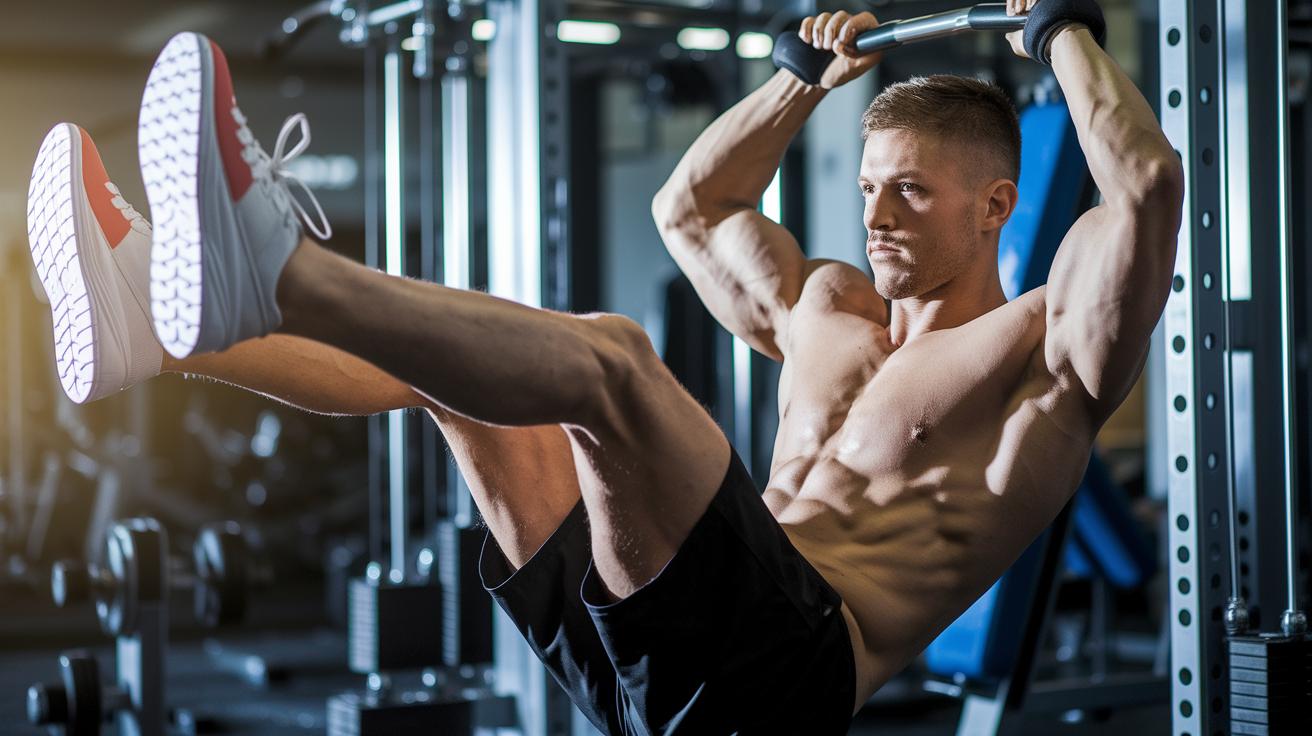
Ready to boost your core strength in just 15 minutes? Try a HIIT ab workout that mixes quick, intense moves with short rests. These exercises target your abs, lower body, and the deep muscles that help you with simple activities, like sitting and walking. In each session, you'll work on endurance, burn fat, and improve your balance. Let’s explore a simple HIIT ab circuit that strengthens your core and makes everyday movements feel easier.
hiit ab workouts Ignite Dynamic Core Strength
HIIT ab workouts use quick bursts of intense effort paired with short recovery breaks. They boost your fitness, build endurance, and help burn fat while working many parts of your core such as your lower abs, upper abs, obliques, and deep muscles underneath. A strong core supports everyday activities like sitting, standing, and walking and also protects your spine while you move.
These workouts are usually timed for about 15 minutes. You can choose 5 different moves, for example, mountain climbers, plank jacks, dead bugs, bicycle crunches, and flutter kicks. Here's one simple plan:
- Do each exercise for 40 seconds.
- Take 20 seconds of rest.
- Repeat the cycle for 3 rounds.
If you're just starting, try doing each exercise for 20 seconds and build up as you grow stronger.
This mix of cardio and core work means you’re burning fat while strengthening your muscles. Every burst of effort raises your heart rate and engages the muscles that keep you stable. If you’d rather work out at home with no equipment, look up bodyweight workouts that follow a similar fast-paced, interval format.
Alternating high-intensity moves with short recovery times not only targets your core but also trains your body to bounce back faster. This can help you build better endurance for daily tasks and improve your overall movement. Enjoy this balanced, effective way to boost both your strength and stamina!
15-Minute Beginner HIIT Ab Circuit

Quick take: This workout fires up your upper and lower abs, your obliques, and the stabilizing muscles in your core, all while giving your heart a little boost. Pick any five moves from the list below. For example, start with mountain climbers to warm up, add bird-dogs for balance, do Russian twists to target your sides, try alternating leg raises for your lower abs, and finish with side plank dips to shape your obliques.
| Exercise | Benefit/Variation |
|---|---|
| Mountain Climbers | Increases cardio and works the whole core. |
| Plank Jacks | Improves core stability and coordination. |
| Bicycle Crunches | Focuses on your obliques with controlled twists. |
| Reverse Crunches | Builds lower abdominal strength with a smooth motion. |
| Russian Twists | Boosts rotational strength; keep your feet on the floor for support. |
| Dead Bugs | Engages deep core muscles and improves coordination. |
| High-Knees | Cranks up cardio while engaging your core. |
| Flutter Kicks | Builds endurance in your lower abs. |
| Hollow-Body Rocks | Strengthens overall core tension and balance. |
| Side Plank Dips | Targets the obliques; go at a slow pace to keep good form. |
| Alternating Leg Raises | Focuses on lower abdominal strength with controlled lifts. |
| Bird-Dogs | Enhances balance and steadies your back while working the core. |
Follow these steps for each round:
- Do each chosen move for 40 seconds.
- Rest for 20 seconds between exercises.
- Complete 3 full rounds.
If you're just starting out, try working for 20 seconds and resting for 40 seconds to focus on proper form. Keep your spine neutral, engage your core, and breathe steadily. Stop if you feel any discomfort and adjust your pace as needed.
Change up your selection each round to keep things interesting. For example, one round you might do mountain climbers, reverse crunches, Russian twists, alternating leg raises, and bird-dogs. In another round, try plank jacks and dead bugs to boost stability. This mix not only keeps the workout fun but also challenges your muscles from different angles.
Advanced HIIT Ab Training and Modifications
If you're ready to push your core workout further, try adding extra weight or tweaking your interval timing. Hold a dumbbell during moves like weighted wood chops, plank dumbbell passes, or staggered side bends. For instance, using a medium-weight dumbbell for your wood chops can make the exercise tougher while keeping your form tight.
Consider using sliders, towels, or gliders for exercises like hamstring curl-to-pike moves and single-leg deadlift with a knee drive. These tools boost resistance and work your stabilizing muscles in both your core and lower body. Imagine finishing a single-leg deadlift with a quick knee drive, it is a smart way to enhance your balance and coordination.
You can also adjust your intervals for a new challenge. Try 50 seconds of work followed by a 10-second rest. Alternatively, use an Every Minute On the Minute (EMOM) approach by completing a set number of reps at the start of every minute and resting for the rest of the minute. This method can build your endurance and keep you focused.
Finally, add a HIIT oblique series with moves like cross-body mountain climbers and side-plank reaches. These exercises challenge your core in new ways and keep your workout both dynamic and effective.
Form, Safety, and Efficiency for HIIT Ab Routines

Keep your spine in a neutral position and activate your core with each move. Imagine starting an exercise and feeling your midsection tighten; this simple action helps protect your lower back. Breathe out as you work hard and breathe in during your breaks to keep a steady oxygen flow. For example, when doing a plank hold, exhale as you lower your hips and then inhale as you regain stability.
Always start with a warm-up to get your muscles ready. Try simple moves like hip-openers and leg swings to boost blood flow and flexibility before diving into your HIIT ab routine. This quick step primes your body for the workout ahead.
After you finish, cool down with static stretches that focus on your abs, hip flexors, and obliques. A good option is a seated forward bend held for about 30 seconds. Also, remember to give yourself a rest day between sessions so your muscles can recover and get stronger.
- Keep your spine neutral.
- Focus on smooth, steady breathing.
- Warm up before and cool down after exercising.
Take it slow and steady to ensure safety and lasting gains.
Scheduling and Progress Tracking for HIIT Ab Workouts
Plan to do 2–3 HIIT ab workouts each week. You can alternate these sessions with full-body HIIT or strength training days. This way, your muscles get time to rest while you build core strength and overall fitness. As you get more comfortable, try increasing your workout from 15 minutes to 30 minutes or add extra rounds.
Keep a workout journal to log your progress. Write down the number of rounds, how long each exercise lasts, your rest intervals, and how hard you felt each round. For example, note how many seconds you held a plank and any changes in your effort. Every 4 weeks, check your progress by measuring your plank hold time and waist circumference to see improvements in strength and fat loss. You might find a daily habits tracker, like the one at https://spiritushealingarts.com?p=234, really helpful for staying organized and motivated.
- Record details after every session.
- Review your progress every 4 weeks.
- Adjust your workout length or number of rounds as you get fitter.
Common Questions on HIIT Ab Workouts
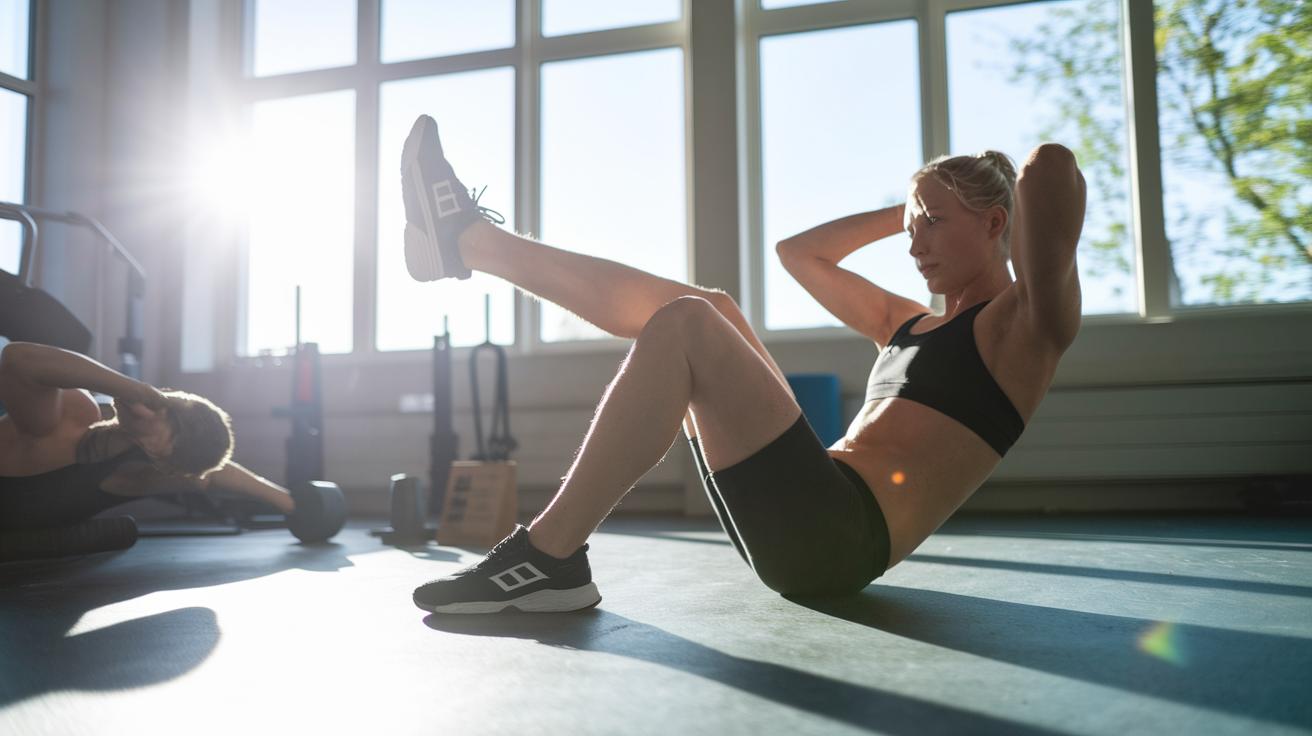
Q: Are HIIT abs better than steady-state ab work?
An HIIT ab workout packs a calorie-burning punch by challenging several core muscles at once, from your lower abs to your upper abs and obliques. For example, one study found that people doing HIIT burned nearly twice as many calories per minute as those engaging in moderate, steady exercises.
Q: How often should I do HIIT ab workouts?
Try to fit in 2 to 3 sessions a week. Keeping days off in between helps your muscles recover and reduces the risk of overuse.
Q: Do I need equipment?
Nope, you can achieve a solid workout using your body weight alone. If you’re ready for an extra challenge, adding light dumbbells or sliders (small resistance tools) can boost the intensity.
Q: When will I see results?
Many notice visible changes in about 4 to 6 weeks when pairing the workouts with a balanced diet and regular routine. Over time, you might see improvements in both muscle tone and fat loss.
Q: Can beginners start HIIT abs?
Absolutely. Beginners are encouraged to start with shorter, 20-second bursts of work and longer recovery periods. As your core strength grows, you can gradually increase the work time.
Every session is one step toward a stronger core and improved overall fitness.
Final Words
In the action, we explored how hiit ab workouts fuse core strength with cardio bursts. We broke down a beginner 15-minute circuit, discussed safe form and breathing, and even scaled up with advanced moves. We also covered planning sessions, tracking progress, and answered common questions. This step-by-step guide gives you clear tips to add simple, effective core training into your routine. Enjoy these small, manageable steps that can lead to noticeable improvements in your physical and mental wellbeing. Keep moving forward and celebrate every win!
FAQ
How do HIIT ab workouts with weights work?
HIIT ab workouts with weights add resistance to core exercises, challenging your muscles and boosting strength gain during rapid intervals.
How can I perform HIIT ab workouts at home?
HIIT ab workouts at home use bodyweight moves or simple equipment, making them flexible and effective even in small spaces.
Are there HIIT ab workouts suitable for both women and men?
HIIT ab workouts benefit both women and men by allowing modifications, so each person can adjust the intensity and resistance to their fitness level.
How do HIIT ab workouts with no equipment work?
HIIT ab workouts with no equipment rely on bodyweight moves like mountain climbers and bicycle crunches, ensuring a challenging core routine that’s accessible to everyone.
What is a full-body HIIT ab workout?
A full-body HIIT ab workout combines core exercises with moves that engage multiple muscle groups, promoting overall strength and a higher calorie burn.
How does a core HIIT workout lasting 30 minutes function?
A 30-minute core HIIT workout alternates high-intensity bursts of ab exercises with brief rests, blending endurance and core strengthening in a structured format.
What makes a HIIT abs workout for beginners effective?
HIIT abs workouts for beginners start with shorter work intervals and longer rests, allowing you to master form and build core strength gradually.
Can HIIT workouts give you abs?
HIIT workouts can help reveal abs by reducing body fat when combined with a balanced diet and overall strength training, although individual results will vary.
Is a 20-minute HIIT workout enough for the day?
A 20-minute HIIT workout can be sufficient if you maintain intensity, boosting metabolism and core endurance while fitting easily into a busy schedule.
Is HIIT good for diastasis recti?
HIIT might not be safe for diastasis recti. Gentle core exercises are better suited, so it’s wise to consult a healthcare professional for personalized advice.
What are the top three best ab workouts?
Many favor bicycle crunches, planks, and reverse crunches for their effectiveness in targeting multiple core muscles while allowing variations for different fitness levels.
How do exercises like burpees, bicycle crunches, and Pilates fit into HIIT routines?
Burpees, bicycle crunches, and Pilates moves can be integrated into HIIT routines to vary the workout, challenge the core, and keep your sessions dynamic and engaging.