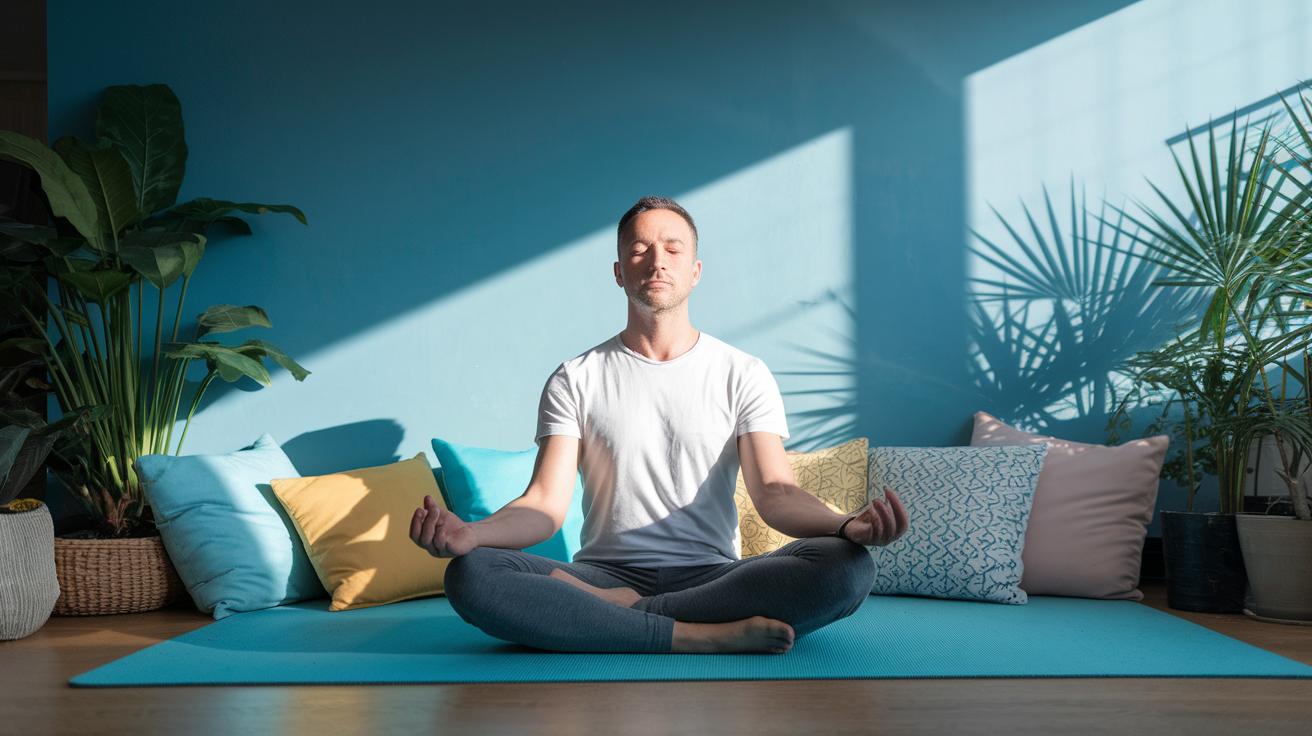
Ever wish you could calm your mind when worries feel overwhelming? It might seem like tension is here to stay, but a few minutes of mindful breathing can help ease that pressure. When you focus on your breath and the present moment, it's like giving your mind a chance to reset. Research shows that even a short mindful break can lower stress. Today, we'll share simple ways to invite mindfulness into your daily routine for a calmer, clearer mind.
Understanding How Mindfulness for Anxiety Reduction Works
Mindfulness is about giving kind, non-judgmental attention to what you're feeling and thinking right now. It means fully experiencing each moment instead of getting stuck on past memories or future worries. You might notice simple things like the feeling of your feet on the ground or the flow of your breath.
Mindfulness programs have helped many people learn these skills. One well-known program, Mindfulness-Based Stress Reduction, started in 1992 and offers a clear path to easing anxiety. Its offshoot, Mindfulness-Based Cognitive Therapy, teaches you to watch negative thoughts without fighting them. Both methods work by helping you accept your emotions and build stronger tools for handling stress. Picture acknowledging a spike of worry and then letting it drift away like a passing cloud.
Studies back up these benefits. For example, research from the University of Waterloo found that a simple 10-minute guided mindfulness meditation can cut down on repetitive, negative thoughts and lower stress hormones like cortisol. This practice activates your body's natural calming system, making it a practical way to manage anxiety every day.
Targeted Breathing Exercises for Calm with Mindfulness

Taking time to focus on your breath can help your body switch from a stressed, fight-or-flight state to calm and relaxation. When you breathe deeply, your body sends signals that activate your relaxation system, lowering stress hormones and quieting anxious thoughts. A simple, slow cycle of breathing in, pausing, and breathing out can give you a quick reset and improve your mood.
- Sit in a comfy spot with your back straight so you can relax.
- Rest one hand on your chest and the other on your belly to feel the natural movement.
- Breathe in slowly through your nose for 4 seconds, noticing your belly rise.
- Pause for 1-2 seconds to let the calm settle.
- Slowly breathe out through your mouth for 4 seconds, letting the tension fade away.
- Keep this slow breathing pattern going for 5 minutes, focusing only on your breath.
Start with a simple 5-minute session of belly breathing to get used to the technique. As you feel more at ease, gradually extend your practice to 10, 15, 20, or even 30 minutes. With regular practice, these mindful breathing exercises become a practical way to reduce anxiety and invite calm into your day.
Guided Meditation Sessions for Anxiety Control
Try guided meditation to help manage anxiety, no matter how much time you have. Whether you only have a few minutes or a longer break, each session gives you a chance to slow down and ease anxious thoughts.
For example, a 30-minute session mixes deep breathing, a full body scan, and a gentle review of your thoughts to help bring overall calm. If you're pressed for time, a 20-minute session can soothe anxious emotions. And if your feelings get too overwhelming, a 17-minute practice might help you create some distance from them. There’s also another 20-minute session designed to let you observe and release anxious thoughts gently.
To make this work for you, try picking a regular time for your meditation. Find a quiet space where you won't be disturbed, even if it's just for a short while. Mixing different session lengths keeps your practice fresh and fits into your day. With time, these moments of calm can build resilience and help you face your day with a steadier mind.
Body Scan and Grounding Techniques to Ease Nervous Energy

A body scan meditation helps you connect with your body. Start by slowly shifting your focus from your head down to your feet. As you pay attention to each area, you might notice tight spots that you hadn’t felt before, maybe a heaviness in your shoulders or tension around your jaw. When you become aware of these sensations, let them go gradually. This simple practice can help you pinpoint where stress builds and gently remind you to relax.
Try a grounding exercise that uses your five senses to bring you into the moment. First, take a look around and name five things you see, a patterned rug or a sunlit window, for example. Next, notice four different sensations, such as the support of your chair or the feel of your clothes against your skin. Then, listen for three sounds nearby, perhaps the steady hum of a fan, birds chirping, or the distant sound of traffic. After that, pick out two smells, like freshly brewed coffee or a scented candle. Finally, focus on one taste, whether it’s a lingering mint or a sip of water. This step-by-step approach helps move your mind away from anxious thoughts and into the present.
Observing your sensations without labeling them as good or bad can really lessen your stress. When you simply notice what you feel, you give yourself the chance to respond more calmly. This kind of non-judgmental attention, a key idea in Acceptance and Commitment Therapy (which helps people accept emotions without criticism), creates a space where you can feel more at ease.
Integrating Mindful Practices into Daily Life for Ongoing Anxiety Reduction
You can easily add small mindfulness moments into your day. Try a mindful walk while you grab the mail, savor a snack by really tasting it, or take a short 5-minute break to check in with your body. These small practices can help calm anxiety without needing a long meditation session.
At work or at home, set a reminder to pause for a quick posture check or sensory break. For example, after dinner, spend a few quiet moments focusing on your breath or feeling your feet on the floor. These mini-meditations help you manage stress right when it happens.
Over time, these little steps add up. By fitting in short mindfulness practices throughout your day, you can slowly shift away from constant worry. This steady practice builds your strength to handle anxiety, turning even brief moments of awareness into real calm and clarity.
Final Words
In the action, our tips show how mindful breathing, guided meditation, and body scan techniques can quiet anxiety. These practices help you notice and release tension while building everyday routines that calm the mind.
Small moments, like a 10-minute guided session or a quick grounding exercise, offer real benefits. Daily mindful practices nurture emotional balance and bring a sense of ease. Embrace mindfulness for anxiety reduction and enjoy each step toward a calmer day.
FAQ
What free mindfulness resources exist for anxiety reduction?
The free mindfulness resources include scripts, YouTube videos, PDFs, and worksheets designed to build a daily practice that eases anxiety and supports stress reduction.
How do mindfulness exercises benefit adults dealing with anxiety and depression?
Mindfulness exercises benefit adults by promoting present-moment awareness, lowering stress hormones, and soothing anxious thoughts, which can help ease symptoms of anxiety and depression.