Have you ever wondered why some mornings you feel refreshed and others leave you exhausted? The key is in balancing your light and deep sleep. Think of light sleep as the warm-up that gently eases you into rest, while deep sleep is like a repair shop that helps fix your body and brain overnight. Knowing how these stages work gives you a simple way to boost your sleep quality. Try focusing on habits that support both phases, and you might notice more energy in the morning.
light vs deep sleep: embrace better rest
Light sleep bridges the gap between being awake and sinking into deep, restorative sleep. It makes up about half your night's sleep. During this phase, your heart slows and your breathing steadies. You also see theta waves (brain signals that help with memory) which set the stage for the more intense healing later on. Think of it like the warm-up before exercise, it gets your mind and body ready for deeper repair.
Deep sleep, often called slow-wave sleep, is when your body really gets to work. It repairs tissues, builds muscle, and strengthens your immune system. In this stage, delta waves (signals that show your body is in deep restoration) are present. Imagine deep sleep as a nighttime repair shop, restoring both your brain and body after a long day.
| Stage | Characteristics |
|---|---|
| Light Sleep | Transition phase, slower heart rate, theta waves |
| Deep Sleep | Repair phase, delta waves, tissue and immune boost |
Both stages are vital for a good night's rest. Light sleep helps your brain ease into deeper, more restorative sleep, while deep sleep repairs your body and refreshes your mind. Together, they form the foundation of a balanced sleep cycle that leaves you ready to take on the day.
Measuring Light and Deep Sleep: Monitoring Techniques and Technology

Your body usually goes through a 90-minute sleep cycle that moves from light sleep to deep sleep and then to REM sleep (the stage where you dream). This cycle helps refresh you for the next day. Many sleep trackers record these cycles so you can see how long you spend in each phase. For instance, wearables often give you a Sleep Score that shows how many cycles you complete and how long you’re in each stage.
Here are some common tools to track your sleep:
- Polysomnography (a lab test using EEG to measure brain waves)
- Wearable devices (like the Oura Ring; studies have found they detect light sleep correctly about 75.5% of the time and REM sleep around 90.6% of the time)
- Smartphone apps (which use your phone’s sensors like the accelerometer and heart-rate monitor)
When you review these tools, you can see if your sleep pattern is steady or if any stages seem cut short. This information is useful because it helps you tweak your bedtime habits and create a sleep-friendly environment. Even small changes can make a big difference in how rested you feel each morning.
Health Impacts of Light vs Deep Sleep
Deep sleep works hard to help you recover while you sleep. During this phase, your body repairs tissues, stores new information, and clears out waste from your brain. It also strengthens muscles, fixes minor injuries, and boosts your immune system so you wake up ready for a new day.
- Tissue repair: fixes and rebuilds muscles and tissues
- Immune support: boosts your body’s natural defenses
- Learning & memory: stores new information
- Energy restoration: recharges your energy for daytime activities
- Brain plasticity: helps your brain form new connections
- Creativity boost: sparks innovative thinking
- Sleep stage transitions: makes moving into deeper sleep smoother
- Cognitive upkeep: keeps basic mental functions sharp
Light sleep may not feel as deep, but it gets your body and brain ready to rest. It helps your brain switch between sleep stages and supports flexible thinking. In this phase, your mind stays alert enough to keep up simple tasks until you move into the powerful rest of deep sleep.
When you consistently miss out on deep sleep, the balance of your sleep stages can shift. This imbalance might lead to ongoing tiredness, mood changes, and trouble thinking clearly, factors that can make your daily life feel much harder.
Optimizing Distribution of Light and Deep Sleep

When you balance your sleep phases, your body gets both a gentle wind-down and the deep repair it needs each night. A steady routine helps you move from light sleep, which eases you into a relaxed state, to deep slow-wave sleep, which repairs tissues, strengthens memory, and boosts your immune system. By keeping a regular sleep pattern, you complete about 4–5 cycles and align your internal clock, making it easier to fall asleep, stay asleep, and wake up feeling ready for the day.
- Wake up at the same time every day
- Keep your bedroom cool and dark
- Enjoy a snack rich in magnesium at dinner
- Turn off screens at least 1 hour before bed
- End workouts by early evening
- Practice relaxation or gentle stretching
- Stick to consistent meal times
These simple tips support the natural rhythm your body craves. For example, waking up at the same time each day helps signal your brain to regulate sleep, while a cool, dark room creates the ideal setting for deep sleep. A magnesium-rich snack can help relax your muscles, and turning off screens reduces blue light that might keep you alert. Ending exercise early gives your body time to settle, and a bit of gentle stretching or relaxation can lower stress, making your sleep transitions smoother. Regular meal times also help keep your internal clock in sync.
Building these habits over time can improve both your light and deep sleep quality. With consistent sleep routines, your body finds its natural cycle to recover fully, leaving you with renewed energy each morning.
Sleep Architecture Across the Lifespan: Age-related Changes in Light vs Deep Sleep
Every night, we go through about 4 to 5 sleep cycles, with each cycle lasting around 90 minutes. In the early part of each cycle, you experience light sleep that helps your body and mind wind down before moving into deeper rest. Later, you enter REM sleep, when you dream and your brain sorts through emotions.
Deep sleep, marked by slow brain waves, is when your body works hard to repair tissues and refresh itself. This phase peaks in the first half of your night and slowly tapers off as you continue sleeping. Younger adults tend to get plenty of deep sleep, but as you age, those minutes usually decrease. This shift might mean that older adults experience less physical recovery and brain cleaning during sleep.
Because our sleep changes as we grow older, it might help to adjust your sleep habits. Consider going to bed a bit earlier or sticking to a consistent, shorter sleep schedule to match your body’s needs. These small changes can support better rest and keep you feeling more energetic day by day.
Scientific Insights: Neurobiology and Phase Transitions in Light vs Deep Sleep
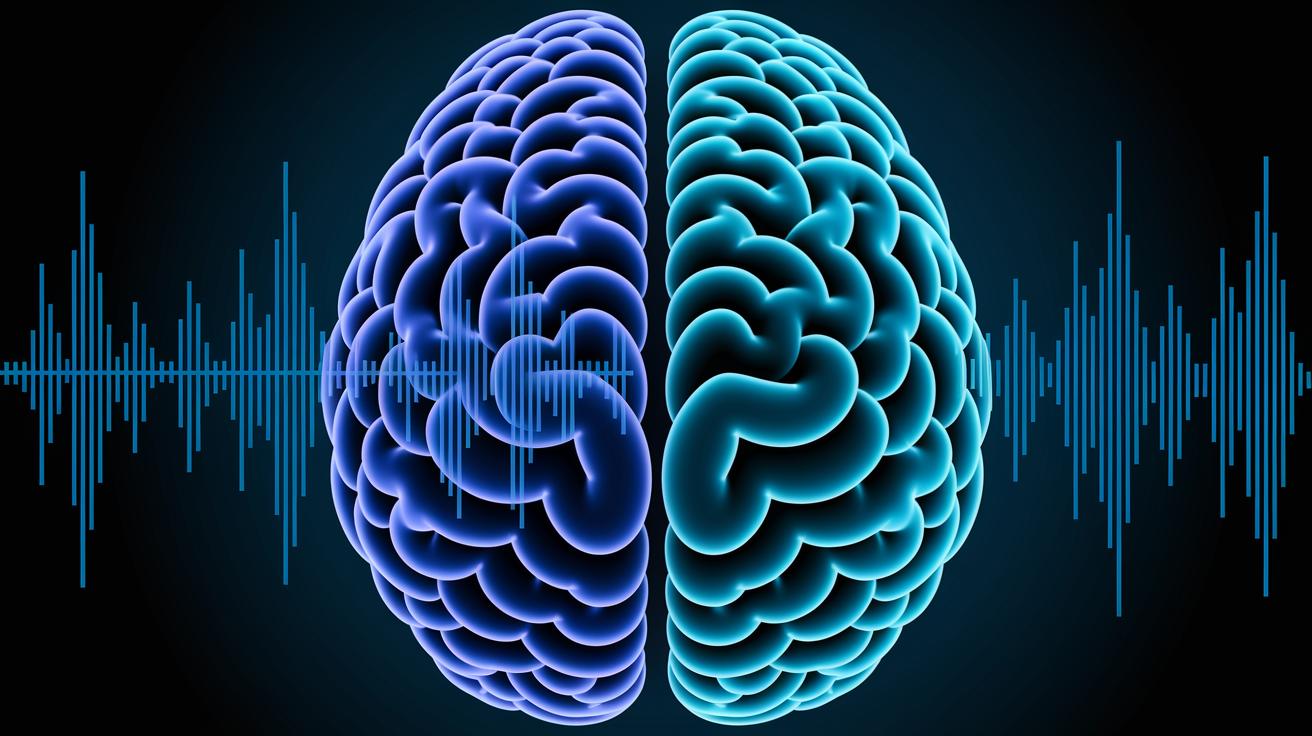
EEG tests show that our brains use different waves during light and deep sleep. In light sleep (stages 1-2 of non-rapid eye movement sleep), you mostly see theta waves and quick bursts called sleep spindles. Theta waves are slower signals that help your memory and thinking, while sleep spindles act like little reminders that support holding memories in place. Think of it as your brain easing into a more restful state.
In deep sleep (stages 3-4 of non-rapid eye movement sleep), the scene changes. Big, steady delta waves take over, meaning many brain cells are firing together. This teamwork helps repair your body and clear out brain waste (a process known as glymphatic clearance). These slow waves are key for fixing cells and keeping your brain connections balanced.
Simply put, light sleep sets the stage for good brain function by warming up your mind with theta waves and spindles. Deep sleep, on the other hand, works hard to restore your body and clean out toxins with its delta waves. Both sleep stages play a unique role in keeping you mentally sharp and physically healthy.
Final Words
In the action, this guide explained how light vs deep sleep works and why both are key for your nightly recovery. We broke down the differences, from sleep stages and tracking techniques to everyday tips for better balance. You learned that while light sleep helps with smooth transitions, deep sleep drives repair and memory consolidation. By following small, clear steps to improve your sleep routine, you can boost your energy and overall wellness. Enjoy taking those steps today for a more rested tomorrow.
FAQ
Q: How much deep sleep do you need overall and by age?
A: The daily deep sleep requirement varies with age. Adults typically need 1 to 1.5 hours, though younger people tend to have more and older adults naturally experience less deep sleep.
Q: What is the difference between core sleep and deep sleep, and how much core sleep do you need?
A: Core sleep includes the key restorative stages—often deep and REM sleep—that help your body recover. Adults usually need around 4 hours of these combined stages for proper mental and physical recovery.
Q: How much light sleep is normal?
A: Light sleep normally makes up about 50% of your sleep cycle, which translates to roughly 3 to 4 hours in a typical adult’s night of sleep.
Q: How can you get more deep sleep?
A: You can boost deep sleep by establishing a regular sleep routine, reducing screen time before bed, and creating a cool, dark sleep environment, which signals your body to rest more deeply.
Q: How much REM sleep do you need?
A: Most adults benefit from 90 to 120 minutes of REM sleep each night, a phase important for memory consolidation, emotional balance, and cognitive processing.
Q: Is deep sleep better than light sleep?
A: Deep sleep plays a vital role in physical restoration and memory consolidation, while light sleep supports creativity and easy transitions between sleep stages. Both are needed for complete nightly recovery.
Q: Why might your deep sleep be so little?
A: Having little deep sleep can be linked to lifestyle factors like stress or an irregular sleep schedule. Improving sleep habits and maintaining a consistent bedtime may help increase your deep sleep duration.
Q: Is it okay that most of your sleep is light sleep?
A: While light sleep aids rest and smooth stage transitions, an excess may leave you feeling unrefreshed. Balancing light sleep with ample deep and REM sleep is best for overall recovery.
Q: Is 30 minutes of deep sleep per night enough?
A: Typically, 30 minutes of deep sleep is below what is recommended for adults. Focusing on sleep quality through a consistent routine can help you achieve more restorative sleep each night.