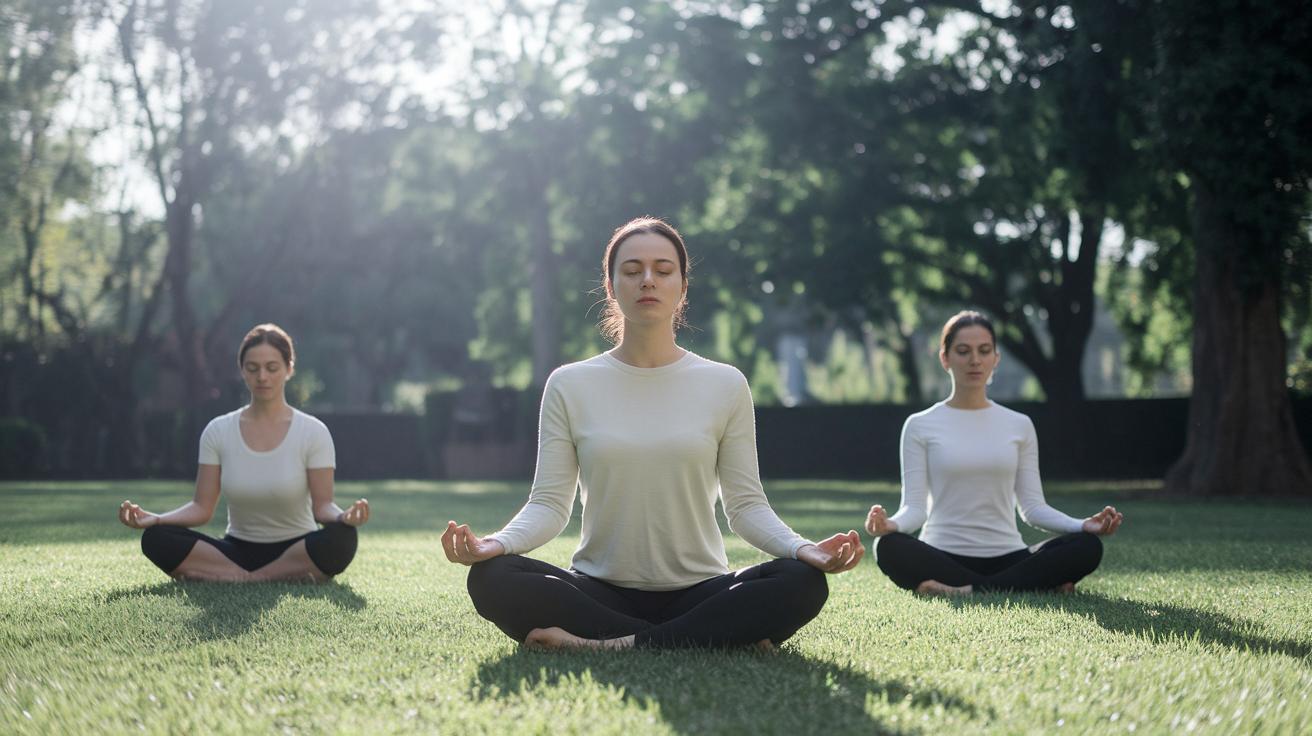
Ever notice your heart start to beat faster when you walk into a loud room? You’re not the only one. Social anxiety can make routine moments feel overwhelming, but there are simple ways to ease that tension. Try a quick breathing exercise, just a few slow, deep breaths can help calm your nerves before a meeting or class.
In this guide, we share clear, practical techniques designed to shift your focus away from anxious thoughts and bring you back to a place of confidence and calm. Give these small, easy habits a try today and notice the difference they can make.
Core Stress Reduction Skills for Social Anxiety
Social anxiety is more than just feeling nervous, it’s a strong fear of social or performance situations. Your body might react with a fast heartbeat, sweating, trembling, or even nausea. These signs can be tough to handle, but simple, evidence-based stress relief techniques can really help. For example, take a moment to notice, "I feel my heart slow down as I use this calming trick."
Try practicing these calming exercises every day. In about 4 to 6 weeks, you might notice a real difference. Start with one small strategy each day. Whether it’s deep breathing, gentle stretching, or a quick pause for mindfulness, these steps shift your focus from anxious thoughts to the present moment. Quick tip: Take 5 slow, steady breaths, in through your nose and out through your mouth, to help break the anxiety cycle.
Building a personal toolkit of stress relief skills means finding what works best for you and sticking with it consistently. You might even combine techniques into a simple routine before heading into a social setting. For instance, start with a brief focus exercise, then follow it with a physical relaxation method to ease tension.
Keep practicing these self-help techniques to gradually build your confidence. Change might not come instantly, but steady practice helps you feel more at ease over time. Small, consistent steps can reduce the intensity of social anxiety, opening up more opportunities to connect and grow.
Deep Breathing and Mindfulness Meditation for Social Anxiety Relief
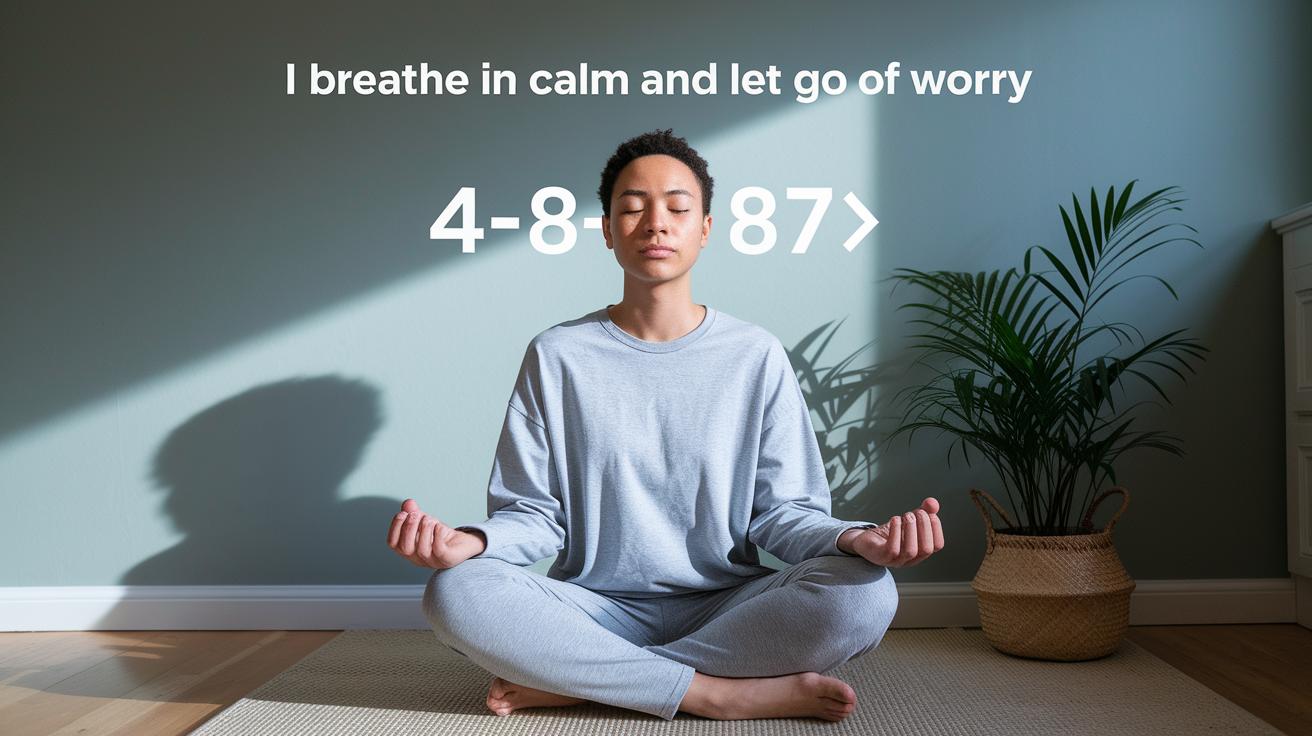
Start with the 4-7-8 breathing method. Breathe in slowly through your nose for 4 seconds, hold your breath for 7 seconds, and then gently exhale through your mouth for 8 seconds. This exercise can calm your body and ease tension quickly. You might even say quietly, "I breathe in calm and let go of worry."
Next, try a simple mindfulness meditation to help you stay in the present moment. Sit in a comfortable position, close your eyes, and focus on your breathing. Notice your chest rising and falling, and imagine your anxious thoughts drifting away like clouds. Count each breath if it helps, and whenever your mind wanders, kindly guide it back to the rhythm of your breathing. This technique, inspired by proven practices, can reduce physical tension by centering your focus on both your breath and body.
Below is a quick routine you can use before or during social events:
- Find a quiet space and sit up straight.
- Practice the 4-7-8 breathing exercise (inhale for 4 seconds, hold for 7 seconds, exhale for 8 seconds). (Learn more: Deep Breathing Exercises for Stress Relief)
- Spend a few minutes in quiet mindfulness, focusing just on your breath. (Discover more: Mindful Breathing for Anxiety)
Try this routine regularly to help ease anxiety during social moments and give your confidence a little boost.
Progressive Muscle Relaxation and Visualization for Social Anxiety
Progressive Muscle Relaxation (PMR) is a simple way to notice where your body holds tension. Start by tensing a group of muscles, like your fists, for about 5 to 10 seconds. Then slowly let go and feel the difference between tightness and relaxation. This helps you become more aware of the stress in your body.
After you finish relaxing your muscles, try guided imagery. Picture a place where you feel completely safe and calm, such as a quiet garden or a peaceful beach. Imagine sitting there, hearing gentle sounds, feeling the warm sun on your skin, and breathing in fresh air. Focusing on these details can help you feel more relaxed and boost your confidence before you face social situations.
Here is a quick routine to try:
- Find a comfortable, quiet spot.
- Go through PMR by tensing and then slowly relaxing each major muscle group.
- Switch to guided imagery by picturing your calm, safe space.
- Breathe slowly and let the feeling of calm fill you.
Try these steps before a social event to help ease your anxiety and feel more confident.
Cognitive Restructuring and CBT Techniques for Social Anxiety Stress

Cognitive restructuring is a handy tool that helps you spot and change negative thoughts fueling your social anxiety. When you catch yourself believing that everyone is judging you, pause and ask, "What real evidence do I have for this?" Write down the thought, note what happened, and list any facts that support or challenge it. With regular practice, you might see improvements in just 4 to 6 weeks.
Try using a simple worksheet with columns for the date, situation, automatic thought, emotion, evidence, and a balanced thought. For example, if you felt nervous speaking in a small group, you might record the thought "Everyone thinks I’m awkward" and then add evidence like a friend’s smile or kind comment that shows a different story.
Here’s a simple exercise to try:
- Write down what happened and your immediate thought.
- Note the emotion you felt (like nervousness or embarrassment).
- List any facts that support or contradict your thought.
- Come up with a balanced thought, such as "I may feel nervous, but I have had positive interactions before."
Practice this exercise after social encounters. Over time, building this toolkit of CBT methods can help you replace distorted ideas with balanced views and gradually break the cycle of social anxiety.
Gradual Exposure Skills to Overcome Social Anxiety
Building confidence in social situations is a gradual process that works best when you break things down into small, manageable steps. Start by making a list of social tasks ranked from least to most nerve-wracking. This simple method helps your brain see that these challenges aren’t dangerous, and over time, you’ll feel more assured.
Try creating your own exposure plan with these steps:
- Pick a situation that makes you just a little uneasy, like saying hello to a neighbor.
- Move on to a slightly more challenging task, such as having a quick, low-pressure chat at a coffee shop or in class.
- Role-play with a trusted friend to practice scenarios that seem intimidating, like giving a short, informal talk.
- Join a group therapy session or support group where real-life interactions feel safe and you can get helpful feedback.
- Finally, try more demanding tasks like presenting in a small meeting or striking up a deeper conversation with someone new.
Keep practicing these steps regularly. Even the smallest exposures can boost your confidence, one step at a time. Jot down your wins in a journal or on a note, it helps remind you of the progress you’re making. Over time, these little successes add up and make social interactions feel less overwhelming and more natural.
Lifestyle Habits to Support Stress Reduction in Social Anxiety
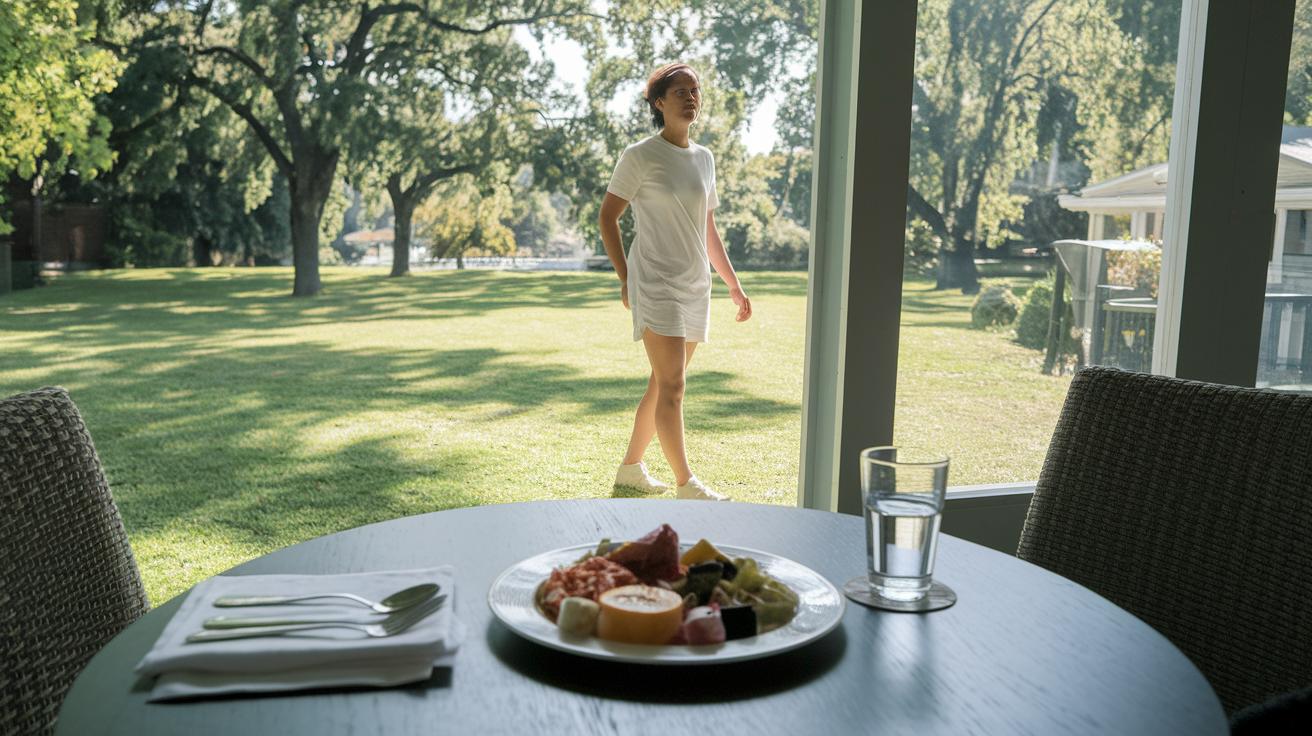
Regular movement, balanced meals, and a steady sleep routine can help boost your mental well-being and ease social anxiety. Even a simple 10-minute walk or a short home workout can relieve tension and lift your mood. Think of your daily brisk walk as a mini reset after a tough conversation.
Eating a healthy, balanced diet fuels your body and steadies your emotions. Try including fish, leafy greens, and whole grains in your meals, they provide nutrients like omega-3s, magnesium, and B-vitamins (all good for nerve function). Enjoy a colorful plate of food with a glass of water to keep your energy consistent throughout the day.
Good sleep habits are also a big help in reducing stress. Set a regular bedtime and create a calm, screen-free space to wind down. Whether it’s some gentle stretching or a few pages of your favorite book, these simple actions signal your body to relax and prepare for rest.
Here are some practical steps to get started:
- Build a regular move-it routine, whether it’s a walk, yoga, or another gentle exercise.
- Choose nutrient-packed foods and remember to drink plenty of water all day.
- Stick to a bedtime routine, cut back on screens before sleep, and add a relaxing pre-sleep habit.
Try these small changes today to manage stress better and feel more confident during social interactions.
Self-Help Tools, Apps, and Worksheets for Tracking Social Anxiety Progress
Printable worksheets are a simple tool to help you keep track of your social anxiety. They usually have columns for the date, the situation, any automatic negative thought you had, the emotion you felt, supporting evidence, and a more balanced thought. For example, if you felt uneasy during a group conversation one day, you could note that feeling and then add a positive thought like, "I've managed similar situations before." This process helps you spot patterns and see your progress over time.
Mobile apps can also be a great way to reduce stress. Many of these apps offer guided breathing exercises, muscle relaxation, and exposure activities, all with a feature to track your progress. You can set daily reminders to use these techniques, making it simple to add them to your routine. One useful app might even ask you to record your feelings after a brief breathing session to help you recognize what works.
Digital courses and online modules are another helpful resource. They break down lessons into clear, step-by-step instructions and include interactive exercises like video tutorials, quizzes, and digital worksheets. Following these lessons regularly can help you build a routine that eases your social anxiety.
- Use worksheets to write down your daily experiences.
- Use mobile apps to track your exercises and moods.
- Try interactive digital courses to build and reinforce what you learn.
Final Words
In the action, this post outlined simple yet effective techniques to ease social anxiety. We explored deep breathing, mindfulness, and muscle relaxation, along with visualization and CBT strategies that help challenge unhelpful thoughts. Gradual exposure methods and everyday habit adjustments round out a complete toolkit for feeling calmer in social settings.
Each tip builds toward steady progress. Adopting these stress reduction skills for social anxiety may lead to a more confident, balanced life. Keep taking small steps every day and celebrate each win.
FAQ
What are some effective coping skills for social anxiety?
Effective coping skills for social anxiety include CBT worksheets, deep breathing, mindfulness, and gradual exposure. These tools empower you to reframe anxious thoughts, build confidence, and improve daily social interactions.
How can I overcome social anxiety fast and reduce stress?
Overcoming social anxiety fast involves using immediate tools like the 4-7-8 breathing technique and quick mindfulness drills. Consistent practice helps shift your focus from fear to calm in social situations.
What is the 3-3-3 rule for anxiety?
The 3-3-3 rule shifts your attention by having you name three things you see, three sounds you hear, and three body sensations you feel, grounding you in the present moment.
How do I manage social anxiety in public and at work?
Managing social anxiety in public and at work means using CBT to challenge negative thoughts, practicing calming breathing exercises, and gradually facing social tasks to boost confidence across settings.
How is CBT used for social anxiety?
CBT for social anxiety involves identifying and reworking negative thought patterns. By using structured worksheets and thought challenges, you can replace anxious beliefs with balanced perspectives to ease mental strain.