
Have you ever considered that a simple check might make all the difference? Just like spotting a tiny crack before a wall crumbles, noticing a small change in your breast can catch cancer early and open the door to easier treatments. Early detection helps your doctor act quickly and gives you a real sense of control and hope. This small, regular check can turn a scary situation into a challenge that you can manage, saving lives along the way.
Essential Methods for Breast Cancer Early Detection
Catching breast cancer early can save lives. Noticing slight changes in your breast can lead to simpler treatments and better outcomes. When you know how your breast normally feels and looks, you can spot small differences quickly. Regular check-ups and imaging tests help keep track of these changes.
Modern imaging uses advanced X-rays to capture clear details of breast tissue. A screening mammogram is a quick, usually comfortable scan that checks for unusual masses or tiny spots (calcifications). If something seems off, a diagnostic mammogram lets your doctor take a closer look. Experts from ACOG suggest starting routine screenings at age 40, while the American Cancer Society recommends annual screenings for women between 45 and 54. These tests help monitor your breast tissue over time.
Try these steps for early detection:
- Self-check: Regularly feel for any new lumps or changes in texture.
- Clinical exam: Have a healthcare provider check your breasts during routine visits.
- Screening mammogram: Use X-ray scans to catch early signs even if you have no symptoms.
- Diagnostic mammogram: Get detailed imaging if an abnormality is found.
- Ultrasound: Use additional scanning for dense breast tissue.
- MRI: Consider extra imaging for clearer views in high-risk cases.
Following these screening routines can make a big difference. Research shows that women who stick to regular mammograms tend to have lower mortality rates and better long-term health. Keeping up with self-checks, clinical exams, and imaging tests means doctors can catch subtle signs early. This timely detection can reduce the need for more aggressive treatments and empower you to be active in your healthcare, leading to a longer, healthier life.
Recognizing Early Breast Cancer Warning Indicators
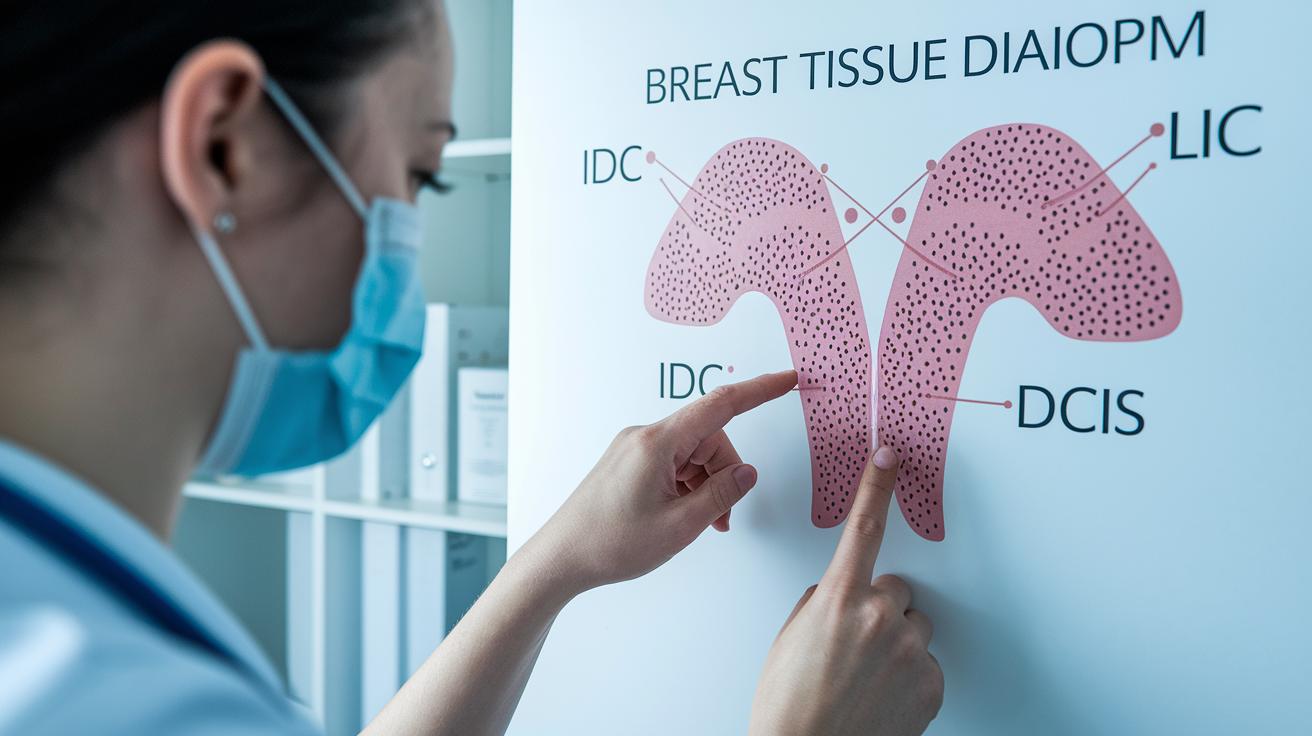
Breast cancer most often shows up as invasive ductal carcinoma (IDC) or invasive lobular carcinoma (ILC). These cancers start as tiny, unusual growths that imaging tests can spot before you even feel a lump.
There's also a type called ductal carcinoma in situ (DCIS). This condition stays in one place and doesn’t invade surrounding tissues. Routine scans often catch DCIS early, which can help prevent more serious issues later.
Inflammatory breast cancer can look a bit different. You might not feel a clear lump. Instead, you could see redness, swelling, or changes in your skin. These signs might seem like an infection, so it’s important to get checked out if you notice them.
Watch for small changes like a shift in your breast shape, changes in skin texture, the nipple turning inward, or unusual discharge. Spotting these signs early means you can visit your doctor sooner, which can lead to treatments that are easier to manage.
Mammography and Imaging in Breast Cancer Early Detection
Mammograms create clear X-ray images of your breast tissue to catch any red flags before you even notice a change. Screening mammograms look at the whole breast, while diagnostic ones zoom in on areas that might need a closer look. Digital 3D mammography uses layered images, much like a switch from a flat map to a 3D model, giving a clearer look at potential issues.
| Age Group | Screening Frequency | Notes |
|---|---|---|
| 40-44 | Annual | Digital tools boost imaging accuracy. |
| 45-54 | Annual | New imaging methods are part of regular checks. |
| 55+ | Every 2 years | Advanced imaging supports clear biennial screenings. |
Ultrasound and MRI are extra help for women with dense breasts, where regular X-rays might miss details. It's like adjusting your camera to capture sharper features. These tools ensure you get the best view possible of your breast health.
Breast Cancer Early Detection Through Self-Examination

It’s best to get familiar with how your breasts normally look and feel rather than sticking to a strict monthly routine. This way, you can spot any changes early. Look for local events and educational guides during Breast Cancer Awareness Month, they offer simple, practical tips for keeping an eye on your breast health.
Step-by-Step Self-Exam Procedure
- Stand before a mirror. First, check your breasts with your arms down. Then, raise your arms and place your hands on your hips. Watch for differences in shape, any dimpling, or unevenness.
- Move on to feeling your breasts. Using a method like a vertical strip or circular pattern, gently press your fingers over all areas. Do this while standing and lying down. Use light to medium pressure, enough to feel deeper tissue without causing discomfort.
- Write down any new lumps, changes in skin texture, or odd sensations. If you notice any differences from what’s normal for you, set up an appointment with your healthcare provider as soon as possible.
Risk Stratification and Breast Cancer Early Detection
Women are naturally at a higher risk for breast cancer. If you are a woman, especially over 50 or with a close family member who has had breast cancer, your risk goes up. Knowing about these factors can help you plan regular screenings to catch any changes early.
Also, roughly 5% to 10% of breast cancers come from inherited gene changes like BRCA1 and BRCA2 (these are mutations passed down in families). This information is key for anyone with a family history of cancer.
Your overall risk is shaped by your genes, family history, and lifestyle choices. Health care teams use these clues to create a clear picture of your risk and decide who might need extra attention. By setting up screening schedules that match your personal risk, doctors can focus on spotting early signs and provide the right care when you need it.
Taking these preventive steps not only helps with early detection, it can also lead to better treatment outcomes. Understanding your risks means you can take charge of your health and feel empowered. This smart, risk-based approach offers a hopeful path toward a healthier future.
High-Risk Protocols in Breast Cancer Early Detection

Women are at high risk if they have a personal or family history of breast cancer, especially when a close relative has been diagnosed or if they carry gene mutations like BRCA1 or BRCA2. Other factors include dense breast tissue or past atypical cell changes that might signal an increased risk. Finding these signs early helps doctors set up a screening plan that fits your needs.
Genetic tests can offer important insights for creating a personalized early detection plan. If you have a strong family history or known gene mutations, these tests can guide you and your healthcare team in arranging genetic counseling and planning a screening schedule that starts sooner and runs more often.
Experts from groups like NCCN and ACOG suggest adding extra imaging tests, such as MRI or ultrasound, to a regular mammogram for high-risk women. These tools work well for those with dense breast tissue or other risk factors, helping improve early detection.
Mobile screening services are also reaching out to communities, especially underserved ones. These programs offer cost-effective ways to use available resources and ensure that high-risk women receive the timely care they need.
Impact of Early Detection on Breast Cancer Survival Outcomes
Spotting breast cancer early can really change how treatment works. When it's caught before you even notice symptoms, the treatments tend to be gentler and more effective.
Studies show that if the cancer stays in one area, nearly 95 out of 100 people can live for at least five years. Regular screening can catch the problem sooner and may cut deaths from breast cancer by as much as 40%. These facts highlight how early detection can turn a hard diagnosis into something more manageable.
An early diagnosis is key. It lets your healthcare team create a personalized plan by combining the expertise of surgeons, cancer doctors (oncologists), and others. This team approach not only improves long-term health outcomes but also builds your confidence in managing the condition. Working together, these experts can plan thorough follow-ups and extra preventive care.
When clear staging goes hand in hand with coordinated care, survival rates improve significantly. Focusing on early detection gives patients a better chance at a longer, healthier life. In short, timely screening makes all the difference.
Final Words
In the action, we reviewed key steps for breast cancer early detection. The article covered essential imaging techniques, self-check routines, and risk assessments. We highlighted the role of screening mammograms and supplemental tests in spotting changes early.
Small changes, like regular self-awareness, can make a big difference in managing risk. Each tip builds on clear guidelines from trusted sources. Keep using these strategies to feel confident and proactive about your health. Here's to making every day a safer and healthier day.
FAQ
Early detection of breast cancer survival rate
The early detection of breast cancer improves survival outcomes. Studies show that when detected early, the five-year survival rate can exceed 95%, highlighting the importance of regular screening.
How to detect breast cancer early at home
The early detection of breast cancer at home involves becoming familiar with your normal breast look and feel. Regular self-checks can help you notice any unusual lumps or changes to discuss with your doctor.
Blood test for breast cancer detection
The blood test for breast cancer detection is not commonly used for screening. Instead, detecting tumors relies on imaging methods like mammograms, while lab tests may help confirm a diagnosis by checking for tumor markers.
Breast cancer early detection treatment
The early detection treatment for breast cancer focuses on treating the disease at an initial stage. Swift intervention using surgery, radiation, or medications can lead to more effective outcomes when cancer is caught early.
Breast cancer early detection statistics
The breast cancer early detection statistics reveal that timely screening improves outcomes. For instance, early-stage detection typically results in a five-year survival rate above 95%, which significantly lowers the risk of mortality.
At what age is early detection of breast cancer recommended in your country
The early detection of breast cancer is generally recommended to begin at age 40 according to groups like ACOG, while some guidelines advise between ages 45 and 54, depending on individual risk factors.
Breast cancer diagnosis timeline
The breast cancer diagnosis timeline usually starts with routine screenings and can progress to further imaging or biopsies if an abnormality is found. This process can take from a few days to several weeks for confirmation.
Laboratory test for breast cancer
The laboratory test for breast cancer typically involves examining tissue samples for cancer cells or tumor markers. These tests are key for confirming a diagnosis and determining the most effective treatment plan.
What is considered early detection for breast cancer?
Early detection for breast cancer means identifying tumors when they are small and localized, often before symptoms appear, which makes treatment less invasive and more successful.
What is the earliest detection of breast cancer?
The earliest detection of breast cancer occurs through screening methods like mammograms, which can identify very small tumors that are not yet palpable, allowing for prompt treatment.
What is the survival rate for early detection breast cancer?
The survival rate for early detection breast cancer is very encouraging, with localized cases showing a five-year survival rate of over 95%, emphasizing the value of regular screening.
Is breast cancer curable if detected early?
The early detection of breast cancer often leads to effective treatments, making many early-stage cancers highly treatable and, in many cases, curable. Treatment success depends on individual factors and cancer type.