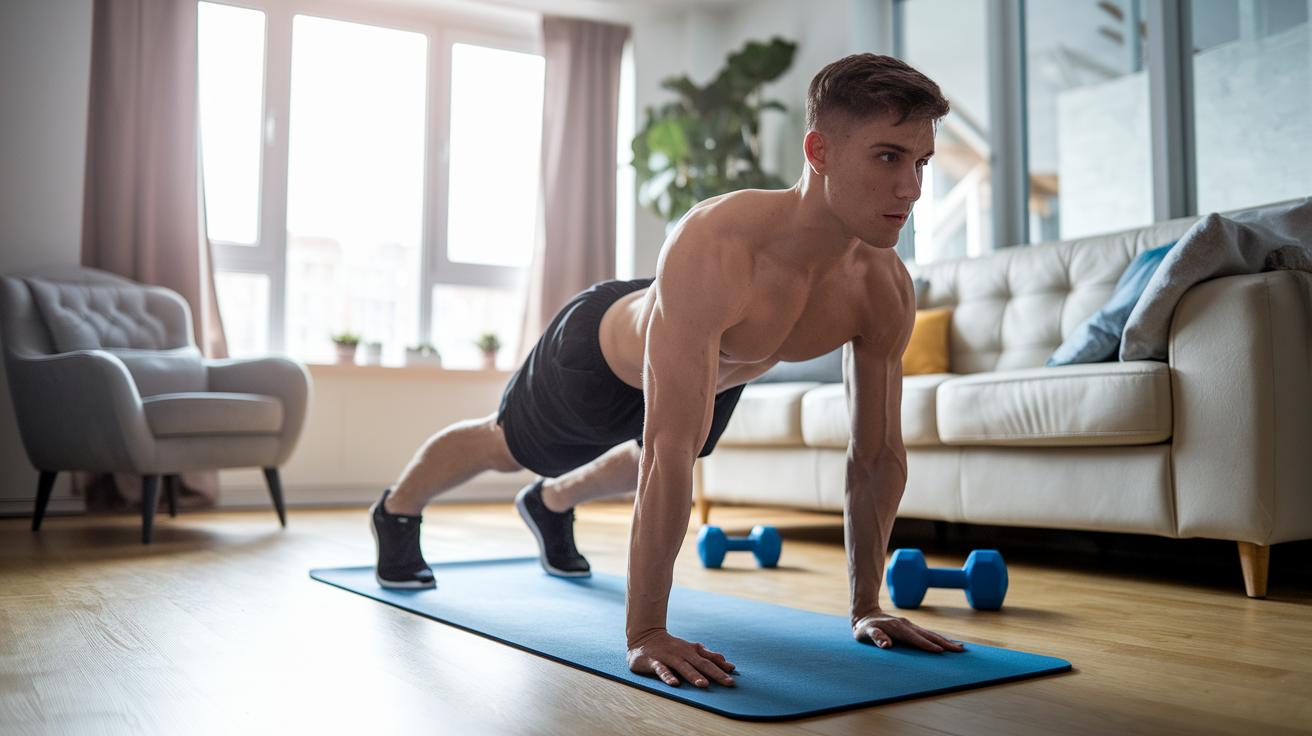
Ever wondered if you could boost your energy with a quick home workout? Try HIIT (High-Intensity Interval Training) , it means short bursts of hard work followed by brief rests. You can get a powerful session without a gym membership or long hours.
Even if you're just starting out, simple moves like jumping jacks and squats can kickstart your heart rate and get your blood flowing. This approach not only builds endurance but also gives you a quick energy boost when you need it most.
Ready to add a burst of energy to your day? Give a HIIT session a try!
Starting Your Home-Based HIIT Workout Plan
Quick take: HIIT is a simple, time-saving workout that mixes quick bursts of energy with short breaks. It’s great for beginners and perfect for exercise at home. Pick moves that feel safe for you, like jumping jacks, gentle push-ups, or squats.
-
Warm-Up
Take about 5 minutes to wake your muscles. You can march in place or do a light jog at home. Add some arm circles to get your joints ready. -
The Tabata Routine
Try a Tabata approach: work hard for 30 seconds, then rest for 10 seconds, and repeat that cycle 8 times. For example, do fast-paced squats for 30 seconds, then rest for 10 seconds. This method boosts your heart rate and helps burn calories fast. -
Expand Your Session
When you’re comfortable with a 4-minute round, mix in other exercises to stretch your workout to 15–20 minutes. For instance, alternate mountain climbers with jumping jacks. Changing moves keeps things interesting and works different muscles, building both strength and endurance. -
Cool Down
After your rounds, take a few minutes to stretch gently. Focus on the muscles you worked. If needed, you can choose easier moves or take longer breaks to cool down safely.
Remember, start small and gradually build up your stamina. And here’s a fun fact: a 15-minute HIIT session can burn more calories per minute than a 40-minute steady jog. Enjoy your workout and adjust as needed!
Warm-Up and Cool-Down for Beginner Home HIIT
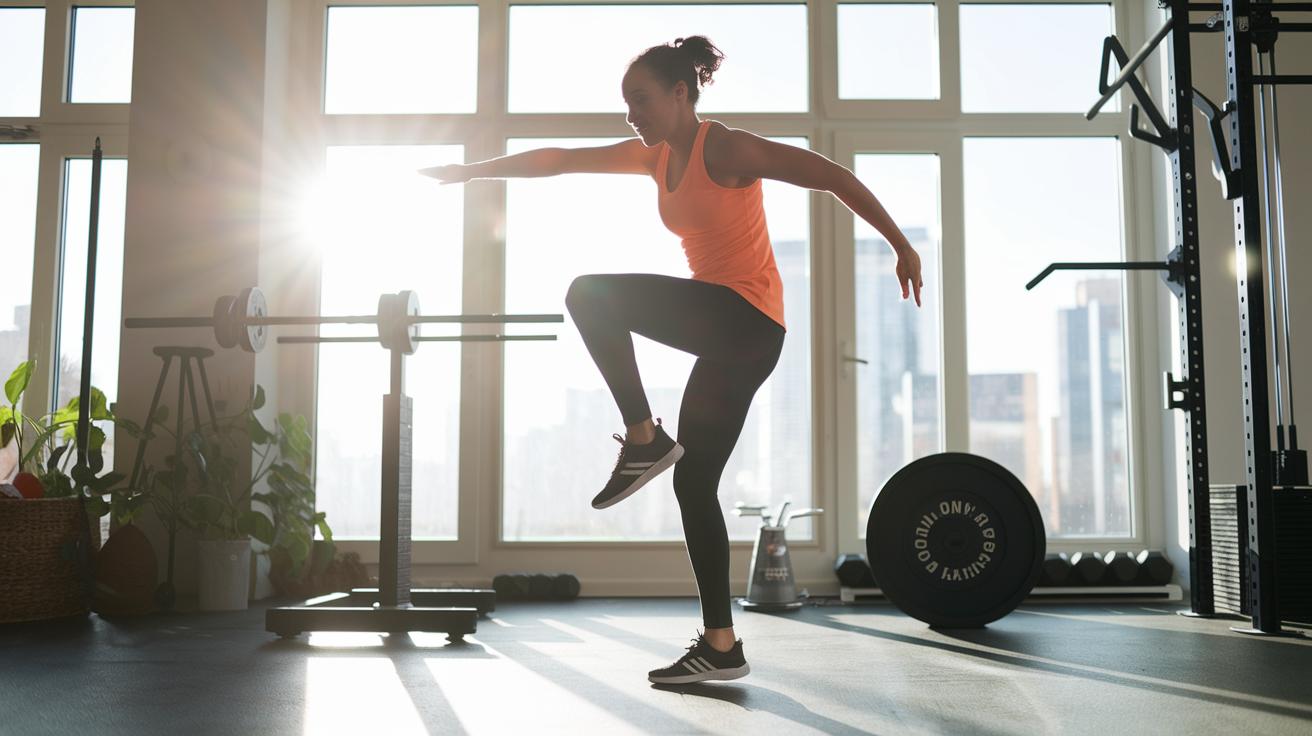
Before you begin your HIIT routine, spend 5–10 minutes on light cardio. Try jogging in place, doing high knees, or briskly marching around your room. Add leg swings or arm circles, like swinging one leg forward and back gently, to help warm up your muscles.
Next, do some dynamic stretches such as hip openers. These moves get your joints moving and boost blood flow, which helps set a strong foundation for your workout.
After finishing your HIIT session, cool down with 5–10 minutes of static stretches. Hold each stretch for 15–30 seconds to ease muscle tension and lower your heart rate. Focus on major muscles like your quads, hamstrings, calves, chest, and shoulders. For example, stand and lean forward from your hips to stretch your hamstrings, imagining a slow, gentle pull.
Following this warm-up and cool-down routine every time you exercise will help prepare your body for intense intervals and support your recovery, making your home workout both safe and effective.
No-Equipment HIIT Exercises for First-Timers
These workouts use only your body and are kind to your joints while getting your heart pumping. They’re perfect if you’re just starting out and want a quick energy boost without any extra equipment.
Try these exercises:
- Jumping jacks: Stand straight and quickly spread your arms and legs. If that's too intense, try stepping out one foot at a time while swinging your arms.
- Mountain climbers: Start in a high plank position (similar to a pushup) and bring one knee toward your chest at a time. For a lower-impact option, slow down the movement and gently tap the floor.
- Butt kickers: Jog in place, lifting your heels up toward your backside. This move gets your legs working and boosts your heart rate.
- Squat jumps: With your feet about shoulder-width apart, perform a squat and then jump up quickly. For an easier version, do a slow, controlled squat instead.
- Push-ups: Keep your body in a straight line from head to toe. Beginners can bend their knees on the floor to make it easier while still working the core.
- Lunges: Step forward and lower your body until your front knee forms a 90-degree angle. This helps protect your joints and strengthens your leg muscles.
- Scissor kicks: Lie on your back and alternate crossing your legs over each other at a steady pace.
- Plank jumps: While holding a plank, jump your feet wide and then back together. To reduce the impact, step one foot at a time instead.
- Russian twists: Sit down with a slight lean backward and twist your torso slowly from side to side.
- Bicycle crunches: Lie on your back and alternate touching your elbow to your opposite knee in a smooth, cycling motion.
Rotate through these exercises in set time intervals to keep your heart working hard. For more ideas on bodyweight workouts you can do at home, visit bodyweight workouts at home.
Structuring HIIT Intervals: Timing and Weekly Schedule
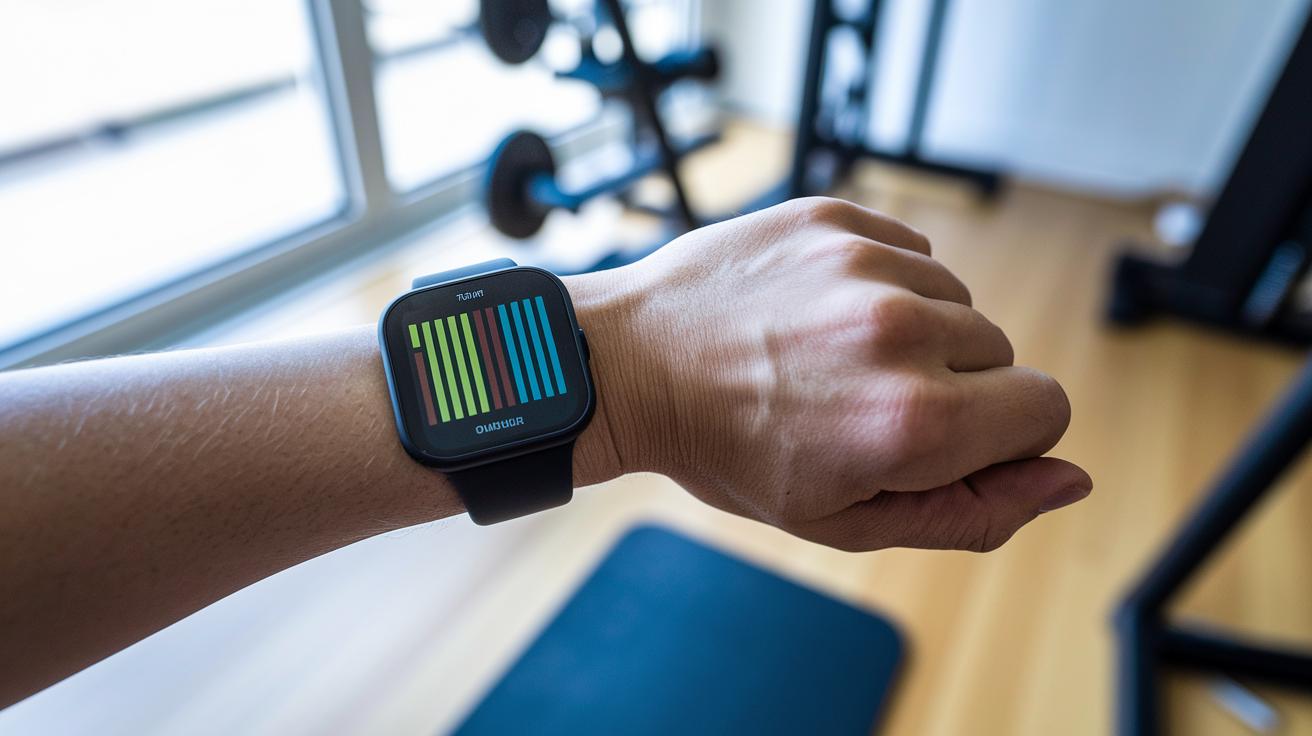
Quick take: Set clear work and rest intervals to fuel steady progress while avoiding burnout. A popular method is to work for 30 seconds and rest for 10 seconds (commonly called the Tabata method). If you feel stronger, try 40 seconds of work paired with a 20-second recovery. These simple timings keep your heart working hard during exercise and give you a brief break to catch your breath.
When you’re just starting out, aim for three sessions each week. Make sure to take at least one full day off between workouts so your muscles can recover. You can also rotate your focus, try a full-body workout one day, cardio the next, and then a session for core and lower-body strength. This variation helps prevent overuse and boosts overall fitness.
| Day | Focus | Duration | Work/Rest Ratio |
|---|---|---|---|
| Monday | Full Body | 15 minutes | 30/10 |
| Wednesday | Cardio Blast | 15 minutes | 40/20 |
| Friday | Core & Lower Body | 15 minutes | 30/10 |
Plan your sessions ahead, adjust the timings as you get fitter, and always listen to how your body feels.
Safety Guidelines and Modifications for At-Home HIIT
Stay safe by focusing on your form with every move. When you do squats or lunges, keep your knees in line with your toes and your back straight. For moves like the plank, hold a neutral spine to protect your lower back.
If you need a gentler workout, try these joint-friendly tips: Instead of jumping during high-impact moves, step out slowly or march in place. Slow down your mountain climbers until the pace feels right, and swap out intense moves for easier versions. For example, if jumping jacks feel too hard, start slowly and gradually pick up the speed as your body adjusts.
Listen to your body and take breaks whenever you feel discomfort. It’s okay to slow down and focus on doing each move correctly. Remember to drink water throughout your workout and check with your doctor before starting a new exercise routine, especially if you have any health concerns. These small adjustments help protect your joints and make your at-home HIIT session both safe and effective.
Optional Equipment to Enhance Your Home HIIT Sessions

If you're looking to spice up your HIIT workout at home, consider adding a few simple tools. For example, resistance bands offer extra pull during squats or push-ups, helping you build strength faster. Lightweight dumbbells also work well for upper-body moves like shoulder presses, letting you challenge yourself without a full gym.
An interval-timer app can streamline your session by switching automatically between work and rest periods. This way, you can focus on your moves and keep good form. All you need is a clear space about 6×6 feet (2×2 meters) to move safely.
These options let you stick with a simple bodyweight routine or boost your workout for an extra metabolic kick. Make sure any gear you use helps you work efficiently while keeping your movements controlled. For some ideas on using resistance bands at home, visit this resource.
Tracking Progress and Staying Motivated with Home HIIT
Keep a simple workout log. Write down the exercise you did, the work and rest times, and how hard each round felt. For example, you might record: "Today: 30-second work/10-second rest with mountain climbers; effort level 7 out of 10." This record helps you see your progress over time.
Set small goals for steady improvement. You could add 5–10 seconds to your work period each week or add an extra round when you’re ready. Writing down your progress not only shows how far you’ve come but also highlights the exercises that make you feel great. Seeing this progress can boost your motivation to keep going.
To build a balanced routine, consider adding two days of strength training along with your HIIT workouts. Jot down details like changes in weights or repetitions. These small notes help keep you consistent and energized for your high-intensity home workouts.
Final Words
In the action: this post guides you through safe, effective HIIT workouts at home for beginners. It covers warm-up routines, straightforward no-equipment exercises, interval setting, and cool-down stretches.
You now have a clear, step-by-step plan to boost cardiovascular health and build strength. With smart modifications and progress trackers, each session helps you feel stronger and more confident.
Keep up the routine and enjoy the benefits of a healthier, more energized day.
FAQ
What does a HIIT workout plan for beginners PDF include?
The HIIT workout plan PDF includes clear intervals, exercise descriptions, and modifications designed to guide beginners through safe, effective high-intensity routines at home.
What should females know about HIIT workouts at home for beginners?
The HIIT workouts designed for women offer routines that consider unique strength and flexibility needs, incorporating low-impact moves and modifications to build confidence and endurance at home.
What are some HIIT workouts at home for beginners with no equipment?
HIIT workouts with no equipment use bodyweight moves like jumping jacks, lunges, push-ups, and mountain climbers, offering accessible routines that elevate heart rate safely in a home setting.
How do HIIT workouts at home differ for beginners using weights?
Incorporating weights into HIIT routines adds resistance through light dumbbells or bands, increasing muscle tone and challenge while still following the short-burst interval structure ideal for at-home workouts.
What defines a full body HIIT workout for beginners at home?
A full-body HIIT workout targets multiple muscle groups using moves such as squats, push-ups, and lunges, providing balanced cardiovascular and strength benefits while allowing modifications to meet individual fitness levels.
How can beginners over 50 approach HIIT workouts safely at home?
HIIT routines for those over 50 focus on low-impact exercises, controlled movements, and longer rest intervals to build cardiovascular and strength improvements safely while listening to the body’s signals.
What should be included in a 30-minute HIIT workout for beginners?
A 30-minute HIIT session typically starts with a warm-up, follows with several intervals of high-intensity exercises paired with brief rests, and concludes with a cool-down and stretching to aid recovery.
What is a good HIIT routine for beginners?
A recommended routine starts with a warm-up, then uses the Tabata method—30 seconds of work followed by 10 seconds of rest—across different exercises, repeated for a manageable duration while ensuring safety.
How long should a HIIT workout be for beginners?
Beginners should aim for HIIT sessions lasting 15–20 minutes including warm-up and cool-down, which is enough to boost heart rate, burn calories, and gradually build overall endurance.
Is a 20-minute HIIT workout enough for beginners?
A 20-minute HIIT workout is sufficient to increase heart rate, burn calories, and improve fitness, offering an efficient routine for those starting with high-intensity training at home.
Should beginners incorporate HIIT workouts into their routine?
Beginners can benefit from HIIT workouts by starting slowly, using a structured routine, and adapting intensity levels to their fitness, ensuring gradual progress and safe exercise habits.
How do HIIT, the Tabata protocol, Pilates, Zumba, and Dance compare for beginners?
HIIT and Tabata focus on short, intense intervals with rests, while Pilates builds core strength and Zumba or Dance offer rhythmic cardio sessions, giving beginners varied options based on their personal fitness goals.