Have you ever thought that your daily choices could benefit both you and our planet? Today’s sustainable wellness trends mix earth-friendly habits with smart tech tools in easy, everyday ways. Imagine meal plans that adjust to your needs with the help of simple digital tools or workouts designed to match your natural energy flow. These small shifts in your routine can add up to a greener, healthier future for everyone. Why not try one small change today and see how it can make a difference for you and the earth?
How Sustainable Wellness Trends Are Shaping Eco-Conscious Health
There are eight emerging trends for 2025 that blend eco-friendly design with smart technology. One trend uses AI-powered tools to create workout and meal plans that feel tailor-made for you. Picture getting a custom meal plan in just a few minutes, perfect for a busy day.
Another trend highlights the gut microbiome. Healthy bacteria not only help your digestion but may also lift your mood. Try methods like Pilates breathing and gentle exercises; these can activate a key nerve (the vagus nerve) to help manage stress and keep your body balanced.
Cycle syncing is another smart approach. This method aligns your exercise, meals, and sleep with your natural hormonal shifts so you save energy and work with your body’s rhythm.
Inclusive fitness spaces are also on the rise. These facilities combine eco-friendly equipment with layouts that everyone can use easily, making fitness accessible for all.
Short bursts of activity, or micro-workouts, are proving to be a great solution for hectic schedules. These quick sessions fit easily into your day without needing a lot of time or special equipment.
Recovery is getting a green upgrade too. Contact-free methods such as infrared saunas, cryotherapy (cooling treatments), contrast therapy (alternating heat and cold), PEMF technology (pulsed electromagnetic fields), and compression equipment help ease muscle soreness while cutting down on environmental waste.
Sustainable wellness overall is about making smart, earth-friendly choices. Designs that lower waste and save energy encourage us to take steps that are both healthy for our bodies and kind to the planet.
Together, these eight trends are carving out a future where health is greener and more practical. They offer simple ways to live responsibly and help you feel better every day. For more insights, check out industry forecasts on wellness trends.
Sustainable Nutrition through Plant-Based Diets and Organic Superfoods
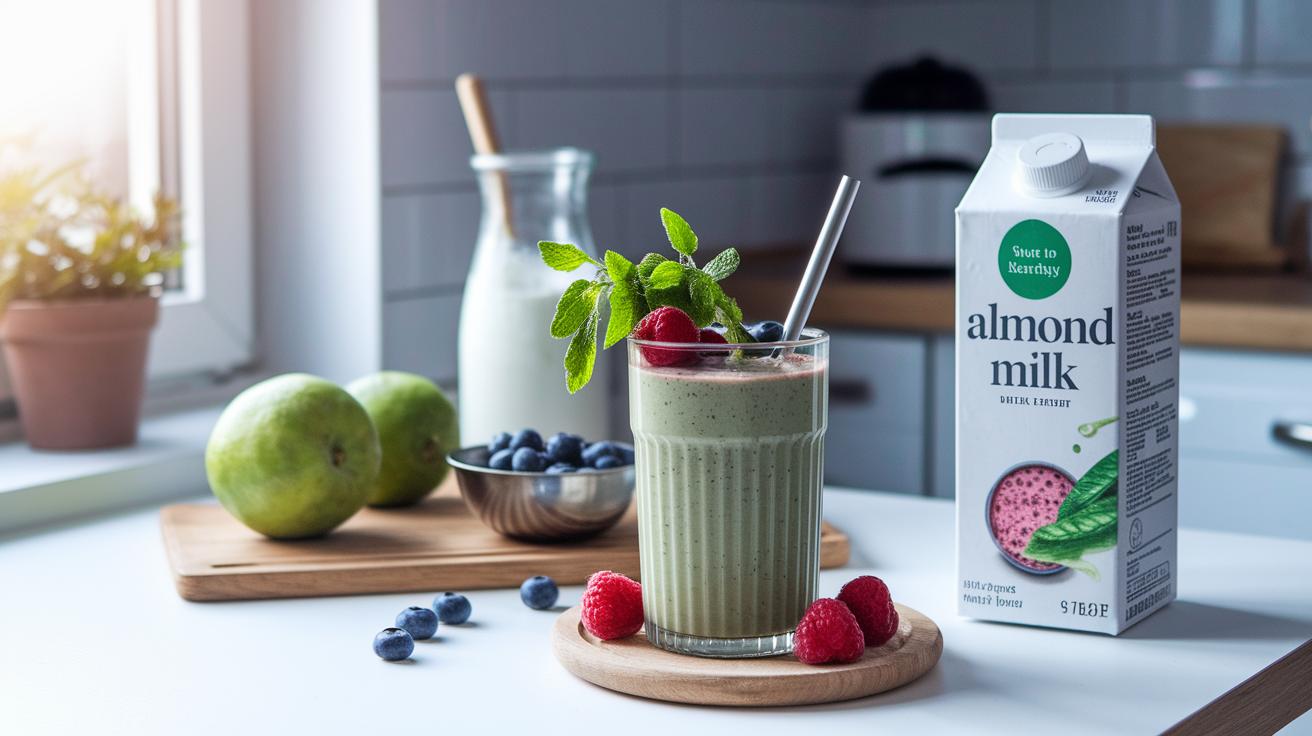
Plant-based eating mixed with organic superfoods sets a green and healthy base for your daily wellness. Smart nutrition apps can whip up a plant-powered meal plan in minutes, giving busy folks more time to focus on what matters. Picture starting your day with a smoothie made just for you: blend 1 cup (240 ml) almond milk, a handful of spinach, a few blueberries, and a teaspoon of spirulina for an energizing drink. It’s a delicious way to care for your body and the planet.
These handy tools use smart algorithms to understand your nutritional needs. They look at what you like to eat and how many calories you need, planning meals that are both tasty and good for you. This approach helps lower greenhouse gas emissions from eating less meat and boosts local organic farms that use fewer chemicals.
- Save time with smart meal suggestions.
- Help eco-friendly farms thrive.
- Enjoy recipes that celebrate pure, real ingredients.
Using AI to plan your meals shows that moving toward organic superfoods and plant-based diets isn’t just a health choice, it’s a step toward a greener, kinder world.
Eco-Friendly Self-Care with Contact-Free Recovery Technologies
Infrared saunas and cryotherapy provide a green way to recover, and new information shows they also save energy. One wellness center found that its infrared sauna used up to 30% less power compared to older models. One user said the session not only relaxed tight muscles but also felt good knowing they were using less energy.
Some sports clinics now mix contrast therapy with PEMF (pulsed electromagnetic field) and compression techniques. They saw recovery times drop by 10-15% while cutting energy costs. One sports fan shared that workouts felt easier to bounce back from and appreciated the energy-saving benefits.
| Technology | Energy Use Comparison | User Feedback |
|---|---|---|
| Infrared Sauna | Up to 30% less energy | “Feels soothing and eco-friendly.” |
| Cryotherapy | 20% lower consumption | “Noticeable recovery boost.” |
| PEMF & Compression | Energy-efficient design | “Improved recovery with less waste.” |
• Check energy usage info when picking recovery gear.
• Speak with your local wellness center about their energy-saving designs.
• Try combining methods for faster recovery and improved sustainability.
Look at real user stories and energy data to create a recovery routine that's both effective and eco-friendly.
Green Fitness Routines with Micro-Workouts and Inclusive Wellness Spaces

Micro-workouts are quick exercise bursts that fit right into your busy day. You might do a three-minute set of jumping jacks during a break or take two minutes to stretch at your desk. These small sessions can boost your energy and naturally blend into your schedule.
New wellness spaces now use recycled fitness gear and open layouts that work for everyone. In one studio, you’ll find dumbbells made from recycled materials and eco-friendly treadmills in bright, open areas. Here are a few ideas:
- Try a three-minute bodyweight routine in a spacious, accessible area.
- Use recycled equipment that supports all fitness levels.
- Enjoy zones designed to welcome individuals of every ability.
By mixing short, effective workouts with sustainable and inclusive designs, these green fitness routines help you stay active while caring for the planet. One club member explained, "A quick, focused session fits my schedule and makes me feel truly included."
Mindful Breathing and Vagus Nerve Activation in Sustainable Wellness
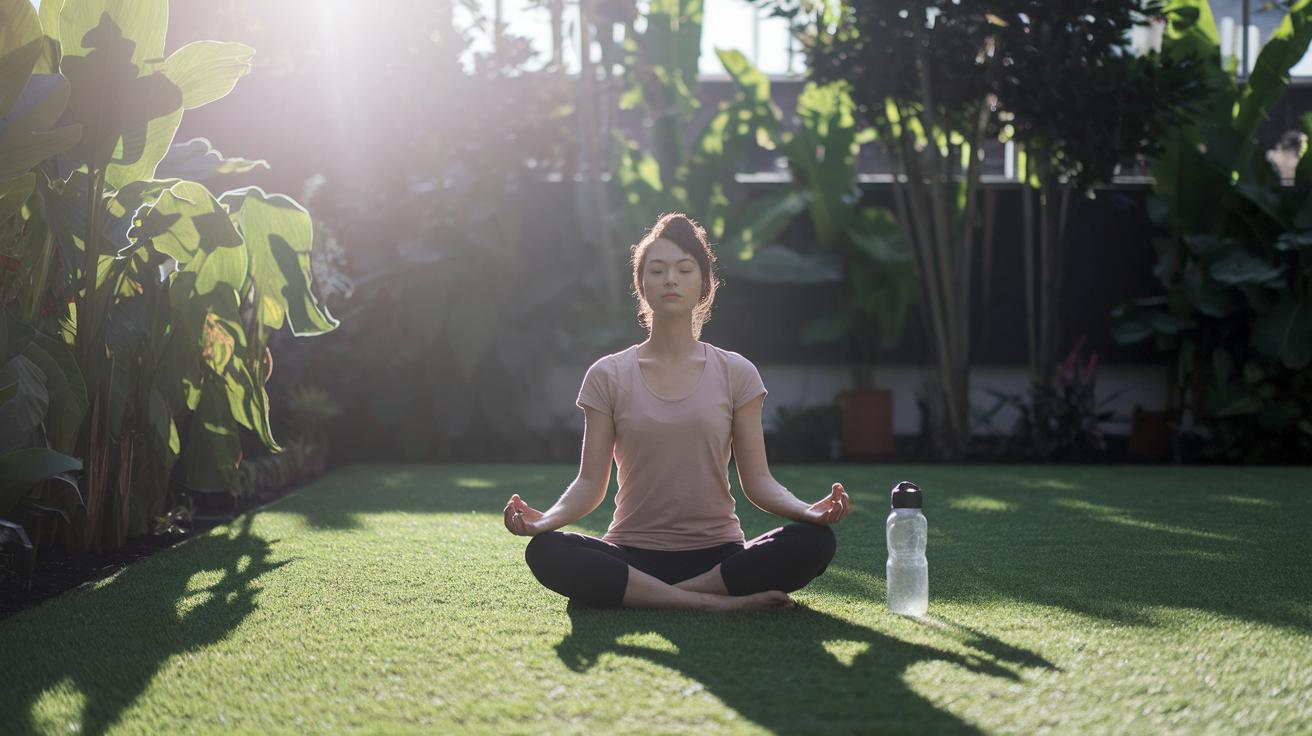
Mindful breathing helps bring your body and mind into balance. Using Pilates-inspired techniques, you take deep, controlled inhales and slow, steady exhales to activate your vagus nerve (a nerve that helps lower stress and support overall health). This simple practice strengthens the connection between your mind and body, making daily stresses easier to manage and setting up a solid path for mindful living.
Try this step-by-step approach: sit comfortably with your back straight. Breathe in slowly for 4 counts, hold for 2 counts, then exhale gently for 6 counts. Pay attention to how your body feels, after a few cycles, you may notice less tension and a sharper focus.
- Take slow, deep breaths to invite calm.
- Practice this breathing exercise for a few minutes every day.
- Allow this routine to gradually boost your ability to handle stress.
Regular practice can help you stay centered during tough moments and build a wellness routine that nurtures both physical comfort and emotional balance.
Cycle Syncing for Personalized, Sustainable Wellbeing

Cycle syncing is a way to adjust how you eat, move, and rest so they match your body's natural hormone shifts. When you plan your day around different stages of your menstrual cycle, you might feel more energized, recover quicker, and avoid unnecessary strain. Think of it like planning a lighter workout on days when your energy is low and enjoying a nutritious meal when your body is in repair mode, like choosing the right outfit for changing weather.
This method helps you care for yourself in a well-rounded way. It encourages you to listen to what your body needs and adjust your activities accordingly, which can prevent overworking and save your energy. By weaving mindfulness into your daily routine, cycle syncing creates a balanced schedule that respects your natural rhythms.
- Adjust your workout intensity based on how you feel.
- Change your meal sizes and nutrients to fit different stages of your cycle.
- Set aside proper rest times to support overall well-being.
Try cycle syncing to build a self-care routine that fits you perfectly, efficient, sustainable, and tuned in to what your body truly needs.
Nature-Based Therapies and Natural Remedy Solutions for Sustainable Wellness
Probiotic foods and plant-based remedies help your body work in a natural, eco-friendly way. Foods like yogurt, kefir, and fermented vegetables boost the good bacteria in your gut. These bacteria help with digestion, support the nervous system, and keep your mood steady. Herbal teas and turmeric infusions work with your body’s natural systems to build a balanced approach to wellness.
Using natural therapies is easy to add to your daily routine. For example, include a serving of fermented vegetables with your meal or sip a warm cup of herbal tea when you need to relax. Research shows that a happy gut can mean better digestion and a more balanced mood. This method relies on nature instead of synthetic products, aligning with a life in tune with the environment.
- Eat more probiotic-rich foods.
- Try herbal teas to soothe and relax.
- Use plant-based remedies to support overall health.
Small changes like these can help you build a steady routine that benefits both your body and a mindful, eco-friendly lifestyle.
Digital Wellness Platforms Supporting Sustainable Wellness Trends
Today, digital tools make going green easier. With mobile apps and wearable devices, you can monitor how your daily activities affect both your health and the environment, all in one spot. These tools let you see key eco-friendly details like how much energy you use when you exercise and the air quality while you're outdoors. Plus, you can quickly log your water intake, sleep, or physical activity with just a few taps.
Many of these platforms offer personal insights to help you build low-waste habits. For instance, you can set goals that lower your energy bill and shrink your carbon footprint. Perhaps you might decide to track every calorie burned or every step taken. This clear data guides you to make smart choices every day.
- Review your daily stats on energy output and environmental impact.
- Track your nutrition and hydration using built-in reminders.
- Adjust your routine based on data that ties health benefits to eco-friendly choices.
When picking a tool, look for apps that merge fitness with environmental care. These digital solutions show that technology can boost your well-being while also supporting sustainable, eco-friendly trends.
Final Words
In the action, this post highlighted ways to boost your well-being through plant-based nutrition, self-care with contact-free recovery methods, and compact exercise sessions in welcoming spaces. It also covered mindful breathing for better stress management, personalized cycle syncing, and nature-based therapies that support gut health. Digital tools can make tracking progress easier too. Adding these small steps may help build a routine that supports your body and the planet. Embracing sustainable wellness trends can set you on a positive path toward lasting health.
FAQ
Q: Sustainable wellness trends pdf
A: The sustainable wellness trends PDF offers a concise guide summarizing eco-friendly wellness practices expected by 2025, such as plant-powered diets, digital health tracking, and other green health practices.
Q: Wellness industry trends 2025
A: The wellness industry trends 2025 reveal a rising use of AI-enhanced nutrition, eco-friendly self-care methods, and digital wellness platforms that support cleaner living and personalized fitness routines.
Q: Consumer health industry trends
A: Consumer health industry trends point to greater interest in personalized nutrition, non-invasive recovery tools, and seamless digital tracking, all driving more sustainable and conscious health management.
Q: Gut health trends 2025
A: Gut health trends 2025 emphasize the role of organic superfoods and probiotics in maintaining a balanced gut microbiome, with AI tools assisting personalized meal planning for improved digestion.
Q: Wellness habits for 2025
A: Wellness habits for 2025 include engaging in micro-workouts, mindful breathing practices, and cycle syncing to harmonize daily routines, making it easier to maintain a balanced, sustainable lifestyle.
Q: Health and wellness research
A: Health and wellness research is uncovering practical strategies that merge digital tracking with natural self-care methods, ensuring that personal health choices support both individual objectives and environmental well-being.
Q: Wellness for 2025
A: Wellness for 2025 is built on eco-conscious nutrition, inclusive fitness spaces, and innovative digital platforms, offering tools for individuals to embrace sustainable practices in everyday life.
Q: Top selling wellness products
A: Top selling wellness products now include smart health trackers and eco-aware fitness gear, which help users monitor their progress and integrate sustainable, tech-driven wellness practices into daily routines.