
Ever wonder if your sleep truly gives your body a break? Deep sleep acts like a tune-up, it helps your body repair and refresh itself. During this stage, your muscles loosen up and your heart along with your breathing takes on a slower, calmer rhythm. This process not only boosts recovery but also helps your memory sort things out. Knowing how deep sleep works can show you why it’s key to waking up feeling clear and energized. Let’s explore what makes deep sleep so important for your everyday energy.
what is deep sleep: Enjoy Restful Nights
Deep sleep, often called Non-REM Stage 3 or delta sleep, is a key phase marked by slow brain waves (0.5 to 2 Hz) that help your body rest deeply. You usually enter this stage about 30–45 minutes after falling asleep as you move from lighter to more restorative sleep. In deep sleep, your muscles relax completely, allowing your body to focus on repairing and refreshing itself. Your heart rate and breathing slow down, which supports recovery and helps clear out waste from your brain.
Think of deep sleep as a nightly tune-up for your body, like taking your car in for service so it runs smoothly the next day. Because very little dreaming happens during this time, your brain can safely organize memories and process new information without interference.
Getting enough deep sleep is vital for both physical repair and clear thinking. Modern sleep trackers often monitor your heart rate and breathing during the night to confirm if you're getting the kind of rest that really restores you.
Deep Sleep in the Sleep Cycle: Stage Placement and Duration

In healthy adults, deep sleep usually lasts about 1 to 2 hours in an 8-hour sleep cycle. That’s roughly 13% to 23% of all your sleep. This stage, known as Stage 3, is part of non-REM sleep. It typically occurs during your third sleep cycle, right after the lighter stages. In deep sleep, your brain slows to delta waves, and your body gets a real chance to rest and repair itself.
When you're in light sleep (Stages 1 and 2), your brain shows faster waves, mainly theta and alpha, which makes waking up a lot easier. But in deep sleep (Stage 3), the slow, powerful delta waves keep you in a deep state that is hard to break. REM sleep, which comes later, is when you might see quick eye movements and have vivid dreams, while deep sleep is mostly about letting your body recharge without dreams.
Older adults usually experience less deep sleep than younger people. This reduction can leave them feeling less refreshed when they wake up.
Light Sleep vs. Deep Sleep
This clear difference in brain activity and how easy it is to wake you up shows why deep sleep is so important for feeling healthy and well-rested.
Benefits of Deep Sleep: Physical and Cognitive Restoration
Deep sleep is your body's natural way to hit the reset button. This stage helps repair tissues, refresh your muscles, and clear your mind for the next day. Think of it as a nightly recharge that fixes what needs fixing and sharpens your thinking.
When you get enough deep sleep, you're supporting steady muscle repair and giving your brain a boost. It helps store new memories and makes learning easier. Plus, deep sleep can lower your chance of infections and other long-term health problems.
Here are seven benefits you can enjoy with a good deep sleep routine:
- Muscle repair: Your body mends and strengthens itself.
- Immune support: A strong defense against germs.
- Hormonal balance: Releases growth hormones essential for repair.
- Brain refresh: Aids neural repair and brain flexibility.
- Memory boost: Helps lock in new memories.
- Mental clarity: Improves focus and concentration.
- Reduced inflammation: Keeps your body feeling its best.
Make deep sleep a daily habit and wake up ready to tackle your day.
Identifying and Tracking Deep Sleep: Indicators and Metrics
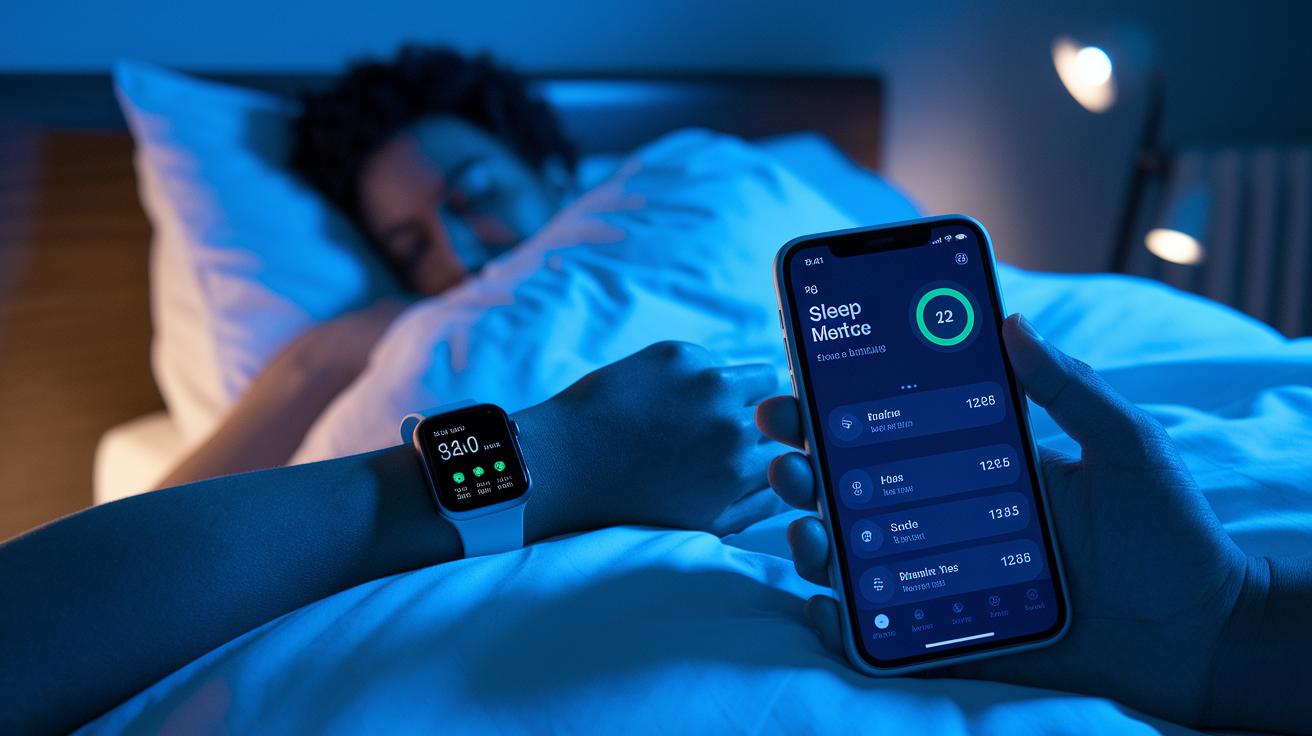
Sleep apps and wearable devices track your deep sleep by monitoring changes in your heart rate, breathing, and movement throughout the night. They figure out what portion of your sleep is deep sleep, which tells you how restorative your rest has been. For example, if you sleep 8 hours, these tools check if you hit about 1 to 2 hours of deep sleep.
Key metrics to watch include:
- The percentage of your total sleep that is deep sleep
- The number of deep sleep cycles you have each night
- How long it takes for you to start deep sleep (onset latency)
Think of it like checking your daily weather forecast. Some mornings, your sleep report might show 18% deep sleep; other days, it might drop to 12%. This data helps you see if you’re consistently getting enough deep sleep within a 7–9-hour window.
Using this information, you can make small changes to your routine, like cutting down on screen time before bed or cooling your room, to boost your chances of hitting that deep sleep mark regularly. Even tiny adjustments can lead to better rest over time.
Strategies to Enhance Deep Sleep: Science-Backed Techniques
Setting a steady bedtime is one of the easiest ways to boost your deep sleep. Try going to bed and waking up at the same time every day. This helps set your body's clock so you can sink into refreshing sleep. Pair this with a quiet pre-bed routine like reading or gentle stretching for about 10 minutes to signal it's time to wind down.
Your bedroom makes a big difference, too. Keep the room cool, around 60-67°F (15.5-19.5°C), to help lower your body temperature, a key cue for deep sleep. Also, limit screen time for 60 minutes before bed to cut down on blue light, which can keep you awake. A dark and quiet room can further ease you into longer periods of deep sleep.
Everyday choices can lift your sleep quality as well. Regular daytime exercise sets your body up for a better night's rest, and a light magnesium supplement in the evening might help relax your muscles. You could also try a warm cup of chamomile tea to calm your mind. For some people, a low-dose melatonin supplement, used under a doctor's advice, gives an extra boost toward deep sleep. These tips can help you enjoy deeper, more refreshing sleep night after night.
Final Words
In the action of your nightly routine, deep sleep emerges as a key player in restoring both body and mind. The blog outlined what is deep sleep by exploring its delta waves, timing in the sleep cycle, and benefits like muscle repair and memory strengthening.
Simple, science-backed tips help you track, protect, and boost these essential rest phases. Keep applying these practical steps as they contribute to a healthier, more energetic tomorrow.
FAQ
What is deep sleep in Android, Samsung, or on a phone?
Deep sleep on mobile devices refers to a low-power state where the system minimizes background activity to save battery. This mode is technical and differs from the human sleep phase.
What is deep sleep and how much deep sleep do I need?
Deep sleep is a restorative phase in human sleep marked by slow delta waves. Adults typically need about 1–2 hours of deep sleep per night as part of a 7–9-hour sleep cycle.
How much deep sleep is normal and can too much deep sleep cause issues?
Normal deep sleep makes up roughly 13–23% of total sleep. There’s no clear evidence that extra deep sleep causes problems, though unusually high levels may signal an underlying health condition.
How do I know if I deep sleep?
You can track deep sleep with wearable monitors and sleep apps that measure factors like heart rate variability and movement to estimate the time spent in this restorative sleep phase.
Is deep sleeping a good thing?
Deep sleeping is beneficial because it supports muscle repair, memory consolidation, and overall recovery, making it a vital part of a healthy sleep cycle.
How do I increase my deep sleep naturally?
Boost deep sleep naturally by maintaining a regular bedtime, keeping your room cool and dark, limiting screen time before bed, and engaging in daily exercise to promote overall sleep quality.