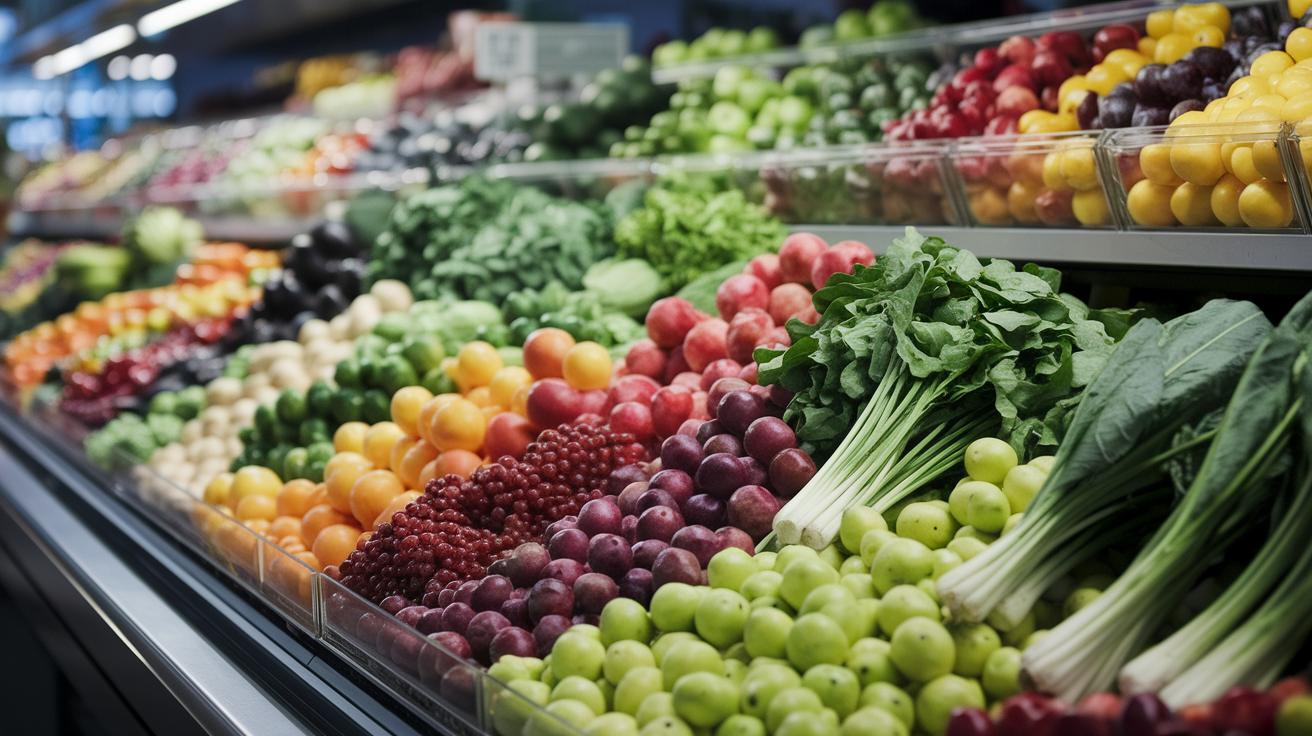
Ever wonder why a crisp apple or a handful of berries can feel like a burst of energy?
Whole foods preserve nature’s goodness, packing in vitamins, minerals, and fiber that help keep your heart and digestion in check.
Think of them as clean, natural fuel for your body, no extra additives needed.
In this post, we'll share a few simple examples of whole foods so you can easily choose fresh, nourishing options every day.
Core Whole Foods Examples: A Clear Overview
Whole foods are items that stay very close to their natural state. They go through little processing so they keep most of their vitamins, minerals, and fiber intact. Fresh fruits and vegetables, for example, hold onto natural plant compounds that support your body. Think of a crisp apple, it naturally offers benefits for heart health and good digestion. This way of eating puts quality first instead of convenience.
When food stays natural, it gives you a balanced mix of nutrients that may help manage blood sugar and support a healthy heart. Keeping processing to a minimum means you avoid extra additives, refined sugars, and empty calories. This approach can be especially useful for managing chronic issues like type 2 diabetes and making digestion easier.
A whole foods diet usually includes fruits, vegetables, legumes, whole grains, nuts, seeds, dairy, and meats. This variety creates a balanced eating plan that helps you feel nourished every day.
Whole Foods Examples: Fruits and Vegetables
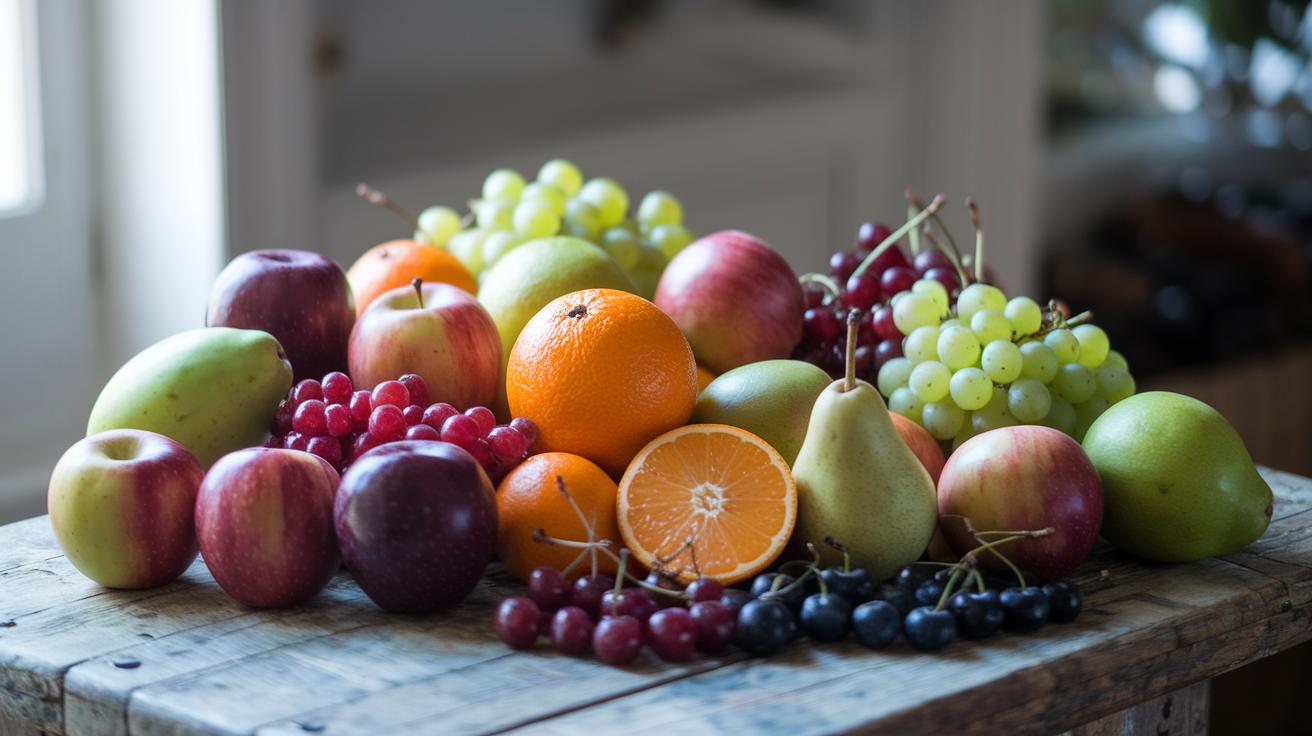
Fruits and vegetables pack a punch of vitamins, minerals, antioxidants, and fiber that may help lower the risk of heart problems and type 2 diabetes. They also aid digestion, support your immune system, and naturally sweeten your meals. Eating a variety of these helps add flavor and a balanced mix of nutrients to your diet.
-
Fruits:
- Apple: A simple, crunchy snack.
- Berries: Perfect to mix into your yogurt.
- Orange: A burst of citrus freshness.
- Mango: Brings a natural, sweet flavor.
- Grapes: Great for a quick, grab-and-go bite.
- Cherries: Awesome for topping a fruit bowl.
- Pear: Packed with fiber in every bite.
- Peach: Wonderful for eating fresh.
- Pineapple: Tasty and fun when chopped.
- Kiwi: Offers a tangy, refreshing taste.
-
Vegetables:
- Spinach: A great addition to salads.
- Kale: Tastes best lightly sautéed.
- Broccoli: Steaming it helps lock in nutrients.
- Carrot: Enjoy its crunch right out of the bag.
- Bell Pepper: Delicious when sliced up.
- Zucchini: Turns fantastic when grilled.
- Cucumber: Adds a crisp touch to salads.
- Cauliflower: Roast it with a sprinkle of herbs.
- Brussels Sprouts: Bake them with a drizzle of olive oil.
- Tomato: Ideal for making a simple sauce.
Choosing fruits and vegetables that are in season boosts both flavor and freshness. When produce is naturally ripened, it is packed with extra nutrients. Look for these vibrant items at your local market or grocery store for the best taste and quality.
Whole Foods Examples: Whole Grains and Cereals
Whole grains keep all parts of the grain, the bran, germ, and endosperm, intact. This means you get plenty of B vitamins and fiber to help your digestion and even support balanced blood sugar levels. Choose whole grains like brown rice, quinoa, oats, barley, whole wheat pasta, or whole grain bread to enjoy more natural goodness without extra processing. Adding these grains to your meals sets you up with a balanced plate and may help your heart and overall metabolic health.
| Grain | Form | Fiber per ¼ cup |
|---|---|---|
| Brown Rice | Cooked | 0.8 g |
| Quinoa | Cooked | 1.5 g |
| Oats | Dry, Rolled | 2.5 g |
| Barley | Cooked | 1.5 g |
| Whole Wheat Pasta | Cooked | 1.0 g |
| Whole Grain Bread | One Slice | 1.5 g |
Pay attention to your portion sizes to easily add whole grains to your diet. A small bowl of cooked grains, about 1/2 to 1 cup, usually fits well with most meals. Pair these with vegetables and lean proteins for a complete, satisfying plate that keeps you energized all day. Experiment with your serving sizes to learn what works best for your hunger and energy needs.
Whole Foods Examples: Legumes, Nuts, and Seeds
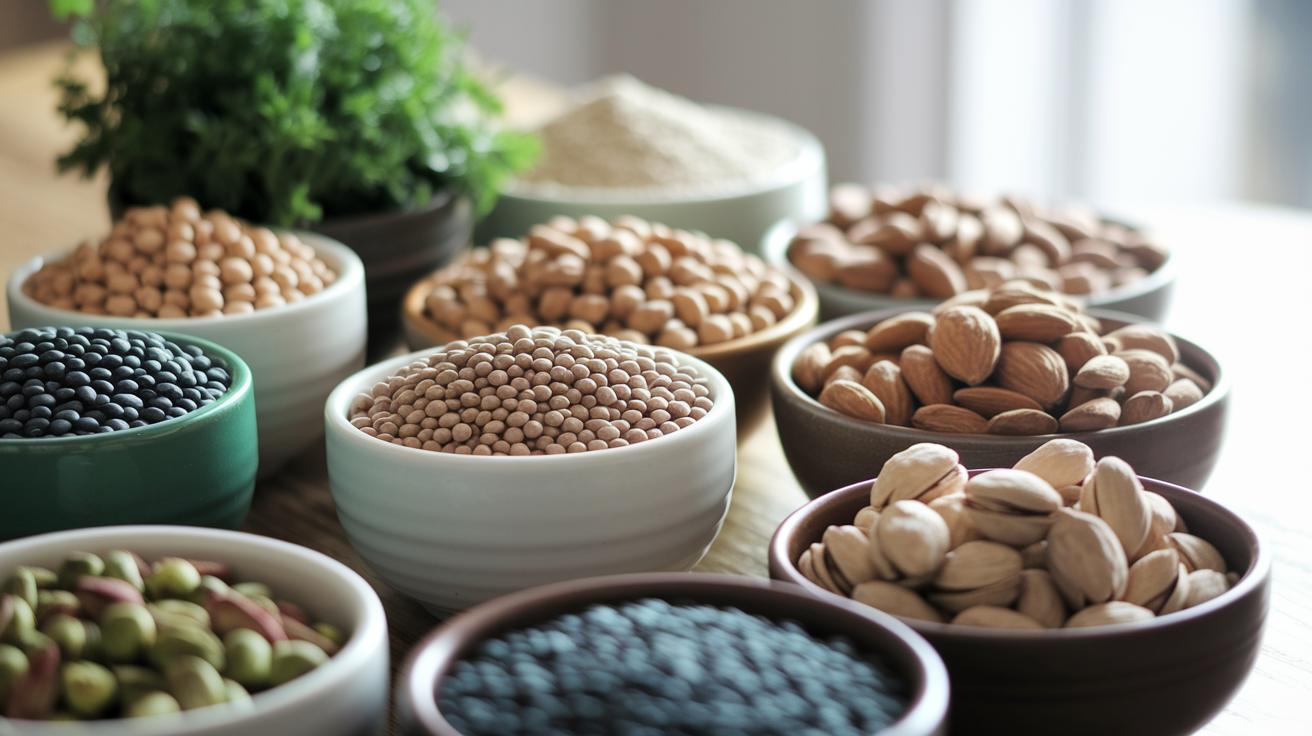
Legume Examples
Legumes like black beans, kidney beans, lentils, chickpeas, and peas pack plenty of plant protein and fiber. They aid digestion and help keep you full longer. Try adding lentils to a warm vegetable stew or tossing chickpeas into a refreshing salad. This simple swap boosts your nutrients with natural vitamins and minerals.
Nut Assortments
Nuts such as almonds, walnuts, pistachios, and cashews are a great source of healthy fats that support heart health. They also provide a bit of protein. Enjoy a small handful as a quick snack or sprinkle them on your salad or oatmeal. For example, adding walnuts to your yogurt bowl gives you both crunch and extra nutrition.
Seed Offerings
Seeds like chia, flax, and pumpkin are tiny nutrient powerhouses loaded with magnesium and vitamin E. They add extra fiber and a nice crunch when added to dishes or blended into smoothies. Mix some chia seeds into your breakfast pudding for an extra nutrient boost.
When you mix these options, you enjoy a balanced meal. Legumes supply protein and fiber, nuts offer healthy fats and a touch of protein, and seeds contribute extra fiber and micronutrients. Together, they keep you energized and nourished throughout the day.
Whole Foods Examples: Fresh, Nutritious Picks
Plain yogurt, kefir, and cheese are great choices. They pack calcium and friendly germs (probiotics) that help keep your bones strong and your tummy happy. Best of all, they are simple foods that keep their natural vitamins without any extra stuff.
Eggs are another excellent option. They give you complete protein along with vitamins D and B12 to help your body work its best. Whether you scramble them quickly or whip up a tasty frittata, eggs are easy to cook and fit into many meals.
For meats, choose grass-fed beef, free-range poultry, or wild-caught fish. They offer iron and omega-3 fats (heart-healthy fats) that support your muscles and keep your energy up. These choices also bring important minerals and high-quality protein that processed meats just can’t match.
When you mix these animal-based foods into your meal plan, you get a rich variety of nutrients. Dairy helps with strong bones and gut health, eggs boost your protein and vitamins, and quality meats provide iron and heart-friendly fats. Together, they create a balanced plate that can fuel your energy, boost your immunity, and improve your overall well-being.
Integrating Whole Foods Examples into Daily Meal Plans
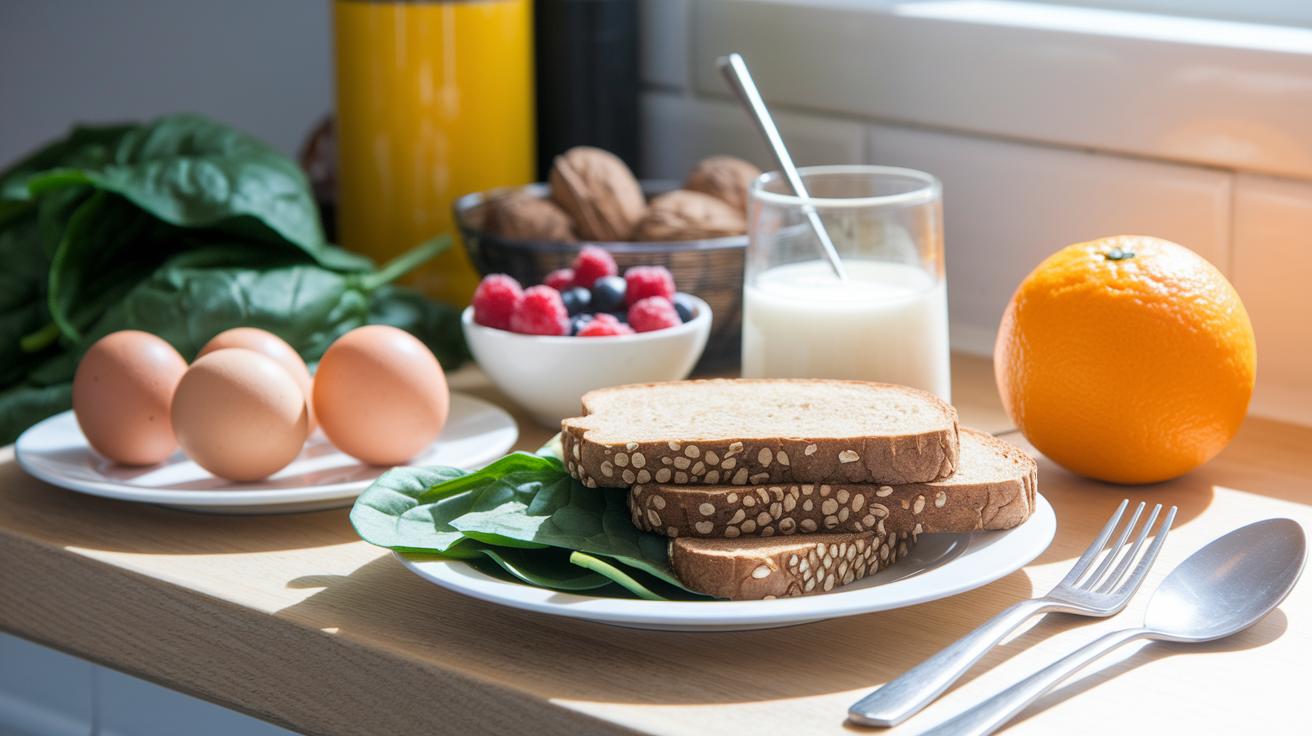
Whole foods help you create meals that both nourish and satisfy. Start by picking fresh, trusted ingredients and easy cooking methods that let each flavor shine. For example, try a veggie omelet with a juicy orange for breakfast to kick-start your day with a burst of natural nutrients. Another option is an egg and spinach scramble served with whole-grain toast, making it simple to enjoy a balanced meal without much fuss.
Try mixing up your weekly routine by planning a few sample days. One day, you might enjoy a bowl of oatmeal topped with berries and walnuts, a breakfast rich in fiber and heart-friendly nutrients. The next day, switch it up with a homemade chicken salad stuffed in a whole-wheat pita, combining lean protein with crisp veggies. And on another day, a bowl of plain yogurt mixed with fruit, seeds, and a few cacao nibs can give you a satisfying blend of protein and healthy fat. These options not only support your health but also keep meal times interesting.
When it comes to grocery shopping and batch-cooking, focus on seasonal produce and whole grains. Make a list of fresh items, buy in bulk, and pre-chop your veggies. This strategy makes meal prep easier and ensures each dish highlights the benefits of whole, natural foods.
Final Words
In the action, the post explored the significance of whole foods examples, covering fruits, vegetables, whole grains, legumes, nuts, seeds, dairy, eggs, and meats. We shared simple tips to use these nutrient-rich choices in everyday meals and even outlined a straightforward 7-day plan that makes mixing fresh options easy. Every suggestion is backed by evidence and designed to help you enjoy balanced, whole-food eating. Keep taking small steps toward lasting health wins and bright daily energy.
FAQ
What items are included in a whole foods list?
A whole foods list features minimally processed items that keep their natural nutrients, fiber, and vitamins. This includes fresh fruits, vegetables, whole grains, legumes, nuts, seeds, dairy, and unprocessed meats.
What are some meal ideas using whole foods?
Whole food meals might consist of a vegetable omelet, oatmeal topped with berries and nuts, quinoa salad, or grilled chicken with steamed vegetables. These meals focus on nutrient-dense, natural ingredients.
What does whole food eating for beginners involve?
Whole food eating for beginners means choosing foods in their natural state like fresh produce, lean proteins, and whole grains. Begin by incorporating one whole food with every meal.
How do whole foods support weight loss?
Whole foods support weight loss because they are nutrient-dense and help you feel full longer. Including fruits, vegetables, lean proteins, and whole grains can help manage weight naturally.
What are examples of non-whole foods?
Non-whole foods are items that undergo heavy processing and include added sugars, unhealthy fats, or artificial additives. Examples are sugary snacks, packaged baked goods, and instant meals.
Is cheese considered a whole food?
Cheese may count as a whole food if it is minimally processed and free from excessive additives, though many varieties are processed. Choose plain cheese options to get closer to a whole food.
What processed foods should be avoided for healthy eating?
It’s best to avoid highly processed foods such as fast food, sugary cereals, packaged snacks, processed meats, instant noodles, sweetened beverages, refined grains, artificial desserts, and ready meals.
Is chicken considered a whole food?
Chicken is considered a whole food when it is fresh and minimally processed without added hormones or antibiotics, providing a clean source of lean protein.
What are some of the healthiest whole foods to include daily?
Some of the healthiest whole foods to eat include fresh fruits, vegetables, whole grains, lean proteins like eggs, nuts, seeds, plain yogurt, legumes, and unprocessed meats for overall well-being.