
Ever notice how some diets leave you feeling more energized than others? That's because they focus on whole foods that stay close to their natural form. Fresh fruits, vegetables, whole grains, and similar foods offer balanced nutrition and essential vitamins and minerals. With fewer chemicals and additives, they help your body repair and thrive. This article shows you how a simple shift toward nature’s plan can clear up your everyday eating habits. Read on and discover how one small change in your diet might lead to a healthier, more energetic life.
Whole Foods Meaning: Pure Nutritional Clarity
Whole foods are ingredients that stick closely to how nature made them. Think fresh fruits, vegetables, and whole grains that haven't been heavily processed. This helps keep their original textures, flavors, and nutrients. For example, a survey found that more than 60 out of every 100 people felt a boost in energy after switching to meals made only with whole foods. This shows that keeping foods in their natural state can help you get the nutrients your body uses for energy and repair.
When you choose whole foods, you're getting balanced nutrition. They keep the natural vitamins, minerals, and enzymes that support everything from heart health to smooth digestion. Each bite works to nourish your body without any hidden chemicals or extra additives.
- Stays close to its natural form
- No extra chemicals or additives
- Rich in essential nutrients
- High in fiber
- Includes a mix of different food groups
Characteristics of Whole Foods: Ingredients in Their Natural State
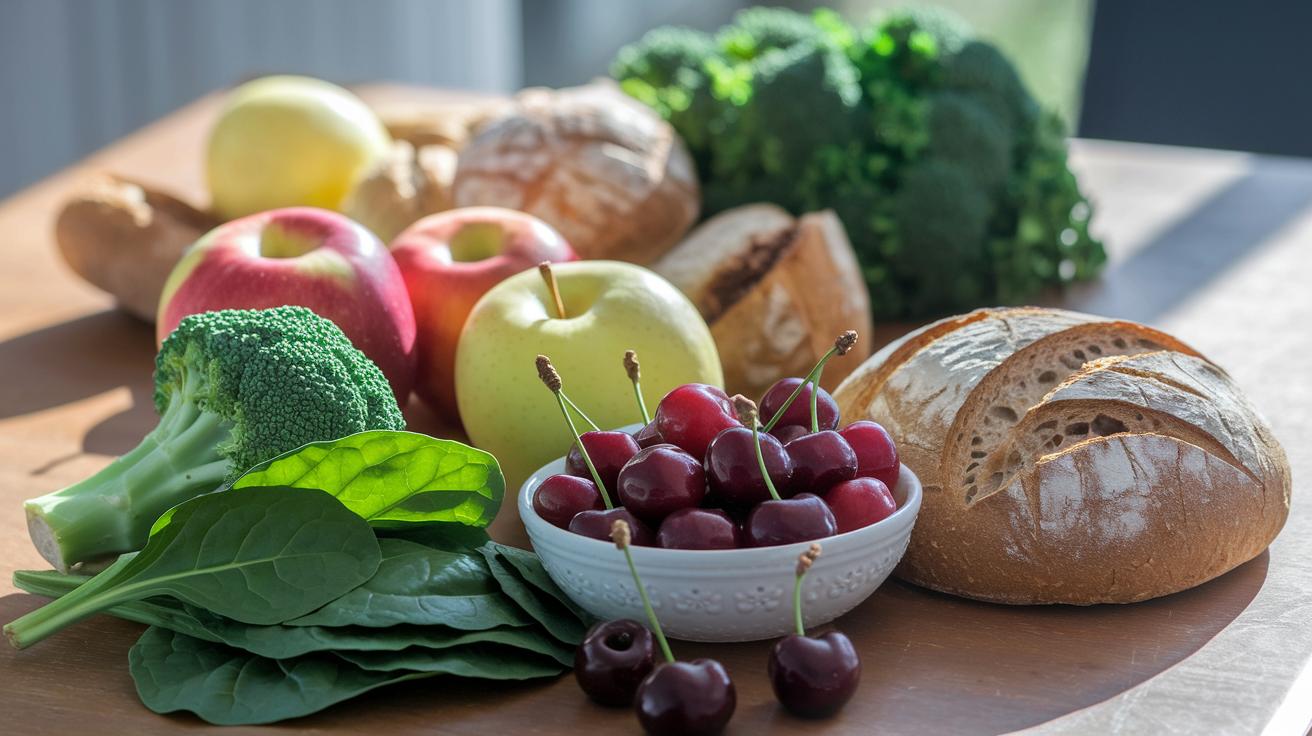
Whole foods celebrate nature by staying as close to their original form as possible. Think of a crisp apple, unchanged in its sweetness and texture, just as nature intended.
They include fruits, vegetables, whole grains, legumes, and nuts or seeds. Imagine bright red cherries, fresh green spinach, or a piece of whole wheat bread that isn’t over-processed. Each food brings its natural flavor, color, and texture to help you enjoy a balanced diet.
With minimal processing, whole foods keep their vitamins, enzymes, and minerals intact. Picture lightly steamed broccoli that still offers a rich mix of nutrients compared to heavily processed options.
Give whole foods a try, they offer a simple, natural way to fuel your day.
Whole Foods vs. Processed Foods: Key Differences
Processed foods go through many steps that change how the ingredients look and taste. They are often milled, pasteurized, or treated with chemicals, which can make them lose some vitamins and natural enzymes. To fix the taste and make them last longer, extra flavorings and preservatives are added. Think of it like turning a fresh apple into a sweet snack, the original nutrients change in the process.
Whole foods, on the other hand, keep most of their natural benefits. They undergo very little processing, so you get the natural fiber, vitamins, and minerals as nature intended. Processed foods often need extra sugars and additives to make up for the nutrients they lose, which usually means a longer list of ingredients. Knowing this clear difference can help you choose the best options for a healthy diet.
| Feature | Whole Foods | Processed Foods |
|---|---|---|
| Additives | None or naturally occurring | Often added |
| Nutrient Density | High, with intact nutrients | Lower, may lose vitamins |
| Ingredient List | Short and simple | Long with multiple components |
| Processing Level | Minimal and gentle | Heavily processed |
Health Benefits of Embracing a Whole Foods Diet

Eating whole foods like fresh vegetables, fruits, and whole grains can help your heart and steady your energy. They provide natural nutrients that may keep your blood flowing well, support healthy blood pressure, and prevent quick spikes in blood sugar. Try a simple swap: change refined carbs to whole-grain options and see a difference in your day.
Whole foods do more than just help your heart. They can brighten your skin, smooth your digestion, and help manage your weight. Fresh produce is full of vitamins that may give your skin a healthy glow and improve its elasticity. The fiber found in these foods can support regular digestion, easing bloating. Enjoying meals rich in nutrients can keep you full longer without the extra sugars and bad fats. For example, adding a handful of berries to your morning oatmeal might be a small change with big benefits.
Over time, a diet rich in whole foods might help protect you from chronic diseases and strengthen your immune system. The natural antioxidants and nutrients in unprocessed foods can boost your body’s defenses, helping you feel more resilient every day.
Tips for Integrating Whole Foods into Everyday Meals
Adding more whole foods to your daily routine is easier and more rewarding than you might think. With a bit of planning, you can fill your pantry with natural ingredients that keep meals fresh and true to their original form. Spend a little time each week prepping fruits, veggies, and whole grains to create simple, healthy meals.
Meal Planning Strategies
Batch cooking and a weekly shopping list can really help. Set aside a specific time each week to prepare a mix of whole ingredients, like fresh fruits, vibrant vegetables, whole grains, and legumes. This method saves time and prevents impulsive grocery choices. Write down snack ideas, such as homemade energy bars or fruit and nut bars made with pure ingredients.
Smart Shopping Tips
When you’re out shopping, take a moment to read nutrition labels to avoid extra additives. Choose seasonal produce for the best flavor and freshness. Look for items like minimally processed snack bars or natural nut butters that keep away from unwanted chemicals. These simple habits support a clean eating lifestyle every day.
Final Words
In the action, we broke down whole foods meaning by defining unaltered ingredients, their natural state, and how they power complete nutrition. We discussed their standout features and compared them with processed foods, highlighting clear benefits for your heart, skin, and digestion. Simple steps for meal planning and smart shopping make it easy to add whole foods into your daily routine. Small shifts today can boost your health tomorrow, try one change at a time and see the difference for yourself!
FAQ
What does whole foods mean in English?
The term whole foods means ingredients in their natural state with little or no processing. This includes fruits, vegetables, whole grains, and legumes that provide essential nutrients without added chemicals.
What does whole foods meaning slang refer to?
In casual talk, whole foods slang describes clean, unprocessed ingredients that are celebrated for their natural health benefits. It often highlights foods free from artificial additives and excessive refining.
What is considered a whole food?
Whole foods are items that remain close to their natural form, such as fresh fruits, vegetables, whole grains, legumes, nuts, and seeds. They deliver high nutrient density without added preservatives.
What are not whole foods?
Not whole foods are items that undergo heavy processing and include additives, preservatives, and artificial ingredients. Examples include sugary cereals, processed snacks, and many fast foods.
Is cheese considered a whole food?
Cheese is typically not considered a whole food because it undergoes processing and often includes added salt and preservatives, which moves it away from its natural state.
Is pasta a whole food?
Regular pasta is not regarded as a whole food due to its refined processing. However, whole wheat pasta is a closer match since it retains more natural nutrients and fiber.
Is bread considered a whole food?
Bread made from whole grains can be considered a whole food if it undergoes minimal processing and contains no artificial additives, though many commercial breads do not meet these criteria.
Can you eat eggs on a whole food diet?
Eggs fit into a whole food diet as they are minimally processed and supply quality protein and essential nutrients in a natural state, making them a healthy addition to your meals.
What is whole food eating for beginners?
Whole food eating for beginners involves gradually adding more unprocessed foods—like fresh produce, whole grains, and lean proteins—into your meals. This simple change enhances meal quality and boosts nutrition.