
Feeling groggy in the morning? Try setting a regular sleep schedule to help you wake up refreshed. Think of your body like a well-tuned engine that runs best on a steady routine. When you go to bed and wake up at the same time every day, you work in sync with your natural clock. This small change can clear your mind, ease stress, and boost your mood throughout the day. Let’s explore how a set sleep routine can make you more alert and ready to tackle your daily challenges.
Designing Your Best Sleep Schedule: The Blueprint for Health and Productivity
Your body loves routine. Try to get 7–9 hours of good sleep each night to keep your energy up and mind clear. When you set an earlier bedtime and wake up before sunrise, you help your body follow its natural clock. This steady pattern can ease stress, sharpen your focus, and even help you make safer choices during your day.
A solid sleep routine means putting sleep first, even when life gets busy. Here are a few simple steps to start:
- Pick a bedtime and wake-up time that you stick with every day, including weekends.
- Make your bedroom a sleep-friendly space by keeping it cool, dark, and quiet.
- Turn off screens at least 30 minutes before bed to reduce harsh blue light.
These small changes can really add up. When you treat sleep like a daily appointment with yourself that you never cancel, you boost your heart health and lift your mood. For example, say to yourself tonight at 10:00 p.m., "I’m starting my wind-down time: I’m turning off my screens and playing some soft music." Soon, your body will naturally know it’s time to sleep.
When you follow a consistent schedule, falling asleep becomes easier. You’ll wake up feeling more refreshed and ready to tackle the day with clear focus and plenty of energy.
Understanding Circadian Rhythms in Your Sleep Schedule

Your body’s internal clock naturally tells you when it’s time to wind down after the sun sets. It uses cues like the dark to signal, "Sleep time!" Bright screens, especially those emitting blue light, can confuse this clock and make it hard for you to fall asleep. Try skipping your phone or tablet for about an hour before bedtime.
Aligning your sleep schedule with your natural clock might be simpler than you think. Start by dimming the lights in the evening and cutting back on digital time. Keeping a regular wake-up time, even on weekends, can also reinforce your body’s rhythm. Consider using devices with a warm light setting after dark to ease your transition to sleep.
Traveling across time zones can throw your clock off balance too. Often, it takes about one day for every time zone you cross for your body to adjust. In some cases, it may take up to two weeks for your internal rhythm to fully reset. When you travel, try spending a little time in morning light and plan a calm wind-down routine each night.
Give these tips a try tonight. Set a screen curfew and let natural darkness guide you toward a good night’s sleep. Your body and mind will thank you for the extra energy in the morning.
Comparing Sleep Schedule Types: Monophasic, Biphasic, and Emerging Patterns
Monophasic sleep means getting one full stretch of sleep lasting 7–9 hours each night. Sleep studies favor this method because it helps keep your body clock in step with natural light. Sticking to a consistent bedtime and wake time can boost your clarity, mood, and overall health.
Biphasic sleep splits your rest into two parts. Typically, you might sleep 5–6 hours at night and then catch a 20–90 minute nap later in the day. This method can work well if your schedule is flexible or if a short nap gives you a needed energy boost. Many find this approach leaves them feeling refreshed for the day ahead.
Emerging research is also looking at polyphasic sleep, where you take several separate sleep sessions throughout the day. Early signs show that while you might stay awake longer, this pattern can leave your sleep feeling broken and less restorative. Researchers suggest that more studies are needed to understand the best sleep durations and long-term effects of polyphasic schedules.
Step-by-Step Guide to Resetting Your Sleep Schedule

-
Create a Sleep-Friendly Environment
Set up your bedroom to help you sleep better. Lower your lights, keep the room cool (around 68°F or 20°C), and silence extra noise. This helps signal to your body that it's time to relax. -
Set Bedtime Reminders and a Consistent Wake-Up Alarm
About 30 minutes before you plan on sleeping, use a reminder that prompts you to wind down, for example, "Time to turn off screens and dim the lights." Then, set your alarm for the same time every morning, including weekends, to lock in your sleep routine. -
Build a Calming Wind-Down Routine
Spend a quiet moment before bed with a soothing activity. Whether it’s reading a chapter, meditating for 15 minutes, or jotting down your thoughts, finding a calming practice can set the stage for a good night's sleep.
Customizing Your Best Sleep Schedule for Different Lifestyles
Night shift workers can often feel out of sync, which may lead to a loss of sleep. If you work at night, try these simple steps: first, hang blackout curtains to keep the extra light out. Next, play white noise or soft sounds to help your brain relax when you get home. Pick a regular sleep time right after your shift and stick to it, even on your days off. Using an alarm or reminder can help keep this schedule steady, even if your work changes day by day.
New parents know how hard it is to get enough sleep with nightly feedings and soothing a little one. A good idea is to take short naps whenever you can. Teaming up with your partner to share nighttime duties can also help you chop your sleep into small, refreshing breaks. Before each nap, create a calm setting by dimming the lights or playing soft music. These simple routines can boost the quality of your sleep, helping you feel a bit more refreshed.
Teenagers often find it tricky to fall asleep early due to Delayed Sleep Phase Syndrome (a shift in the body’s clock). To help, try moving bedtime earlier by just 15 minutes each night. Adding calming activities like reading before bed can signal that it's time for sleep. Keeping the same wake-up time every day, even on weekends, sets a steady pace for the body. These small changes can lift sleep quality noticeably, turning groggy afternoons into energized mornings.
Leveraging Technology to Track and Enhance Your Sleep Schedule
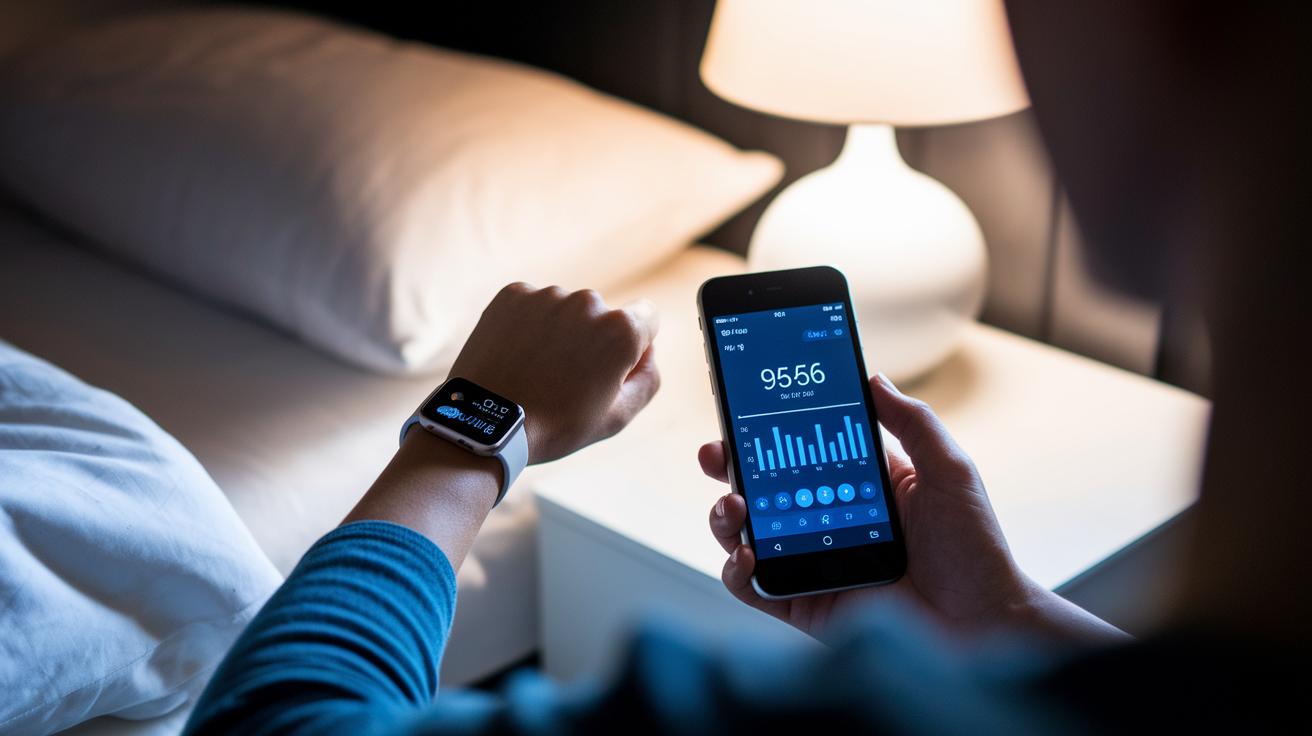
Apps and gadgets make it easier to stick to a steady sleep schedule. A sleep tracker can show you details like how much light, deep, and REM sleep you got. For example, it might say, "Last night, you had a good mix of deep and REM sleep." This helps you know if you need to adjust your bedtime.
A solid scheduling app can remind you when it's time to wind down and when to get up. These reminders work like friendly nudges saying, "Time to relax," or "Good morning, start the day!" Over time, these little cues help set a regular routine that boosts your daytime energy.
Some apps even offer a timing calculator that looks at your sleep data and suggests the best sleep window for you. When you use these tools often, they reveal your sleep habits and help you notice trends, making it easier to improve your rest.
- Track sleep stages to see how well you rest.
- Set automated alarms to keep a consistent routine.
- Use a timing calculator to match your sleep with your natural rhythm.
Technology can be a real ally in managing your sleep cycle. Whether you use a smartwatch, a sleep tracker, or a smartphone app, these tools help fine-tune your schedule so you can wake up feeling refreshed.
Overcoming Common Challenges to Maintaining Your Best Sleep Schedule
Sometimes, life can mess up your sleep routine. If you only get six hours of sleep most nights, you might wake up feeling drowsy, risk small accidents, or feel grumpy and forgetful during the day. Think of sleep debt like money you owe, it adds up over time. Here are some friendly tips to help you stick to a better sleep schedule:
- Try to add 1–2 extra hours of sleep on weekends or take a quick 20-30 minute nap during the day. Even a short nap can help if you've had several nights of only six hours.
- Set a bedtime alarm to remind you it's time to wind down, even on your days off.
- Build a routine that fits your life: dim the lights about an hour before bed and turn off screens. These habits tell your body it’s time to rest.
Be mindful not to oversleep. Keeping just the right balance can help steady your energy and improve your overall well-being.
Final Words
In the action of getting better rest, this guide explained the steps for a best sleep schedule. It covered how a steady routine syncs with your internal clock, compared different sleep types, and offered simple steps to reset your sleep habits. You also saw how technology can support your sleep tracking and ways to tackle common sleep challenges. Every tip is aimed at helping you build a consistent, evidence-backed sleep routine. Stick with these habits and enjoy a more energized, balanced day.
FAQ
Q: What is the scientifically best time to sleep and wake up?
A: The scientifically best time to sleep and wake up means aiming for bed around 9–10 PM with a wake-up time before sunrise. This schedule aligns with your natural circadian rhythms, helping improve alertness and overall health.
Q: How does using a sleep calculator or sleep cycle tracker optimize sleep?
A: A sleep calculator or cycle tracker uses your sleep stages to suggest ideal bedtimes and wake times. This tool helps ensure you complete full sleep cycles, leaving you more rested and alert during the day.
Q: What is the best sleep time for adults and teens?
A: The best sleep time for adults is 7–9 hours nightly with bedtime around 9–10 PM. Teens often need more sleep; an earlier or slightly adjusted schedule helps them align with their natural rhythms for better performance.
Q: What is the 10 3 2 1 0 rule for sleep?
A: The 10-3-2-1-0 rule sets a clear evening routine: no screens 10 hours before bed, food finished 3 hours before, no vigorous exercise 2 hours before, no caffeine 1 hour prior, and 0 drinks immediately before sleep.
Q: What is the 5-3-3 rule?
A: The 5-3-3 rule is a sleep guideline that emphasizes structured routines. It suggests balancing key pre-bed activities in short intervals to reduce stimulation and promote a calm transition into sleep.
Q: What is the 10 4 3 2 1 rule?
A: The 10-4-3-2-1 rule is an adjusted evening routine guideline. It advises turning off screens 10 hours ahead, finishing meals 4 hours prior, cooling down 3 hours before bed, easing physical activity 2 hours before, and starting a wind-down 1 hour before sleep.
Q: What is the 30 60 90 rule for sleep?
A: The 30-60-90 rule for sleep offers a structure by breaking your evening into segments: roughly 30 minutes to settle in, 60 minutes for a wind-down routine, and targeting 90-minute sleep cycles to help you rise feeling refreshed.