
Ever thought that a clear sleep schedule might turn restless nights into cozy, peaceful ones? When you set regular nap and bedtime routines, your baby starts understanding when it's time to doze off. Using gentle signals and consistent timing can help your little one develop self-soothing habits. Try these simple steps and see if you both enjoy a calmer, more predictable bedtime.
Understanding Infant Sleep Training Schedule Basics
An infant sleep training schedule is a clear plan that shows when your baby should nap, wake up, and sleep at night. It helps your little one slowly learn how to fall asleep by themselves. This isn’t just about setting a bedtime, it offers steady cues that can boost overall rest and growth, much like a gentle, easy-to-follow guide for your newborn.
A steady bedtime between 7:00 and 8:00 p.m. is key. With a set bedtime, your baby learns to settle back to sleep on their own when they wake up briefly during the night. When they know what to expect, they start to develop self-soothing skills, which means fewer nightly wake-ups needing immediate attention. For example, if your baby learns to return to sleep without constant feeding or extra soothing after 10 minutes of soft crying, the benefits of the schedule start to show. This gradual process helps both your baby and you enjoy more restful nights.
It’s smart to check these sleep milestones with your pediatrician. By around 4 months old, many infants can sleep independently for 6 to 8 hours. A pediatrician can help fine-tune the schedule to ensure it meets your baby’s developmental needs, giving everyone a predictable daily routine and peace of mind.
Age-Specific Schedules in an Infant Sleep Training Schedule
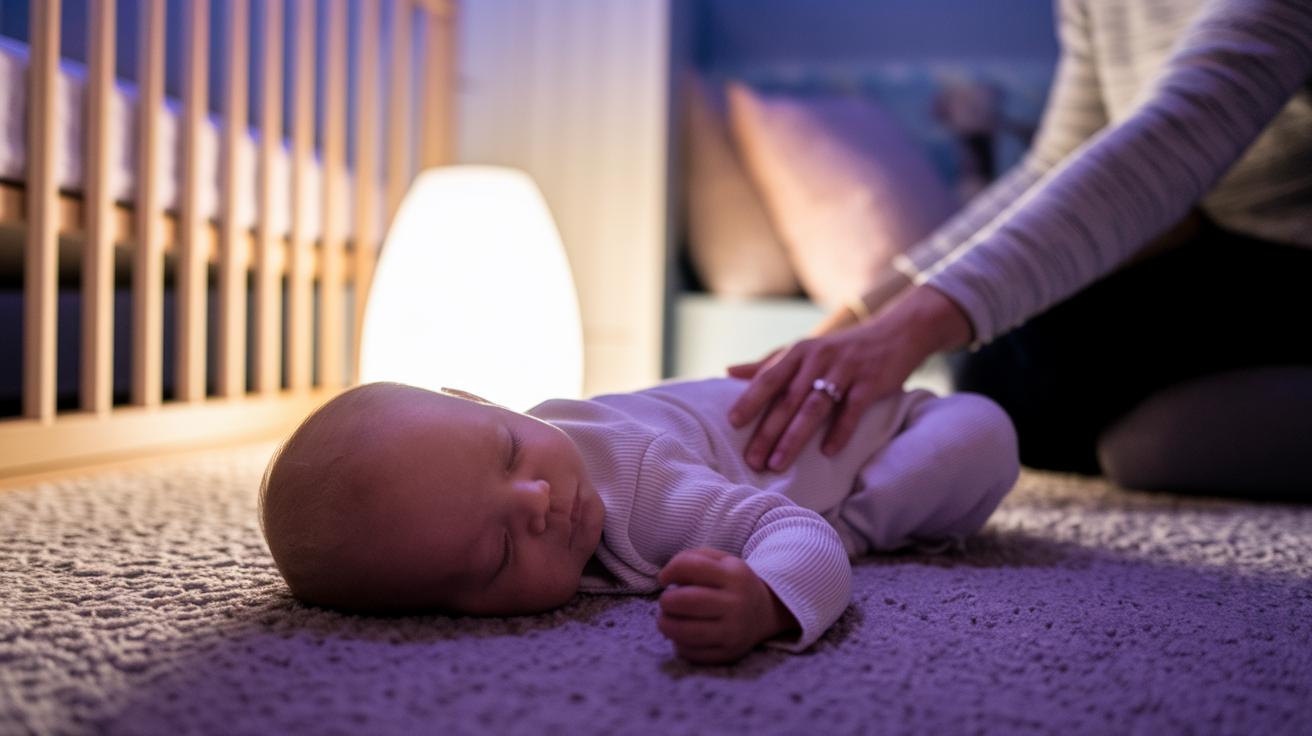
A sleep training plan that fits your baby's age can work wonders. It helps your little one learn the difference between day and night and sets up a healthy sleep routine. You'll have a clear plan for how long your baby should sleep, when to nap, and the best times to get to bed.
0–4 Months Sleep Schedule
In the first few months, your baby usually sleeps about 14 to 17 hours a day. At this stage, the goal is to show them that daytime and nighttime are different. For example, try waking them up between 7:00 and 8:30 a.m. to set a gentle tone for the day. At night, keep things calm and quiet. This helps your baby learn natural sleep rhythms.
4–8 Months Sleep Schedule
Between 4 and 8 months, your baby will typically need about 14 to 16 hours of sleep each day. They often take three naps during this time. An active morning routine that starts between 7:00 and 9:30 a.m. can boost their awake time. A steady bedtime around 7:00 to 8:00 p.m. can help them learn to soothe themselves and sleep longer at night.
8–12 Months Sleep Schedule
By the time your baby is 8 to 12 months old, they usually sleep between 12 and 16 hours per day. Around this age, most babies drop down to two naps with longer wake periods of 5 to 6 hours. Evening routines become more fixed, with a bedtime around 7:30 p.m. Fewer naps during the day build up sleep pressure, which can lead to a better night’s rest and improved mood.
| Age Range | Total Sleep Hours | Naps per Day | Bedtime Window |
|---|---|---|---|
| 0–4 months | 14–17 hours | Multiple short sleeps | Approx. 7:00–8:00 p.m. |
| 4–8 months | 14–16 hours | 3 naps | 7:00–8:00 p.m. |
| 8–12 months | 12–16 hours | 2 naps | By 7:30 p.m. |
Initiating Your Infant Sleep Training Schedule: Key Steps
When you start a sleep training routine, you create a gentle, predictable bedtime for your baby. A clear plan makes it easier for both of you to know what to expect at night, reducing stress and building trust.
Try setting a consistent bedtime around 7:00 to 8:00 p.m. This simple step helps set up calm evenings. Establish easy, soothing rituals like a quiet cuddle or a soft lullaby. For instance, dim the lights and whisper a gentle phrase as you snuggle, signaling that it's time to wind down.
Help your baby learn to settle on their own with methods like the Slingshot Method (a gentle approach where you wait about 10 minutes before offering a bottle if your baby continues to cry). This teaches your little one that calming down on their own leads to rest rather than immediate feeding.
Keep the sleep environment consistent every night and watch how your baby responds. A steady, familiar setting builds strong sleep cues, and by tracking early progress, you can adjust small details until you both find the right rhythm.
infant sleep training schedule: Restful nights ahead
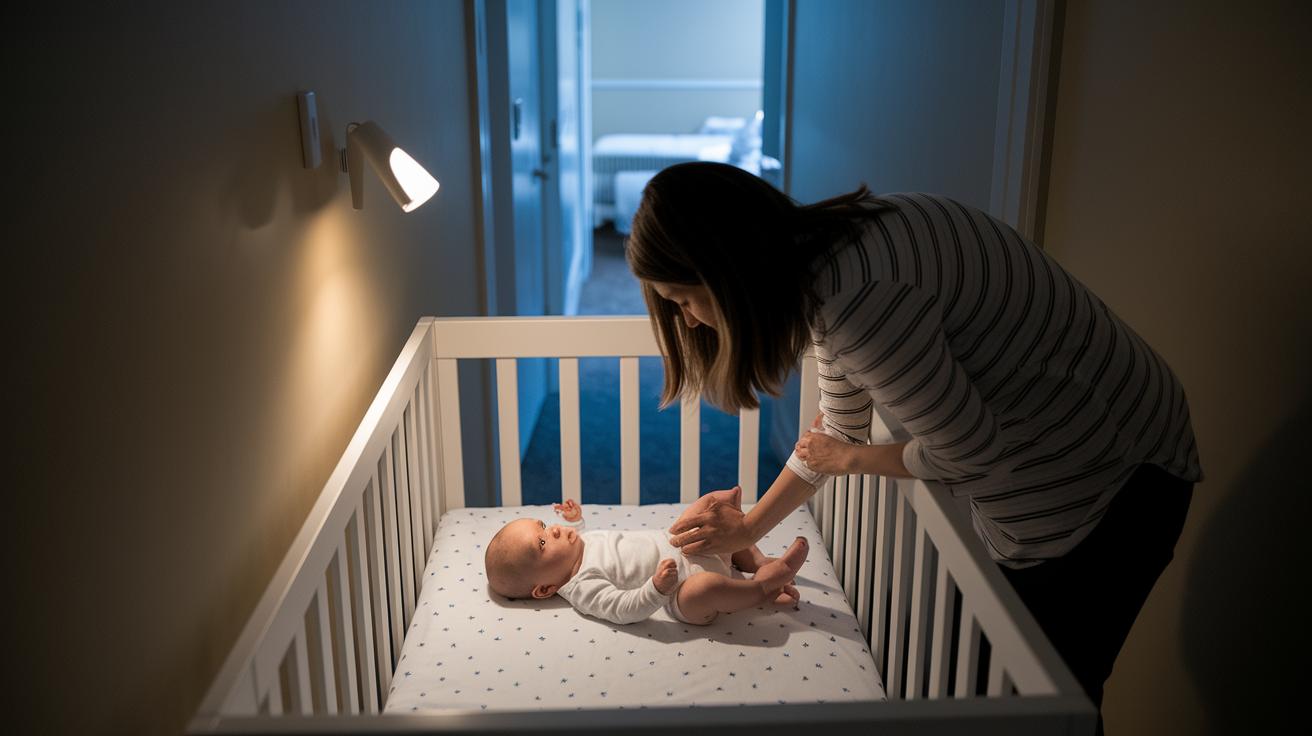
Gradual extinction helps your little one learn to settle on their own. Once you lay your baby in the crib, wait about 3 minutes before giving a quick, gentle check, a soft touch or kind whisper. This pause shows your baby that sleep is safe even without immediate help. Over time, slowly stretch these waits to boost independent sleep.
Minimal intervention soothing offers another gentle way to ease your baby into sleep. When your baby cries, try a light touch, a few quiet words, or simply being nearby. Keep these check-ins short and steady so your baby learns that a brief moment of reassurance can help them settle while building their own self-soothing skills.
A safe sleep space makes all the difference. Use a firm crib mattress and always position your baby on their back. Clear the area of clutter and hazards. Start a calming pre-sleep routine by dimming the lights, lowering background sounds, and keeping the room cool (about 68°F/20°C). Also, make sure cords and other potential obstructions are out of reach to set the stage for peaceful nights.
Troubleshooting Common Infant Sleep Training Schedule Challenges
Adjusting to a sleep training schedule for your baby can be a bit tricky. You might notice extra wake-ups or fussier nights due to things like sleep regression, teething discomfort, growth spurts, changes in their sleep space, or needing an extra dreamfeed.
Sleep regression happens when your baby is learning new skills. Around 4 and 8 months, it’s normal for little ones to wake up more often. Sticking to a steady bedtime routine, like a warm bath and a quiet lullaby, tells your baby it’s time to sleep.
Teething can also keep your baby from settling down. Sore gums might cause extra discomfort at night. If your baby is teething, try gentle rocking or a soft song to keep the bedtime rhythm easy and familiar.
During growth spurts, your baby might wake up more often because they’re growing fast and might feel more hungry or tired. A regular feeding and sleep schedule can help them settle back into a good sleep pattern.
Sometimes, a new room setup or travel can disrupt your baby’s sleep routine. Bringing along a favorite blanket or keeping the lights low can remind them of a safe, cozy sleep space.
A gentle dreamfeed at around 10:00 p.m. might also help. This light feeding can extend your baby’s sleep without fully waking them, keeping sleep cues in place and smoothing out the night.
Remember, small changes can make a big difference. Stick with your routine and give it some time; you’re doing great.
Monitoring, Adjusting, and Perfecting Your Infant Sleep Training Schedule

Keeping a sleep log can really help you understand your baby's sleep patterns. Every day, jot down the bedtime, wake times, and how long each nap lasts. For instance, you might note that on Monday your baby slept at 7:30 p.m., woke briefly at 2:00 a.m. for a feed, and had three naps totaling 3 hours. This record helps you spot trends. Over a week, you might see that certain nap times lead to more night wakings or that a slightly later bedtime means a longer sleep stretch.
Review your sleep log each week to make smart adjustments. Watch for patterns like shorter naps or changing wake windows. If you notice your baby seems overtired by evening, try shifting a nap earlier or shortening the awake period. Over about two weeks, these tweaks can help you build a routine that supports a more consistent and refreshing sleep for your baby.
Final Words
In the action, we explored the infant sleep training schedule basics. We broke down age-specific routines, discussed gentle coaching methods, and tackled common challenges. Each step was designed to offer clear guidance for setting an ideal bedtime, promoting self-soothing, and establishing a consistent environment.
Small adjustments today can lead to lasting benefits in your infant sleep training schedule. Keep tracking progress and stay patient, knowing every tiny win builds a healthier bedtime routine.
FAQ
Q: What does an infant sleep training schedule week by week involve?
A: An infant sleep training schedule week by week maps gradual changes in naps and bedtime. It helps parents adjust routines, reinforce self-soothing, and adapt to developmental milestones as the baby grows.
Q: What does an infant sleep training schedule for a 3-month-old look like?
A: An infant sleep training schedule for a 3-month-old focuses on establishing consistent nap times, a regular bedtime (around 7:00–8:00 p.m.), and gentle self-soothing techniques to help the baby sleep independently.
Q: What does a 12-month-old sleep schedule include?
A: A 12-month-old sleep schedule typically offers 12–16 hours of total daily sleep. It usually features two naps and a bedtime around 7:30 p.m., helping promote better night-time rest and overall consistency.
Q: What are the Taking Cara Babies sleep training schedules for 2-, 3-, 4-, and 5-month-olds?
A: Taking Cara Babies offers age-specific routines. For younger infants, the focus is on shorter awake periods and gradual self-soothing, while older infants benefit from structured naps and a firm bedtime to build healthy sleep habits.
Q: What does the Ferber method sleep training entail?
A: The Ferber method sleep training emphasizes gradually extending intervals between comforting your baby. This method helps teach self-soothing by letting the infant learn to fall back asleep with timed check-ins.
Q: What does the 5-3-3 rule for sleep training mean?
A: The 5-3-3 rule for sleep training means starting with a 5-minute wait before checking on your baby, then following up with two intervals of 3 minutes each, progressively encouraging independent sleep.
Q: What is the best age to sleep train an infant?
A: The best age to sleep train an infant is usually around 4 months, when most babies can sleep for longer stretches and begin to develop the ability to self-soothe, making training more effective.
Q: What does the 10-5-3-2-1 rule for sleep refer to?
A: The 10-5-3-2-1 rule for sleep refers to a graduated wait time strategy. It starts with a 10-minute interval, followed by intervals of 5, 3, 2, and 1 minute, to gradually encourage the baby to self-soothe.
Q: What does the 2/3/4 rule for baby sleep mean?
A: The 2/3/4 rule for baby sleep involves gradually increasing wait times between responses. It starts with 2 minutes, then 3 minutes, and finally 4 minutes, helping the baby learn to fall asleep with less intervention.