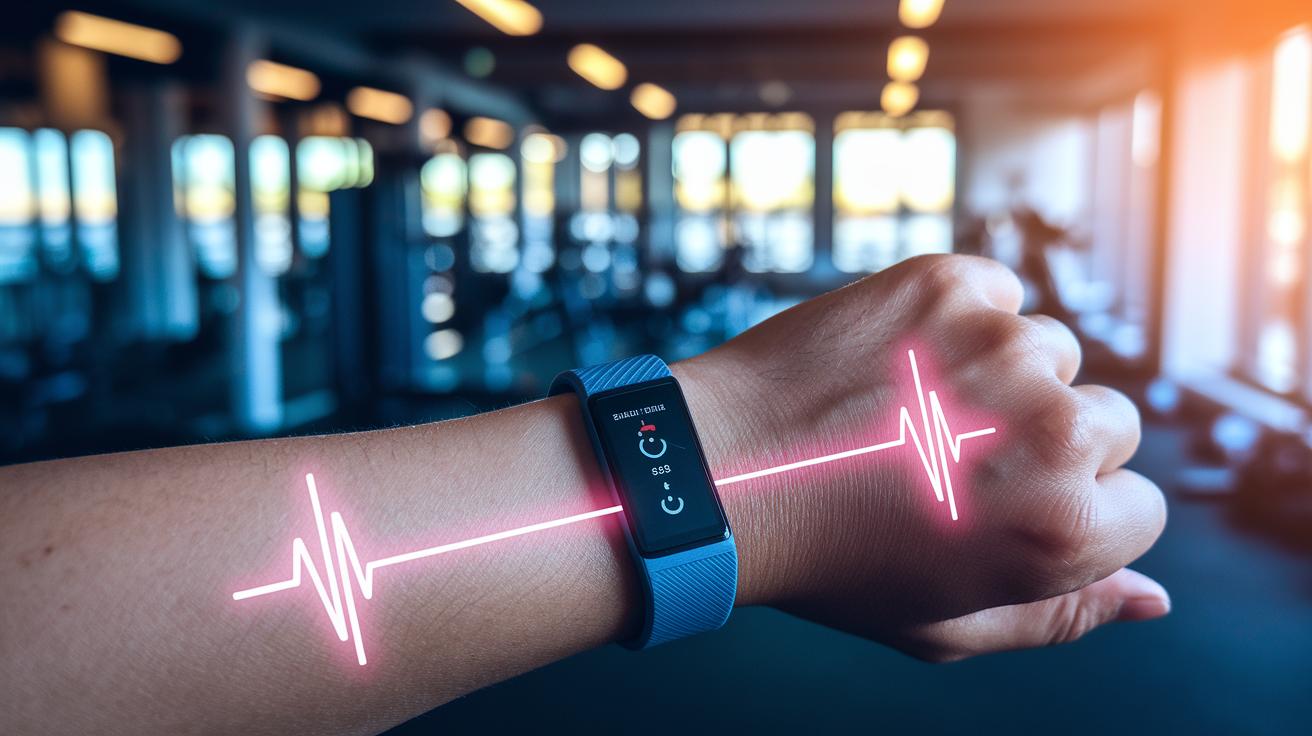
Are you fed up with fitness trackers that just can't keep up with your workouts? We put several top devices to the test in real-life conditions, even comparing them against chest strap monitors. We checked how well each one senses your movement during hard workouts and while you sleep. Every tracker has its own perks, but they all give you clear, true-to-life data. Keep reading to see which one stands out for everyday accuracy.
Most Accurate Fitness Trackers: Expert-Backed Top Picks
We tested five fitness trackers with real-life conditions to see which ones deliver the best accuracy and performance. Experts checked each device for sensor accuracy, user-friendliness, and battery life, so you can feel confident about your choice. Below is an easy-to-read table showing the top features of each tracker.
| Device | Accuracy Rating | Battery Life | Key Strength |
|---|---|---|---|
| Garmin Forerunner 265 | 8.5 | Standard | AMOLED display, multi-band GPS, VO₂ max (measure of peak oxygen use) & Body Battery insights |
| Garmin Venu 3 | 8.0 | Standard | Bright display, stress & respiration tracking |
| Garmin Vivoactive 6 | Top overall | 11 days | Built-in GPS, swim tracking & smartphone alerts |
| Oura Ring Gen 4 | High for sleep | Up to 7 days | Discreet design with advanced heart rate variability (HRV) analysis |
| Fitbit Charge 6 | Reliable | Around 7 days | Accurate step & calorie tracking at a friendly price |
We compared these trackers to chest straps, which are the gold standard for heart rate measurement. Even small changes in the readings can signal a difference in sensor quality. Evaluators looked at everyday use, whether it was tracking VO₂ max during a tough workout or checking sleep stages through the night.
Each tracker has its own standout features. If you like detailed metrics for multi-sport training, try the Forerunner 265. The Venu 3 offers a lively display and useful health data like stress levels. For long battery life and swim tracking, the Vivoactive 6 is a top pick. The Oura Ring Gen 4 is perfect if you want a low-profile device that focuses on sleep, while the Fitbit Charge 6 gives you clear everyday tracking without breaking the bank.
How Measurement Accuracy is Tested in Fitness Trackers
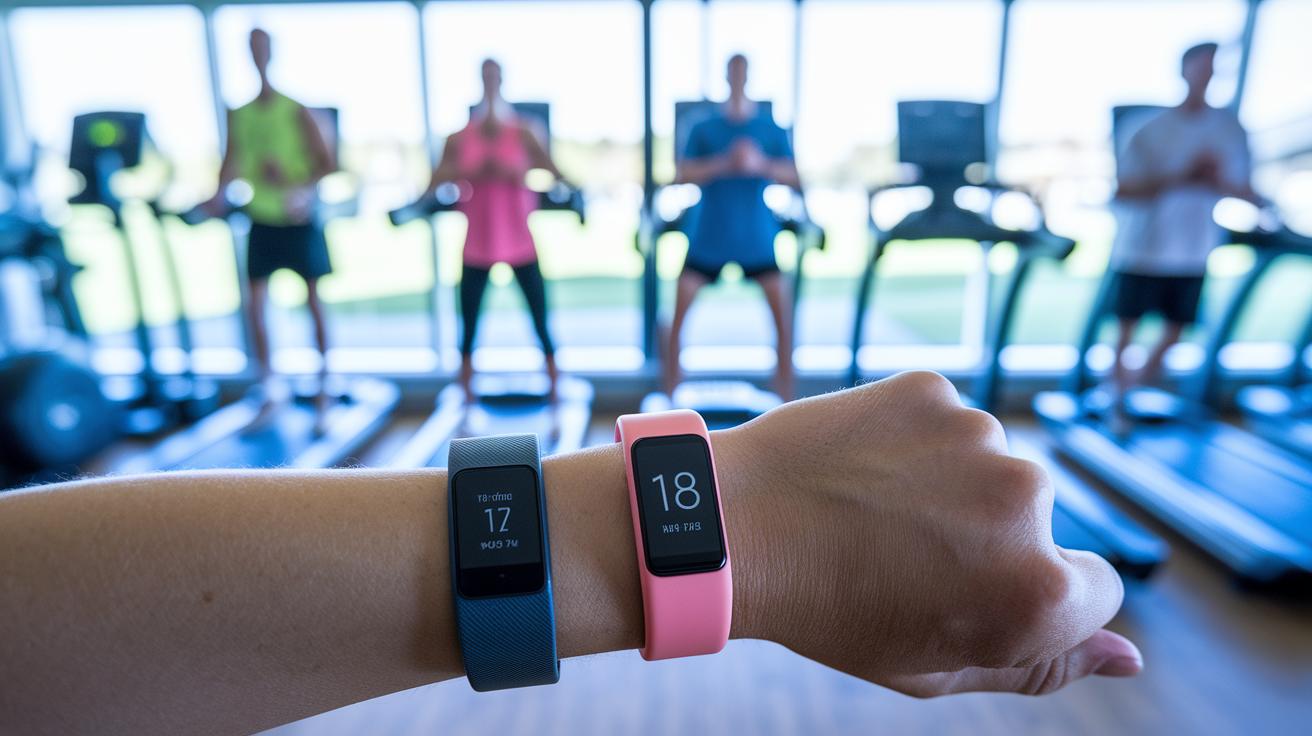
Experts check fitness tracker accuracy with hands-on tests done in real life. Since 2017, they have put trackers side-by-side to see how they work in everyday settings. These tests help set calibration standards and improve sensor technology.
They compare your heart rate measured by the tracker’s optical sensor with a traditional chest-strap sensor. They also match calorie burn estimates against full metabolic tests (which measure how your body uses energy). Testers check activity tracking during cardio sessions, gym workouts, and even when the tracker detects movement on its own. Sleep tracking is examined for both the time you sleep and the breakdown of sleep stages. Companion app data is reviewed too, focusing on how easy it is to understand the information. Lastly, wearability is assessed by looking at comfort, size, and battery performance in daily use.
A diverse team of fitness experts, personal trainers, and athletes join these tests. Their real-world experiences with structured workouts and casual exercise help make the results practical and reliable.
This thorough approach shows clear proof of each tracker’s reliability. You can trust these ratings because they come from solid tests that mirror everyday life.
Heart Rate and Calorie Burn Accuracy in Leading Fitness Trackers
Heart Rate Accuracy Analysis
When comparing heart rate readings, we often use chest straps as the gold standard. For example, the Forerunner 265 uses a multi-band GPS and an improved optical sensor, and its measurements are usually within 1–2 beats per minute (bpm) of a chest strap. This means its numbers are very close to the traditional method. However, not all trackers perform the same. The WHOOP 5.0, for instance, offers continuous heart rate and heart rate variability (HRV) tracking but can sometimes lose its signal, which affects its overall accuracy. If you want to see a side-by-side comparison, check out a trusted guide on heart rate fitness trackers.
Tests also show that most devices work best during steady activities like running or cycling. They might show slight differences in high-intensity or dynamic workouts, though many keep deviations under 3 bpm during sleep. This consistency helps when you’re monitoring your sleep patterns.
Calorie Burn Tracking Accuracy
Calorie estimates are usually fine-tuned using lab-based tests. These tests compare the tracker’s data with controlled metabolic studies done during moderate, everyday workouts. For example, the Fitbit Charge 6 has calorie readings that line up within about 5% of lab measurements, making it a good tool for tracking daily activity. That said, no device can measure calorie burn with 100% precision for every type of workout. Individual metabolism and workout intensity can cause slight variations, so it’s best to view these numbers as reliable estimates rather than exact counts.
Most Accurate Fitness Tracker: Unrivaled Precision
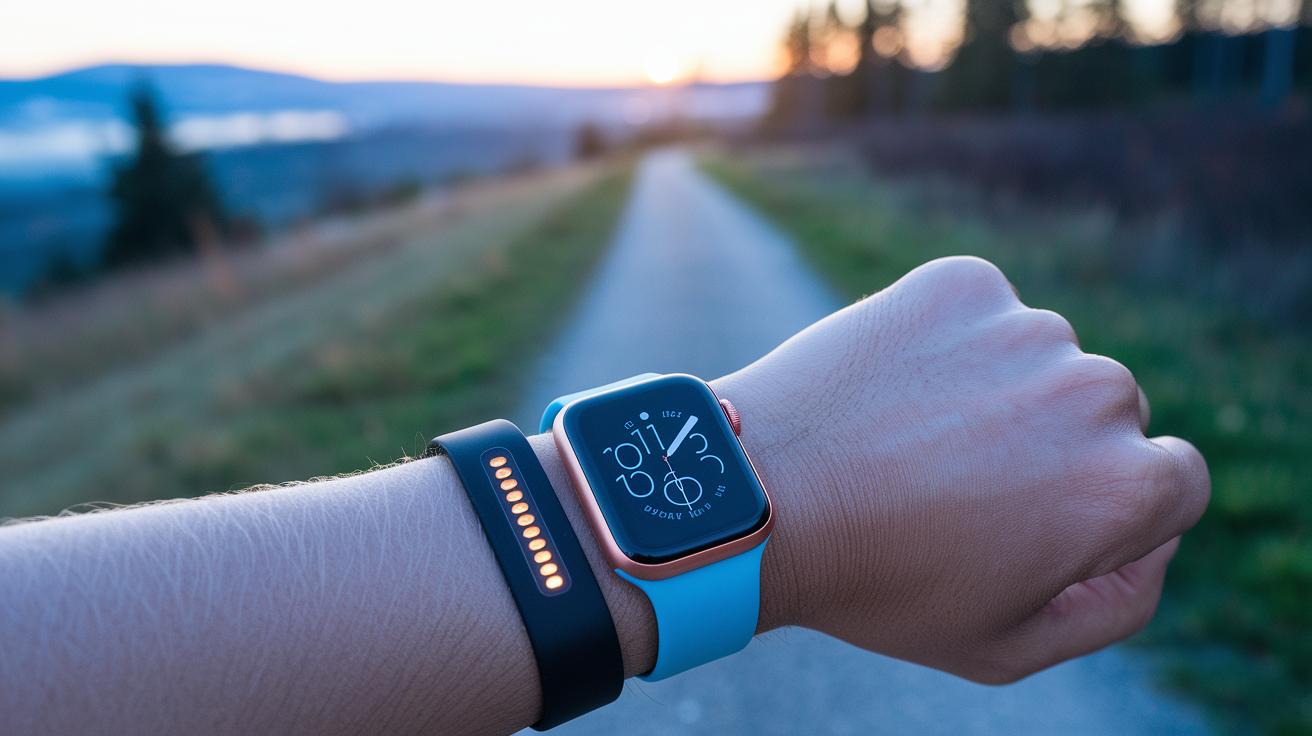
Most fitness trackers use a light-based method (photoplethysmography, or PPG) to check your heart rate. Some even add an ECG sensor for clinical-grade readings you might see in advanced devices.
Many devices combine multi-band GPS with GLONASS to nail your location and pace within about 5 meters. This means your runs and workouts come with dependable outdoor data. They also use a tri-axis accelerometer and gyroscope to track your steps and complex movements. Whether you’re walking, biking, or doing a high-intensity circuit, your activity is logged with care.
Extra sensors for temperature and blood oxygen (SpO₂) help give better calorie estimates and improve sleep tracking. Firmware updates and smarter algorithms work behind the scenes to fine-tune the data. Think of it like polishing a mirror, the clearer the image, the more you can trust your daily health insights. Ongoing updates in hardware and software keep these trackers at the cutting edge of accuracy.
Pros and Cons of the Top Accurate Fitness Trackers
Garmin Forerunner 265 gives you a deep dive into your workouts with advanced stats like VO₂ max (a measure of how well your body uses oxygen) and Body Battery insights (an energy level gauge). These high-end features are perfect for athletes who crave detailed data. However, its higher price tag might put off users who are budget-conscious.
Garmin Venu 3 boasts a bright AMOLED screen that makes its health data pop. It tracks stress, breathing, and more with clear and vibrant visuals. That said, the interface can take some getting used to, so it might feel challenging when you first start.
Oura Ring Gen 4 is a discreet option for those who prefer a subtle look. It shines by offering sleep insights and HRV analysis (heart rate variability, which helps track recovery). On the downside, unlocking all its features comes with a subscription, and the device lacks a screen for quick data checks on the go.
Fitbit Charge 6 is a solid choice for everyday tracking. It reliably counts your steps and estimates calorie burn, making daily monitoring simple. Some users, though, have noted that customer support could be better if you need help.
WHOOP 5.0 continuously monitors strain and recovery to help athletes fine-tune their performance. Its ongoing data support is great for tracking trends over time. However, this model requires a subscription and doesn’t have an onboard display, which might not suit everyone.
Buyer Guide to Selecting Your Most Accurate Fitness Tracker
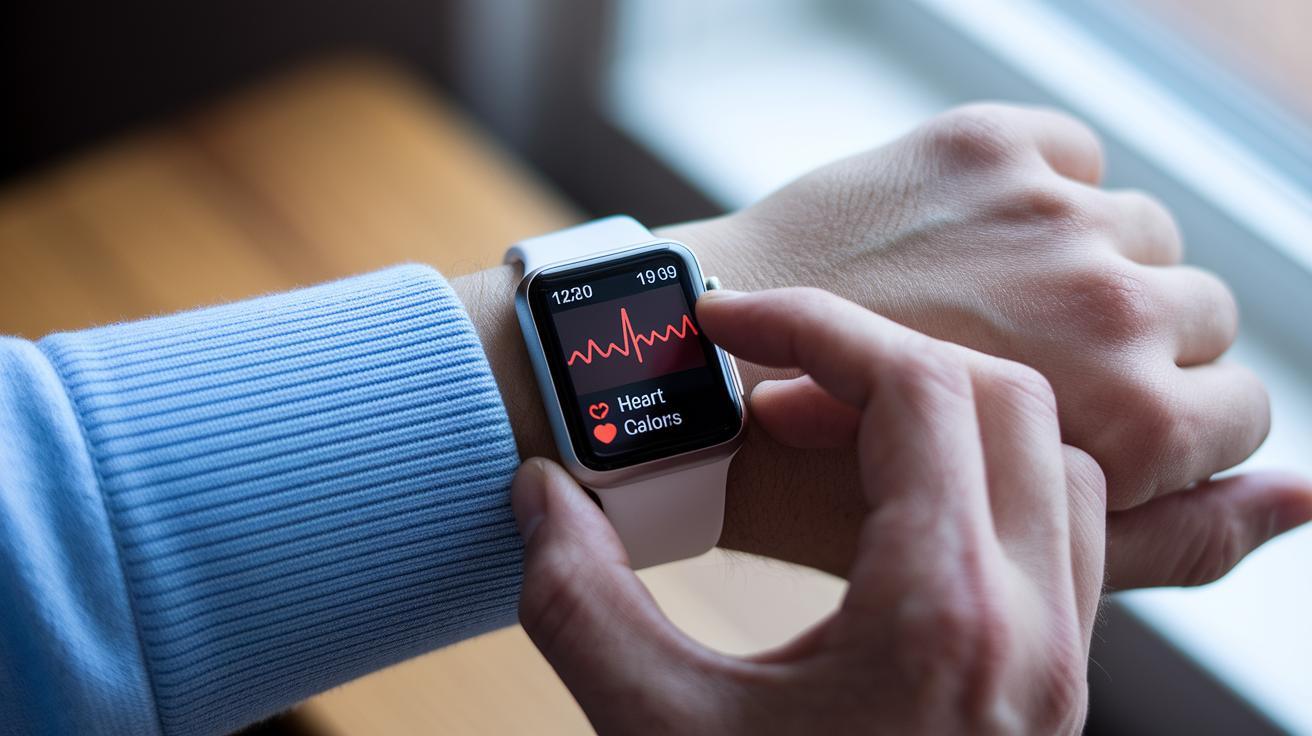
When you begin your search, first decide which features are most important to you. Do you need accurate heart rate monitoring, calorie counting, sleep tracking, or multi-sport data? Knowing your priorities makes it easier to pick a tracker that meets your needs.
- Metrics: Choose devices that shine in the areas you care about. Some trackers have advanced sensors for better heart rate and calorie readings, while others offer detailed sleep tracking.
- Budget Tiers: For casual tracking, reliable yet affordable options like the Galaxy Fit3 or Amazfit Band 7 work well. Midrange models such as the Charge 6 balance features with cost, and premium trackers like the Forerunner 265 or Venu 3 deliver top-notch, advanced data.
- Battery Life: Consider how long you need your tracker to last. Certain models like some Apple Watch versions may offer around 2 days of use, while many Garmin bands or rings can last 14 or more days.
- Form Factor: Select the style that’s most comfortable for you, whether that’s a watch, ring, or band.
- App Quality: A simple, user-friendly app can make checking your progress every day much easier.
- Platform Compatibility: iOS users might favor the Apple Watch Series 10, while Android fans often choose the Galaxy Watch5.
Final Words
In the action, this article broke down key elements like sensor technology, measurement methods, and pros and cons, giving you a clear view of each option. We highlighted practical insights and research-backed facts, helping you decide on the most accurate fitness tracker for your daily routine. The guide offered bite-sized tips for making evidence-informed choices while keeping data easy to follow. Small steps now can lead to noticeable improvements. Keep exploring and experimenting, and remember that every bit of movement, nutrition, and rest counts toward a healthier you.
FAQ
What do users say is the most accurate fitness tracker and wearable device?
The review of community forums reveals that devices like Garmin Forerunner 265 and Oura Ring Gen 4 often lead discussions, thanks to advanced metrics and proven real-world accuracy.
What are the most accurate fitness trackers for women and men?
Many find that both men and women benefit from trackers offering tailored insights; options like Fitbit Charge 6 and Garmin Forerunner 265 deliver reliable heart rate, sleep, and activity data for diverse needs.
What is the most accurate fitness tracker for calories burned?
Studies show that devices like the Fitbit Charge 6 provide calorie burn estimates closely aligned with lab tests, giving users confidence in their workout metrics.
Which device is the most accurate fitness tracker ring?
The Oura Ring Gen 4 stands out by offering precise sleep and heart rate variability insights in a discreet, ring-shaped design for continuous monitoring.
Which fitness tracker app is considered the most accurate?
Companion apps from Fitbit and Garmin are praised for their clear data presentation and reliable tracking algorithms that enhance overall workout and health analysis.
What are the standout features of Garmin fitness trackers?
Garmin offers advanced GPS, heart rate, and health metrics across models like Forerunner 265, Venu 3, and Vivoactive 6, making them favorites for performance tracking.
What smart watch do cardiologists recommend?
Many cardiologists point to devices like the Fitbit Sense 2, as its precise heart rate, stress, and temperature monitoring deliver useful insights for overall heart health.
What features define the Fitbit Charge 6 Fitness Tracker?
The Fitbit Charge 6 offers reliable step counts, calorie estimates, and an intuitive touchscreen interface, all at a friendly price point for everyday tracking.
What can you expect from the WHOOP 5.0 12-Month Membership for fitness tracking?
WHOOP 5.0 focuses on continuous strain and recovery monitoring with detailed data insights, though it requires a subscription for access to its full suite of features.
What benefits does the Garmin Vivoactive 6 Smartwatch provide?
The Garmin Vivoactive 6 delivers an impressive 11-day battery life, built-in GPS, swim tracking, and smartphone alerts, making it a robust all-round fitness companion.
| Device | Accuracy Rating | Battery Life | Key Strength |
|---|---|---|---|
| Garmin Forerunner 265 | 8.5 | Up to 7 days | Advanced metrics and multi-band GPS |
| Garmin Venu 3 | 8.0 | Up to 5 days | Vibrant AMOLED display and detailed health tracking |
| Garmin Vivoactive 6 | 8.0 | 11 days | Extended battery life and swim tracking |
| Oura Ring Gen 4 | 8.5 | Approximately 7 days | Top-notch sleep tracking and HRV insights |
| Fitbit Charge 6 | 8.0 | Up to 7 days | Accurate everyday tracking at a budget-friendly price |