
Are you still tired after what should be a full night's sleep? About 30 out of every 100 night shift workers face sleep challenges that can come with unexpected health risks. Think of sleep like a meeting you can't miss, it happens at the same time every day and is essential for feeling your best. By sticking to a regular sleep schedule, you can lessen these issues and wake up feeling more refreshed. Let's break down a simple plan to help you get the rest you need, no matter when your shift ends.
Designing a Sleep Schedule for Night Shift Workers
When you wrap up your shift, treat your sleep time like starting a new day. Instead of scrambling to adjust, stick to a clear sleep plan that mimics your usual bedtime routine. This steady approach helps lessen the effects of night work and keeps your body on track. Research shows that up to 30 out of 100 night shift workers face sleep problems, which can raise risks for heart issues, diabetes, and other metabolic conditions.
Plan for 8 to 8.5 hours of smooth, uninterrupted sleep. Begin with a wind-down period to help your mind and body relax. This simple step sets your inner clock and supports both clear thinking and overall wellbeing. Think of your sleep schedule as an important appointment, one that you simply cannot miss.
Here’s a straightforward guide to build your evening rest routine:
- Pick a fixed bedtime: Choose the same time to go to bed every day.
- Plan a wake-up time: Set a consistent time to start your day.
- Create a wind-down routine: Do calming activities like reading or deep breathing.
- Adjust your lighting: Dim your lights as you get ready for sleep.
- Skip stimulants: Avoid caffeine and nicotine for several hours before bed.
- Set up a quiet space: Use blackout curtains and keep noise to a minimum.
Following these steps can help train your body to know when it's time to rest and reduce the negative impact of an irregular schedule.
Managing Circadian Rhythms and Shift Work Sleep Timing

Your body clock works with signals from light and eating. If you work at night, your sleep may end up fragmented during the day, leaving you feeling out of sync. To help adjust, try using natural cues around you. For example, expose yourself to bright light right when you start your day, even if it feels odd at first.
Meal timing also plays a big role. When you wait 12 to 16 hours before your main meal after waking up, your body begins to reset its hormone and energy cycles. Start by slowly delaying your last meal during your shift, then have breakfast when you're ready to kick off your day. This small change can send clear signals to your body about when to sleep and when to be alert.
Switching from night to day work can feel like dealing with a mild case of jet lag. Think of it like setting a clock: every changed hour might need about one day to adjust, so a 12-hour shift might take around 12 days. With patience and these gradual steps using morning light and adjusted meal times, you can realign your sleep patterns and ease the strain on your natural rhythm.
Creating a Restful Environment for Daytime Sleep
If you're trying to sleep during the day, setting up a room that feels calm and dark can really help. A quiet, cool, and dark space tells your body it's time to rest, even when the sun is bright outside.
Here are a few simple tips for changing your bedroom:
- Darkening: Use blackout curtains or an eye mask to block out light.
- Sound Masking: Try a white-noise machine or earplugs to quiet outside sounds.
- Cooling: Keep your room between 60°F (15°C) and 67°F (19°C) for a comfortable sleep.
- Light Timers: Set your lights or shades to slowly dim as you wind down.
- Digital-Device Management: Cut back on screens to lower blue light, which can keep you awake.
Each tip helps in its own way. Dark curtains or an eye mask can boost your body’s melatonin, the natural sleep hormone. White-noise machines cover up distracting sounds, and a cool room makes it easier to reach deep sleep. Automated lighting gives a steady signal that it’s time to relax, and reducing screen time can limit disruptive blue light. Together, these changes create a cozy spot for refreshing daytime sleep.
Strategic Napping and Mid-Shift Rest Periods

If you work the night shift, a short nap can give you a boost. A 20- to 30-minute break is just enough to clear your mind without letting you slip into a deep sleep that might slow you down. Research shows that these quick naps can help you stay focused and refreshed.
Plan your nap early in your shift. Napping too late might interfere with your main sleep after work, which is important for recovery. Try to find a calm, quiet space where you can truly relax. This simple pause can boost your energy, reduce mistakes, and keep you on track as fatigue sets in.
Think of your nap as a little recharge between work sessions. It isn’t a replacement for a full night's sleep but a helpful part of your overall sleep plan. Taking these short breaks can make your night shift more manageable while keeping your performance steady.
Optimizing Meal Timing and Nutrition for Night Shifts
Your body clock works like a built-in timer that reacts to both light and food. Eating at the right moments can help your body settle into a rhythm that fits your night shift. Start your shift with a hearty meal, think a bowl of oatmeal with fruit or whole-grain bread with peanut butter. This not only fuels you slowly but might even lower your risk of a stroke.
Plan a few snacks to keep your energy steady through your long shift. Fresh fruits, a handful of nuts, or a cup of yogurt are great for keeping your blood sugar stable, which helps dodge those mid-shift energy dips. Also, keep an eye on your caffeine. Try to limit it to about 400 mg a day (roughly 3-4 cups of coffee) and skip any caffeinated drinks at least five hours before you plan to sleep. Doing this can really help you wind down at the end of your shift.
Remember to drink water often. Sipping water throughout your shift not only keeps you alert but also helps prevent dehydration that can make you feel tired. When you plan your meals and water breaks just right, you support your inner clock and enjoy better energy for work and sleep. Small, consistent changes like these can boost your overall well-being.
Maintaining Consistency and Handling Schedule Transitions
Monitoring Sleep Patterns with Technology
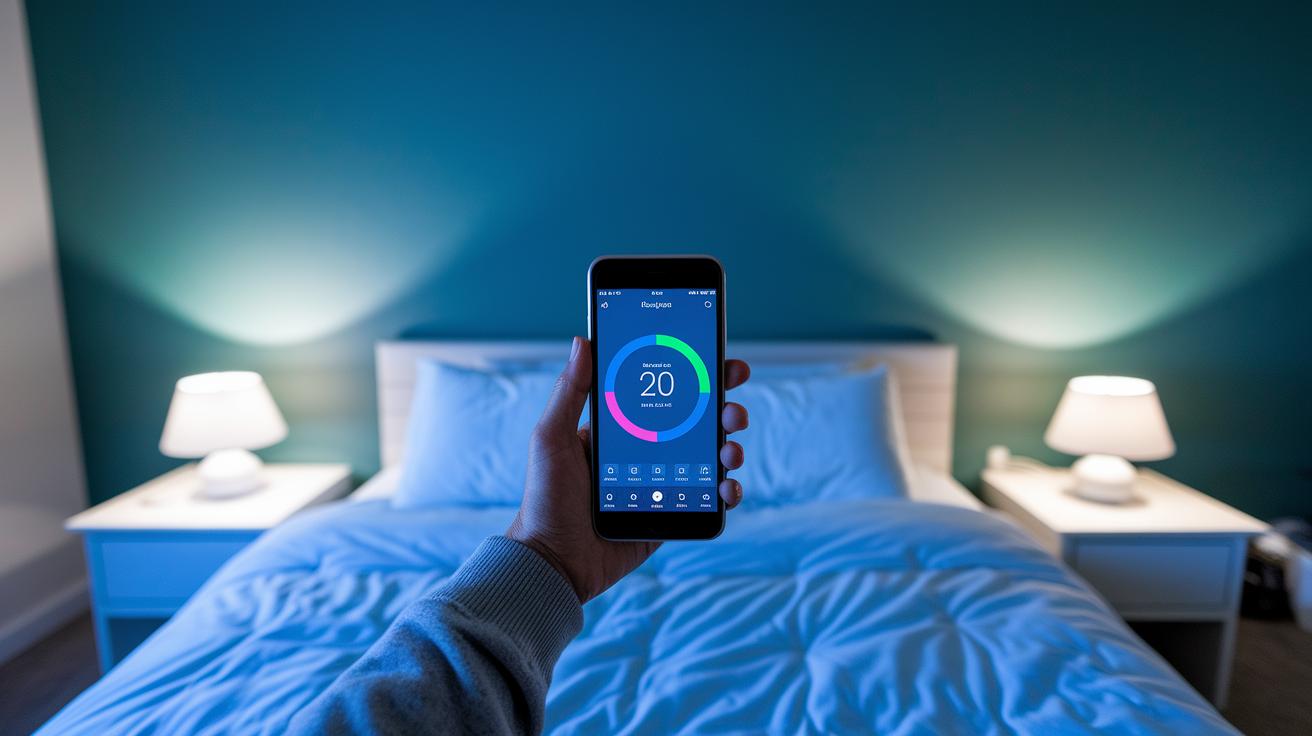
Try using sleep apps that let you tag your activities and offer AI prompts (automated suggestions) to track how long and how well you sleep. These tools help you notice your sleep patterns and give simple tips based on your trends. Keeping an eye on your sleep data each day can guide small adjustments and remind you to stick to your set sleep and wake times, even on off days. Over time, these insights can make your routine more steady and ease the bumps that come with shift changes.
Post-Shift Unwinding Activities
After a long shift, take some time for calming activities that signal to your body it's time to relax. A warm bath, a bit of gentle reading, or a few minutes of mindfulness can lower your stress and set a peaceful tone for sleep. Creating this kind of ritual tells your body, "It's time to wind down," which can help you settle back into your regular sleep schedule. Also, keeping your appointments and other commitments organized on a calendar can prevent last-minute stress. This consistency helps align your body clock, making transitions between shifts smoother and promoting a deeper, better rest.
Final Words
In the action, we covered building a sleep schedule for night shift workers with practical steps, from fixing bedtimes and managing light exposure to creating a dark, quiet sleep environment. We also touched on timed nutrition, smart napping, and using technology to track sleep patterns. Every tip supports steady routines that boost both mood and alertness. Small changes can make a big difference. Keep working on your routine and feel confident that your sleep schedule for night shift workers will help you rest better day by day.
FAQ
What is a 12 hour night shift sleep schedule example?
A 12-hour night shift sleep schedule example means arranging a long sleep block soon after your shift ends. For instance, if you finish at 7am, try to sleep from around 8am to 4pm consistently.
What is the best sleep schedule for night shift workers on a 7pm to 7am shift?
The best sleep schedule for a 7pm to 7am shift involves planning a fixed sleep period after your shift. For example, aim to sleep from 8am to 4pm, using blackout curtains and a quiet room to support quality rest.
What is an 8 hour night shift sleep schedule example?
An 8-hour night shift sleep schedule example means you secure a full 8 hours of sleep after your shift. If you finish at 7am, you might aim to sleep from 8am to 4pm in a dark, cool room for better sleep quality.
How does a night shift sleep schedule calculator help?
A night shift sleep schedule calculator helps by suggesting optimal sleep and wake times based on your shift and personal habits. It factors in wind-down routines and light exposure to enhance your sleep consistency.
What is a typical daily routine for night shift workers and nurses?
A typical routine for night shift workers and nurses includes a steady sleep block after the shift, planned wind-down activities, meal timing that matches your wake period, and controlled light exposure to help reset your internal clock.
What is the 10 4 3 2 1 sleep rule?
The 10 4 3 2 1 sleep rule outlines a sleep hygiene guide. It suggests allotting time in bed for a full sleep cycle, avoiding stimulants 4 hours before, waiting 3 hours after eating, winding down 2 hours prior, and spending 1 hour in calm activities before sleep.
What time should night shift workers sleep and how should I sleep if I work night shift?
Night shift workers should plan to sleep soon after finishing their shift. For example, if you end work at 7am, start your wind-down routine and aim to sleep by 8am, maintaining a consistent sleep environment every day.