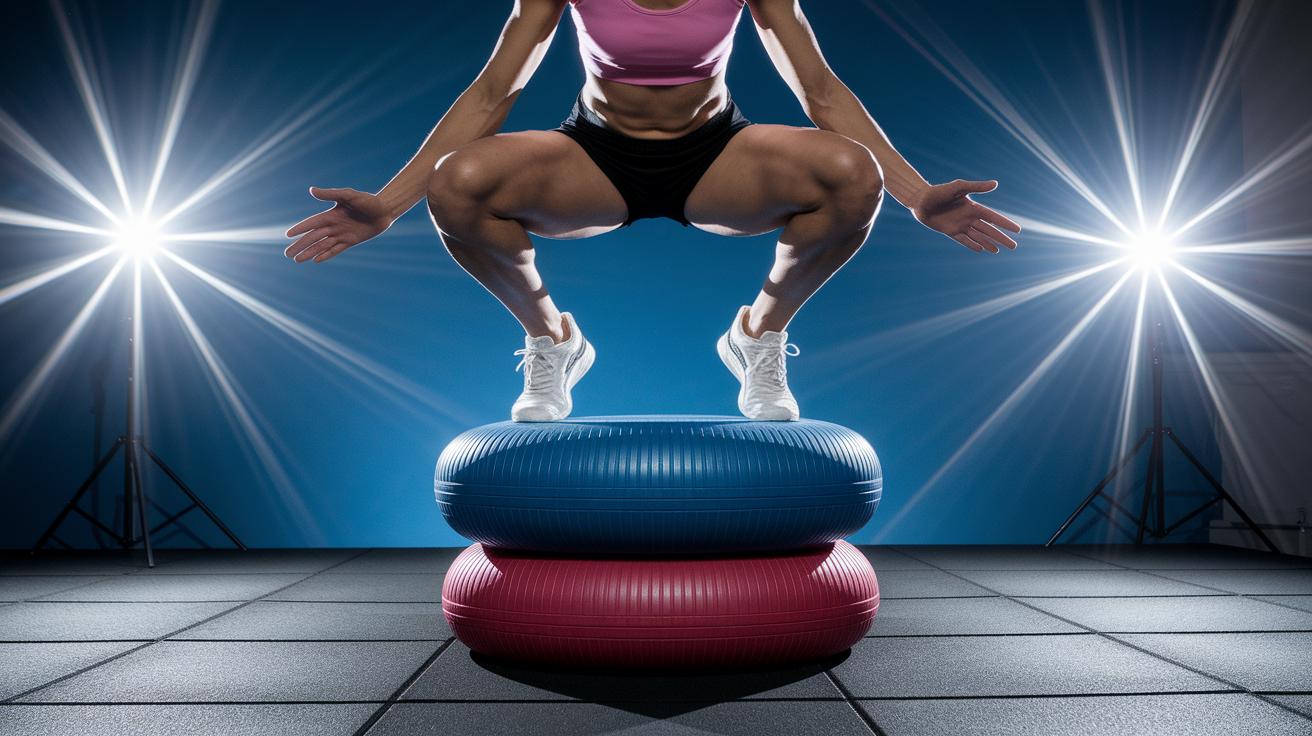
Ever wonder if stronger legs could give you a boost in everyday power? Building your leg strength not only tones your lower body but also helps stabilize your core and increases daily energy. In this guide, we show you 7 easy leg exercises, including back squats (a move that strengthens your thighs and hips) and deadlifts (an exercise that builds both leg and lower back strength). Follow these simple steps, and with each rep, you'll build strength and confidence you can feel.
Top Lower-Body Strength Routines and Proper Form
| Exercise | Primary Muscles | Sets & Reps | Equipment |
|---|---|---|---|
| Back Squat | Quads, Glutes, Core | 3–4×6–12 | Barbell or Dumbbells |
| Deadlift | Hamstrings, Glutes, Erectors | 3–4×6–10 | Barbell or Dumbbells |
| Forward Lunge | Quads, Glutes, Hamstrings | 3×8–12 each leg | Bodyweight/Dumbbells |
| Bulgarian Split Squat | Quads, Glutes | 3×8–10 each leg | Dumbbell |
| Glute Bridge | Glutes, Hamstrings | 3×12–15 | Bodyweight/Barbell |
| Standing Calf Raise | Calves | 4×12–15 | Machine/Dumbbells |
Back Squat
Stand with your feet about hip-width apart. Rest the bar securely on your upper or middle back. Imagine you are about to sit in an invisible chair, lower yourself until your hips drop slightly below parallel. Keep your knees in line with your toes. Then, push through your heels and stand up while keeping your back straight. This move builds strength in your quads, glutes, and core.
Deadlift
Begin by bending at your hips, keeping your back flat throughout the movement. Keep the bar close to your shins as you lift. Raise the bar in a straight line until you are fully upright, and square your shoulders with your hips at the top. This exercise works your hamstrings, glutes, and lower back, and a steady bar path helps boost your stability.
Forward Lunge
Step forward about three-quarters of your leg length to get a balanced stride. Keep your chest up and let your front knee line up directly above your ankle. Lower your body until both knees are gently bent, then push off your front foot to return to the start. This lunge improves balance and strengthens your quads, glutes, and hamstrings.
Bulgarian Split Squat
Stand in a split stance with your back foot resting on a bench or sturdy chair. Lower your body slowly while keeping your upper body straight so that your front knee stays directly over your foot. Distribute your weight evenly on your front leg as you lower yourself. This exercise targets your quads and glutes, helping you build power and balance.
Essential Pre-Workout Warm-Up and Mobility for Leg Strength

Start with a quick 5-minute low-intensity cardio warm-up to get your blood flowing and alert your muscles for a stronger workout. This simple routine wakes up your quads, hamstrings, glutes, and hip flexors, making your legs ready to work harder. Try turning your warm-up into dynamic moves that boost your performance.
- Jog in place or do jumping jacks for 1 minute. This helps raise your heart rate and signals your body that it’s time to move.
- Do 10 lunges on each side with a slight twist at the end. This move not only stretches your hips but also prepares them for action.
- Swing each leg forward and back 10 times. These leg swings help loosen your hip joints.
- Swing each leg side-to-side 10 times. This boosts the lateral (side-to-side) mobility of your hips.
- Run in place with high knees for 30 seconds. This quick move wakes up your hip flexors and core.
- Do butt kicks for 30 seconds. Try to kick your heels toward your glutes to stretch your quadriceps and fire up your muscles.
This warm-up lays a solid foundation for an effective lower-body strength workout.
Accessory and Isolation Moves to Enhance Lower Body Power
After you finish your heavy compound lifts, try these extra moves to focus on specific muscles. They help wake up your muscles and improve your balance with rep ranges that feel doable.
Glute bridges strengthen the muscles at the back of your body and support a stable hip. Do 3 sets of 12 to 15 reps using your body weight, or add a weight on your hips if you want more of a challenge. Picture lying on your back and pushing through your heels, feel your glutes tighten at the top of each lift.
Hamstring curls target the muscles along the back of your legs. Use either a machine or a stability ball to perform 3 sets of 10 to 12 slow, steady reps. Each curl focuses on your hamstrings with controlled motion that builds tension in the muscle.
Standing calf raises work the muscles in your lower legs. Complete 4 sets of 12 to 15 reps by lifting your heels and balancing on your toes. Give yourself a brief pause at the top to help build calf strength and endurance.
Cable leg extensions zero in on your front thigh muscles. For each leg, do 3 sets of 10 to 12 reps by straightening your knee against resistance. This smooth motion helps you fine-tune control in your quadriceps.
Single-leg Romanian deadlifts challenge your balance while working both the hamstrings and glutes. Aim for 3 sets of 8 reps on each leg. Keep your back flat and bend at the hip, turning a basic exercise into a test of balance and stability.
Designing Leg Strength Workouts: Frequency, Volume, and Progression
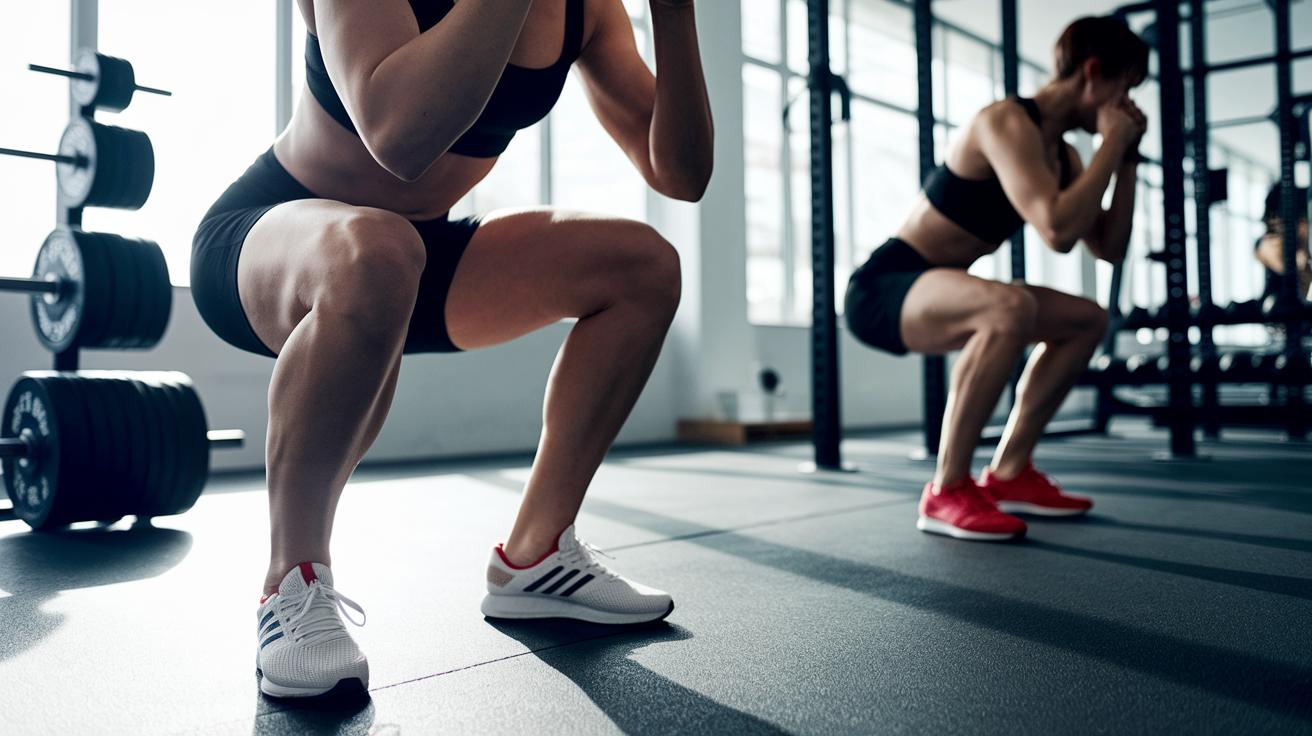
Start with a workout plan that matches your level. If you're new to strength training, try doing one leg session each week. Focus on getting your form right with three to four exercises. Mix in big moves like squats and deadlifts first, then finish with one or two single-muscle exercises.
If you already have some experience, aim for two to three leg workouts every week. This approach helps you complete around 5 to 10 sets for each muscle group over the week.
When planning your workout, start with the heavy, multi-muscle exercises while you're full of energy. Then, switch to exercises that target one muscle at a time. A great way to boost your strength is progressive overload. This means you gradually make your exercises tougher, by adding a bit more weight, doing more reps, or squeezing in an extra set every 1 to 2 weeks.
Keep a simple log of your workouts. Write down the weights, sets, and any extra details of your sessions. This helps you spot improvements easily and know when you might need to back off a bit. Listen to your body, if you feel really sore, give yourself an extra day to rest before your next session.
Equipment and Equipment-Free Leg Workouts at Home
You can build strong legs at home without fancy gym gear. Use dumbbells, resistance bands, or just your own body weight. Try doing bodyweight squats for a quick workout you can do anywhere. If you're beginning, check out these simple bodyweight moves to build muscle (https://bezenn.com?p=714). Workouts like prisoner get-ups, where you place your hands behind your head while squatting, also help boost balance and stability.
You can add resistance bands to make your exercises tougher. For example, banded side steps target your outer thighs and hips. Just wrap a band around your legs and take 10 to 15 side steps. For a burst of power, try jump squats. These moves are fun and add challenge to your routine. A little extra tip: holding a pair of dumbbells during your lunges can help build your quads, glutes, and hamstrings.
A simple home leg workout might look like this:
- 15 bodyweight squats
- 10 prisoner get-ups
- 12 banded side steps in each direction
- 10 jump squats
- 12 lunges per leg
These workouts usually take 15 to 30 minutes. You can change the band tension or add more weight to match your strength level and goals. Enjoy the workout and build strong legs step by step!
Modifications for All Levels: Beginner to Advanced Leg Training
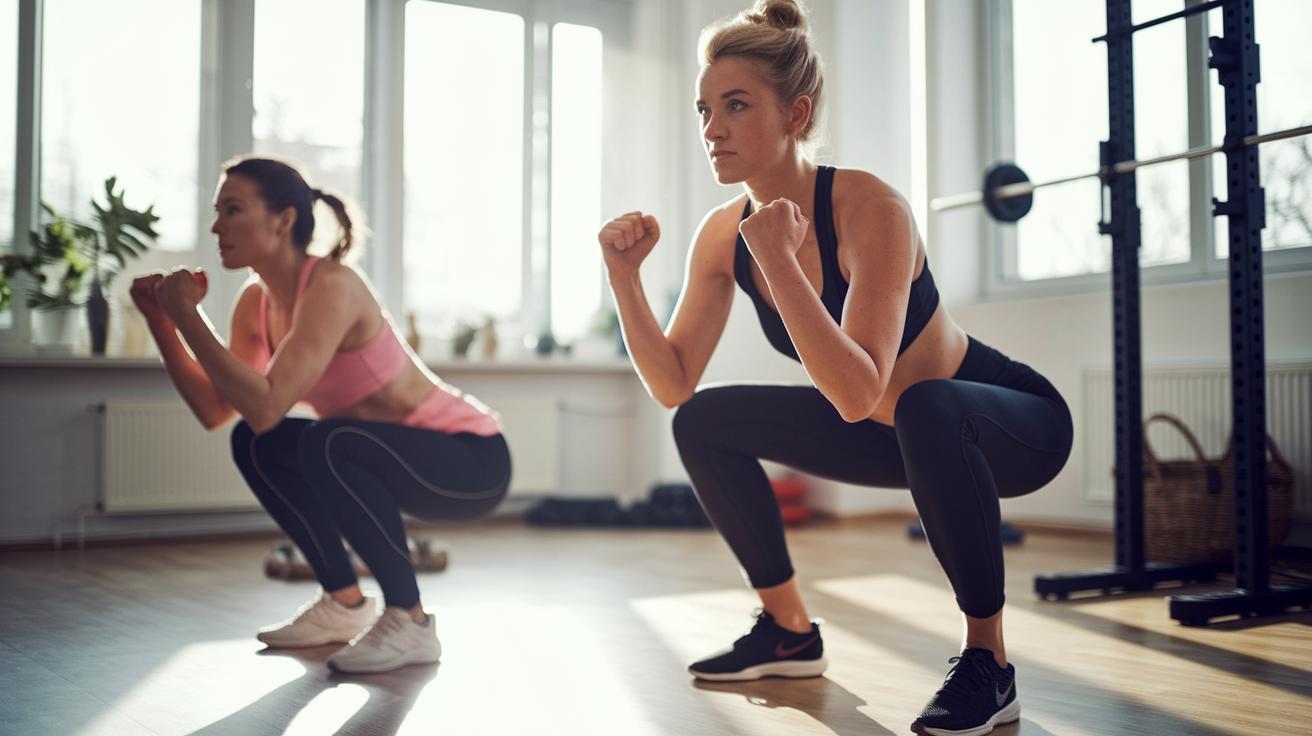
If you're just starting out, try simple exercises like bodyweight squats, static lunges, and glute bridges. These moves build a strong base without needing extra weights. Focus on slow, steady movements and good form. For instance, when doing a glute bridge, hold the top position for a second to really engage your muscles.
For those with a bit more experience, add a small challenge by including dumbbells with your lunges or switching to split squats. This extra load ramps up the difficulty while still emphasizing balance and form. You can also change your tempo or the range of motion (how far you move) to give your muscles an extra push. Even a slight pause at the bottom of a squat can help deepen your muscle work.
If you’re advanced in your training, mix in explosive moves like jump squats or jump lunges to boost power. Single-leg Romanian deadlifts are also a fine choice for working on stability and building strength on each side. If balance ever becomes an issue, consider using a TRX band or leaning against a wall for added support. This step-by-step approach lets you modify exercises to match your strength level and address any imbalances.
Nutrition, Recovery, and Injury Prevention for Stronger Legs
Building strong legs isn’t about gym time alone, it’s also about giving your body the right fuel and enough recovery. Aim for 1.6 to 2.2 grams of protein per kilogram of body weight to help your muscles grow. Pair that with enough carbohydrates and calories to power your workouts. For example, try starting your day with oatmeal mixed with Greek yogurt and berries to give your muscles the building blocks they need.
After a hard leg workout, take 5 to 10 minutes to cool down. Stretch or use a foam roller to ease tight muscles and support recovery. Also, give your legs about 48 hours of rest between intense sessions. This break allows your muscles to repair and lowers the risk of overuse injuries.
Here are some key tips to help prevent injuries:
- Use proper form on every exercise to protect your joints.
- Increase weight or resistance gradually to avoid straining your body.
- Wear good shoes that provide support and stability.
- Add exercises that strengthen the muscles around your knees and ankles.
Follow these nutrition, recovery, and safety tips to build muscle safely and help your legs stay strong over time.
Final Words
In the action, you can start by integrating key compound movements like back squats and deadlifts into your workout routine. The guide breaks down each leg exercise for strength training with clear form tips and programming tips that work for every level. It also highlights warm-ups, accessory moves, and recovery strategies that keep you safe and build power gradually. Every step helps you make small, sustainable improvements and feel positive about your journey to better strength and health.
FAQ
What are effective leg exercises for home workouts?
Effective leg exercises at home include squats, lunges, Bulgarian split squats, and glute bridges. These moves can be done with bodyweight, dumbbells, or resistance bands to build strength.
What are effective gym-based leg exercises for both men and women?
Gym workouts often feature back squats, deadlifts, and forward lunges. These compound moves target major leg muscles, and using proper form ensures strength gains regardless of gender.
What is the best leg exercise for strength?
The back squat is often considered the best leg exercise for strength. It engages the quads, glutes, and core while allowing progressive overload for consistent gains.
Are 4 or 5 exercises enough for leg day?
A leg workout with 4 to 5 well-chosen exercises can cover major muscle groups if it includes compound moves and a few accessory exercises. Adjust based on your fitness level for balanced training.
What is the 3-3-3 rule in the gym?
The 3-3-3 rule usually refers to performing 3 sets of 3 different exercises with short rest periods. Since its exact meaning can vary, check with your trainer for the best approach.