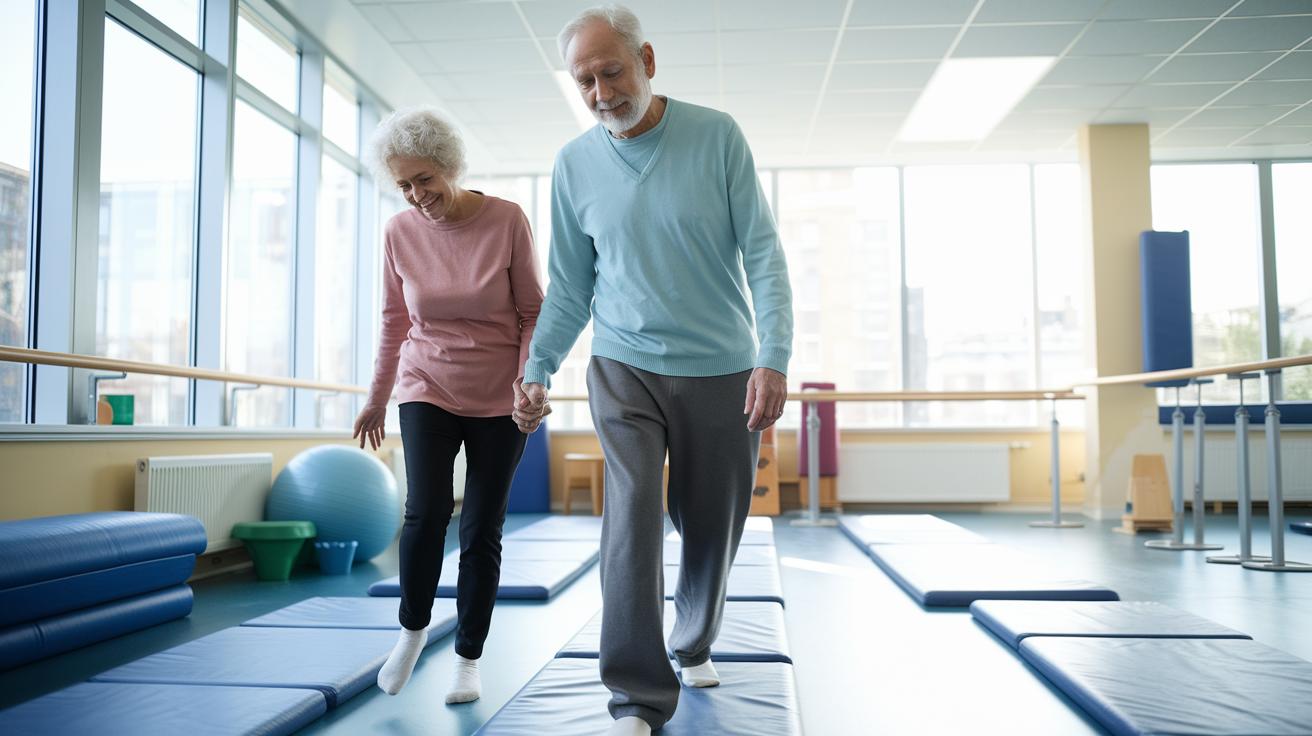
Quick take: Small changes can help you avoid falls and stay independent.
Every year, many older adults suffer from falls that can lead to injuries. You can lower your risk by adding easy steps to your day. Try simple balance exercises to build strength, make quick home safety tweaks like removing loose rugs or improving lighting, and ask your doctor to review your medications (ensuring none cause dizziness).
This approach helps you feel steadier and more confident every day. Small moves today can lead to a safer tomorrow.
Implementing Core Fall Risk Reduction Strategies
Every day, many older adults risk falling, which can lead to bad injuries and loss of independence. With around 36 million falls each year in people over 65 and previous falls predicting more trouble, reducing fall risks is very important. Taking action early can help stop fractures and hospital visits while keeping you active and confident.
Falls do more than hurt your body. They often lead to less movement and a higher chance of more falls. Since falls are the top reason for injuries in older adults, every small step you take can help you stay safe. If you have trouble moving or have fallen before, consider reviewing your medications, trying balance exercises, or making your home safer. Each small change can build a safer routine.
You can lower fall risks with a few simple steps. First, get a personal check-up that looks at your health and physical abilities. Next, work on strength and balance through exercises that help support your body. Keep your home safe by removing tripping hazards, drying up spills, and using better lighting. Also, look at your medications and take care of your bones to improve your strength. Finally, educate your family and support network so they can help notice early warning signs. Combining these steps gives you a strong plan to cut down on falls.
Personalized Fall Risk Assessment and Clinical Screening
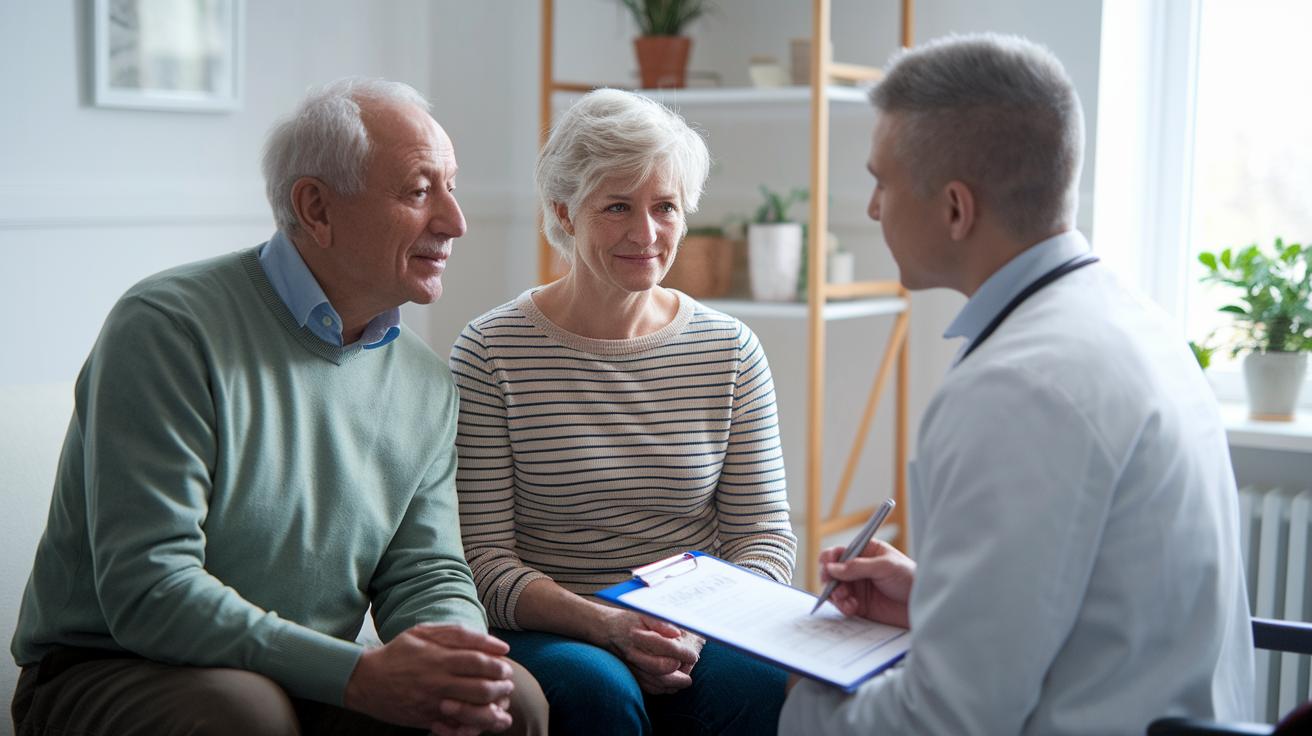
Regular check-ups with your doctor let you catch risks for falls early. Your doctor looks over your health and current medications using easy questionnaires. These yearly visits help spot problems before they lead to falls. One useful test is the 10-second one-leg stand. Recent studies show that having trouble balancing can be a sign of overall health issues. Many older adults have trouble with mobility, so these balance checks become key for planning simple, preventive steps. They make sure that past falls and current concerns don’t slip through the cracks.
Below is a guide to some common risk factors and their assessment methods:
| Risk Factor | Assessment Method |
|---|---|
| History of falling | Doctor interview and review of your medical history |
| Balance issues | 10-second one-leg stand test |
| Unsteady gait | Timed Up and Go test |
| Medication side effects | Thorough review of your medications |
| Vision problems | Vision screening |
Using these simple tests during your doctor’s visit can help tailor a plan that strengthens your balance and lowers the risk of future falls.
Fall Risk Reduction Strategies: Strength and Balance Enhancement Exercises
Targeted exercises can boost your core and leg muscles, helping you stay steady on your feet. When you work on your balance and strength, you build a natural defense against falls. A daily routine of simple movements can make you feel more secure and active at home. This kind of exercise not only strengthens your muscles but also sharpens your body awareness. Think of it as tuning up your car, small adjustments help everything run smoother. Even little steps throughout your day can lead to big improvements.
- Opposite arm and leg raise: Lift your arm and the opposite leg slowly to wake up your core muscles.
- Heel-to-toe standing: Line your feet up and balance carefully without any support.
- Sit-to-stand without hands: Use your leg muscles to stand up from a chair without relying on your arms.
- Single-leg stand: Practice balancing on one foot at a time to boost your coordination.
- Wall push-ups: Use a sturdy wall to perform gentle push-ups that build upper body strength for better balance.
Try fitting these moves into a daily circuit at home. For more ideas on strengthening your legs and core, check out the strength training resource for seniors at this link. Aim for 20–30 minutes per session, 3–5 days a week. With a steady routine, you can improve your balance and muscle power, making everyday activities safer. Over time, you might find that moving around feels easier and you feel more confident handling your daily tasks.
Fall Risk Reduction Strategies: Home Hazard Elimination and Environmental Safety Upgrades
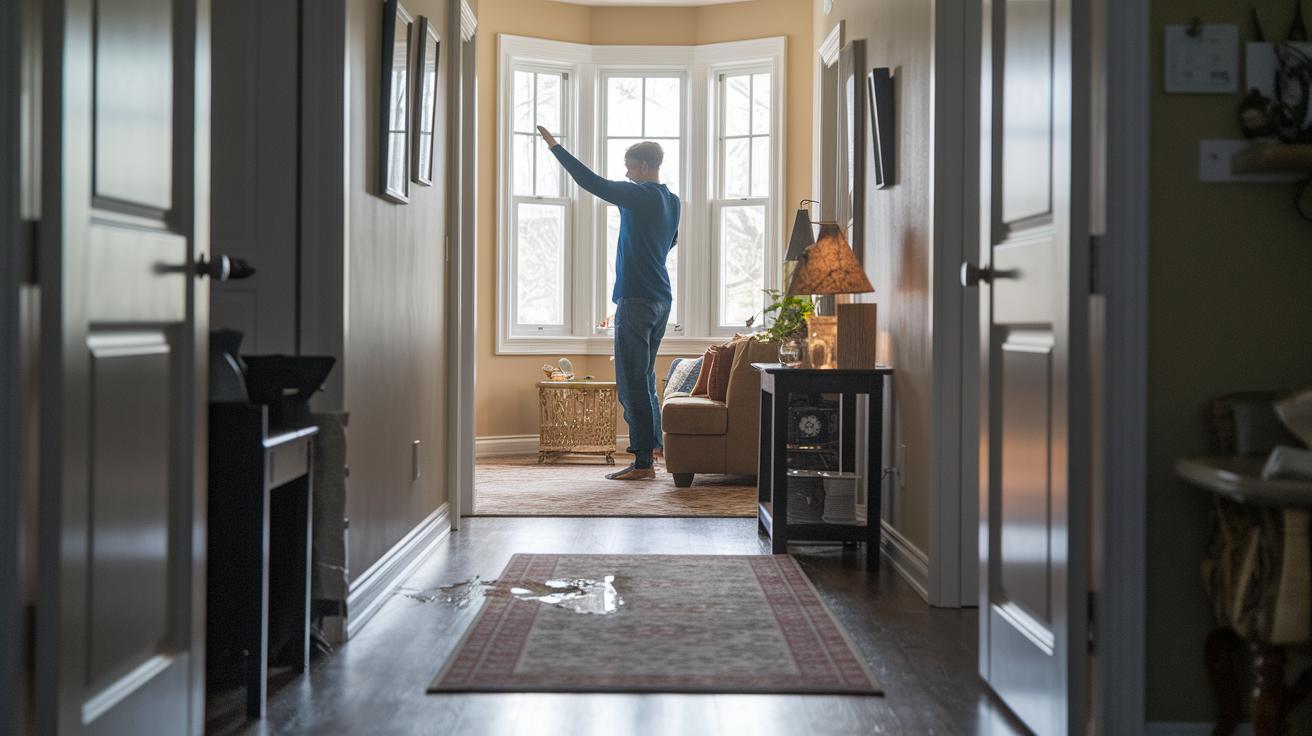
Take a walk through your home and check each room for tripping hazards. Look in the living room, kitchen, and bathroom to spot clutter and loose items. Secure or remove area rugs and clean up any spills. Each little change makes everyday movement safer.
Brighten up dark areas like hallways and stairs. Poor lighting can lead to missteps. Try putting in brighter bulbs or motion-activated lights so you can see your path clearly, especially in the early morning or evening.
Wear shoes that help you stay steady. Shoes with non-skid soles grip the floor better than loose slippers or worn-out shoes. Pair safe footwear with regular checks and lighting upgrades to keep your home a safer place.
Fall Risk Reduction Strategies: Assistive Equipment and Mobility Aid Guidance
If you find it hard to move around, the right walking aid can lower your risk of falling. Using canes or walkers prescribed by your doctor can help you feel steadier and more secure. It’s important to pick a device that fits you well and suits your lifestyle. A good match not only makes you safer but also supports your goal of staying active and independent.
Make sure you learn how to use your device properly with help from a professional. A healthcare expert can fit your mobility aid and show you safe ways to use it. Regular check-ins with your provider can keep your equipment in top shape and let you adjust it as needed. This careful training and routine review are key parts of any plan to keep you moving safely every day.
Fall Risk Reduction Strategies: Medication Safety Reviews and Bone Health Management

Checking your medications every year can really help cut down your risk of falling. When you see your doctor for an annual check-up, they can look over your current prescriptions and spot any that might cause dizziness or make you feel unsteady. This simple review helps match your medicines to your needs, keeping you safer day by day.
Keeping your bones strong is another great way to avoid injuries from falls. Boosting your bone strength with vitamin D (which helps your body absorb calcium) and enough calcium can reduce the chance of breaking a bone if you fall. Many doctors suggest getting a bone density test, especially if you have a long-term health issue or a history of injuries, to make sure your bones are in good shape.
Eating well plays a big part too. A balanced diet loaded with vitamin D, calcium, and other essential nutrients not only supports stronger bones but also builds your overall physical resilience. Teaming up with your healthcare provider to manage any ongoing conditions while keeping an eye on your nutrition can make a real difference. Together, these steps, from regular medication checks and bone care to smart food choices, can help lower your risk of a fall and lessen the impact if you do fall.
Fall Risk Reduction Strategies: Caregiver Training and Community Support Networks
Regular training and ongoing support can make a big difference in lowering fall risks in older adults. When caregivers and community members join forces, seniors receive the hands-on help and encouragement they need. These programs help put safety plans into place that cut down on injuries and promote an active lifestyle.
Caregiver Safety Training
Training for caregivers is all about simple, practical tips to keep seniors safe. It covers essential skills like how to transfer someone safely (so no one gets strained), spotting when a person starts to lose balance, and clear steps for reporting incidents. This focused training helps caregivers act quickly when challenges arise, making everyday routines much safer.
Community Health Workshops and Support
Local workshops, group meetings, and online forums create a friendly space for fall prevention. These sessions share practical safety tips, offer organized training with experienced instructors, and give everyone a chance to share success stories. By joining these community groups, seniors and their families can build a reliable network that reinforces safe practices and boosts confidence in daily activities.
Final Words
In the action, you’ve seen how practical measures can make living spaces safer and support a steady routine. The discussion covered personalized fall assessments, strength and balance exercises, and home safety upgrades, along with tips for using mobility aids and reviewing medications. Each section offers actionable, evidence-backed insights to help improve stability and confidence. Small daily steps using fall risk reduction strategies can lead to meaningful improvements. Keep moving forward and take each tip one step at a time, it’s all about safe, steady progress.
FAQ
How to prevent falls in elderly at home
Preventing falls at home means reducing hazards by keeping floors clear, using proper lighting and non-slip mats, choosing supportive footwear, and practicing balance and strength exercises. Regular health reviews also help lower fall risks.
What are effective fall prevention strategies in hospitals and nursing interventions to prevent falls in older adults?
Effective hospital strategies and nursing interventions include regular risk assessments, environmental safety checks, patient education on safe mobility, and using assistive devices. Trained staff help monitor patients and minimize fall risks.
Are fall prevention guidelines or checklists available in PDF format?
Fall prevention guidelines and checklists, often found in PDF format, detail standard interventions like risk assessments, safe patient handling, and environmental checks to help healthcare providers and caregivers implement fall prevention practices.
What are the 5 P’s of falls prevention?
The five P’s of falls prevention refer to steps such as patient identification, personalized plans, proactive care, proper planning, and performance monitoring to ensure tailored and effective fall risk reduction.
What are five universal fall risk interventions?
Five universal interventions include comprehensive risk assessments, modifying the environment for safety, using mobility aids, ensuring appropriate footwear, and reviewing medications to reduce balance issues and dizzy spells.
What strategy can be used to decrease the risk of falls?
A proven strategy to lower fall risks is to combine strength and balance exercises with home hazard elimination and regular medical reviews. This integrated approach addresses both physical capability and environmental factors.