
Ever think you could lower your health risks with small daily changes? A plate full of colorful veggies, a little extra movement, and cutting back on alcohol and tobacco might be all it takes. Even tiny adjustments in your routine can help lower the risk of issues like cancer and stroke. In this post, we share simple lifestyle tips to boost your well-being and build a stronger, healthier future.
Core Lifestyle Strategies for Risk Reduction: Empower Your Health
Let’s focus on four simple areas: good nutrition, movement, moderate drinking, and staying away from tobacco. Changing your meals even a little can help lower your risk of cancer. For example, research shows that nearly half of preventable cancers are linked to our diet. Try this: swap one red meat meal for a plant-based option. Instead of a burger, enjoy a hearty bean salad today.
Regular movement is another key step. A simple plan like walking briskly for 30 minutes five times a week can boost your health. This kind of exercise not only helps with overall fitness but also supports blood pressure and circulation, protecting you against stroke, even if weight loss feels challenging.
It’s also wise to keep alcohol intake in check. Sticking to one drink a day for women or up to two for men can protect your health over time. Think of it as a small daily habit that pays off later.
Finally, saying no to tobacco in all forms is crucial. Smoking or using other tobacco products can increase your risk for both cancer and stroke.
- Enjoy balanced, plant-rich meals.
- Take a brisk 30-minute walk daily.
- Keep alcohol consumption moderate.
- Avoid tobacco completely.
Balanced Dietary Habits for Effective Risk Reduction
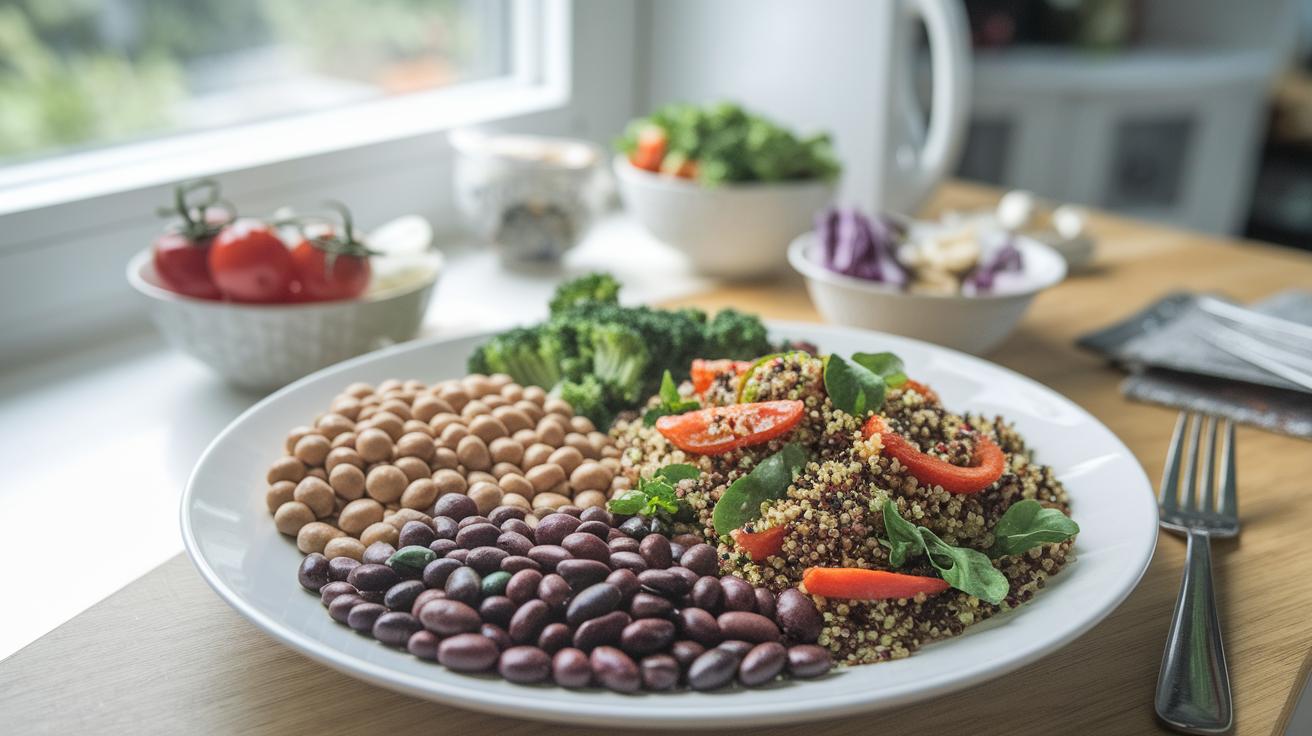
Try eating a rainbow on your plate by choosing more plant-based meals. Research shows that almost half of preventable cancers are linked to our diet. Instead of eating red and processed meats, switch to beans, lentils, or tofu. They pack in fiber and vitamins and contain fewer unhealthy fats. For example, try a hearty vegetable stir-fry with quinoa instead of your typical steak dinner.
Watch your portions too. Smaller servings let you enjoy different nutrient-rich foods while keeping your sodium under 2,300 mg per day. A simple tip is to flavor your food with herbs and spices instead of salt. These small changes support a healthy heart and balanced metabolism.
Be kind to yourself with alcohol. Guidelines suggest up to 1 drink per day for women and 2 for men. If you usually have a glass of wine at dinner, try filling half the glass with sparkling water to cut back on alcohol. This simple trick may help reduce your risk of stroke.
Small steps lead to big benefits:
- Cook a plant-rich meal 2 nights a week.
- Replace one red meat dish with a legume-based option.
- Keep track of your drinks to stay within safe amounts.
These everyday tips can help you enjoy a balanced diet and lower your long-term health risks.
Consistent Exercise Routines for Lifestyle Risk Reduction
Quick take: Try to fit in 150 minutes of moderate exercise every week. A brisk 30-minute walk or bike ride not only strengthens your heart and improves blood flow but also helps balance hormones like insulin and estrogen.
When the weather turns rainy or chilly, switch to indoor options like stationary cycling or home aerobics. Even simple moves that mimic walking can keep you active.
Steps to get started:
- Start with a 5-minute warm-up. March in place or do some light stretches to get your body ready.
- Walk at a brisk pace for 30 minutes, or break it into two 15-minute sessions if that works better for you.
- Mix it up with cycling, low-impact aerobics, or any other gentle movement that keeps you moving.
Keeping active like this is a simple way to boost your metabolism and lower risks associated with stroke and hormone-related cancers.
Lifestyle Alteration Approaches for Risk Reduction in Survivor Populations

If you've had a stroke or TIA, small, daily changes can really make a difference. Try checking your blood pressure every morning and cutting back on salt, use herbs instead. These simple steps can lead to noticeable improvements in about six months. Work with your doctor or health coach to build a routine that might include guided exercise and taking your medications on time. Consistency is key.
Regular neurologic checkups can help you see your progress and catch any changes early. For example, booking a visit every few months can alert you to issues before they grow. Setting specific times for exercise and using reminders for your pills can give you a sense of structure and confidence.
Staying on top of your health isn’t just about doctor visits, it’s about tuning in to your daily body signals. Keeping a simple health journal with your blood pressure readings, moods, workouts, and meals can offer a clear picture for you and your healthcare team. This tailored approach helps reduce further risks and supports your overall well-being.
Stress Management Techniques for Lifestyle Risk Reduction
Stress can take a toll on your health, but simple daily habits can help you feel more at ease. Deep breathing, a bit of guided meditation, and sharing your thoughts with someone can send clear signals to your body to relax, lower your blood pressure (high pressure in the arteries), and even boost your immune system.
Try these easy steps today:
- Set aside 5 minutes to practice deep breathing. Sit comfortably, breathe in slowly through your nose, and exhale fully through your mouth. Imagine drawing in calm and releasing stress.
- Create a quiet space for a short guided meditation. Let your thoughts settle and gently push away everyday worries so you can feel more centered.
- Write down what’s on your mind or chat with a trusted friend. This simple act can help clear your head and ease feelings of being overwhelmed.
Building this small routine each day can support both your body and mind, helping you tackle stress over time.
Sleep Optimization Methods in Lifestyle Strategies for Risk Reduction

Try to get 7 to 9 hours of sleep each night. This simple step helps your immune system, keeps your mind clear, and supports a steady metabolism. Begin with a consistent bedtime, set a reminder like "Lights out at 10 PM" so your body learns when to relax.
Improve your sleep hygiene with a screen-free wind-down routine. Turn off your devices, dim the lights, and settle in a cool, dark room for 30 minutes before sleep. Picture your mind taking a calm pause after a busy day.
Your sleep routine also benefits from a good morning habit. Spend a few minutes outside or by a window to catch some natural light. This helps set your body's inner clock, supports healthy hormones, and may lower risks for high blood pressure and insulin resistance (when your body doesn't use sugar properly).
Keep your sleep schedule steady and create a soothing pre-bed ritual. Small changes like these can lead to better rest and a healthier, well-balanced life.
Preventive Healthcare Solutions for Lifestyle Risk Reduction
Regular doctor visits help you catch problems early before they become serious. Routine tests, like colonoscopies, mammograms, and blood pressure checks following CDC guidelines, can spot early warning signs for cancer and heart conditions. One study even showed that detecting issues early can lead to milder conditions down the line.
Preventive care goes beyond standard screenings. Taking extra steps such as getting the hepatitis B vaccine (which helps lower liver cancer risk) and avoiding tobacco in any form builds a strong defense against many cancers.
Boosting your immune system is another smart move. A yearly flu shot and keeping an eye on your vitamin D levels work together to keep your body ready to fight off infections. Regular check-ups also allow you and your doctor to stay updated on your health and tweak your care plan when needed.
Here are a few simple tips to make preventive care part of your daily routine:
- Schedule your routine screenings based on your doctor's recommendations.
- Stay current with your vaccinations and regularly check your immunity levels.
- Keep track of any changes in your body by maintaining a simple health journal to share with your doctor.
By adding regular check-ups and immunizations to your routine, you're taking clear, proactive steps to prevent chronic diseases. This hands-on approach helps you stay in charge of your health and sets you on the path to long-term wellness.
Mindfulness Practices and Self-Care for Lifestyle Risk Reduction

Quick take: Mix advanced mindfulness and everyday self-care to clear your mind and ease stress.
Mindfulness can change how you feel and even how your body works. Studies suggest that regular practice can shrink your amygdala (the brain's fear center) and boost your prefrontal cortex (which helps with decision-making). Try sitting quietly with your eyes closed, letting your thoughts float by like passing clouds. You might say, "When stress comes, I notice it and let it float away, like leaves on a stream."
Moving mindfully can deepen these benefits. A slow, gentle walk or some light stretching can improve your blood flow and ease blood pressure. Writing in a journal after your mindfulness session can also help. Note your feelings or body sensations to spot patterns that support your overall well-being.
Some techniques go further than basic breathing exercises. Cognitive defusion, for example, lets you watch your thoughts without getting stuck in them. And loving-kindness meditation helps you send kind thoughts to yourself and others. Both are great tools to reduce stress.
- Spend 5 minutes on a slow, mindful walk, paying close attention to your body’s sensations.
- Write a brief journal entry at the end of your day, noting moments of calm or tension.
- Try progressive muscle relaxation by tensing and then relaxing different muscle groups for 2 minutes each.
- Practice loving-kindness meditation by silently wishing well to yourself and others for 3 minutes.
| Practice | Benefit |
|---|---|
| Cognitive Defusion | Reduces attachment to negative thoughts |
| Loving-Kindness Meditation | Boosts feelings of connection and emotional resilience |
Habit Formation Techniques for Sustainable Risk Reduction
Begin with a small, clear step: choose one easy goal like taking a 10-minute walk every day. As you feel more comfortable, slowly increase the time or add a bit more pace.
Next, keep a simple journal to track your daily wins. Write down what you did, for example, "Today’s walk was 12 minutes." Noting these small achievements can boost your confidence and show steady progress.
Set up your space to remind you of your goal. Place your workout gear where you can see it or keep a water bottle on your desk. Little changes in your surroundings can keep your goal top of mind.
Remember to give yourself a reward for sticking to your plan. It might be a few minutes of quiet relaxation, a healthy snack, or simply celebrating your progress in your journal.
Lastly, check in on your goals regularly. If meeting your target feels too easy, add a mild challenge; if it seems too hard, simplify the goal. These adjustments help make lasting changes that keep you on track for long-term risk reduction.
Final Words
In the action, you’ve seen how balanced nutrition, regular exercise, smart sleep habits, stress management, and preventive checks work together to cut risks. Practical insights, like plant-based meals and gentle workouts, make these changes manageable. Small steps add up and build a foundation for lasting wellness. Keep using these everyday lifestyle strategies for risk reduction as your guide to a healthier, happier life. Stay positive and keep moving forward one day at a time.
FAQ
What is the Life Essential 8 and how is it assessed?
The Life Essential 8 involves eight key health factors like diet and exercise. It is assessed using online calculators, PDF questionnaires, or scoring tools that help measure and track your overall wellness.
What does cardiovascular risk reduction mean?
The term cardiovascular risk reduction means lowering your chance of heart attack, stroke, and related issues by adopting healthy habits such as balanced nutrition, regular exercise, and not smoking.
Where can I find a Healthy Lifestyle Checklist PDF?
The Healthy Lifestyle Checklist PDF is a practical guide listing daily habits for balanced nutrition, regular exercise, and stress management, offering a ready-to-use tool to track your progress in improving health.
What are heart disease prevention strategies?
Heart disease prevention strategies include eating nutrient-rich meals, staying active, moderating alcohol, avoiding tobacco, and having regular health checkups to help keep your cardiovascular system healthy.
What are five common lifestyle risk factors?
Five common lifestyle risk factors are an unhealthy diet, lack of physical activity, tobacco use, excessive alcohol intake, and insufficient sleep. These factors can increase the risk of chronic diseases like heart disease and diabetes.
What are five healthy lifestyle choices?
Five healthy lifestyle choices include eating a balanced diet, engaging in regular exercise, moderating alcohol intake, avoiding tobacco, and managing stress, all of which support overall well-being and reduce disease risk.
What are three lifestyle changes to reduce disease risks?
Three lifestyle changes to reduce disease risks are switching to a nutrient-dense diet, establishing a regular exercise routine, and cutting back on alcohol. These changes can improve heart health and lower chronic disease risks.
What are the seven lifestyle factors?
The seven lifestyle factors typically include proper nutrition, regular physical activity, stress management, quality sleep, tobacco avoidance, moderate alcohol consumption, and maintaining a healthy weight for optimal health.