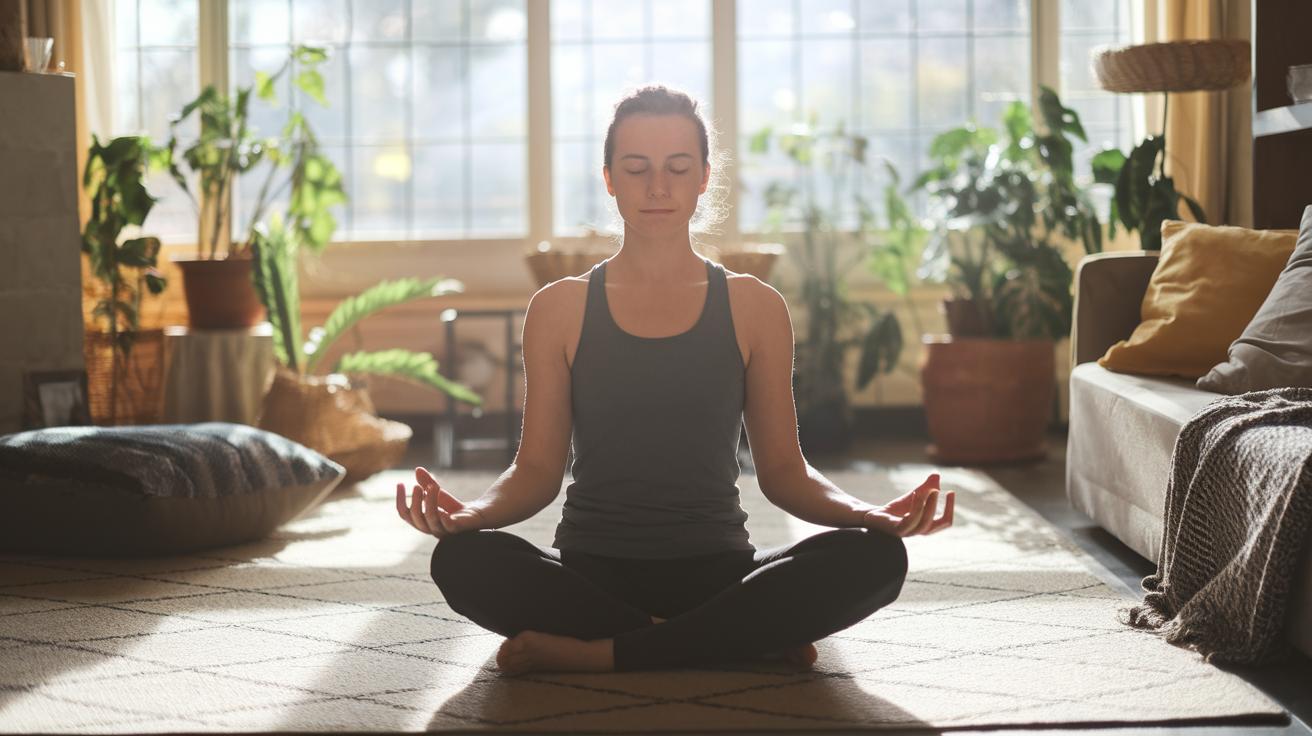
Ever feel like stress is taking over? Imagine pausing your hectic thoughts with just a few slow, deep breaths. Many of us notice how stress affects both our body and mind. Simple techniques such as deep breathing, meditation, or even relaxing your muscles one group at a time can help ease that tension. These easy steps can give you quick relief and a fresh burst of energy. Let’s look at some simple ways to invite calm into your day.
Relaxation Techniques to Manage Stress Effectively
Living with ongoing pain can leave you feeling tired and low. When everyday struggles build up, managing stress becomes a key way to help bring back balance. Simple practices like meditation and deep breathing can be valuable parts of any pain management routine.
Try this: Find a quiet place, sit comfortably, and close your eyes. Picture a calm, peaceful scene. Then breathe in slowly through your nose and exhale gently through pursed lips about 10 times. Think of it like rebooting your computer, these deep breaths can help refresh your body and clear your mind.
Mixing a few techniques can create a balanced daily ritual for stress relief. For example, you might combine progressive muscle relaxation (tensing and then relaxing muscle groups) with brief mindfulness sessions throughout your day. A handy tip: set aside a few minutes during a break or after a stressful meeting to practice these steps. Doing so may help reduce tension and make coping with pain a bit easier.
Other ideas include visualization exercises and gentle self-massage, which can ease both body and mind. You may enjoy pairing these practices with a warm cup of tea or soft music. Experiment with these methods to build a routine that helps you feel more in control and at ease.
Deep Breathing and Breathwork Relaxation for Stress Management
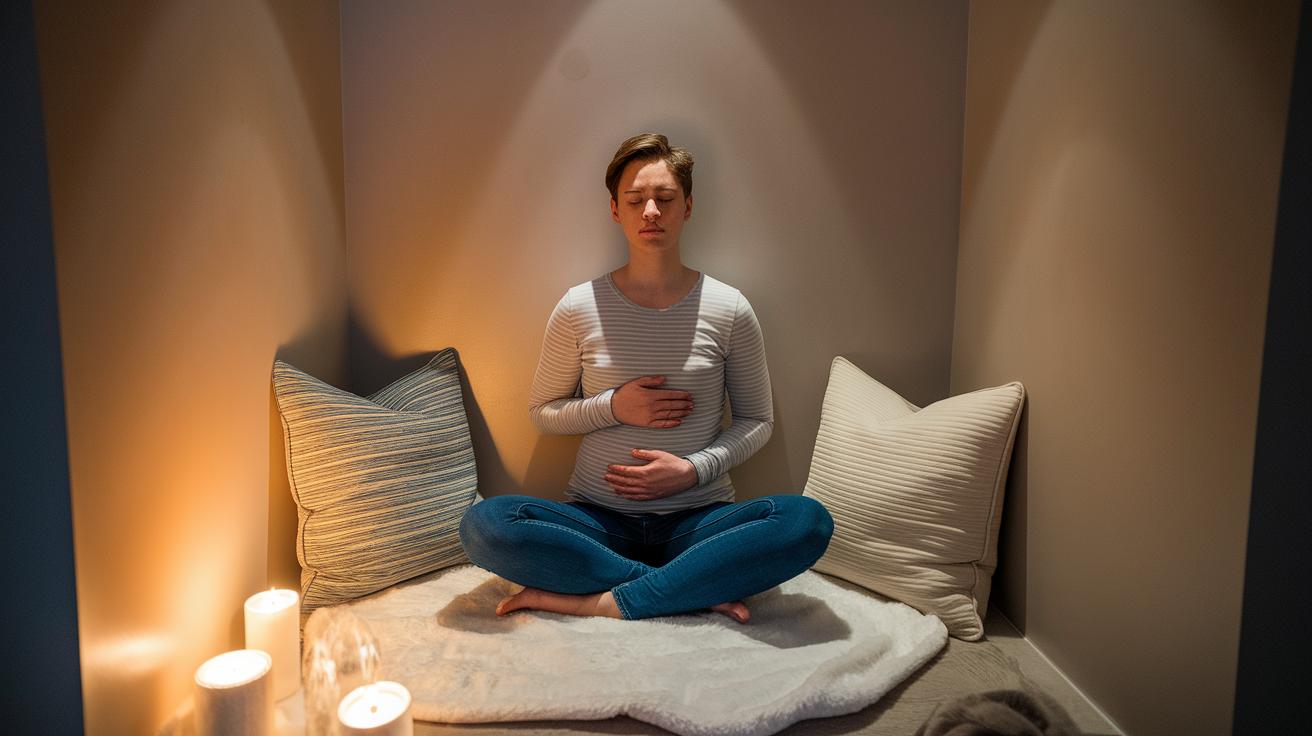
Deep breathing helps reduce stress quickly and calms your body. Find a quiet, cozy spot and gently rest one hand on your tummy so you can feel it move with each breath. If it's comfortable, close your eyes and focus on slow, steady breaths to help your body relax.
Try this simple exercise:
- Sit up straight in a peaceful spot and rest one hand on your tummy.
- Close your eyes and take a deep breath in through your nose, maybe gently pursing your lips.
- Slowly breathe out through your pursed lips and notice your tummy lower.
- Keep count as you complete 10 slow, calming breaths.
Each of these mindful breaths acts like a reset button for both your body and your mind. For more ideas on managing anxiety with breathwork, check out deep breathing for anxiety attacks.
Mindfulness and Meditation Relaxation Techniques for Stress Control
Mindfulness exercises can help make your mind stronger over time. Experts say that practicing mindfulness regularly may reduce how strongly you feel chronic pain, helping you manage stress better overall.
Instead of strictly following basic instructions, try to adjust these techniques to match your stress level, especially if you deal with chronic pain. Here are some ideas:
- Guided imagery: Close your eyes and picture a calm scene or a gentle glow moving through your body. For example, imagine a warm light slowly easing away the tension in your shoulders.
- Focused mindful breathing: Take a few slow, deep breaths to center your thoughts. Think of it as breathing in calm and breathing out stress, letting each breath clear away discomfort.
- Short mindfulness sessions: Make it a habit to spend 5 minutes each day on mindfulness. Over time, you might start noticing a clearer, calmer outlook.
Many people share that after a few weeks of these personalized practices, they feel calmer and manage their pain better. They experience more clarity and less stress, showing that even small, regular sessions can add up to big benefits.
Progressive Muscle Relaxation and Self-Massage for Stress Relief
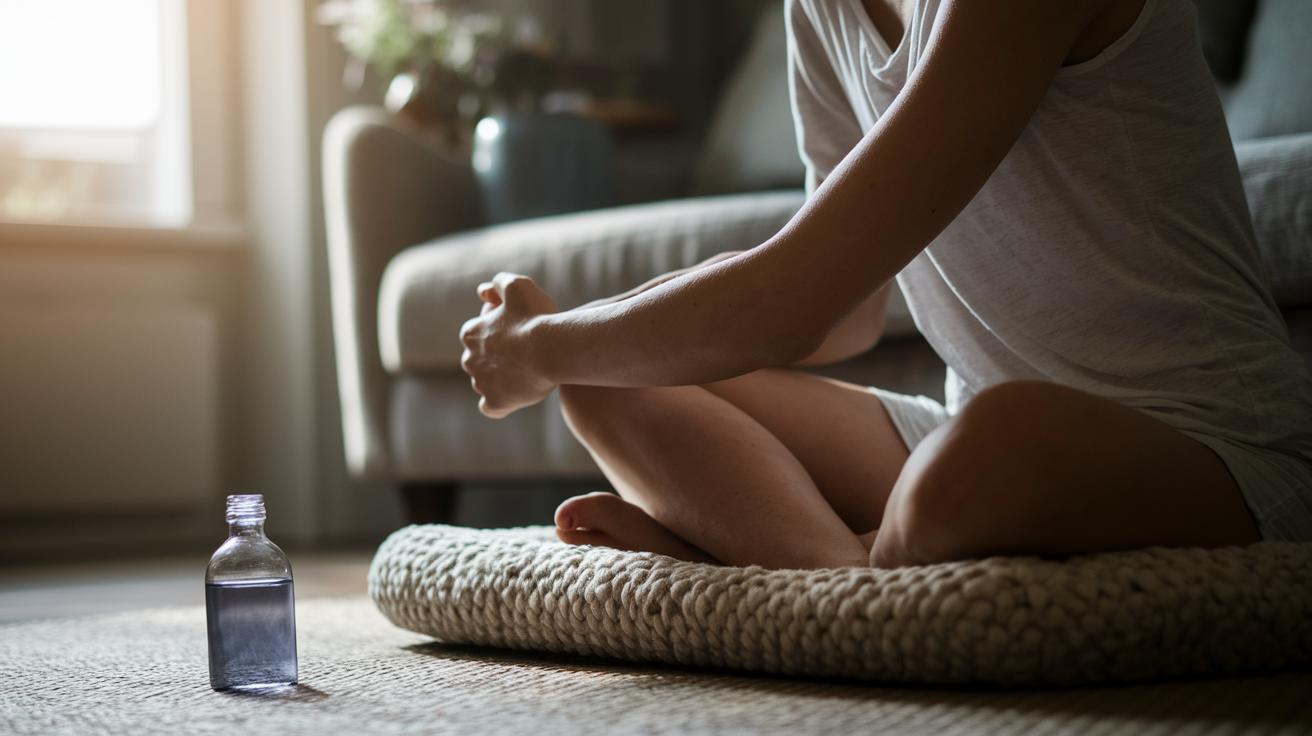
Start by settling into a comfortable seated or lying position in a quiet spot. Focus on one muscle group at a time: squeeze the muscles hard for about 5 seconds, then slowly release and notice the change. This simple method helps you see where stress builds up in your body.
After you finish tensing and relaxing, try a gentle self-massage. Use your fingertips to softly knead your temples, shoulders, or neck in slow, round motions. If you have lavender essential oil, mix one drop with a little carrier oil and use it to enhance the calming effect.
Aim for a quick 10-minute session, whether it's after lunch or just before bed. With regular practice, your body and mind will learn to let go of tension, helping you feel a little more relaxed each day.
Visualization and Imagery-Based Relaxation for Stress Management
Visualization is a way to create a calm mental scene that can help you manage stress. Research shows that guided imagery may lower stress hormones (cortisol) by activating your brain's natural relaxation response. Unlike basic mindfulness, this technique focuses on details that make your personal safe space feel real.
Try this exercise:
- Sit in a quiet spot and close your eyes.
- Take slow, deep breaths to clear your mind.
- Picture a scene that feels safe, maybe a favorite childhood memory or a cozy quiet corner. Notice small details such as colors, textures, and sounds. For example, imagine a secret garden with soft, green moss under your feet and a gentle breeze carrying the scent of fresh flowers.
- If your thoughts drift, gently bring your focus back to your scene. If needed, change the image to something more neutral.
- Enhance your practice by adding soft music or light stretching to boost relaxation.
If you find it hard to concentrate, try these ideas:
- Begin with short 5-minute sessions and slowly extend the time.
- Use a familiar song or sound as a cue to focus on your mental image.
| Key Benefit | Practical Tip |
|---|---|
| Calm Focus | Customize your mental scene with real-life details |
| Stress Relief | Practice brief sessions regularly to build concentration |
Quick Relaxation Tips: Music, Breaks, Tea, and Hobbies
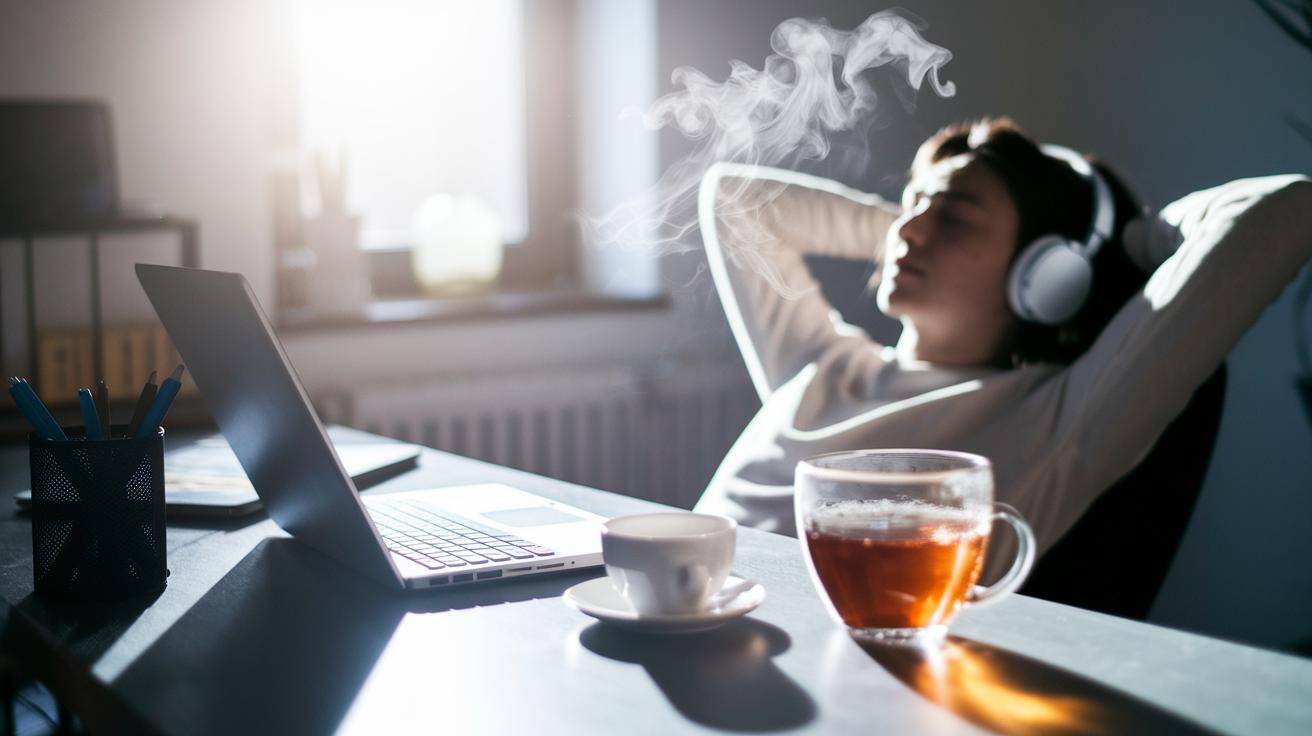
Take a few minutes each day to hit the reset button on stress. When things get overwhelming, try these simple ideas that easily fit into your busy routine, whether you're at work or home.
- Listen to soothing music: Pick a gentle jazz or classical tune, pop in your headphones, and let the calm sounds center you.
- Take a short break: Step away for a few minutes. A quick walk or a brief pause at your desk can ease tension and lift your mood.
- Enjoy a warm cup of tea: Swap your usual coffee for a cozy cup of tea. The warmth and soft flavor help relax both your body and mind.
- Engage in a favorite hobby: Do something you love, like reading or any activity that captures your attention, to gently shift your focus away from stress.
Even a small moment of calm can leave you feeling refreshed and ready to take on the rest of your day.
Integrating Relaxation Techniques into Daily Stress Management
This guide brings together tips on deep breathing, mindfulness, and muscle relaxation to help you manage stress throughout your day.
Start your morning with a few minutes of deep breathing or mindfulness. For instance, try taking 5 slow breaths to clear your mind and prepare your body for the day ahead.
Around midday, take a 5-minute break from your tasks to reconnect with calm. You can also check out the quick relaxation ideas in our guide for extra support.
In the evening, ease into a calming routine like visualization or a gentle self-massage. Follow the step-by-step instructions for progressive muscle relaxation to help you wind down.
| Time of Day | Suggested Activity |
|---|---|
| Morning | Deep breathing or mindfulness exercise |
| Midday | Brief pause & deep, paced breaths |
| Evening | Visualization or gentle self-massage |
Final Words
In the action, we covered practical steps like deep breathing, mindfulness, muscle relaxation, and visualization to ease everyday stress. These insights, along with quick tips like enjoying calming music or a hot cup of tea, offer a range of choices. Using these relaxation techniques for stress management can help you build simple, daily routines that make a big difference. Keep experimenting with these small changes to nurture your overall well-being and enjoy more balanced days.
FAQ
Relaxation techniques for stress management pdf
The answer to relaxation techniques for stress management PDF is that you can find downloadable guides compiling methods like deep breathing, mindfulness, and visualization to help you reduce stress and boost overall well-being.
Relaxation techniques for stress and anxiety
The answer to relaxation techniques for stress and anxiety is that methods such as deep breathing, meditation, and progressive muscle relaxation are effective in easing both stress and anxiety symptoms.
Quick relaxation techniques for anxiety
The answer to quick relaxation techniques for anxiety is that strategies like focused deep breathing, a brief mindfulness break, and listening to soothing music can provide fast relief from anxious feelings.
Types of relaxation techniques PDF
The answer to types of relaxation techniques PDFs is that many guides outline methods like breathwork, mindfulness meditation, progressive muscle relaxation, and visualization exercises to help manage stress effectively.
Relaxation techniques in Psychology
The answer to relaxation techniques in psychology is that practices such as mindfulness meditation, deep breathing, and progressive muscle relaxation are often used in clinical settings to reduce stress and promote mental well-being.
10 ways to relax
The answer to 10 ways to relax includes practical actions: practice deep breathing, meditate, try progressive muscle relaxation, enjoy self-massage, listen to calming music, take short breaks, enjoy a hot cup of tea, read, visualize peaceful scenes, and engage in hobbies.
Relaxation techniques for depression
The answer to relaxation techniques for depression is that methods like mindfulness meditation, deep breathing exercises, physical activity, and visualization can help ease depressive symptoms by lowering stress and enhancing mood.
Relaxation activities
The answer to relaxation activities is that engaging in practices such as meditation, self-massage, progressive muscle relaxation, and enjoying calming music or hobbies can help reduce tension and improve your overall mood.
What are the 5 main relaxation techniques?
The answer to the 5 main relaxation techniques highlights deep breathing, mindfulness meditation, progressive muscle relaxation, visualization, and self-massage, each helping to lower stress and promote a calm state.
What is the 3 3 3 rule for calming?
The answer to the 3 3 3 rule for calming is that it involves naming three things you can see, three things you can hear, and three things you can feel, helping reorient your senses during stressful moments.
What are the 4 A’s of stress management?
The answer to the 4 A’s of stress management is that they encompass Assess, Accept, Act, and Adjust—steps that offer a simple framework for recognizing and addressing stress in everyday life.
What are 5 stress management techniques?
The answer to 5 stress management techniques includes deep breathing, mindfulness meditation, progressive muscle relaxation, taking regular breaks, and engaging in hobbies, all of which provide practical ways to manage stress effectively.