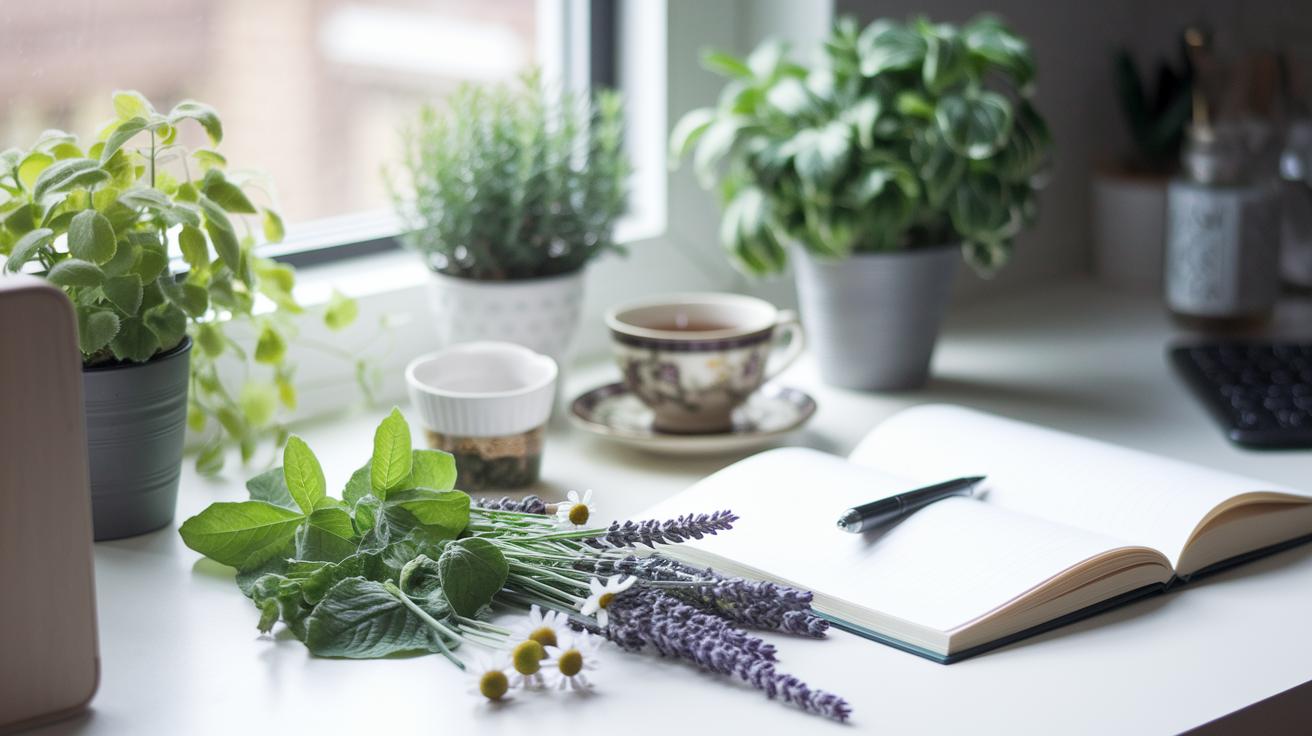
Have you ever wondered if a simple plant could ease your busy mind? When stress takes over, it can lower your mood, disrupt your sleep, and drain your energy. In this guide, we look at everyday herbs known to relax your nerves and help bring balance back to your day. Each herb works in its own way to calm anxiety, so you might find that nature holds the key to a more relaxed and centered you.
Top Herbs for Stress Management
When stress shows up, it can weigh you down both mentally and physically. You might feel tense, tired, or even a bit overwhelmed. Stress triggers the release of chemicals in your body that can disturb your sleep, mood, and digestion. Here are seven natural herbs that can help calm your system and restore balance:
- Ashwagandha helps keep your stress hormone (cortisol) levels steady, easing pressure and reducing stress-triggered cravings.
- Passionflower refreshes your body and supports clear thinking, leaving you with a calm, steady energy.
- Lemon Balm lifts your mood by easing tension and promoting a gentle sense of well-being.
- Chamomile is a well-loved herb for its soothing properties, perfect for calming nerves and getting ready for a good night’s sleep.
- Lavender creates a peaceful atmosphere that naturally encourages relaxation and rest.
- Valerian Root is known for deep relaxation benefits; it might help improve sleep quality while easing a restless night.
- St. John’s Wort works gently to stabilize mood, supporting a balanced emotional state when stress builds.
Try adding one herb at a time to your routine and see how your body responds. Each offers its own benefit, and pairing them with other stress management techniques might bring even more balance to your day.
Adaptogenic Herbs Like Ashwagandha for Cortisol Balance
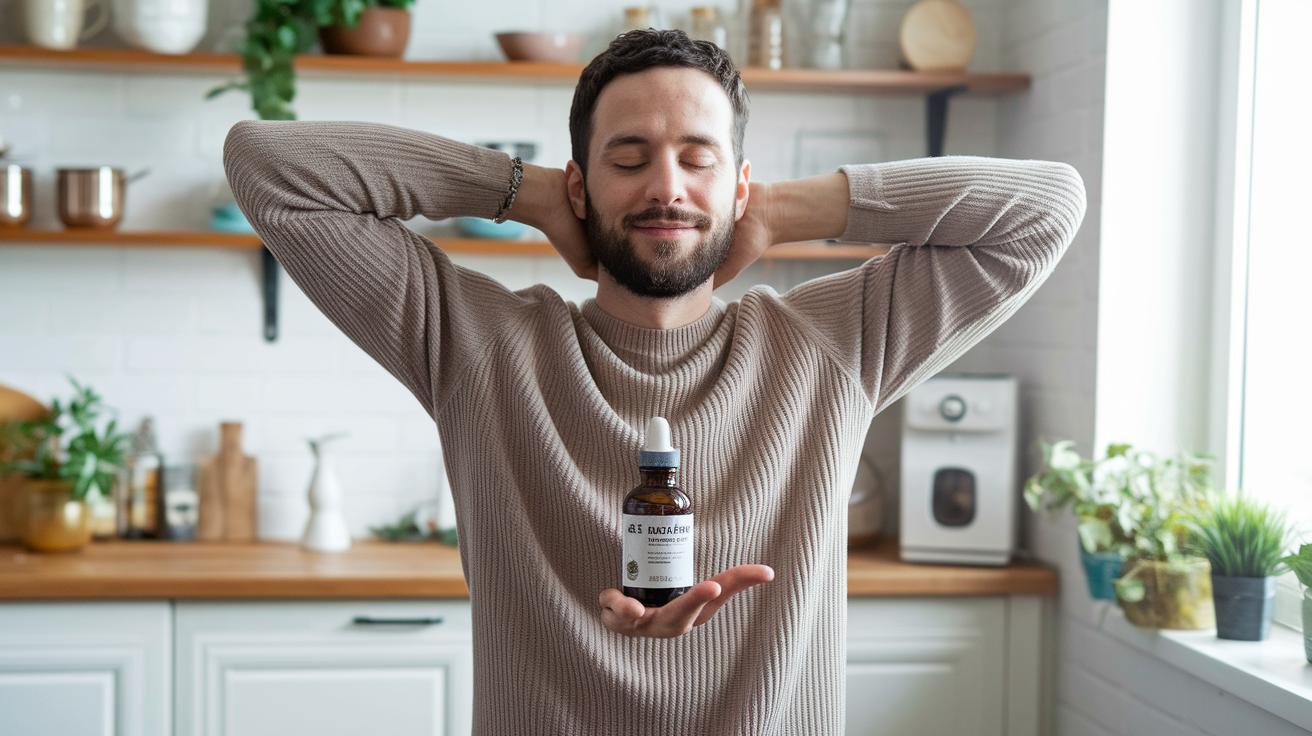
Adaptogens are natural plant compounds that help your body deal with stress by balancing its response. They work by smoothing out your stress signals, making everyday challenges easier to handle. A fun fact: one scientist once discovered that a simple herb could naturally balance stress hormones and ease tension. This shows that nature can offer practical ways to manage stress.
Ashwagandha, also known as Indian Winter Cherry, is one of the top adaptogens. Research shows it can lower cortisol (the hormone linked to stress) and help ease tension. It might also reduce stress-driven cravings and boost your ability to handle pressure. A common dose is 300–600 mg of a standardized extract each day. If you're sensitive, start on the lower side since some people might experience a mild upset stomach or feel a bit sleepy.
When choosing a supplement, look for high-quality products that have been well-tested. Quality testing helps ensure you get all the benefits and reduces the risk of side effects. Spend a little time comparing brands and formulas to find the best option for supporting your stress relief goals.
Calming Herbal Infusions: Chamomile, Lavender, Lemon Balm, and Passionflower
Herbal tea infusions are a natural way to calm your mind and relax your body. When made right, these teas release gentle compounds that help ease stress, support sleep, and lower your heart rate. A warm cup can bring comfort on busy days and offer a refreshing break.
| Herb | Main Active Compound | Brew Time |
|---|---|---|
| Chamomile | Apigenin | 5–7 minutes |
| Lavender | Linalool | 5–8 minutes |
| Lemon Balm | Rosmarinic acid | 5–10 minutes |
| Passionflower | Vitexin | 7–10 minutes |
Try mixing these herbs or tweaking the brew times until you find a blend that suits your taste. You might blend chamomile with a touch of lemon balm for a burst of lift, or combine lavender with passionflower when you need extra calm. Brewing this way draws out soothing flavonoids and essential oils, giving your tea the full benefit of nature's best ingredients.
Start with a small batch to test your preferred flavor and strength. If you like a hint of sweetness, add a slice of lemon or a bit of honey, and savor each sip as a little moment of peace. Enjoy your tea mindfully, it turns a basic drink into a mini retreat just for you.
Safe Usage Guidelines for Stress-Relief Herbs
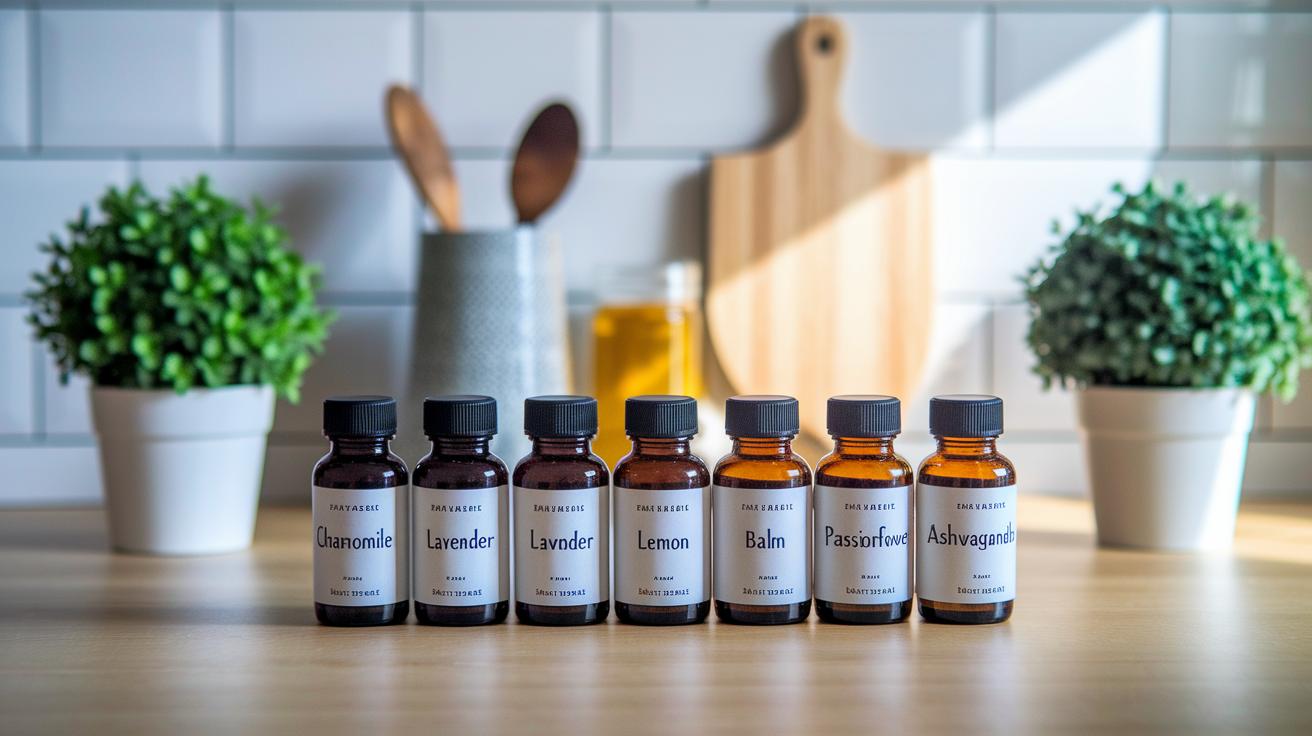
Many folks use herbs to help manage stress. Each herb has a suggested dose range to guide you. For example, chamomile extract is usually effective at 200–400 mg, while lavender oil capsules come in at about 80–160 mg. If you prefer lemon balm, try 300–600 mg, and passionflower may work well at 250–500 mg. Many people find that ashwagandha helps at around 300–600 mg each day. It's smart to start with the lower dose and see how your body reacts before increasing it.
Keep in mind that herbs can sometimes cause mild side effects like drowsiness or an upset stomach. They might also interact with other medications like sedatives, antidepressants, or thyroid drugs. If you are pregnant, nursing, or on prescription medications, it's best to talk to your healthcare provider before using these herbs. Be sure to note how you feel over time, and if you experience any unwanted symptoms, consider lowering the dose or asking a professional for advice.
Integrating Herbal Stress Management into Daily Life
Begin your morning with a simple, calming routine. Mix your recommended dose of an adaptogen tincture, like ashwagandha, into a glass of warm water. As you sip slowly, take a minute to breathe deeply. This gentle start helps settle your mind and balance stress hormones for the day ahead.
Later in the day, try a brief tea break. Brew a cup of lemon balm or passionflower tea by steeping the leaves for 5 to 7 minutes. While waiting for your tea, do a few gentle stretches or enjoy a quick 5-minute walk. This small pause can help boost your energy and clear your mind for the rest of your day.
When evening comes, wind down with a soothing ritual. Brew a cup of chamomile tea or use a lavender diffuser to create a peaceful atmosphere. Spend a few minutes focusing on your breath or doing some light yoga. This combination of herbal support and mindful movement helps relax your body, setting you up for a good night’s sleep and a balanced routine overall.
Evidence-Based Research on Herbal Anxiety Relief
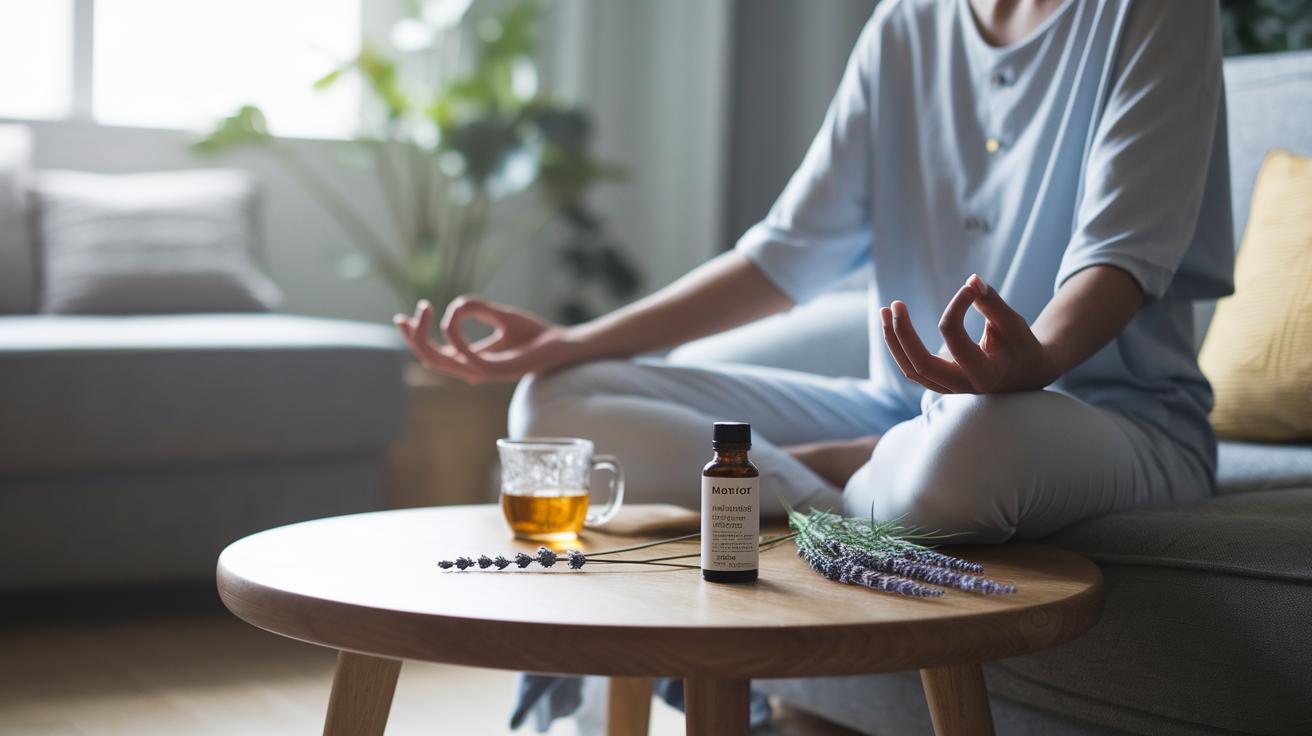
Ashwagandha shows promise for easing stress. In one 60-day trial, people taking ashwagandha saw their cortisol levels drop by 27%. This suggests that the herb might help lower stress chemicals in the body, making it a potential aid for those with persistent tension.
Chamomile extract is another natural option. Studies with individuals who have mild anxiety found that taking chamomile for eight weeks led to noticeable improvements in their anxiety scores. In simple terms, chamomile may help ease anxiety symptoms and improve emotional balance naturally.
Lavender also appears helpful. Research shows that simply inhaling lavender essential oil can reduce heart rate by around 8%. Many participants felt notably calmer after using it. However, these promising results come from smaller studies where the extraction methods varied.
While these findings are encouraging, the studies have some limits, like small sample sizes and inconsistent methods. More thorough research with standardized approaches is needed to confirm these benefits.
Common Questions on Herbs for Stress Management
How quickly do herbal remedies take effect?
Herbal teas usually start to calm you down in about 30 to 45 minutes. In contrast, concentrated capsules might take 4 to 6 weeks to show a clear change as the herb builds up in your system.
Can I use these herbs while pregnant or nursing?
These herbs are generally safe for healthy adults. However, if you're pregnant or nursing, it's best to avoid them because they might affect your hormones or interact with other medications. Always check with your healthcare provider first.
Is it safe to combine herbs?
Mixing different herbs can sometimes enhance their benefits, but it also raises the risk of unwanted interactions. Try one herb at a time and see how you feel before you add another to your routine.
Which form delivers the fastest relief?
Tea infusions tend to work the quickest. Tinctures offer a balance between fast action and steady support, while capsules take a bit longer to work.
When should I seek professional help?
If your mood continues to change, or you notice strong side effects like heavy drowsiness or stomach upset, it's important to speak with a doctor.
Final Words
In the action, this article highlights top natural herbs like ashwagandha, chamomile, and lavender that can ease stress and support daily routines. We broke down herb profiles, safe usage tips, and simple routines that fit busy schedules.
These herbs for stress management offer a practical path to easing tension and nurturing overall wellbeing. Small steps, like preparing a soothing tea or taking a moment to breathe, can build lasting, gentle habits. Enjoy the process and embrace the positive changes coming your way.
FAQ
Q: What are the best herbs for stress and anxiety?
A: The best herbs for stress and anxiety include ashwagandha, chamomile, lavender, passionflower, lemon balm, valerian root, and St. John’s wort, which can help lower cortisol and promote relaxation.
Q: How do herbs help with stress and depression?
A: Herbs like ashwagandha and St. John’s wort act as mild mood stabilizers while chamomile and passionflower ease anxiety, offering natural support for both stress and depression.
Q: What natural herbs can help with anxiety and panic attacks?
A: Natural herbs such as lavender and valerian root support fast-acting calm via infusions or supplements, easing anxiety and reducing feelings of panic.
Q: Which herbs are recommended for reducing high cortisol levels in females?
A: Herbs like ashwagandha help balance cortisol levels, offering a natural way to manage high cortisol in females and support overall stress relief.
Q: How can I naturally treat chronic stress?
A: Treating chronic stress naturally involves using herbal remedies like adaptogens and calming teas paired with mindfulness techniques for long-term stress management.
Q: What are the 5 R’s of stress management?
A: The 5 R’s of stress management are recognizing stress, reducing stressors, relaxing, replenishing energy, and rethinking your approach, offering practical daily strategies.
Q: What can I take to calm my nerves and anxiety?
A: To calm your nerves and anxiety, try herbal options like chamomile tea, lavender infusions, or ashwagandha capsules, which provide gentle, natural support for easing anxious feelings.