Ever notice how some towns recover quickly after a storm, while others struggle for years?
When we plan ahead for disasters, we stop problems before they get out of hand.
This smart planning saves lives and builds communities that are stronger and better prepared.
When we act early, we lower risks and pave the way for a safer future.
The small steps we take today can lead to a more secure tomorrow, giving us hope even when the unexpected strikes.
2. disaster risk reduction: Safer Futures Ahead
Disaster risk reduction (DRR) is all about stopping new risks before they start, cutting down hazards that already exist, and boosting our community's ability to bounce back when trouble hits. Think of it as fixing problems early so disasters don't turn into full-blown emergencies.
DRR works hand in hand with disaster risk management (DRM). While DRM covers planning, risk checks, and quick fixes like early warnings for storms or floods, DRR lays the groundwork that makes those measures work better. For example, a community alert system that warns people about severe weather shows how solid DRR can lead to smoother, faster responses.
Big global guidelines like the Sendai Framework help shape projects around the world. These plans encourage countries to prepare for various hazards while thinking about long-term community well-being. One great example is how nearly 200 national meteorological services share key data to help communities get ready for emergencies.
When everyone plans together and follows clear steps, we can not only reduce immediate losses but also lessen long-term social and economic impacts. In short, investing in DRR today helps set the stage for a safer, more resilient tomorrow.
Comprehensive Risk Assessment Methods for Disasters
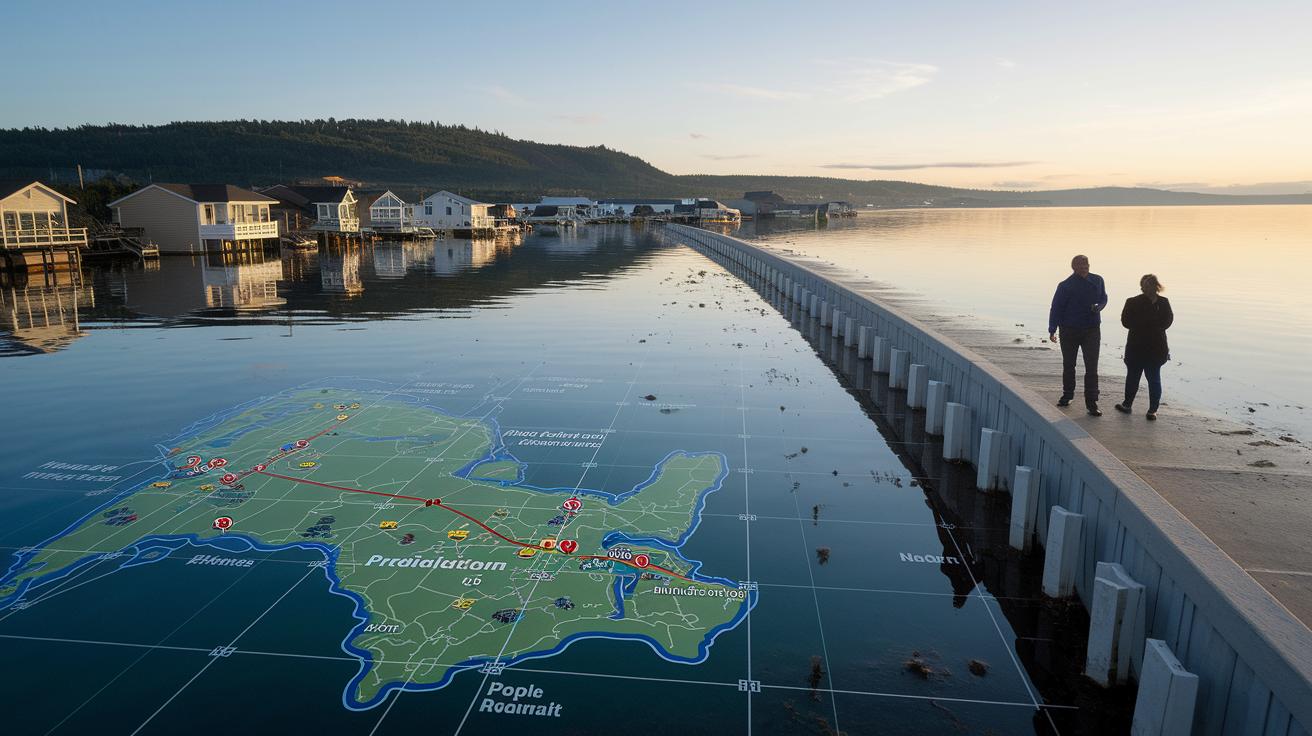
Accurate, up-to-date data on how often hazards occur and how severe they are is key to smart disaster planning. This information shapes building codes and land-use plans so that communities and structures are safer. Early work by the insurance industry on rare, high-impact events laid the foundation for today’s methods in assessing vulnerability and exposure.
Forecasting tools like flash flood guidance and polar observations give real-time insights into multiple hazards. Imagine a coastal town that issues a flood warning just minutes before the water rises, those crucial seconds can save lives.
Tools that combine both earth and social data turn numbers into clear risk maps and scenario plans. For example, by merging weather information with population density, officials can identify which urban areas are most at risk during a storm.
Modern analytics and preparedness models provide emergency teams with the clear information needed to protect communities and minimize losses. Data-based insights help guide better infrastructure investments and stronger emergency plans in areas prone to disasters.
Hazard Mitigation Strategies and Infrastructure Resilience
Practical hazard mitigation means planning ahead with smart engineering and careful land-use choices to reduce damage from floods and severe weather. For instance, building flood defenses and levees can make a big difference. At Portland International Airport, every $1 spent on these measures has saved up to $50 in future losses. These steps not only save money but also protect communities when disasters strike.
Infrastructure resilience goes beyond just building barriers. Planting trees and securing hillsides can help prevent landslides and reduce erosion in vulnerable areas. Strict building and land-use rules ensure that structures can withstand earthquakes, cyclones, and severe weather. Think of strong building codes as a safety net that catches risks before they cause harm.
Financial tools like micro-insurance also play a key role by shifting risk from individuals to financial institutions. Early warning systems, risk transfer methods, improved engineering, and firm regulations all work together to create a strong plan for reducing disaster impacts. Together, these steps build lasting, protective infrastructure that makes communities better prepared and more resilient when nature tests our limits.
Simple actions add up. Each upgrade, from building retrofits to updated regulations, creates a safety net that cuts disaster costs and keeps livelihoods secure.
Preparedness and Resilience Building in Communities
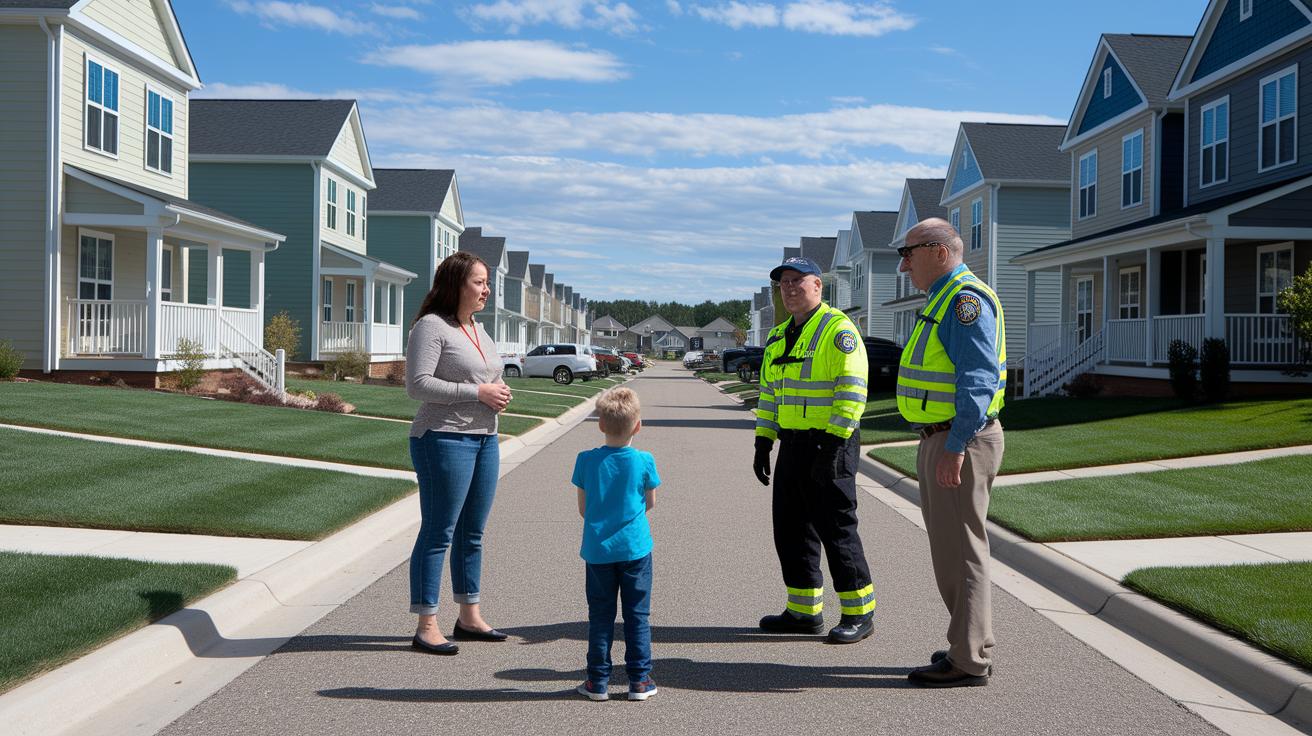
Drills and simulation exercises bring people together, governments, emergency teams, neighbors, and individuals, to practice quick evacuation and test warning systems. Imagine your community setting a 10-minute evacuation drill; this practice shows that real-world planning helps keep everyone safe.
When everyone pitches in, community safety grows stronger. Training sessions and public outreach help you learn simple steps, such as what to do when a siren sounds or where to gather in an emergency. Local leaders even work with expert groups, like teams that study early warnings or water flows, to make plans that fit the unique needs of each area.
Financial safety measures matter, too. Tools like micro-insurance and programs that share economic risk can help families and businesses bounce back sooner after a disaster. Think of these tools as a financial cushion that eases the shock after a big event.
Building a strong community means regular training so everyone knows their role. Programs focusing on clear communication and coordinated response plans not only protect lives during a crisis but also lessen the long-term impact.
| Tactic | Example |
|---|---|
| Simulation exercises | Community evacuation drills |
| Training & outreach | Learning emergency signals and meeting spots |
| Financial protection | Micro-insurance and economic risk programs |
These community-based steps, practicing drills, engaging in training, and using smart financial tools, lay a solid foundation for safety and resilience when disaster strikes.
Climate Adaptation and Disaster Risk Reduction Synergies
Climate change means we face more heavy floods, droughts, landslides, and storms. These shifts risk both lives and ways of living. Today, disaster planning joins forces with climate solutions like water-saving projects and choosing crops that can handle dry spells.
Communities are changing how they farm to save water and strengthen soil during heavy rains. Combining strong flood barriers with sustainable farming shows how we can tackle immediate risks while preparing for long-term changes. Projects from groups like Practical Action pair adaptive techniques with risk reduction measures to deliver twice the benefit. This approach not only protects buildings and people from severe weather but also keeps local food systems strong.
Public health is another key piece. Quick emergency medical plans and efforts to prevent disease help stop outbreaks after extreme weather. By blending climate readiness with health precautions, communities create a stronger shield against both natural disasters and health threats.
Policy Frameworks and Governance for Effective DRR

Institutions help protect our communities by making and enforcing rules to lower disaster risks. The Standing Committee on Disaster Risk Reduction and Early Warning Services brings together national agencies to set clear standards and share what works. This group makes sure every rule fits into a bigger plan that supports both preventing disasters and acting fast when needed.
Sharing live data is very important for being ready. The Global Multi-hazard Alert System (GMAS) links 193 National Meteorological and Hydrological Services. These agencies work together to send alerts and share key information during emergencies. This teamwork makes sure the right warnings reach the right people quickly.
Various committees in climate services, earth observation, and information technology help create a connected network. They join forces with experts in aviation, marine observation, hydrology, and space programs. Their collaboration builds stronger institutions that can manage disaster risks effectively.
Regular reviews and updates of policies keep our disaster plans flexible and up-to-date. By combining clear rules with expertise from many sectors, national preparedness programs become better at handling different dangers. This strong, coordinated approach helps protect both lives and economies.
Innovations and Future Directions in Disaster Risk Reduction
Emerging technologies are changing how we manage disasters by predicting, preparing for, and recovering from extreme events. The Global Multi-hazard Alert System (GMAS) uses both satellite and ground sensors to watch for dangers as they happen, giving quick alerts that boost early warnings. Picture getting an instant alert on your phone with clear steps to stay safe, this shows how modern sensor networks work for you.
AI-based risk models mix climate predictions with social and economic data to fine-tune these disaster plans. For instance, one model might compare temperature patterns with local population sizes to predict which areas could face long-term severe weather. This clear insight helps local planners make practical decisions ahead of time. As climate change makes hazards worse, these tools become even more essential.
Technology is also transforming the way we fund recovery. Parametric insurance, which automatically sends payouts when a storm hits, cuts down on delays and paperwork. Imagine a system where funds are sent right after a storm to help rebuild critical infrastructure, this makes recovery faster and more effective.
Platforms that connect different sectors bring all these advancements together. They simulate potential impacts and estimate what resources are needed both before and after disasters. This integrated approach builds recovery plans that flexibly adjust to changing conditions. With these innovative tools and financial models, emergency systems are becoming quicker, more efficient, and better at adapting to build safer communities.
Final Words
In the action, we explored core principles of disaster risk reduction along with risk assessments, hazard mitigation strategies, and community preparedness. We looked at practical methods like early warning systems and climate adaptation tactics. Each step, from policy frameworks to innovative recovery plans, builds resilience against hazards. Small, everyday changes can help manage risks and support sustainable progress. Keep pushing forward with these actionable steps and let research-backed insights guide your daily routines for a safer, healthier life.
FAQ
What are disaster risk reduction examples?
Disaster risk reduction examples include community preparedness drills, improved building codes, early warning systems, infrastructure upgrades, and hazard mapping. These steps aim to decrease the impact of disasters on lives and property.
What is Disaster Risk Reduction (DRR)?
Disaster Risk Reduction refers to strategies that prevent new risks, reduce existing ones, and strengthen response measures. It covers planning, risk assessments, early warnings, and community resilience to minimize damage from emergencies.
What are the four pillars or types of disaster risk reduction?
The four pillars of disaster risk reduction are prevention, preparedness, response, and recovery. Each pillar focuses on lowering risks before an event, acting swiftly during incidents, and rebuilding stronger afterward.
Who qualifies for the disaster relief fund?
Qualification for disaster relief funds typically depends on guidelines set by government or aid agencies. Generally, individuals, communities, or organizations directly impacted by a disaster, as verified by specific criteria, are eligible.
How can we reduce the risk of disasters?
We can reduce disaster risk by strengthening building standards, developing early warning systems, conducting regular community training, and using risk transfer measures like micro-insurance. These actions help protect people and infrastructure.
Where can I find resources like journals, PDFs, or project examples on disaster risk reduction?
You can locate these resources through academic publications, government websites, and specialized DRR platforms. They offer journals, downloadable PDFs, project outlines, and visual aids to support effective planning and action.