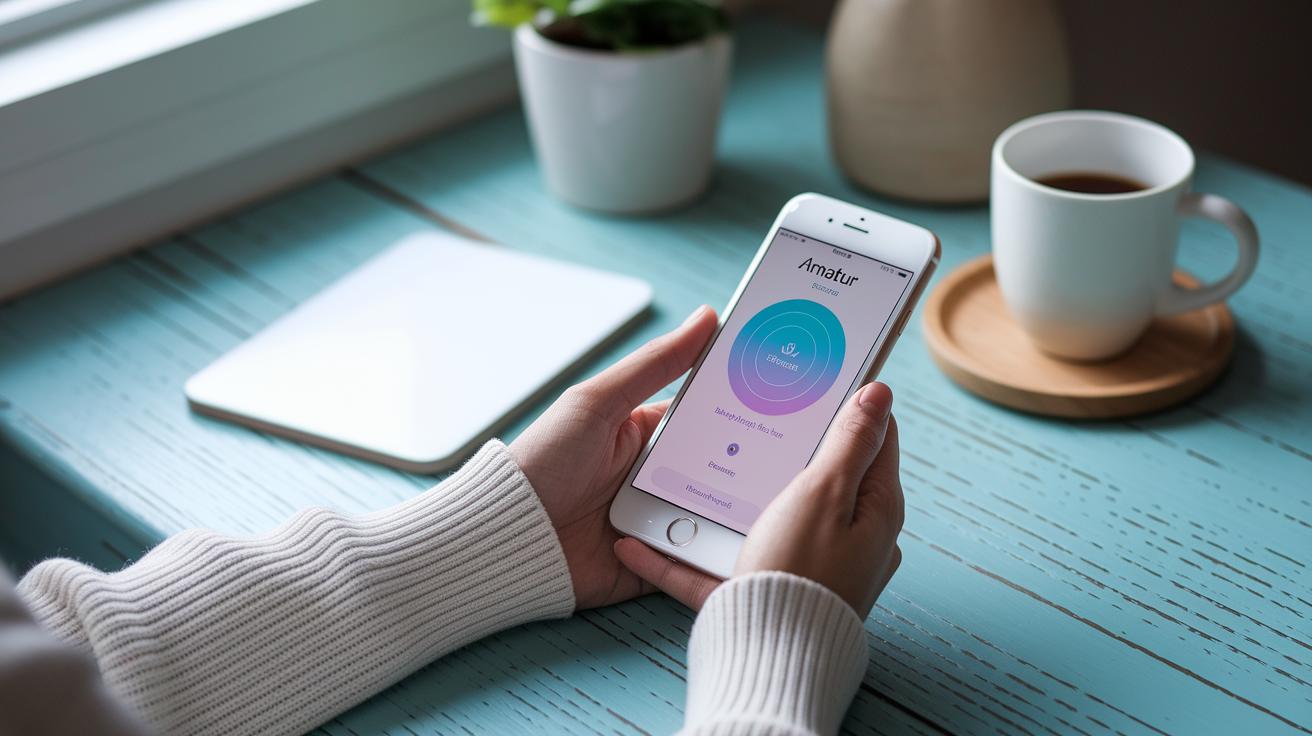
Ever thought about using your smartphone to manage stress? In our busy lives with constant notifications and pressure, many apps now offer simple ways to calm your mind. They include guided meditations, sleep helpers, and mood check-ins that easily fit into your day. When worries start to pile up, these apps can provide quick relief and a new perspective. Here, we look at some top stress management apps that may help reduce anxiety and bring a little calm to your hectic schedule.
Top Stress Management Apps to Reduce Anxiety and Improve Well-Being
Every day can feel hectic, and these digital wellness apps are here to help you catch a breath. They offer guided meditations, sleep aids, and simple mental health check-ins that fit into your busy life. Whether you’re looking for a quick calm break, help with falling asleep, or ways to soothe anxious thoughts, there’s an app that suits you.
If you want to ease into mindfulness, plenty of apps offer engaging meditation sessions that are easy to follow. There are also options that provide custom soundtracks to guide you into deep sleep. Plus, some apps include tools like mood check-ins and simple exercises based on Cognitive Behavioral Therapy (a method to help change negative thought patterns) to help you track and boost your mood.
Here are a few favorites:
| App Name | Highlights |
|---|---|
| The Mindfulness App | Start with a 5-minute practice and option to explore over 250 meditations |
| Calm | Offers guided meditations from 3 to 25 minutes, plus a special section for kids |
| Headspace | Free basics course, an SOS tool for urgent stress, and sleep modules |
| Buddhify | Over 200 meditations for different times of the day, from waking up to bedtime |
| 10% Happier | Great for beginners with weekly guided content and offline support |
| Sattva | Mixes ancient practices with daily challenges and progress tracking |
| Stop, Breathe & Think | Customizes sessions with emotional check-ins, journaling, and yoga cues |
| Sleep Well Hypnosis | Tracks led by a certified hypnotist to help you sleep deeper, with free and low-cost options |
| Pzizz | Creates custom “dreamscapes” using special audio for naps, focus, and overnight rest |
You can choose an app based on how long you have to use it, what triggers your stress, or what fits best with your routine. For example, if you’re new to meditation, Headspace or The Mindfulness App can provide clear guidance. On the other hand, if falling asleep is a struggle, Sleep Well Hypnosis or Pzizz might be the right pick. No matter what you need, whether a quick mental break or a full set of tools to boost your well-being, there’s an app ready to help you find your calm.
Key Features of Stress Management Apps to Look For

Stress management apps can help you check in on your mood quickly and guide you through calming exercises. Many of these apps let you take a quick emotional check and use interactive tools like journaling and mood tracking to show your progress over time.
Top apps often include specific features that aim to reduce anxiety. For example, Stop, Breathe & Think offers a simple emotional check-in, while Sattva tracks your progress and sets daily challenges. Headspace even has an SOS tool for real-time stress support. Pzizz uses special audio techniques to create soothing soundscapes, and Pacifica offers CBT exercises (therapeutic techniques based on cognitive behavioral therapy) along with Sleep Genius, which uses sleep-cycle data to help improve your rest. Other premium extras include offline downloads, customizable session lengths, and easy-to-use interfaces.
Tailoring these apps to your needs is key. Whether you need a brief check-in during work or a longer, guided session to wind down at night, make sure you choose features that fit your lifestyle. Picking between a quick SOS tool or a detailed journaling feature can help you manage stress in a way that truly works for you.
stress management apps: Elevate Your Calm
Many stress management apps give you a free start with simple features like quick meditation sessions, soothing sounds, and mood tracking. These basic tools are great for easing into a calm routine. If you find you need more, premium plans offer full libraries, offline access, and detailed tracking.
For example, Headspace lets you try a basic course for free and then charges $12.99 per month for more meditations and sleep help. Calm offers a 7-day free trial so you can test limited sessions before moving to a $14.99 monthly membership.
| App Name | Free Features | Premium Pricing & Benefits |
|---|---|---|
| Headspace | Free basics course, sample meditations | $12.99/mo, full library, SOS tool, sleep modules |
| Calm | 7-day free trial, limited sessions | $14.99/mo, extended guided meditations, sleep stories |
| Sleep Well Hypnosis | Basic hypnosis tracks | $9.99 one-time upgrade, enhanced sleep booster |
| Pzizz | Free ambient sounds and sessions | $4.99/mo, customizable dreamscapes for naps and night |
| 7 Cups | 300+ free mindfulness exercises, mood logs | $12.95/mo, additional chat support and tools |
| Pacifica | Basic CBT exercises and tracking | $8.99/mo, offline access, full CBT and mood tracking suite |
When deciding, check if the free tools meet your needs today or if the extra content and offline options in premium are worth the cost. This way, you can pick the app that gives you the best value and helps you feel more at ease.
Choosing the Right Stress Management Apps for Your Needs
College students can really benefit from short, calming meditation sessions and quick mood checks during hectic study days. For example, a simple 5-minute meditation between classes can help reset your mind.
Make sure the app works well on your device. In college, that means checking if it supports iOS, Android, or even web access, and ensuring you can use it offline when Wi-Fi is unpredictable. Imagine doing a quick offline meditation before a long bus ride, it might really steady your nerves.
If you find guided Cognitive Behavioral Therapy (a type of therapy with structured exercises) useful for handling anxiety, look for an app that offers interactive exercises and mood logging. These features provide immediate support during study breaks.
Review the pricing plans carefully. Find apps with free trials or essential features at no cost, and upgrade only if the extra support fits your tight college budget.
Integrating Stress Management Apps into Daily Routine
Building a calming routine can turn short mindful moments into lasting habits. Try carving out a few minutes each day for easy, self-guided relaxation. Using stress management apps can help you feel more at ease and keep you on track.
- Set a daily reminder for a quick morning meditation or a relaxing evening routine.
- Sync app alerts with your calendar to reserve your mindful time.
- Mix app-guided breathing exercises with gentle stretches when you feel tension.
- Check weekly progress in apps like Sattva to see how far you’ve come and celebrate the small wins.
- Adjust the session lengths and alerts in the app so they fit your daily schedule.
Using these tips often makes your stress relief feel like a natural part of your day. Taking care of yourself, even in small bursts, helps you feel more in control and ready to face busy times. Over time, these little changes can lead to better stress management and a more balanced routine.
Research and Expert Insights on Stress Management Apps
Research is key in shaping many stress management apps. For example, Sleep Genius uses years of sleep science to create soundtracks that follow your natural sleep pattern. Pzizz uses a sound-based method (built on studies reviewed by experts) to help you relax and get rest. Pacifica offers Cognitive Behavioral Therapy exercises (a type of treatment that helps change negative thoughts) created by clinical psychologists to ease anxiety. Even simple breathing exercises, like those recommended by experts, have shown benefits in lowering anxiety. You might want to try deep breathing practices for anxiety attacks (see more here: https://bezenn.com?p=599).
Experts also support the use of meditation techniques and ancient Vedic practices in these apps. Sattva runs meditation challenges inspired by Vedic teachings and guided by experienced meditation instructors. These expert endorsements and research-backed features suggest that these digital tools may offer practical, everyday support for managing anxiety.
Real-Life Success Stories with Stress Management Apps
Real-life success stories show that just a few minutes on these apps can help lower stress and boost your overall well-being. Many people find that fitting in a short session even on busy days makes a real difference.
For example, a college student used Headspace daily to ease test anxiety. In six weeks, they experienced about 40% less anxiety. A quick 5-minute meditation between classes helped them feel calm and gave their studies a clear focus.
Another user, a remote worker, turned to Sleep Well Hypnosis and saw a 25% improvement in sleep within two weeks. The guided tracks helped them relax, leading to deeper and more refreshing sleep.
A young professional managing high-pressure projects discovered support with 7 Cups. Through its chat and easy CBT (Cognitive Behavioral Therapy) exercises, they learned simple ways to stay calm during busy days. This practical approach helped them keep up with deadlines while maintaining focus.
Keeping track of stress levels, sleep quality, and daily calm can show you just how much these tools help. Recording your progress encourages regular use and supports long-term stress reduction.
Final Words
In the action, you’ve seen how selecting digital tools like meditation, sleep, and mood-tracking features can simplify your wellness routine. The post reviewed key app benefits, compared free versus premium plans, and shared real-life success stories.
Taking small steps with stress management apps can make everyday changes feel natural and effective. Each tip and real result reminds us that a few minutes daily can boost both your physical and mental wellbeing. Enjoy trying these simple ideas and celebrate the progress you make.