
Your 12-month-old needs about 15 hours of sleep each day. It might seem surprising, but toddlers really do need plenty of rest. With a clear, simple schedule, you can turn evening tantrums into calm, peaceful nights.
This guide offers easy steps for setting up timed naps, proper awake periods, and a soothing bedtime routine. Follow these tips, and you may see fuller naps and brighter mornings for your little one.
Prepare to make bedtime a relaxing, smooth process for both you and your child.
Comprehensive Sample Sleep Schedule for a 12-Month-Old
At 12 months, your little one usually needs about 13 to 15 hours of sleep in a full day. This often means about 11 to 12 hours of sleep at night plus 2.5 to 3 hours of daytime naps split into two sessions.
Around 3 to 4 hours of awake time separates the sleep stretches. For example, if your child wakes at 7:00 AM, plan for a first nap about 3.25 to 3.5 hours later that lasts between 60 and 120 minutes. The second nap typically comes 3.5 to 3.75 hours after the first nap, usually ending between 3:00 and 4:00 PM. Bedtime then falls roughly 12 to 13 hours after the morning wake-up to help ensure a full night’s rest.
| Time | Activity | Duration |
|---|---|---|
| 7:00 AM | Wake-Up | Point in time |
| 10:15 AM | Morning Nap | 90 minutes |
| 2:00 PM | Afternoon Nap | 90 minutes |
| 3:30–7:00 PM | Awake Window | 3.5–4 hours |
| 7:00 PM | Bedtime Wind-Down | 30 minutes |
| 7:30 PM onward | Night Sleep Total | 11–12 hours |
Remember, every child is unique. Feel free to adjust the nap times by 15 to 30 minutes if your child seems too tired or not sleepy enough. Listening closely to your child's cues can help set the scene for both peaceful nights and energetic days.
Optimizing Nap Timing and Transitions for a 12-Month-Old

Most toddlers usually take two naps, but if your child is in daycare, you might notice a shift toward just one nap earlier than expected. Keep an eye on their sleep signals and adjust the schedule as needed.
- If your little one seems sleepier or less energetic, try shifting the nap time a bit.
- Look for clear cues, such as rubbing their eyes or moving more slowly than usual.
- Gradually move to one nap if you see that your toddler is starting to resist their usual naps.
- Keep in mind that daycare routines may also encourage an earlier move to a single nap.
Every child is different, so watching your child's signals closely and making small, gradual changes can help you find the right routine.
Crafting an Effective Bedtime Routine for Your 12-Month-Old
Start by choosing a consistent bedtime between 7:00 and 8:00 pm. This generally lines up about 12 to 13 hours after your baby's morning wake-up. For instance, if your little one gets up at 6:30 am, try aiming for a 7:30 pm bedtime. Keeping a steady schedule sets a strong sleep routine.
Then, help your baby wind down by creating soothing cues. Lower the lights, play soft lullabies, or read a brief story. You can also add gentle play or some cuddles. These calming activities tell your child it’s getting close to bedtime and help them relax before sleep.
Finally, round out the routine with safety and comfort items. Consider using a sleep sack instead of loose blankets to keep your baby secure during the night. If you're thinking about adding a lovey, talk with your pediatrician first. Sticking with these safe choices builds a predictable and comforting sleep environment.
sleep schedule for 12 month old: Blissful Nights
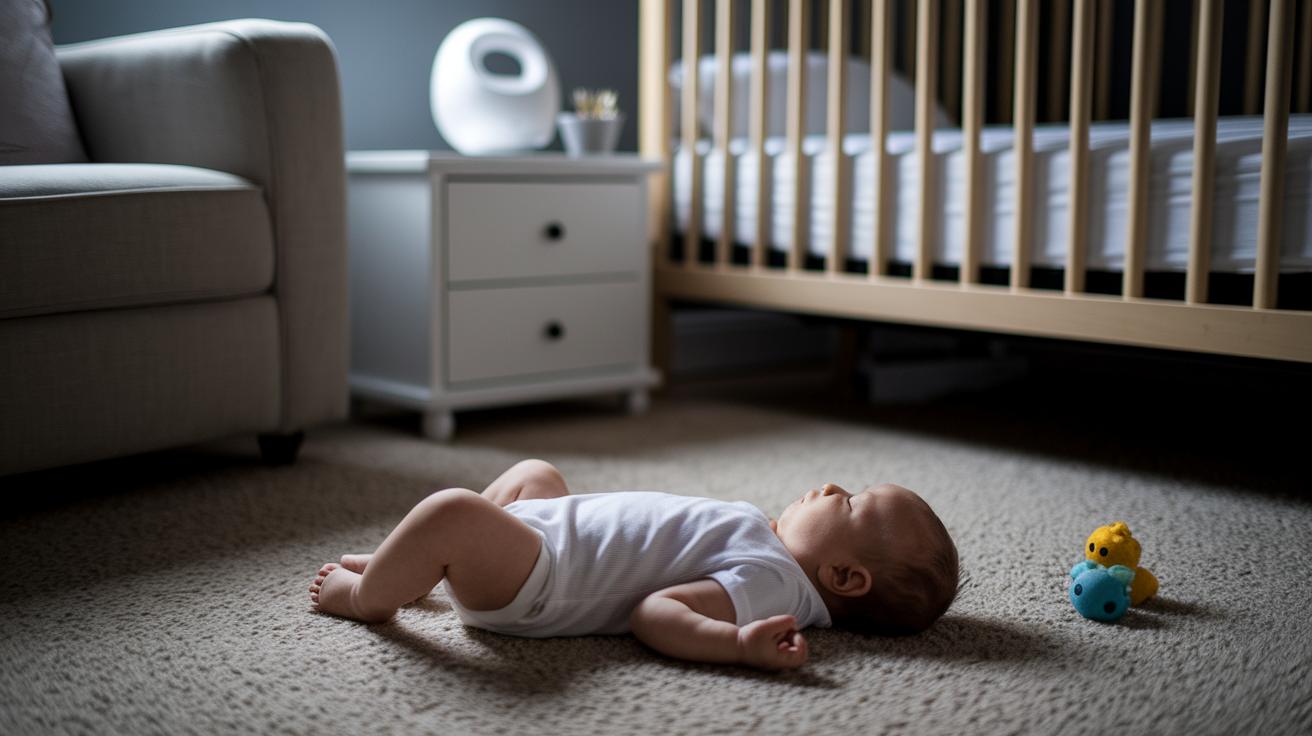
Start by creating a calm sleep space for your little one. Keep the room cool, around 65°F to 70°F (18°C to 21°C), and make sure it's completely dark. A dark room tells your baby it's time to sleep, and a cool temperature keeps them comfortable. Also, always place your baby on their back for sleep until they can safely roll over both ways.
Next, consider adding a steady sound like a white noise machine or soft lullabies. These sounds can cover up everyday noise and help your baby sleep more soundly. Once they start rolling on their own, let them choose their favorite sleeping position.
Finally, include a few comfort items every night. Having an extra pacifier nearby can help if your baby wakes up briefly. A snug sleep sack or a favorite soft toy also offers comfort during restless moments. Keeping these items in the crib each night builds a familiar and soothing sleep routine.
Troubleshooting Common Sleep Challenges at 12 Months
At 12 months, your child’s sleep can become a bit tricky thanks to big changes like learning to walk or talk and the discomfort of teething. You might notice more frequent night wakings or a refusal to nap, which means they might not get enough steady rest.
When naps get shorter or skip a nap completely, it throws off their natural sleep signals. This usually leads to being overtired or overstimulated at bedtime, which then feeds back into poorer sleep at night. Even small steps in their growth can change their sleep routine noticeably.
Try these small tweaks to help get things back on track:
- Adjust their awake time by 15–30 minutes if they seem either too rested or too tired.
- Stick to a regular routine that includes calming pre-bed activities.
- Watch for signs of sleepiness and respond with soothing, quiet time before sleep.
These simple changes can help smooth out sleep disruptions and set a more predictable schedule for your little one.
Exploring Sleep Training Strategies for Your 12-Month-Old
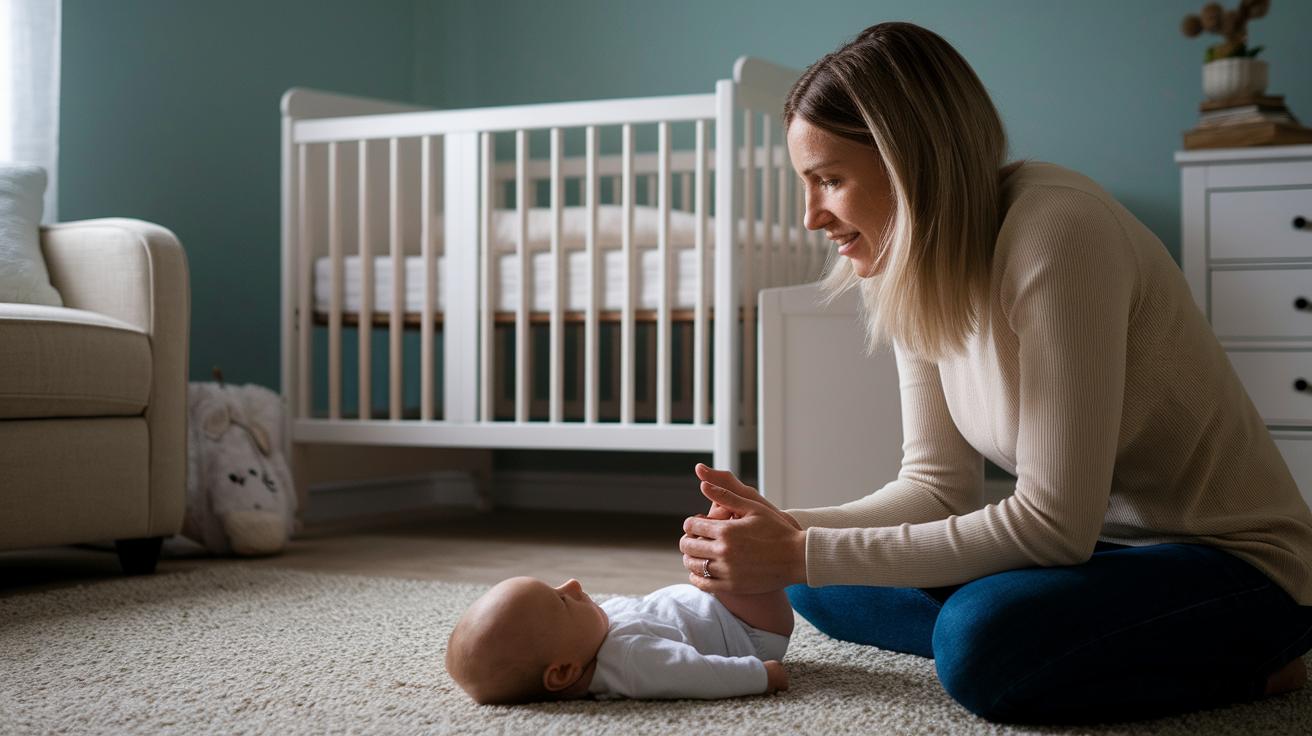
Quick take: There are different ways to help your little one build better sleep habits. Some parents go for a gentle approach, while others try a more structured method.
If you prefer a gentle style, try staying in the room as your baby learns to settle. Over several days, gradually step away so they get used to self-soothing. This way, your baby learns to fall asleep with a bit less help each night.
On the other hand, some parents choose a cry-it-out method. With this approach, you let your baby cry a little while, then check in briefly. This can lead to faster changes, sometimes within a week. Just know that it might feel a bit harsh, and it may not be right for every family.
No matter which method you choose, consistency is key. Stick to your routine for about 1 to 2 weeks. Watch how your baby responds and be ready to make small tweaks, like changing their wake window or bedtime routine, to better match their sleep cues.
By trying one of these steps, you'll find a routine that works well for your family while helping your baby get the rest they need.
Final Words
In the action, we walked you through a practical sleep schedule for a 12 month old. We outlined daily sleep needs, clear nap timing, calming bedtime routines, and creating a safe sleep environment. We also tackled common sleep struggles and shared sleep training options based on trusted research.
This framework lets you adjust routines to your little one’s cues seamlessly. Small changes can lead to better rest, so give these steps a try and enjoy the progress ahead!
FAQ
What is a typical sleep schedule for a 1-year-old with one nap?
A 1-year-old’s sleep needs total 13–15 hours daily. Most kids use two naps at this age, while switching to one nap usually happens closer to 15 months when sleep patterns naturally adjust.
How do sleep schedules change from 13 to 15 months old?
Between 13 and 15 months, many children start reducing nap frequency. They might shift from two shorter naps to one longer midday nap while keeping overall sleep needs at about 13–15 hours in 24 hours.
What is a 12-month-old sleep and feeding schedule?
A 12-month-old typically gets 13–15 hours of sleep daily and follows feeding times around naps and regular wake windows. Meals and snacks are usually planned to support energy during awake periods.
What does a 12-month-old sleep regression mean?
A 12-month-old sleep regression means a temporary period of more frequent wakings and shorter naps, often due to developmental changes, teething, or disruptions in routine.
How can I fix a 1-year-old sleep schedule?
To fix a 1-year-old sleep schedule, keep consistent routines, adjust nap timings based on sleepy cues, and create a calm bedtime ritual that signals it’s time to sleep and helps stabilize daily sleep patterns.
What time should a 12-month-old go to bed?
A 12-month-old should ideally go to bed between 7:00 and 8:00 pm, which aligns with waking up 12–13 hours earlier and supports a healthy full-night sleep cycle.
What is the 3–6–9 rule for babies?
The 3–6–9 rule for babies offers a guideline suggesting about 3 hours awake in the morning, followed by 6 hours of wake time overall, and a 9-hour period from wake to bedtime to help set up daily routines.
What is the 5–3–3 rule for baby sleep?
The 5–3–3 rule for baby sleep divides the day into segments, with roughly 5 hours of daytime sleep, 3-hour wake windows, and 3-hour stretches within nighttime sleep, providing a flexible framework for scheduling.