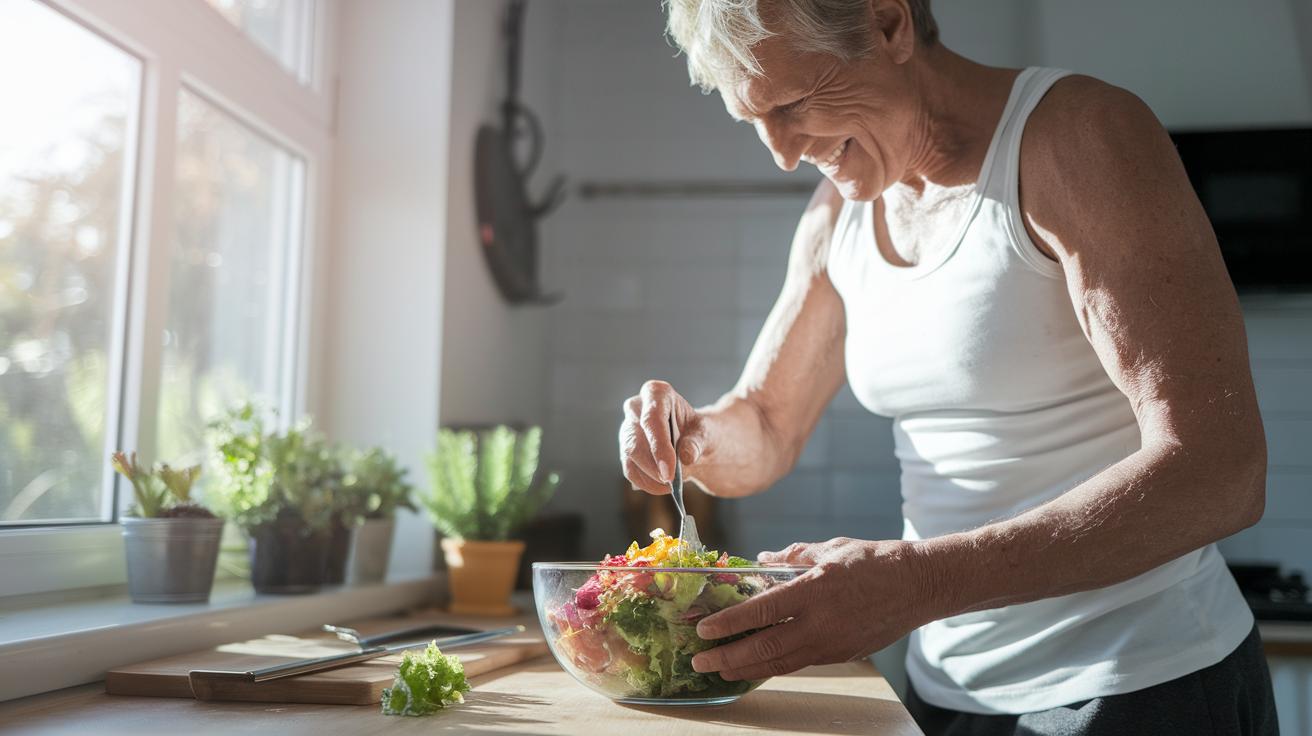
Have you ever considered that small daily choices might help lower your risk of colon cancer? Every year, about 150,000 people in the United States are diagnosed with it. The good news is that making simple changes, like getting regular screenings, eating a diet full of fiber (think fruits, vegetables, and whole grains), and staying active, can all help reduce this risk. For example, a brisk 10-minute walk or including an extra serving of fruits and veggies in your meals might be all it takes to start protecting your health. Let's explore a few easy steps you can try today to build a healthier life and lower your risk.
Colon Cancer Risk Reduction: Embrace a Healthy Life
Colon cancer is the third most common cancer in the United States, affecting about 150,000 people every year. Early screening is key, routine checks like colonoscopies or stool tests (which look for signs of cancer) can boost the five-year survival rate to 91%. If you’re at average risk, start screening at age 45. If you have higher risks, consider beginning at age 40.
A healthy diet plays a big part in reducing risk. Switching to meals rich in fiber can improve gut health and lower inflammation. Try to include plenty of fruits, vegetables, beans, and whole grains, aim for at least three servings each day, with a total of 22 to 34 grams of fiber. Also, cut back on red and processed meats (such as bacon or sausage) to less than three servings per week. Boost your diet further by including foods that provide 1,000–1,200 mg of calcium and around 1,000 IU of vitamin D, like low-fat dairy, fortified milks, eggs, or fatty fish.
Regular physical activity and weight control go hand in hand with good nutrition. Even a brisk 30-minute walk each day can help manage your weight and reduce inflammation. Quitting smoking and limiting alcohol can also lower your risk for colon cancer, and many other health issues.
Each of these steps is a practical way to cut down your chronic disease risk. For more tips on lowering risk across the board, check out our chronic disease risk reduction guide at chronic disease risk reduction – https://bezenn.com?p=628.
Evidence-Based Colon Cancer Screening Guidelines
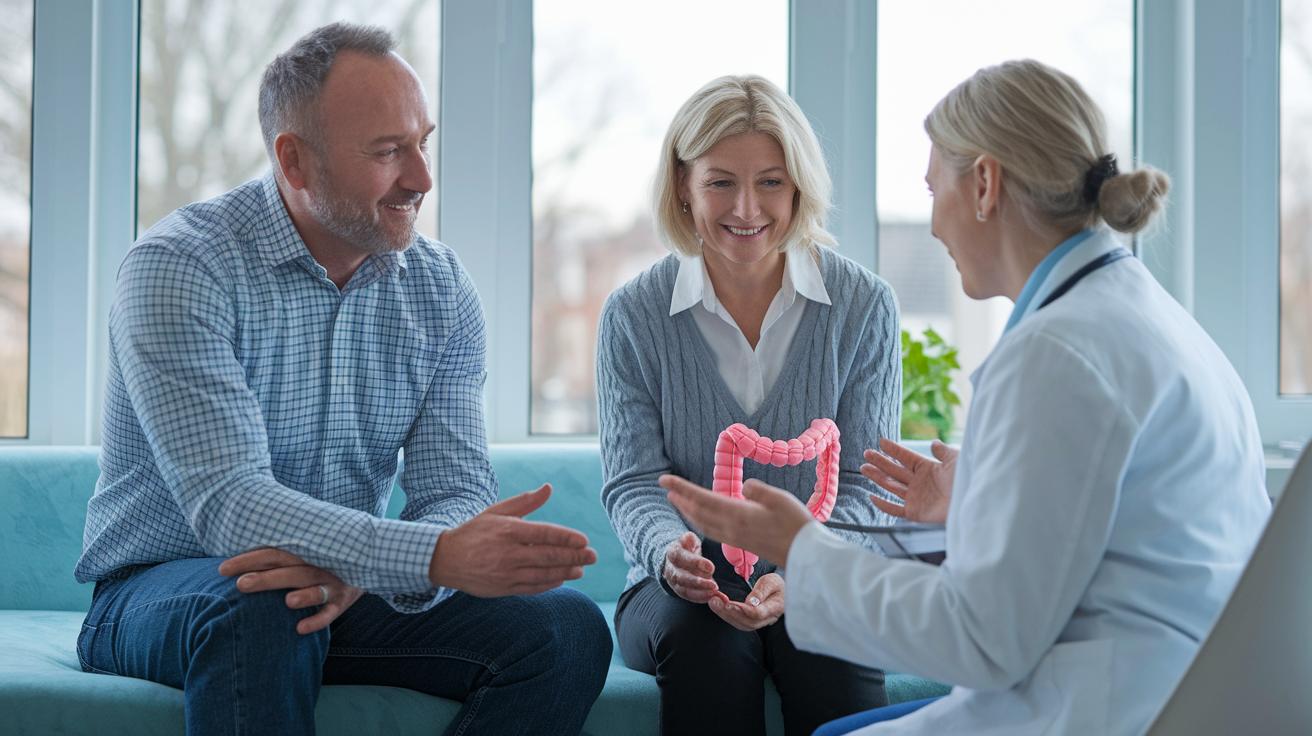
Screening can lower your risk of colon cancer. A colonoscopy uses a flexible tube with a camera while you are sedated, so the doctor can look inside your colon and remove any polyps found. Another method is an at-home stool test, where you collect a sample and send it to a lab for analysis.
Doctors generally suggest starting screening at age 45, or at age 40 if you have extra risk factors. Finding colon cancer early can raise the five-year survival rate to 91% when the cancer is caught in its first stage.
Newer methods like CT colonography, a low-dose CT scan that shows images of the colon, are also being studied. However, the colonoscopy remains the most trusted method.
Diet and Nutritional Improvements for Colon Cancer Risk Reduction
Start by boosting your fiber. Aim for 22–34 g each day by enjoying at least three servings of whole grains like whole wheat bread, barley, or oats. For instance, instead of white rice, try a cup (185 ml) of cooked quinoa for a fiber-packed swap.
Fill half your plate with fruits, vegetables, and beans. These foods not only add fiber but also provide antioxidants that support a healthy gut and reduce inflammation. A simple tip: mix a bowl of spinach and tomatoes with a side of steamed green peas to get that antioxidant boost.
Cut back on red and processed meats to fewer than three servings each week. Choose lean proteins like chicken or plant-based options instead. For example, swap out bacon for grilled tofu in your breakfast scramble for a protein-rich alternative.
Don't forget about calcium and vitamin D. Aim for 1,000–1,200 mg of calcium and about 1,000 IU of vitamin D a day. You can get these from low-fat dairy, fortified plant-based milks, eggs, or fatty fish. Try having a cup (240 ml) of low-fat yogurt, it can cover a big chunk of your daily calcium needs.
Finally, add omega-3 rich foods like salmon, walnuts, or flax seeds to your meals. A handful of walnuts or a sprinkle of flax seeds on your salad can add healthy fats and extra nutrients.
| Key Recommendation | Example |
|---|---|
| Boost Fiber | Swap white rice for cooked quinoa |
| Fill Half Your Plate | A bowl of spinach, tomatoes, and green peas |
| Choose Lean Protein | Grilled tofu instead of processed meats |
| Get Calcium & Vitamin D | A cup of low-fat yogurt |
| Add Omega-3s | Salmon, walnuts, or flax seeds in meals |
Physical Activity and Weight Management for Colon Cancer Prevention

Try to get 30 minutes of moderate exercise every day. You can walk briskly, cycle, dance, or even do some gardening. Even small changes like parking farther away or taking a 10-minute walk after a meal can lower your colon cancer risk by about 24%.
Keeping a healthy weight matters too. Extra weight is linked to more than 13 types of cancer, including colon cancer. Swap a long chair session for a few minutes of stretching or light resistance work. Plan two or three strength-training sessions each week to build muscle, boost your metabolism, and help control your weight.
Be steady in your efforts. If you’re new to regular exercise, start slowly and then gradually increase your activity. Choose activities you enjoy so that moving becomes a fun part of your day. Set aside time each day, set specific exercise goals, and keep track of your progress to stay motivated.
Lifestyle Modifications: Smoking Cessation and Alcohol Avoidance
Smoking harms your body in many ways. It raises your risk for at least 15 cancers, including colon cancer, and fills your body with harmful chemicals. When you quit, your heart rate and blood pressure begin to slow down almost immediately, helping your body start to repair itself.
Even a little alcohol can add to your risks for colon and breast cancers. Stopping alcohol completely gives you a better chance to lower your risk. You might swap your evening drink for a glass of sparkling water or a calming cup of herbal tea, simple changes that add up over time.
These small steps support both colon cancer prevention and overall wellness. Try setting a quit date for smoking and note your alcohol intake each day. Every bit of progress helps you feel healthier and more in control.
Genetic and Uncontrollable Factors in Colon Cancer Risk Reduction

Some factors that boost colon cancer risk are simply beyond our control. Your genes, family history, and surroundings all play a role – even if you eat well and exercise. Recent studies found that colon cancer among people under 50 has grown by about 2.4% each year. This means that unseen factors might be affecting many, no matter how healthy your lifestyle is. If colon cancer or related conditions run in your family, it’s smart to get screenings done early.
If you carry extra risk factors, consider getting a genetic evaluation. This simple check can reveal if you have traits that might increase your chances of developing colon cancer. Beyond just your genetic makeup, discussing your family history with a trusted healthcare provider can lead to screening recommendations that fit your situation. For example, some experts suggest starting regular colon cancer screenings at age 40 instead of 45 for those at higher risk.
Taking these steps with professional guidance can help you stay one step ahead.
Final Words
In the action, we explored a clear roadmap for colon cancer risk reduction. We covered early screening tips, practical dietary changes, simple exercise routines, and lifestyle adjustments like quitting smoking and avoiding alcohol.
Each step is underpinned by solid evidence, ensuring you can take safe and smart actions right away. Embrace these daily habits and know that even small changes can build lasting benefits. Keep moving forward with confidence and a positive outlook.
FAQ
How to prevent colon cancer in young adults?
Preventing colon cancer in young adults involves a balanced, fiber-rich diet, regular physical activity, timely screenings if risk factors exist, and steering clear of tobacco and excess alcohol to lower overall risk.
How to prevent colon cancer symptoms?
Preventing colon cancer symptoms means adopting a healthy lifestyle with a high-fiber diet, staying active, and keeping up with recommended screenings to catch changes early and support colon health.
What are primary prevention strategies for colorectal cancer?
Primary prevention of colorectal cancer includes regular screenings, a diet full of whole grains, fruits, and vegetables, consistent exercise, weight control, and avoiding tobacco and excessive alcohol.
What foods help prevent colon cancer?
Eating colon cancer prevention foods like whole grains, fruits, vegetables, beans, and green peas helps boost fiber intake, supports digestion, and reduces inflammation to lower your cancer risk.
How to prevent colon cancer in women and men?
Preventing colon cancer in both women and men involves starting regular screenings at age 45 (or 40 with risk factors), eating a high-fiber diet, exercising regularly, and avoiding tobacco and heavy alcohol use.
What should you drink to prevent colon cancer?
Drinking water is best for colon health. Low-fat dairy or fortified milk also help by providing calcium and vitamin D, while avoiding alcohol minimizes additional cancer risk.
Can colon cancer be prevented?
Colon cancer cannot be completely prevented, but you can lower your risk significantly with a balanced diet, regular exercise, weight management, and timely screenings paired with healthy lifestyle choices.
What reduces the risk of colon cancer?
Reducing colon cancer risk involves routine screenings, a fiber-rich diet, regular physical activity, maintaining a healthy weight, and avoiding smoking and excessive alcohol consumption.
What is the 3/2:1 rule for colorectal cancer?
The 3/2:1 rule for colorectal cancer suggests eating three servings of whole grains, two servings of vegetables, and one serving of fruit each day, which supports a high fiber intake to aid digestion.
Is colon cancer treatable if caught early?
Colon cancer is highly treatable when caught early; screenings can lead to early interventions like polyp removal, resulting in a five-year survival rate of about 91%.
How to reduce colon polyps naturally?
Reducing colon polyps naturally can be achieved by following a fiber-rich diet, staying physically active, managing your weight, and keeping up with regular screenings to detect and remove polyps early.