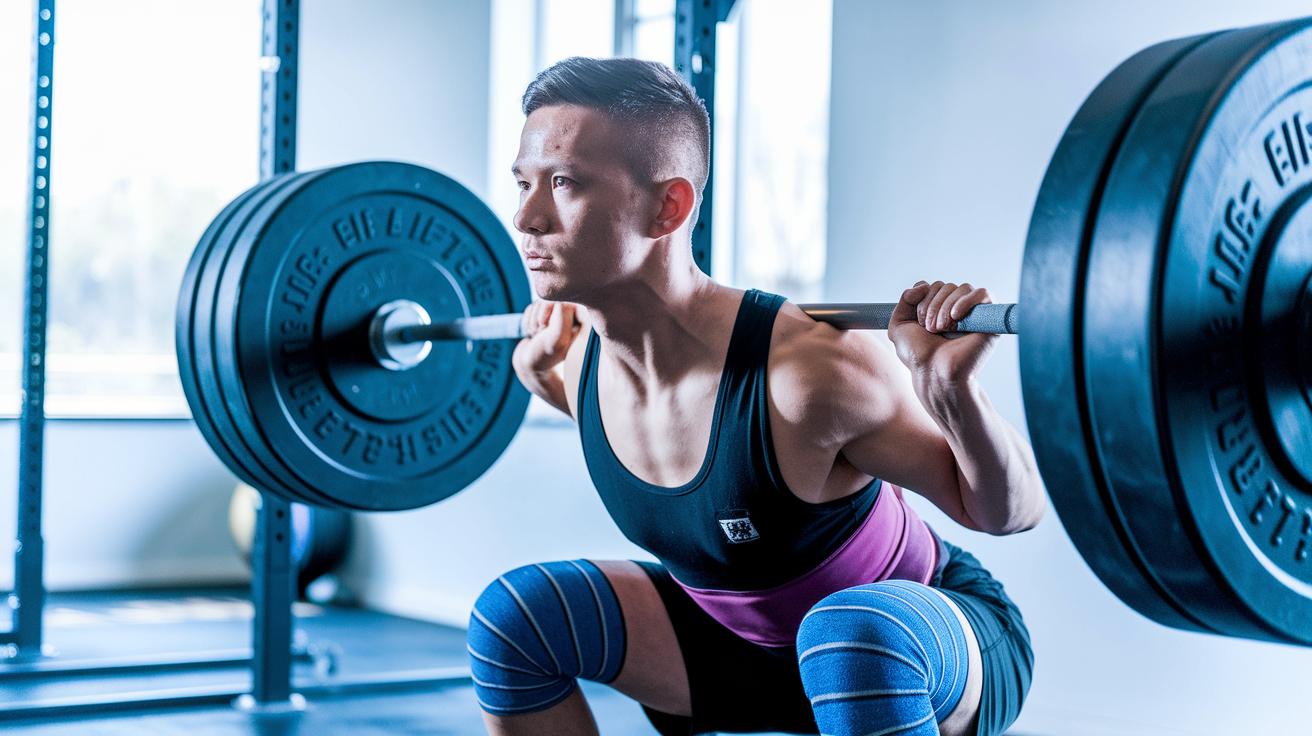
Ever wonder if a few simple moves could help you build lasting strength? Starting a strength training routine might feel a bit scary at first, but it's a smart way to boost your everyday power. Begin with small, repeatable steps that gradually challenge your muscles, like slowly turning up the heat on a steady fire. This guide offers simple tips and exercises that let you feel stronger with every workout.
Core Strength Training Fundamentals for Beginners
Strength training is a workout where you challenge your muscles using weights, bands, or even your own body. This challenge makes your muscles repair and grow stronger, much like teaching them to handle a bit more every time you exercise.
One key idea is progressive overload. In simple terms, this means you slowly increase the resistance so your muscles keep adapting. If you can do 8–10 repetitions comfortably, it may be time to add more weight. For example, if doing bodyweight squats feels easy after 10 reps, try using resistance bands or a light pair of dumbbells (around 8–20 lb) to push your muscles further.
Strength training does more than just build muscle. It can boost your stamina, improve everyday strength, and even help with fat loss. Whether you choose a bodyweight HIIT routine or incorporate dumbbell and kettlebell moves, there are plenty of options to keep your workouts lively. You might even explore barre or yoga sessions that mix strength elements into routines lasting between 10 and 35 minutes.
Begin with simple equipment and focus on doing each move right. Listen to your body and take each exercise, like push-ups or lunges, as a small step toward a stronger you.
Quick Tip: Start with one set of 8 push-ups. Once you feel more confident, slowly add more reps or extra resistance.
Designing Your Introductory Strength Training Routine

Ready to get stronger? Try a simple full-body workout three days a week. This plan targets your main muscle groups using moves that work several muscles at once. For example, squats, push-ups, dumbbell rows, overhead presses, and glute bridges all pack a punch. Add a little more weight each week to keep your muscles challenged.
Aim for 2-3 sets of each move with 8-10 reps per set. Rest for 60-90 seconds between sets so you can catch your breath. Keep a steady pace: lift in 2 seconds and lower the weight in 3 seconds. This helps you keep good form and makes your workout more effective.
Below is a simple sample routine to guide your practice:
| Exercise | Sets | Reps | Rest |
|---|---|---|---|
| Squats | 2-3 | 8-10 | 60-90 sec |
| Push-ups | 2-3 | 8-10 | 60-90 sec |
| Dumbbell Rows | 2-3 | 8-10 | 60-90 sec |
| Overhead Presses | 2-3 | 8-10 | 60-90 sec |
| Glute Bridges | 2-3 | 8-10 | 60-90 sec |
Give this routine a try and gradually increase the weight as you get stronger. Enjoy the journey to a stronger, healthier you!
Home Gym Strength Basics and No-Equipment Adaptations
Start building strength at home with moves that need little to no gear. Try simple bodyweight exercises like push-ups, squats, lunges, planks, and glute bridges. These exercises work several muscle groups at once while boosting your balance and flexibility.
Plan for workouts that last 10 to 35 minutes. For example, begin with a 15-minute circuit of push-ups, squats, and lunges. As you get more comfortable, add planks and glute bridges for variety. Set a timer to keep you on track–similar to how you’d time boiling an egg.
If your routine feels too easy, add some extra resistance. Consider using bands or light dumbbells (about 8 to 20 pounds) to make the work more challenging. If you feel that 10 reps aren’t enough, try a resistance band for added load. This steady step-up approach helps your strength grow over time.
Remember, rest days are key. Dedicate one full day each week to recovery and try a gentle walk or light stretching on your off days. Rest helps your muscles repair and grow stronger, much like giving a well-loved plant a break to flourish.
You can even use household items as substitutes for gym gear. Use a sturdy chair for tricep dips or a water bottle as a light weight, keeping your workout routine both practical and flexible.
Proper Form, Safety Tips, and Avoiding Common Beginner Strength Training Mistakes
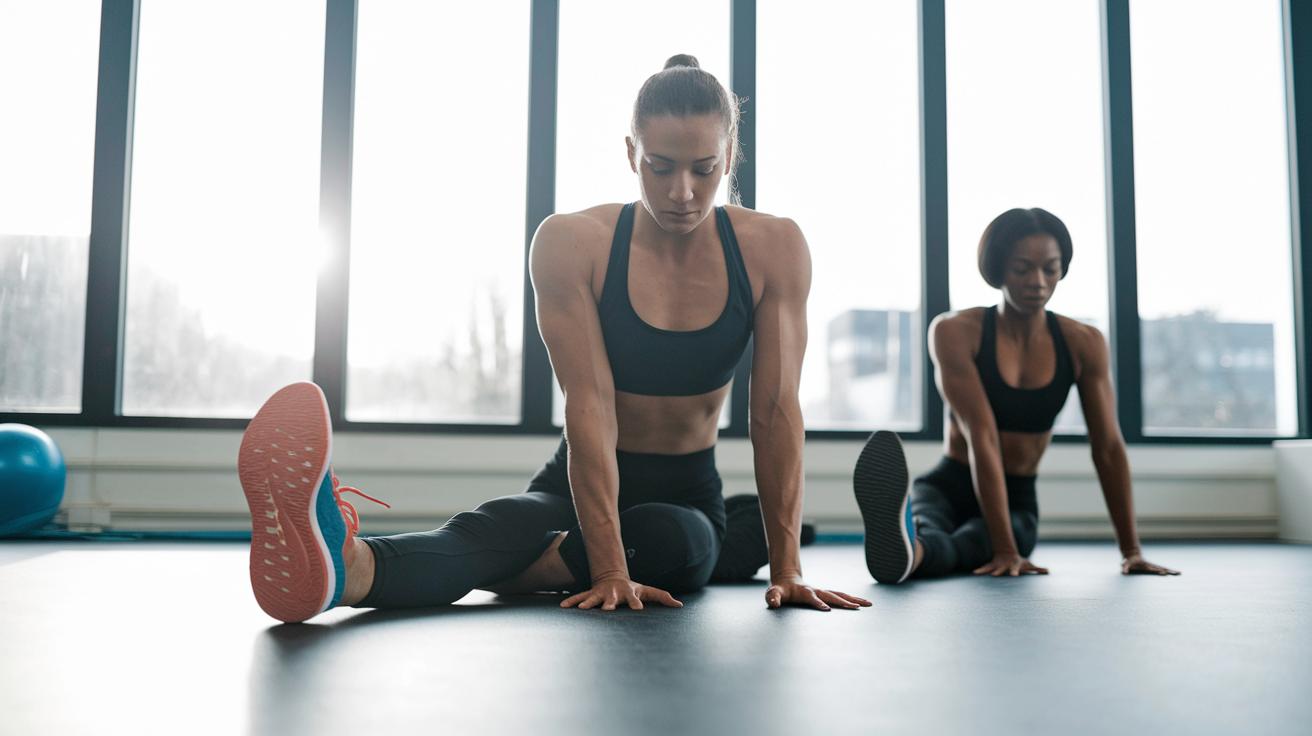
Begin each workout with a 5–10 minute warm-up. Try simple moves, like rotating your joints or doing light cardio such as brisk walking or marching in place. Warming up helps your muscles and joints get ready, which can lower your chance of strains or injury.
Keeping proper form is very important. Stand or sit with a straight back and a neutral spine (not curved or overly arched). Keep your core muscles tight to add extra stability. If you're doing squats, make sure your knees point in the same direction as your toes. This simple rule helps protect your knees from extra stress. When doing rows, squeeze your shoulder blades together so you use the right muscles and support your back.
Watch out for these common mistakes that can hurt you:
- Using too much weight too soon, which can make your form slip.
- Letting your lower back arch during exercises, which puts extra strain on it.
- Locking your joints at the end of a move, like straightening your arms or legs fully.
- Skipping your warm-up and leaving your muscles unready.
- Holding your breath while lifting, which limits oxygen flow.
For example, if you're doing squats, try 8–10 slow and controlled repetitions. Once you feel comfortable with your form, you can slowly add more resistance. Always remember to breathe steadily, exhale as you lift and inhale as you lower the weight. This approach helps you build strength safely and effectively.
Tracking Strength Training Progress, Recovery Strategies, and Nutrition for Strength Gains
Keep a simple workout log using a journal or an app. Write down your sets, reps, and weights so you can see your progress and know when it’s time to raise the weight. For instance, record the weight and number of reps for each exercise, and when you can do 8–10 reps easily, try increasing the load a bit.
Set aside one full rest day every week. Use that day to do gentle stretching or foam rolling, or take a calm walk to keep your muscles moving. Also, aim for 7–9 hours of sleep each night; a good night’s rest helps your muscles recover and get stronger, much like recharging your phone.
Good nutrition is also a must. Try to get about 0.8 to 1 gram of protein per pound (or 1.76 to 2.2 grams per kilogram) of body weight each day. This protein helps repair your muscles after working out. Make sure to include carbohydrates and fats in your meals too, so you have plenty of energy during your workouts. Keep some healthy snacks like Greek yogurt, nuts, or lean meat close by for a quick boost before or after exercising.
Tracking your workouts and planning recovery are simple steps that build on your progress every day. Stick to this routine, and you’ll be on a steady path to feeling and getting stronger.
Final Words
In the action, you now have a clear picture of core exercises, progressive loading, and safe techniques using simple equipment.
The post covered routines you can set up at home, detailed form tips, and even advice on recovery and nutrition.
Every small step builds strength and confidence.
Keep track of your progress and update your plan as you grow.
Remember, strength training for beginners is about steady progress, so enjoy each achievement along the way.
FAQ
Strength training for beginners near me
The query “strength training for beginners near me” means looking for local gyms or community centers offering beginner-focused programs. You can search online with your location for classes that provide expert guidance.
Strength training for beginners at home
“Strength training for beginners at home” refers to routines designed for home workouts using bodyweight exercises and minimal equipment. These programs are ideal for starting without a gym membership.
Strength training for beginners female
The phrase “strength training for beginners female” targets workouts designed with women’s goals in mind. These routines focus on form, gradual resistance increases, and safety tips to build confidence and strength.
Strength training for beginners pdf
“Strength training for beginners PDF” indicates downloadable guides that outline beginner routines, exercise tips, and equipment recommendations. These resources help you follow a structured program at your own pace.
Strength training for beginners free
“Strength training for beginners free” suggests that you can access free online resources, videos, or apps with starter workouts. These options are ideal for those who want to build strength without extra costs.
Strength training for beginners over 50
“Strength training for beginners over 50” points to routines tailored for older adults. These workouts emphasize joint safety, lighter resistance, and gradual progression for improved balance and muscle strength.
Strength training for beginners no equipment
The term “strength training for beginners no equipment” means using bodyweight exercises like push-ups, squats, lunges, and planks. These movements effectively build strength without the need for gym tools.
Strength training for beginners app
“Strength training for beginners app” refers to mobile applications that offer guided workouts, tracking features, and instructional videos. They help newcomers follow routines, track progress, and safely progress over time.
How do beginners start strength training?
“How do beginners start strength training?” suggests beginning with simple, compound exercises using minimal weights or bodyweight, focusing on proper form and gradual resistance increases to safely build strength.
What are the 5 basic strength trainings?
“What are the 5 basic strength trainings?” implies a focus on fundamental exercises such as squats, push-ups, dumbbell rows, overhead presses, and glute bridges to target major muscle groups effectively.
What is the 3 3 3 rule in weight lifting?
“What is the 3 3 3 rule in weight lifting?” generally refers to performing three sets with three different exercises and resting three minutes between sets, offering a balanced approach to intensity and recovery.
What are the 5 starting strength exercises?
“What are the 5 starting strength exercises?” typically include squats, push-ups, dumbbell rows, overhead presses, and glute bridges, providing a balanced routine that covers all major muscle groups for beginners.