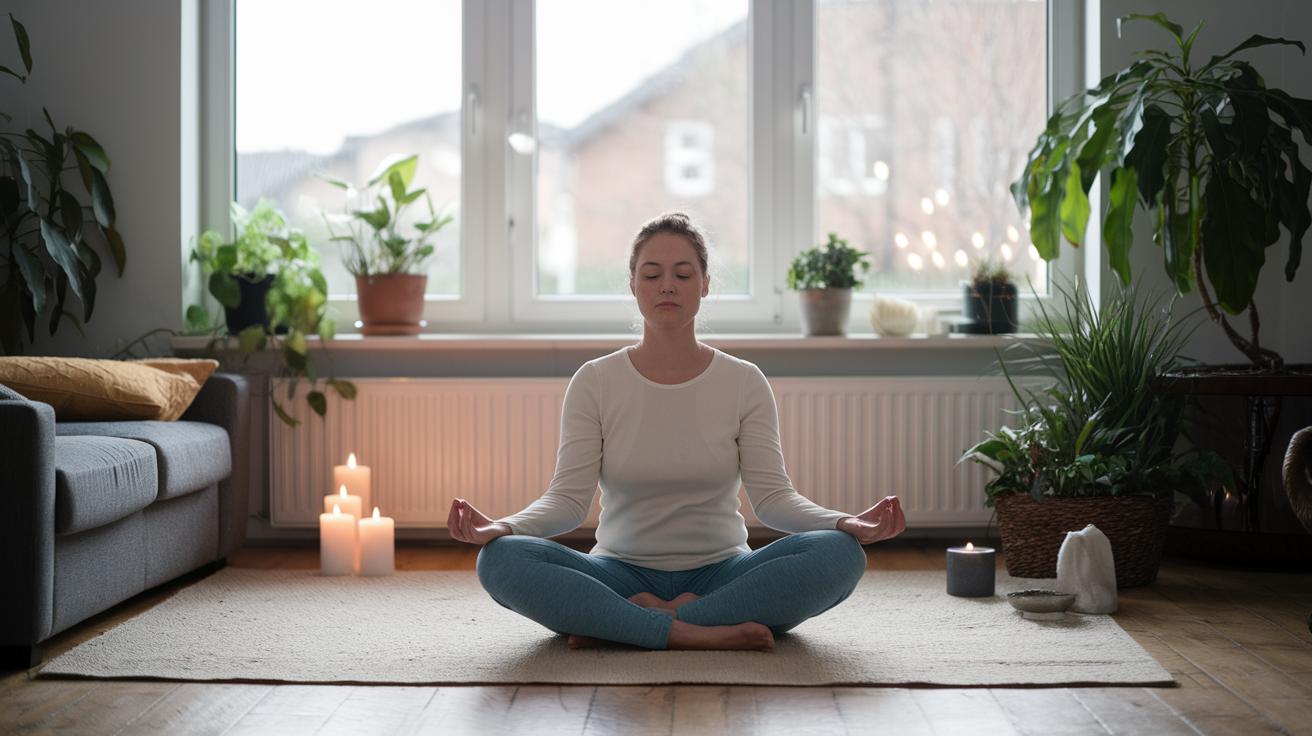
Ever notice your heart racing even when nothing seems wrong? Sometimes stress shows up like that, and simple tips for managing anxiety can help. Imagine taking a slow, deep breath that clears away the fog of worry. This guide offers easy ideas, like deep breathing and mindful pauses, that may lower stress signals in your body. Try a few of these steps today to feel calmer and more in control.
Essential Stress Management Techniques to Ease Anxiety
When anxiety creeps in, a few quick stress management techniques can help calm your body and mind. These simple tips work by reducing stress chemicals in your body, which can slow down racing thoughts and ease those anxious feelings. Research tells us that tapping into the natural "relaxation response" , like when you take a few deep, calming breaths , can lower cortisol levels (the stress hormone) and lift your mood.
These practices focus on both your body and your mind. For example, deep breathing or taking a moment to visualize a peaceful scene can help you feel more grounded. They are practical steps you can try right away to bring back calm and clarity when life feels overwhelming.
Adding these techniques to your daily routine may also boost your mental balance and make you more resilient over time. Many experts recommend combining these simple methods with guided audio meditations to create a stronger sense of calm. Even on tough days, a few of these strategies can make a noticeable difference. Here are some ideas to explore:
- Deep breathing: Take slow, steady breaths. This can help slow your heart rate and bring more oxygen to your brain.
- Progressive muscle relaxation: Tense and then relax your muscles, one group at a time, to ease physical tension.
- Guided imagery: Close your eyes and picture a calming place to distract your mind from worry.
- Mindfulness meditation: Practice staying in the moment without judging your thoughts.
- Journaling: Write down how you feel to organize your emotions and clear your head.
- Social support or music therapy: Reach out to a friend or listen to soothing music to lift your mood and ease stress.
Mindfulness and Deep Breathing Practices for Calming Anxiety

Mindfulness is all about tuning into the present moment. It means noticing your thoughts, feelings, and body sensations without beating yourself up. When you practice focused mindfulness, you shift your attention away from worries and toward what’s happening right now, offering a simple way to ease anxiety.
Give the 4-7-8 deep-breathing technique a try. Breathe in quietly for 4 seconds, hold your breath for 7 seconds, and then slowly let it out for 8 seconds. This method helps steady your mind and calm anxious feelings by improving oxygen flow and encouraging relaxation. It can serve as a natural reset when you start to feel tense.
Research shows that controlled breathing may lower stress responses by up to 30 percent. Many people, with the help of audio-guided meditations, report feeling less anxious after regular practice. By including mindfulness and deep breathing in your daily routine, you can build resilience and enjoy calmer, more balanced days.
Progressive Relaxation and Guided Imagery Techniques to Reduce Anxiety
These easy methods help relax both your body and mind. With progressive muscle relaxation, you slowly tighten and then release your muscles in a step-by-step way. Studies show that a 10–15 minute session can ease muscle tightness. Guided imagery, on the other hand, invites you to picture calming scenes in your head. A quick 5–10 minute session can lower feelings of anxiety by about 25%. Many people find that adding audio meditations further enhances their sense of calm.
| Technique | Session Length | Key Steps |
|---|---|---|
| Progressive Muscle Relaxation | 10–15 min | Tense muscles, then slowly release them |
| Guided Imagery | 5–10 min | Visualize peaceful, calming scenes |
| Audio Meditation | Variable | Follow soothing audio prompts |
Combining these approaches can break the cycle of anxious thoughts and physical stress. With regular practice, you not only ease immediate tension but also build a daily habit of self-care. Try each technique and see which mix fits best into your routine to help you feel more at ease.
Cognitive and Behavioral Methods for Handling Anxiety

Cognitive defusion is a way to see your anxious thoughts as temporary clouds drifting by. It means noticing these thoughts as fleeting events instead of believing they are the whole truth. Think of a cloudy sky: you see the clouds, but you know the sun is still shining behind them. This method helps you step back and view your worries with fresh eyes.
When anxiety strikes, try the 5-4-3-2-1 grounding method. First, name 5 things you can see, then 4 things you can feel, list 3 sounds you hear, name 2 smells around you, and finally, focus on 1 taste you have. Next, place a hand on your chest and feel your heartbeat, a simple reminder that you are safe. These steps help pull your focus away from panic and bring calm back into your day.
Sometimes, a little extra support makes all the difference. Whether you're chatting with a therapist online or leaning on a trusted friend, adding professional guidance to your routine can strengthen these coping skills even more.
Daily Habits and Lifestyle Adjustments for Stress Management: Feel Calmer Today
Try keeping a daily journal. Spend a few minutes each day writing down how you're feeling or what’s on your mind. It can clear the clutter in your head. For example, note one good thing that happened, like a kind smile you noticed at work.
Add a short movement break to your day. A quick 5-minute stretch at your desk or a brief walk (about 3 minutes if you're on a tight schedule) can ease built-up tension. Moving for a few minutes helps shift your focus away from anxious thoughts.
Fix your sleep routine by setting a regular bedtime. Simple changes to improve your sleep, like dimming the lights and avoiding screens before bed, can make a big difference. For more ideas, you might check out tips on sleep hygiene at https://bezenn.com?p=. Good sleep can be a strong shield against daily stress.
Plan a few moments for music or a chat with a friend. Enjoying calming tunes or a quick call can lift your mood and help you relax. These brief breaks set a positive tone to carry you through the day.
Quick-Acting Rapid Calm Induction Strategies for Immediate Anxiety Relief
When you only have a minute or two, try a quick grounding exercise to bring your focus back to the here and now. First, take a moment to name five things you can see or hear, a flickering light, a patterned rug, a soft hum, rustling leaves, or even distant traffic. This simple list gives your mind a gentle reset.
Next, try a quick muscle-tension trick. Choose one muscle group, like your hand, and squeeze your fist tight for a few seconds before slowly letting it go. This small release can help stop stress from building up.
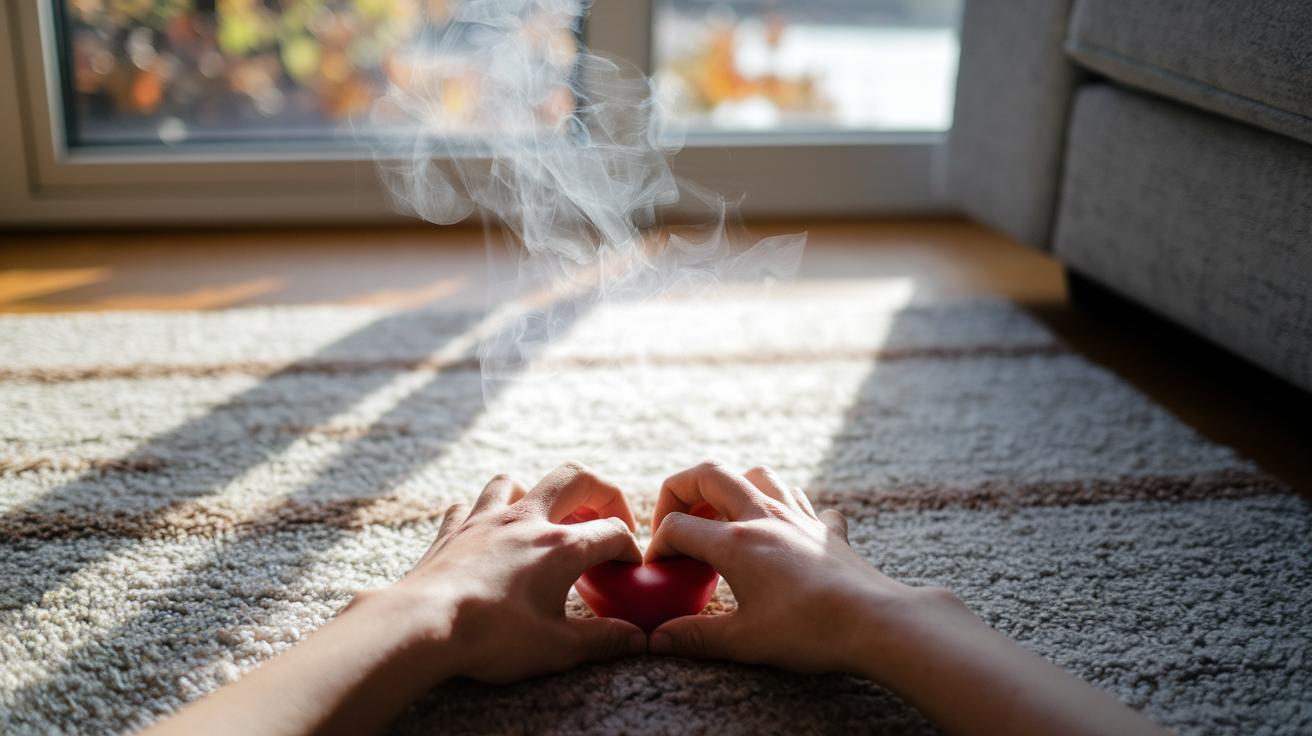
For a milder way to calm down, place your hand over your heart and take a few slow, steady breaths. Feel the warmth of your hand and the steady beat of your heart. This simple act can remind you that you're safe, even when things feel overwhelming.
Integrating Stress Management Techniques into a Daily Routine
Begin your morning by spending a few quiet minutes with yourself. Try a short audio meditation or simple breath-work (deep, slow breathing) to set a calm tone for the day. Then, spend a few minutes writing down your intentions or any thoughts on your mind. This easy routine helps you balance your mind and body so you can handle the day ahead with clarity.
Around midday, take a five-minute break to center yourself again. Use this time to focus on slow, controlled breathing or listen to a soothing audio prompt. Set a reminder on your phone if you need a little nudge. A brief moment of self-care during your lunch break can really help ease your stress.
As night falls, wind down with a similar routine. Spend a few minutes doing deep breathing exercises and reflective journaling. You might choose a guided meditation or use an app that helps with anxiety management. Keeping a regular evening routine with these mindful practices can bring steady, lasting relief from stress.
Final Words
In the action, we explored simple tips from mindful breathing and guided imagery to cognitive reframing and journaling.
We broke down quick, clear steps, like deep breathing and the Hand-on-Heart method, to counter sudden bursts of anxiety.
Daily routines, including movement breaks and social check-ins, showed how small changes add up.
Using stress management techniques for anxiety can build a steady path toward relief.
Each step may feel small, but they add up to a calmer, more balanced day. Stay positive and keep moving forward.
FAQ
How can I reduce or relieve stress and anxiety immediately?
Reducing stress quickly means using techniques like deep breathing, progressive muscle relaxation, and grounding exercises (such as naming visible items) to help calm your nervous system in moments of high anxiety.
What are 10 ways to cope with stress?
Coping with stress can include deep breathing, progressive muscle relaxation, guided imagery, mindfulness meditation, journaling, physical activity, social support, music therapy, cognitive reframing, and establishing a structured routine.
How should women relieve stress effectively?
Women can relieve stress by tailoring self-care routines that include regular exercise, journaling, mindfulness practices, quality social support, and brief relaxation breaks during their busy schedules.
What stress management tools are useful for daily life?
Useful stress management tools include mobile apps offering guided meditation or breathing exercises, journaling platforms to track thoughts, and music therapy recordings that help you relax and monitor progress.
How do I manage stress in life effectively?
Managing stress involves creating a balanced daily routine that includes quality sleep, nutritious meals, physical activity, short breaks, and consistent self-reflection through journaling or mindfulness practices.
What are the five stress management techniques?
The five common techniques are deep breathing, progressive muscle relaxation (systematic muscle tensing/releasing), guided imagery, mindfulness meditation, and journaling to foster self-reflection and calm.
What is the 3-3-3 rule for anxiety?
The 3-3-3 rule for anxiety means naming 3 things you see, 3 things you hear, and 3 things you can touch to help ground your thoughts and ease anxious feelings immediately.