
Have you ever thought that small habits can really keep your family safe from germs? Think of washing your hands as a shield that blocks harmful bugs. In this post, we show you how a quick handwash with warm water and soap can help lower the chances of getting hand, foot, and mouth disease (a common viral infection). These simple steps protect your loved ones and help keep everyone healthy and happy. Ready to learn easy tips that fit right into your busy day?
Hand foot and mouth disease prevention Sparks Smiles
Parents and caregivers can lower the risk of hand, foot, and mouth disease by sticking to simple hygiene habits. In busy households, remind everyone to wash their hands with soap and warm water after diaper changes, using the bathroom, or before meals. Encourage children to scrub for about 20 seconds, roughly the time it takes to sing "Happy Birthday" twice, and to avoid touching their faces to keep the virus at bay. Also, using a tissue when coughing or sneezing helps prevent spreading tiny droplets that might carry germs.
If a child shows signs like a fever, small bumps on their arms or legs, or mouth pain that makes eating hard, it’s best to keep them at home until they feel better. Make sure to clean toys, door handles, and other frequently touched surfaces regularly with EPA-approved cleaners that can kill viruses. This routine not only helps control the spread but also teaches everyone in the family healthy habits.
By taking these easy steps every day, we can all work together to slow down the spread of HFMD and create a safer environment for our loved ones.
Proper Handwashing Steps to Stop HFMD Transmission
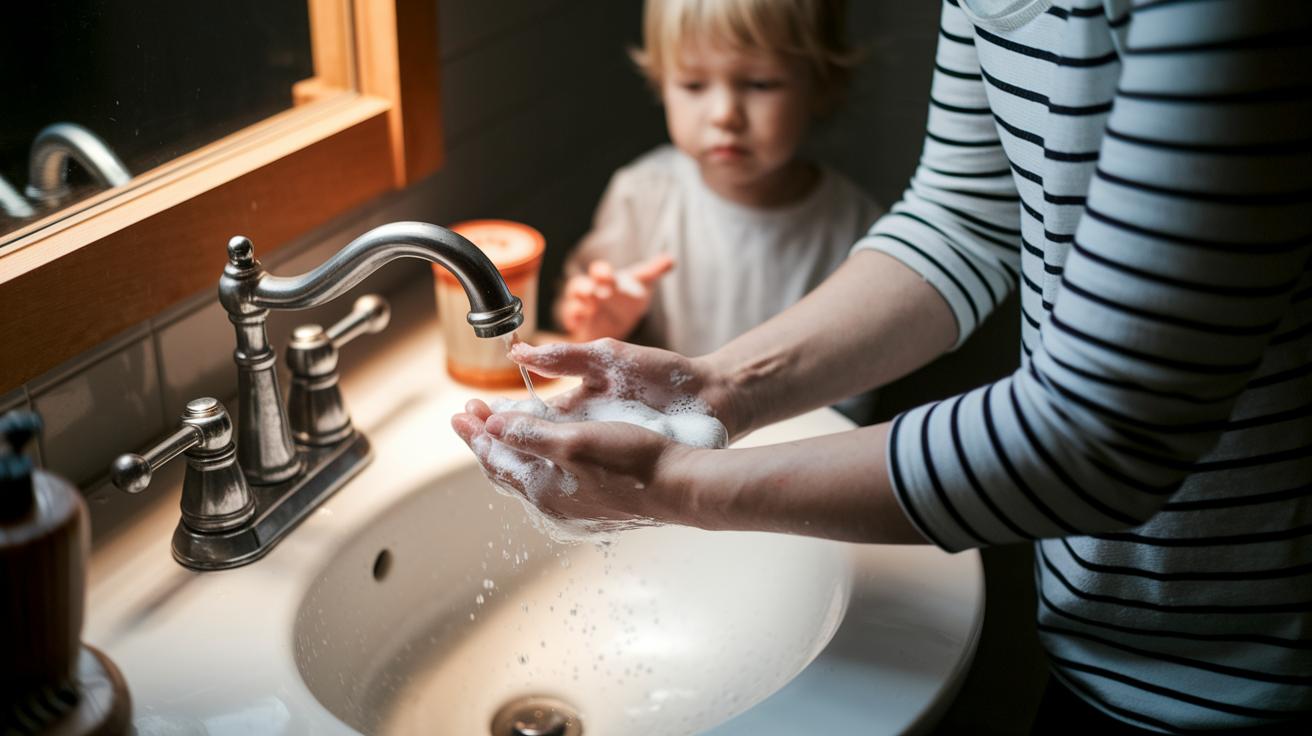
Regular handwashing is one of the simplest ways to fight the spread of HFMD. The virus moves through droplets and touched surfaces, but washing your hands well with soap can break it apart. This is especially important when young children are involved. A quick handwashing routine can really lower your chances of getting sick.
Here’s a straightforward 6-step routine to keep your hands clean:
- Rinse your hands with warm water.
- Squirt enough soap to cover all parts of your hands.
- Rub your hands together, making sure to interlace your fingers, for about 20 seconds.
- Rinse off the soap completely.
- Turn off the tap using a paper towel.
- Dry your hands using a disposable towel.
Stick with this routine every day. Handwashing before meals, after using the restroom, or after playing can really help cut down the spread of germs like HFMD. These small steps build healthy habits and make a safer, cleaner environment for everyone.
Disinfecting Surfaces and Toys to Reduce HFMD Spread
Viruses can live on surfaces anywhere from a few hours up to several days. That means everyday items like toys, door handles, and tabletops can become spots where HFMD spreads. Regular cleaning in homes and daycare centers cuts down on the time these germs stick around, keeping spaces safer for everyone.
Frequently touched surfaces need extra care. Studies show that EPA-registered antiviral disinfectants, like a diluted bleach solution (a safe mix for cleaning), can inactivate viruses, while alcohol-based sanitizers quickly reduce germs on smaller items. These methods help break the chain of transmission and lower the risk of infection.
Pick effective cleaning products by looking for labels that say antiviral. Always follow the instructions on the bottle to make sure you’re cleaning properly. This simple extra step strengthens HFMD prevention by ensuring that routine cleaning leaves surfaces safe and virus-free.
Monitoring HFMD Symptoms, Isolation Practices, and Seeking Medical Advice
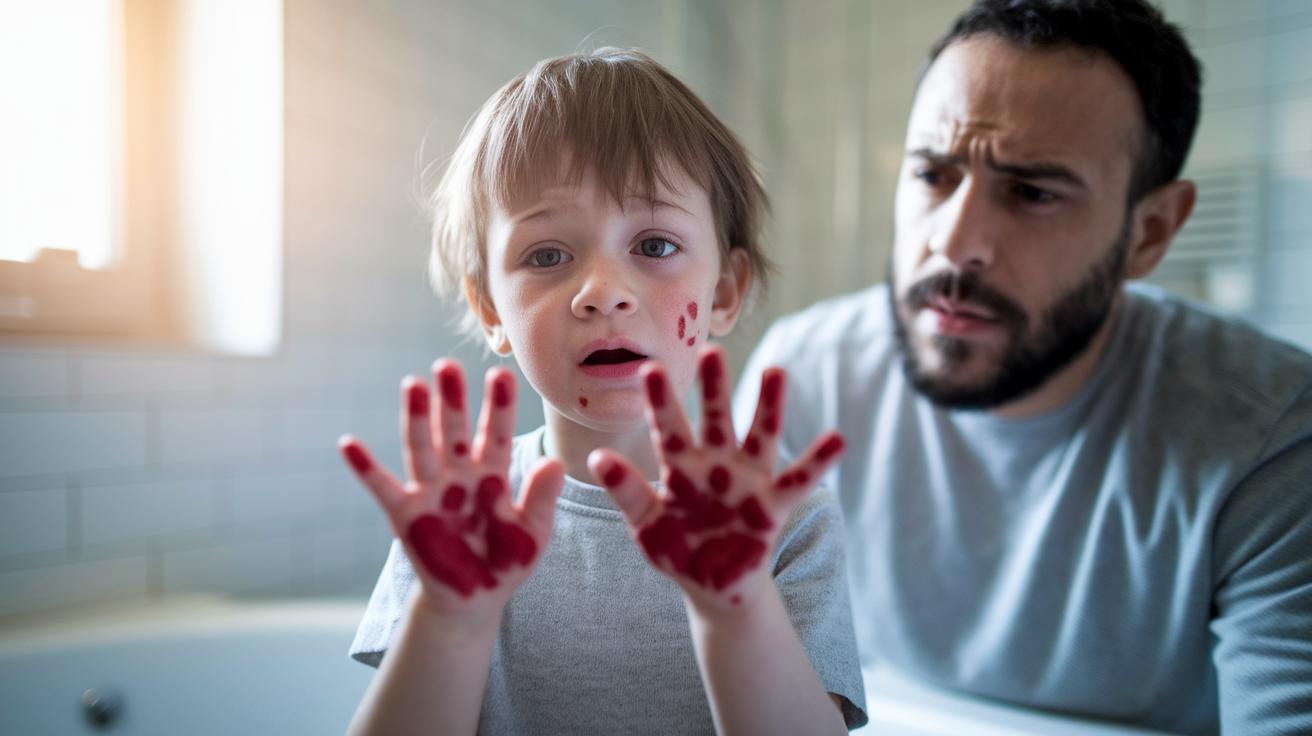
Keep an eye out for signs like a fever, a red or bumpy rash on the hands or feet, and small, painful spots in the mouth. These symptoms can appear quickly, sometimes in just a few hours, and may signal the start of hand, foot, and mouth disease. Spotting them early helps you take steps to slow the spread.
Once you notice any of these symptoms in your child, watch them closely. Make sure they stay comfortable and well-hydrated. If they struggle with eating or drinking, offer extra fluids and adjust their activities to ease any discomfort.
If these virus symptoms show up, it’s best to keep your child at home away from others for about 7 to 10 days. During this time, monitor for changes like a higher fever, refusal to drink fluids, or signs of dehydration such as dry lips or fewer wet diapers. If you see any of these issues or if your child seems unusually irritable, call your pediatrician right away for advice on managing the fever and easing mouth pain. This careful approach helps protect your family and ensures your child gets the support they need to recover.
Supporting Children During HFMD with Nutrition, Hydration, and Rest
When your child has HFMD (Hand, Foot, and Mouth Disease), they can feel very uncomfortable. Try offering soft, nutrient-rich foods that are easy on sore mouths. Foods like pureed fruits, yogurt, and well-cooked cereals not only give them energy but also support their immune system while keeping discomfort to a minimum. Cool fluids such as water, electrolyte drinks (which help balance salts in the body), or diluted fruit juices can soothe mouth pain and prevent dehydration. For example, a cool applesauce or a smoothie made with low-fat yogurt and berries can calm sore areas and deliver important vitamins and minerals for recovery.
Creating a calm atmosphere with a regular drinking schedule and plenty of rest can boost your child’s natural defenses. Encourage them to take small sips frequently instead of large gulps and offer gentle snacks throughout the day. Set aside quiet times with extra sleep and calm, low-activity periods. These everyday practices help ease discomfort and support your child’s recovery, making the tough days a little easier.
Implementing HFMD Safety Protocols in Childcare and School Settings

Keeping childcare centers and schools safe from HFMD (Hand, Foot, and Mouth Disease) is essential. Start each day by checking in with both children and staff. When anyone shows signs of illness, it helps to separate them from others right away. This small step goes a long way in keeping the virus from spreading and builds a culture of prevention.
Next, stick to a strict cleaning routine. Aim to clean common areas like play zones, door handles, and toys at least twice a day. This routine not only makes the space hygienic but also reassures parents and staff that safety matters. Place clear handwashing reminders around the facility to encourage proper hygiene. Following the instructions on effective disinfectants further reduces any risk.
Lastly, if you spot a potential case, reach out immediately to your local health authorities. Quick coordination means everyone stays informed and knows exactly what to do next. This swift action protects the community and keeps everyone safer.
Final Words
In the action, we've shown simple ways to protect loved ones from infection. We discussed the value of regular handwashing, careful cleaning of surfaces and toys, and quickly isolating anyone showing symptoms. We also covered how to support children with good nutrition, hydration, and rest, plus smart safety steps in schools and childcare centers.
Small, consistent habits can make a big difference in hand foot and mouth disease prevention and overall health. Keep moving forward with these practical steps.
FAQ
Best cream for hand, foot and mouth disease
The best cream for hand, foot and mouth disease soothes mouth sores. Over-the-counter lotions or gels may ease pain, but effectiveness isn’t universal. Always ask a healthcare provider for advice on appropriate products for your child.
Stages of hand, foot and mouth disease
The stages of hand, foot and mouth disease start with fever and flu-like symptoms, followed by a red rash on hands and feet, and later painful mouth sores. Symptoms generally resolve over 7–10 days with proper care.
Hand, foot mouth recovery signs
Hand, foot and mouth disease recovery signs include a reduction in fever, fading of the rash, and improved eating and drinking. These improvements usually occur within about 10 days, indicating the body is healing.
Early signs hand, foot and mouth day by day
Early signs of hand, foot and mouth disease appear as fever and reduced appetite. Soon after, painful blisters or mouth sores develop along with a rash on the hands, feet, or buttocks, marking a progression of the condition.
Hand, foot and mouth quarantine period
The quarantine period for hand, foot and mouth disease is about 7–10 days from the start of symptoms, during which the affected individual should remain isolated to prevent spreading the virus to others.
Treatment for hand, foot and mouth
Treatment for hand, foot and mouth disease is supportive care. This involves keeping the patient hydrated, easing pain with appropriate medications, and ensuring plenty of rest until symptoms subside on their own.
What causes hand, foot and mouth disease
Hand, foot and mouth disease is caused by viruses, primarily coxsackievirus. The illness spreads through respiratory droplets, saliva, and contact with contaminated surfaces or fecal matter, leading to its characteristic symptoms.
Can adults get hand, foot and mouth
Adults can get hand, foot and mouth disease. Although it is more common in children, adults may contract it as well, typically experiencing milder symptoms or sometimes no symptoms at all.
How to prevent a child from getting hand, foot, and mouth?
Preventing hand, foot and mouth disease in children involves practicing frequent handwashing, regularly disinfecting shared surfaces and toys, and keeping sick children isolated to reduce the risk of spreading the virus.
When is HFMD no longer contagious?
HFMD is usually no longer contagious once all symptoms, including fever and rash, have resolved, which typically takes about 7–10 days. Always check with a healthcare provider to confirm it is safe to resume normal activities.
How likely am I to catch hand, foot, and mouth from my child?
Catching hand, foot and mouth disease from your child is quite possible due to close contact. Practicing good hygiene, like frequent handwashing, can lower your risk of becoming infected.
What is the incubation period for hand, foot and mouth?
The incubation period for hand, foot and mouth disease is generally 3–7 days from exposure to the appearance of symptoms. Monitoring exposed individuals during this period can help catch early signs of the illness.