
Have you ever noticed your newborn tossing and turning while you struggle to sleep? A calming bedtime routine can help both of you unwind.
In about 30 minutes, try giving your baby a warm bath, a gentle clean-up, a quiet cuddle, and a soft goodnight. Each step sends a clear signal that it's time to slow down and get ready to sleep.
This simple routine builds a safe, soothing space for your little one and can make bedtime a peaceful, shared experience. Let's explore why a routine like this matters and how you can easily add it to your daily life.
Complete Step-by-Step Bedtime Routine for Newborn Sleep
Start establishing a calm routine with your newborn from day one. Even though your little one won’t truly tell day from night until 8–9 weeks, a steady set of steps can make bedtime smoother. Aim for about 30 minutes to help your baby settle down gently without rushing.
-
Bath or Quick Clean (5–7 minutes)
Begin with a warm, soothing bath to help lower your baby's body temperature and encourage sleep. If a full bath isn’t needed, a gentle face wash with unscented lotion will still keep your little one clean and calm. -
Towel Wrap, Diaper Change, and Feeding (around 5 minutes)
Right after the bath, wrap your baby in a soft towel and change their diaper. Follow it up with a feeding so your baby isn’t hungry later, which can help reduce night wakings. -
Lotion, Pajamas, and Oral Care (around 5 minutes)
Gently rub a light baby lotion on their skin for hydration, then dress them in comfortable, breathable pajamas. A quick wipe of emerging teeth can also help keep milk sugars at bay for early dental care. -
Quiet Time (about 5 minutes)
Spend a few minutes in a calm activity, read a short book, sing a soft lullaby, or give a gentle rock. These quiet moments help signal that it’s time to wind down and get ready for sleep. -
Crib Time and Goodnight Kisses (around 10 minutes)
Place your baby in the crib while they're drowsy but still awake. A kiss goodnight and some gentle time to self-soothe can make all the difference as they drift off to sleep.
Bath and Prep: Starting a Newborn Bedtime Routine

Begin with a warm bath for about 5–7 minutes. This gentle soak helps relax your baby by widening blood vessels (called vasodilation) and lowering their core temperature, which naturally signals that it's time to sleep. Keep the water at a comfortable warmth to boost this soothing effect.
If a full bath isn’t needed some nights, try a gentle face wash followed by a bit of unscented baby lotion. This quick clean-up serves as a mini spa treatment, keeping your baby clean and their skin soft without too much stimulation.
Feeding and Pajamas: Newborn Bedtime Routine Essentials
- After a warm bath, snug your baby in a soft towel and pat them completely dry so they stay comfortable.
- Before feeding, put on a fresh diaper. This keeps your baby dry and sets up a relaxed feeding time.
- Feed your baby soon after the bath. A full tummy can help them feel calm and may lead to longer sleep stretches.
- Once feeding is done, gently rub on a small amount of unscented lotion. It works like a light massage, helping to soften the skin and ease your baby into sleep.
- Dress your little one in cozy, breathable pajamas. Choosing the right fabric helps prevent overheating and keeps them comfortable all night.
- If you see signs of emerging teeth, gently wipe your baby’s gums with a soft cloth. This helps clear any leftover milk sugars and rounds off a soothing bedtime routine.
Soothing Activities in Your Newborn Bedtime Routine
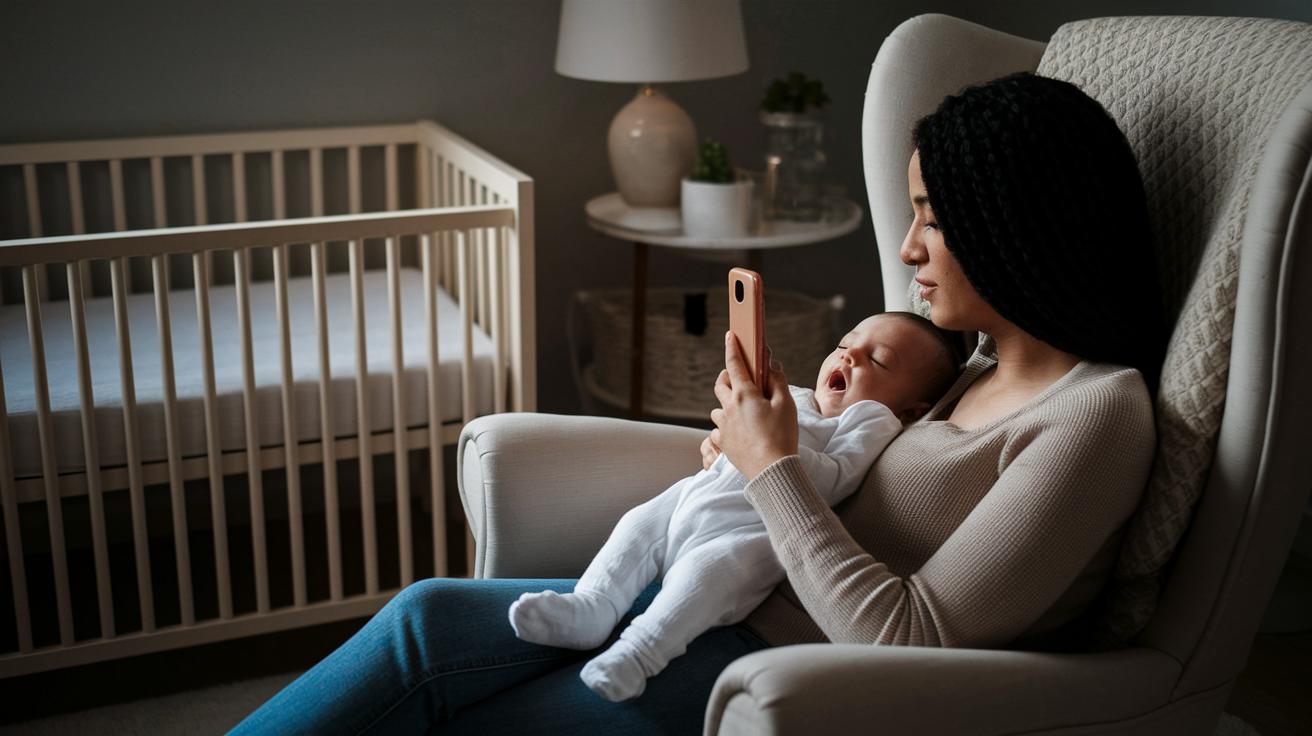
Start with a quiet 5-minute reading session in a cozy chair. If your baby struggles with reflux (spitting up easily), keep them seated to ease digestion and reduce discomfort.
Next, sing a soft lullaby or play gentle white noise. Humming a familiar tune or using a baby sound machine signals that sleep is coming.
Then, gently rock your baby in a dimly lit room. Watch for sleep signals like yawning, eye rubbing, or slowing movements, and adjust your rocking pace to match.
Finally, lay your baby in the crib while they're drowsy but still awake. Offer a quick cuddle or kiss, then step away to let them start practicing self-soothing.
Creating an Optimal Newborn Sleep Environment
Set up a calm sleep space that helps your baby relax and follow their natural sleep rhythm. A dark, quiet room helps trigger the right sleep hormones, so try to keep the room dim and peaceful. Newborns usually do well with a bedtime between 9 and 10 pm, while older infants might settle better a bit earlier, around 7 to 8 pm.
Here are six simple tips to make your baby’s sleep area safe and soothing:
- Temperature: Keep the room cool at about 68°F–72°F (20–22°C) so your baby feels comfortable.
- Lighting: Use blackout curtains and a gentle nightlight during check-ins to avoid harsh bright lights.
- Noise: Minimize background sounds and avoid screen time near bedtime to maintain a quiet setting.
- Sleep Sack: Choose a sleep sack over loose blankets to keep your baby warm safely.
- Safe Sleep Guidelines: Set up a firm crib without soft bedding or toys to ensure a secure sleep space.
- Bedtime Routine: Stick to a consistent bedtime to help your baby know it’s time to wind down.
Following these steps can help your little one enjoy a more restful night while keeping their sleep environment safe and soothing.
Troubleshooting Common Newborn Bedtime Routine Challenges

Newborns sometimes resist sleep by crying or getting upset due to separation, hunger, or discomfort. These moments can throw off your bedtime routine and leave you unsure of what to do next. Watch for early signs like yawning, rubbing their eyes, or moving slower than usual. Starting the routine before your baby becomes overly tired can make the transition smoother.
If your baby shows signs of gas or reflux (when stomach discomfort makes them fussy), try gently rocking them in a dim room. You might also offer a small feeding break. For example, if your little one starts squirming during a calm moment, a few extra minutes of rocking or a brief feeding can help ease their discomfort.
Newborns often rely on being rocked or cuddled rather than learning to fall asleep alone. You can help them build self-soothing skills by placing them in their crib while they are drowsy but still awake. Stick to the same order of activities every night, even if there are some hiccups along the way.
If the crying continues, take a short pause in your routine. Check if your baby might need a diaper change or if the room temperature needs a slight adjustment. Here are some simple tips to try:
- Rock gently for a few extra minutes
- Offer a brief feeding to ease gas or reflux
- Watch for early sleep cues and start your bedtime routine sooner
- Stay calm and keep to the familiar steps even if there are small setbacks
Remember, every baby is unique. Adjust the steps as needed while maintaining overall consistency.
Maintaining and Adjusting Your Newborn Bedtime Routine Over Time
Your baby’s growth brings little changes, and that means their sleep routine may need small tweaks. In the first months, a steady bedtime sequence with soothing activities works best for building good sleep habits. By around three months, many babies start getting sleepy earlier, often between 7 and 8 pm. Even if the timing shifts a bit, keeping the same steps (like bath, feeding, and cuddle time) helps your baby feel secure.
Here are a few tips to ease the transition:
- Keep the same routine steps to ensure a predictable environment.
- If your baby signals sleepiness earlier, adjust slowly and with patience.
- Move through each calming activity in about 30 minutes overall, but feel free to fine-tune the time for each step.
Staying consistent over several weeks helps set your baby’s internal clock and builds a steady nighttime schedule. With small, gradual changes, your little one can adapt smoothly while enjoying the familiar, comforting routine they already trust.
Final Words
In the action from a soothing bath to a calm cuddle, this post outlined a clear, step-by-step guide for establishing a bedtime routine for newborn. You learned how a balanced routine, from a brief bath, fresh diaper and feed, to a quiet lullaby, can boost sleep readiness and build early self-soothing skills.
By following each step consistently, you set up a steady rhythm for your baby that supports long-term healthy sleep habits. Enjoy the progress, knowing that even small, deliberate actions pave the way for happier nights ahead.
FAQ
What is an effective bedtime routine for a newborn in the first weeks and months?
An effective bedtime routine for young newborns involves a short bath or wash, a diaper change, a feed, application of lotion with soft pajamas, and a calming quiet activity like a lullaby—all in about 30 minutes.
What should a bedtime routine for a 6-month-old baby include?
A 6-month-old bedtime routine benefits from keeping core steps like bath, diaper, feed, and soothing activities while gently building self-soothing habits with consistent timing and calm transitions.
How can a partner share in a newborn’s nighttime routine?
Involving a partner means sharing duties like feeding, diaper changes, or rocking the baby. Splitting tasks can help both caregivers rest and provide steady, comforting care for the baby.
When should you start a bedtime routine with a newborn?
It is best to start a bedtime routine on day one. Early consistency, even before clear day-night signals emerge, can set a foundation for better sleep patterns as the baby grows.
What does the 3-3-3 rule for baby sleep mean?
The 3-3-3 rule for baby sleep outlines a pattern of 3 minutes of calming activity, 3 minutes of gentle soothing, and another 3 minutes of quiet time to help signal that sleep is approaching.
What is meant by the 3-2-1 rule for bedtime?
The 3-2-1 rule for bedtime suggests a step-by-step wind-down with three steps, followed by two quiet activities, and finishing with one final soothing gesture to cue the baby that bedtime is near.
How does the 3-6-9 rule apply to babies at bedtime?
The 3-6-9 rule for babies describes using structured time intervals during the bedtime routine, such as 3 minutes for a first step, 6 minutes for deep soothing, and 9 minutes to gradually shift the baby into sleep mode.