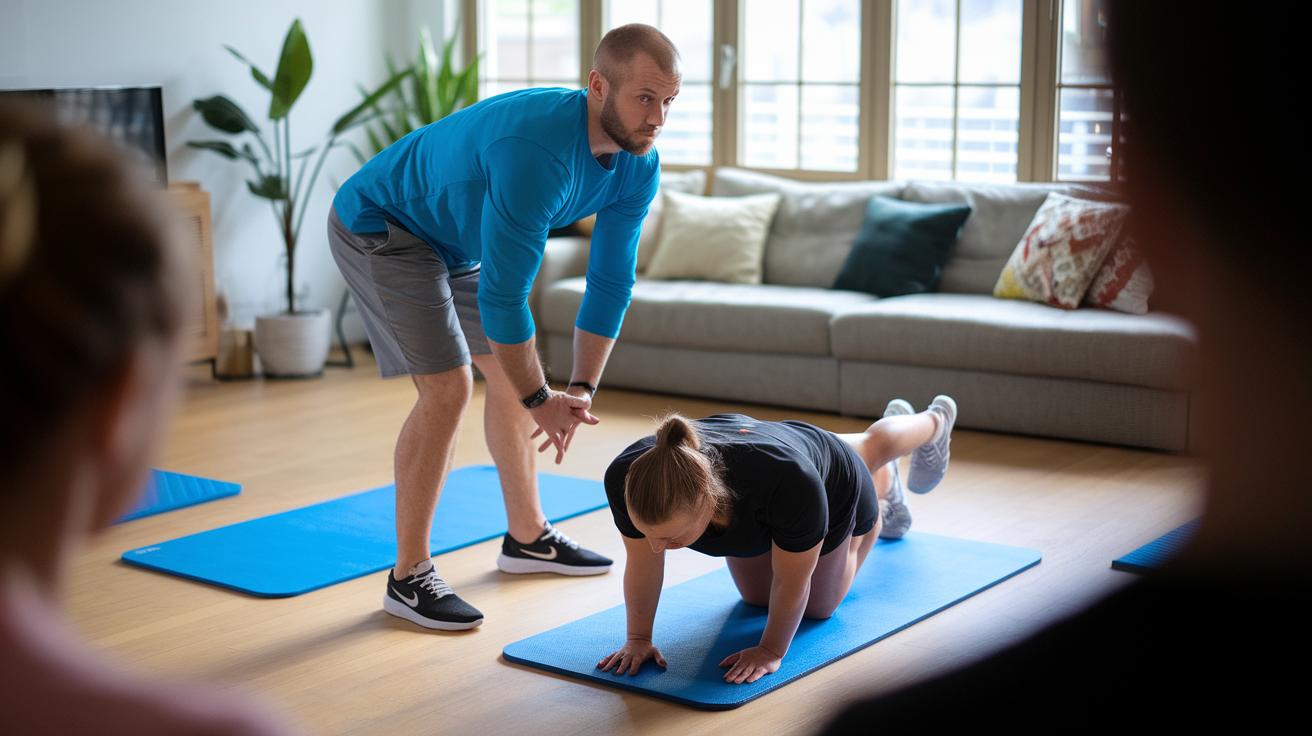
Have you ever thought about building strength without spending a fortune on gym gear? Bodyweight training shows you can do just that.
All it takes are simple moves like squats, push-ups, and planks. A safe 20-minute workout at home can boost your strength and stamina.
This approach is perfect for beginners who are ready to get moving and improve balance. It builds a solid base for more challenging workouts down the road, all while keeping things easy and manageable.
Ready to enjoy the benefits of a simple body workout? Let’s go through a few easy steps to get you started today.
Your First At-Home Bodyweight Training Routine
If you're ready to get moving at home without any equipment, try this easy 20-minute workout that builds strength and endurance. Start with a 5–10 minute warm-up, doing things like arm circles and hip circles to wake up your muscles and get your heart going.
- Bodyweight squat: 12–15 reps
- Push-ups: 8–12 reps (choose wall, knee, or full push-ups depending on what feels best for you)
- Doorway row: 8–12 reps – focus on squeezing your shoulder blades
- Plank: Hold for 30–45 seconds to work your core
- Jumping jacks: 20–30 reps to boost your heart rate
Complete 2–3 rounds of these exercises, taking about 60 seconds to rest between rounds so your muscles can recover. Aim to do this workout 2–4 times a week with at least 48 hours of rest between sessions. This way, you build a safe base in your strength routines while keeping your body active and healthy.
Mastering Form in Bodyweight Training for Beginners
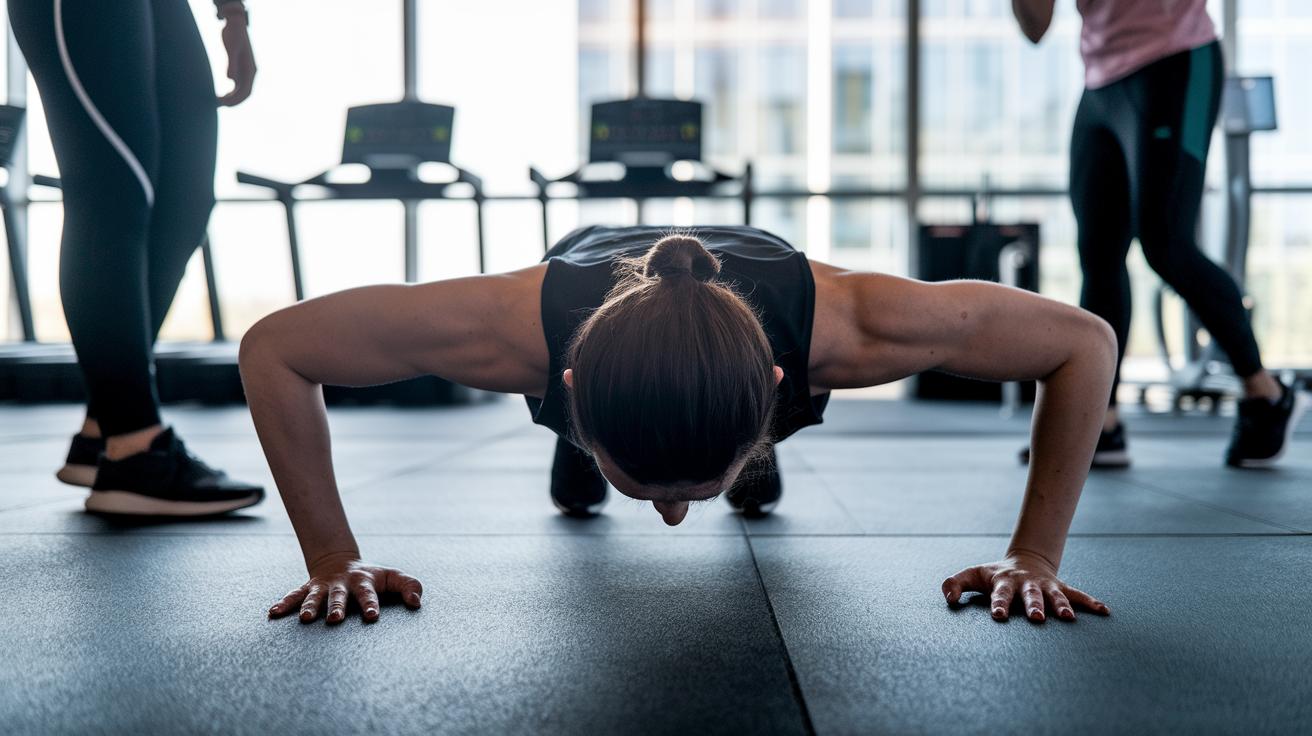
Proper form is the key to safe and effective bodyweight training. When you keep your body lined up correctly, like spacing your hands at shoulder width for push-ups or setting your feet at hip width for squats, you hit the right muscles while lowering your risk of injury. Think of it as building a strong, secure base for your strength training journey.
Control your pace and move through each exercise completely. Slow, mindful movements help keep your core tight and your glutes engaged with every rep. Starting with easier options like knee push-ups or assisted squats lets you master good form before moving on to the standard versions.
| Exercise | Targeted Muscles | Easy Option |
|---|---|---|
| Push-ups | Chest, triceps, and shoulders | Knee or elevated push-ups |
| Squats | Quadriceps, glutes, and hamstrings | Assisted squats |
| Lunges | Legs and glutes | Supported lunges |
| Planks | Core muscles | Half plank holds |
| Dips | Triceps, chest, and shoulders | Chair dips with support |
As you gain strength, try different exercise variations to push your limits while keeping safety a top priority. These tweaks let you progress gradually, build confidence, and stick to a workout plan that works well for you.
Structuring Your Bodyweight Training Progression Plan
Start by setting a clear and manageable pace for your home workouts. A well-planned routine helps your muscles learn new moves and adapt gradually. Over 6 weeks, you can slowly increase the challenge by adding extra circuits or doing a few more repetitions. This careful step-by-step method lets you push your limits safely while building a regular workout habit.
- Weeks 1–2: Do 2 circuits per session, twice a week. Focus on getting your form right and moving slowly and steadily.
- Weeks 1–2: Use these sessions to build confidence and body awareness. Pay close attention to each move.
- Weeks 3–4: Move up to 3 circuits per session and try to work out 3 times a week. This will help boost your strength and endurance.
- Weeks 3–4: Keep a simple record of your progress. Note any changes in how your form, balance, or stamina feels.
- Weeks 5–6: Either add a fourth circuit or increase each exercise by 2–3 repetitions to keep challenging yourself.
- Weeks 5–6: If you feel ready for more intensity, try shortening your rest breaks by about 15 seconds.
If a workout feels too easy, adjust by adding a few more repetitions or trimming the rest time a bit. Listen to your body, keep track of your progress, and adjust as needed for steady improvement.
Safety and Mobility Drills for Bodyweight Training Newcomers
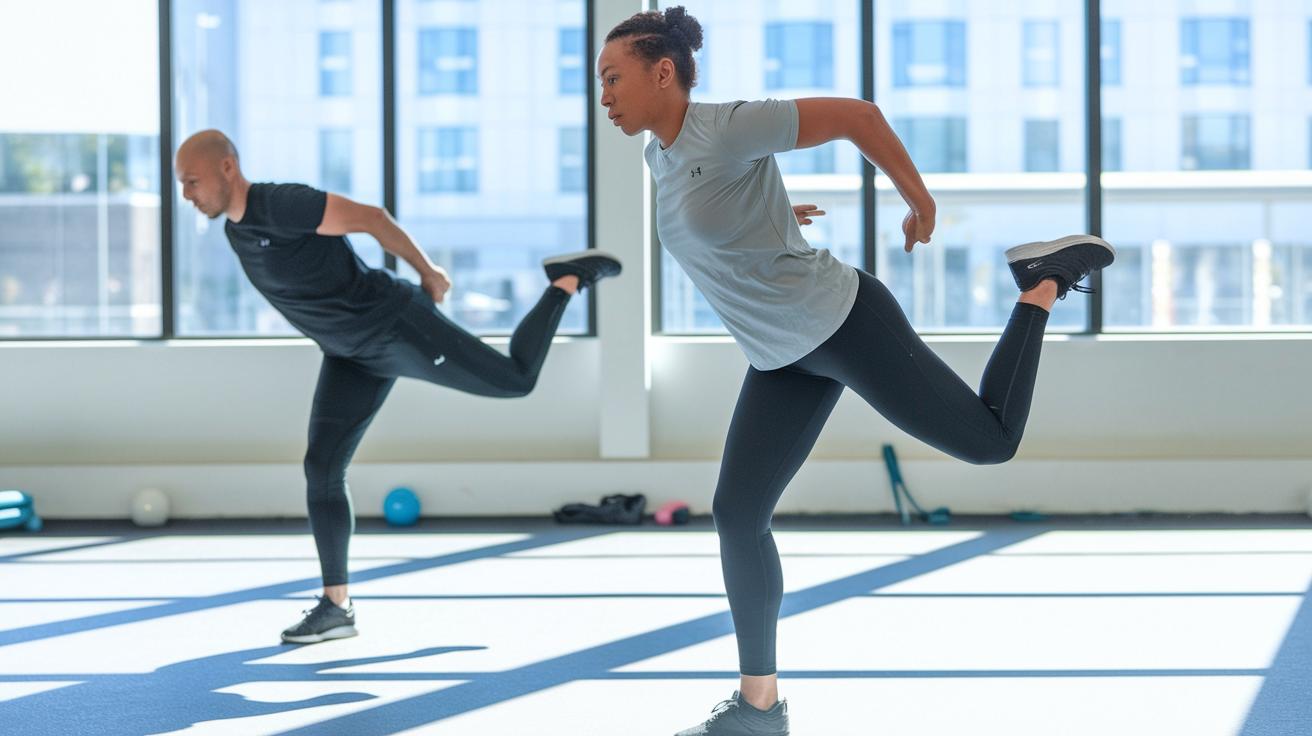
A solid workout starts with a good warm-up and ends with a cool-down. This simple routine helps keep injuries at bay and leaves you feeling great. Begin with active movements to get your muscles and joints ready, then finish with holding stretches to ease tension and boost flexibility.
- Do shoulder circles for about 5 minutes to loosen your upper body.
- Try hip openers to get your lower body moving smoothly.
- Rotate your wrists and ankles to set your joints up for action.
- Cool down with a hamstring stretch, holding for 20–30 seconds.
- Add a quadriceps stretch to ease the front of your thighs.
- Use a chest and shoulder stretch to relieve any tightness above.
Keep a watchful eye on your form during each move. Avoid letting your hips drop in planks, allow your knees to pass your toes in squats, or let your shoulders slouch in push-ups. These small adjustments make your workout safer and help build a firm foundation for future progress.
Variations and Challenges in Bodyweight Training for Beginners
Switch up your routine with new drills to keep your workouts exciting and your body guessing. Mixing different moves can help you break through plateaus and work muscles in new ways. When you add exercises like jumping moves or different core workouts, you build strength and control that helps you every day. For instance, combining powerful jumps with calm, controlled core exercises gives you a balanced workout.
Try small challenges to set clear goals and see progress. A little friendly competition with yourself or a workout buddy can push you to work harder while keeping things fun and fresh. Below are some exercise variations and challenge ideas to keep your training engaging:
- Jump squats – a fast, lower-body move that builds strength.
- Burpees – a full-body exercise that boosts your stamina.
- Tuck jumps – quick moves that develop power and agility.
- Mountain climbers – a core workout that also gets your heart pumping.
- Bicycle crunches – a lively drill that targets your abs.
- 7-day AMRAP challenge – try to complete as many rounds as possible in one session.
- Tabata circuit – work hard for 20 seconds, rest for 10 seconds, and keep repeating.
Tracking Progress and Staying Motivated in Bodyweight Training

Keeping track of your workouts turns your everyday efforts into clear signs of progress. Write down important details like how many reps you complete, the number of circuits, how long you exercise, and how tough the session felt. This simple habit helps you notice changes, tweak your plan, and see results over time.
- Record your reps, circuits, and total workout time right after you finish.
- Use a paper journal or a Health Tracking App (like this one: https://bezenn.com?p=74) to sum up your weekly workouts.
- Note how hard you felt the session was to track improvements in your stamina.
- Take body measurements or snap a quick photo every two weeks to see changes.
- Celebrate little wins, like adding a few extra reps or cutting your rest time by 15 seconds.
These numbers become your milestones. Even a small increase in reps or a shorter break tells you that you're moving forward. Let these clear wins boost your confidence and push you to try a bit harder. Every month, review your notes and adjust your goals to keep your routine fresh and rewarding.
Final Words
In the action, you have a simple, safe starter routine to boost strength and flexibility at home. The guide walks you through dynamic warm-ups, essential exercises, and helpful progress plans, even suggestions for tracking your wins. Each part builds on a clear, manageable plan that’s perfect for your schedule. Embrace the outlined steps and explore new variations as you improve. Enjoy the process and keep building your confidence with beginner bodyweight training for a healthier, more active lifestyle.
FAQ
Where can I find a bodyweight workout plan PDF including beginner and 12-week versions?
The bodyweight workout plan PDF offers a clear guide for beginners, often featuring detailed routines and progressive 6- or 12-week plans that help you structure your workouts safely at home without equipment.
How does beginner bodyweight training with no equipment work for full body workouts at home?
Beginner bodyweight training without equipment relies on simple moves like squats, push-ups, planks, and rows that use your own body weight, making it an accessible and effective full body workout at home.
How does beginner bodyweight training benefit females?
Beginner bodyweight training for females focuses on safe, modified moves such as knee push-ups and assisted squats, building strength gradually while catering to individual fitness levels, especially for home routines.
Is bodyweight training good for beginners?
Bodyweight training is a great choice for beginners because it uses simple exercises that help build core strength, balance, and endurance while allowing for modifications as you progress safely.
What is the 3 3 3 rule for working out?
The 3 3 3 rule for working out typically means organizing your routine into three rounds, three exercises per round, and three sets per exercise, providing a balanced and structured session.
What is the 6 12 25 rule?
The 6 12 25 rule usually suggests performing six exercises with 12 repetitions each and taking 25 seconds of rest between exercises, helping maintain intensity and pace throughout your workout.
What is the 5 4 3 2 1 workout method?
The 5 4 3 2 1 workout method involves performing a descending series of repetitions—five, four, three, two, then one—across selected exercises to challenge your muscles and build endurance gradually.