
Curious if a few minutes of intense exercise can help reduce stubborn back fat? Many of us hope for a magic spot treatment, but fat loss happens throughout your body. HIIT workouts (that’s high-intensity interval training) use short bursts of hard effort with brief rests to boost your metabolism, even long after you finish your session. Keep in mind, your back fat may be influenced by genes, stress, and daily habits. In this post, we'll clear up common myths and offer simple training tips to help you work your whole body while also strengthening your back and core.
HIIT Workouts for Back Fat: Debunking Myths and Proven Training Protocols
Back fat tends to show up around your shoulder blades and lower back. This happens because of genes, stress (which raises cortisol), and everyday habits. Remember, you can’t melt fat from just one spot, fat loss happens all over your body.
HIIT workouts are a smart way to burn fat overall. They mix short bursts of fast, intense moves with brief breaks. By combining cardio, bodyweight work, and resistance moves, you keep your metabolism working long after you finish. This so-called afterburn effect means you keep burning calories even when you're resting. The best part? These workouts work for beginners and seasoned athletes alike.
A solid HIIT circuit for reducing back fat targets multiple muscle groups like your back and core. For example, you might try mountain climbers, squat jumps, renegade rows, and battle rope slams. Do each move for 30 seconds and rest for 15 seconds between them. This approach fires up your metabolism and helps burn fat all over, proving that you can’t target back fat with just one exercise.
Understanding Back Fat and HIIT’s Systemic Fat Loss Effects
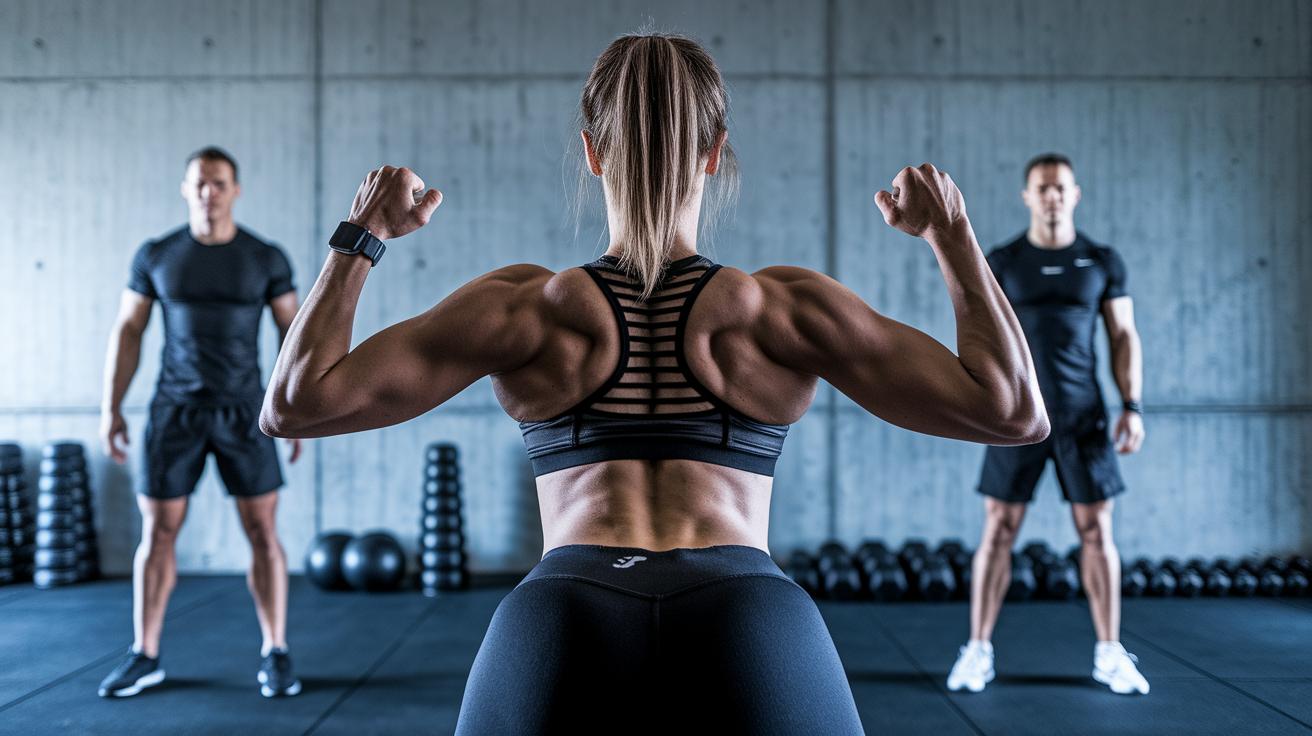
Back fat can be stubborn. Sometimes, your genes cause you to store more fat in your upper back, and stress or poor sleep can make it worse, almost like your body can’t cool down enough even when you try hard.
Different areas of your back can react in their own way. The upper back might not change as quickly as the lower back, so you might need to adjust your workout a bit depending on where the fat is stored.
High-intensity interval training (HIIT) can help. With HIIT, you mix short bursts of hard exercise with brief rest periods. This not only burns calories during your workout but also keeps your metabolism working afterward. Plus, HIIT may help balance stress hormones (like cortisol) and boost how well your muscles work, which can improve the look and strength of your back.
Designing HIIT Circuits to Target Back Fat for Maximum Calorie Burn
Start by picking exercises that work your back and core at the same time. These moves boost your heart rate and keep you burning calories even after you finish. Mix in compound exercises that work your lats (the large muscles on your sides), your rhomboids (the muscles between your shoulder blades), and your stabilizing muscles. Try choosing 4 to 6 moves and repeat the sequence 3 to 5 times. Use intervals like 30 seconds of work followed by 15 seconds of rest or 40 seconds on with 20 seconds off to push your muscles and help burn fat.
- Mountain climbers: 30 seconds on, 15 seconds off
- Renegade rows: 30 seconds on, 15 seconds off
- Kettlebell swings: 40 seconds on, 20 seconds off
- Battle rope slams: 30 seconds on, 15 seconds off
- Plyometric push-ups: 30 seconds on, 15 seconds off
- High-knee sprints: 40 seconds on, 20 seconds off
When putting your circuit together, start with a move that really gets your heart pumping. Then switch between exercises that test your strength and power. Mixing up moves for your upper back, core, and legs keeps the workout fun and stops one area from getting too tired. Short breaks between rounds let you recover a bit so you're ready for the next burst. Plan your routine to give each muscle group a chance to rest. This balanced approach helps target back fat effectively while keeping you safe and reducing the risk of injury.
Ensuring Proper Form and Modifications in HIIT Workouts for Back Fat

Before you jump into any HIIT workout, warm up properly. Try some shoulder mobility drills and a bit of foam rolling to get your muscles ready. Keep your shoulders back and your spine straight when you do exercises like rows or planks. These simple steps make your workout safer and more effective.
Beginner-Friendly Modifications
If you are new to HIIT, start with shorter bursts. Instead of all-out effort, try 20 seconds of work followed by 40 seconds of rest. Also, replace high-impact moves with gentler options to protect your back. This gradual approach builds strength while still working the important muscles in your upper back.
Advanced Variations for Increased Back Engagement
For those with more experience, you can challenge yourself by lengthening the work intervals or adding extra weight, like using light dumbbells for renegade rows. This extra resistance makes your muscles work harder and focuses on your back. These tweaks help fight stubborn fat while keeping your form spot on.
Tailoring your HIIT routine to your fitness level helps prevent injury and brings the best results. Small changes in timing and technique let everyone, from beginners to seasoned athletes, work on reducing back fat safely and effectively.
Fueling and Recovery for HIIT Workouts to Reduce Back Fat
Before you jump into your HIIT session, try to have a light, balanced snack that mixes protein with healthy carbs. Think of something like Greek yogurt with berries or a slice of whole-grain toast with nut butter. These choices help your muscles repair and give you the energy you need for those quick bursts. Also, drink a glass of water before you start. Staying hydrated helps keep you alert and aids your body in processing nutrients.
After your workout, take some time to help your body recover. Spend a few minutes with foam rolling and gentle stretches to ease muscle tightness and boost blood flow. Give yourself a break of about 24 to 48 hours between sessions so your muscles can fully repair. Remember to aim for good, quality sleep and try to manage stress, too. This recovery time helps balance your hormones, which can support lower fat storage and better muscle growth over time.
Final Words
In the action, we explored how high-intensity interval training reshapes your fat-burning strategy by targeting overall body fat while busting myths about back fat reduction. We broke down safe HIIT workout routines, clear form tips, and fueling and recovery strategies you can use today.
Now you have hiit workouts for back fat (myths and effective training) that blend evidence-based insights with practical adjustments. Small, steady efforts can lead to lasting improvements. Keep moving forward and enjoy the positive changes.
FAQ
HIIT training
The HIIT training method means high-intensity interval training, which features short bursts of intense exercise paired with rest or low-intensity recovery. It boosts cardiovascular fitness and burns calories quickly.
Does HIIT build muscle or burn fat
The HIIT method builds both muscle and burns fat by combining explosive movements with brief recovery. Its afterburn effect (EPOC) keeps your metabolism active long after your workout.
HIIT workout plan PDF
The HIIT workout plan PDF provides a ready-to-use guide with detailed circuits, interval timings, and exercise lists, making it easy for users to follow structured, evidence-based HIIT routines at home or in the gym.
Disadvantages of HIIT training
The HIIT method may challenge beginners and increase injury risk if proper form is not maintained. Overtraining is another risk when recovery periods are overlooked, so balancing intensity and rest is essential.
HIIT workout examples and HIIT exercises list
The HIIT workout examples and exercises list include movements like mountain climbers, kettlebell swings, and renegade rows. These exercises target multiple muscle groups to maximize calorie burn during brief, intense intervals.
HIIT for beginners
The HIIT method for beginners suggests using shorter work intervals and extended recovery periods with low-impact exercises. This approach helps build proper form and gradually raises overall intensity for safe progress.
HIIT workout benefits
The HIIT workout benefits include rapid calorie burn, improved cardiovascular health, and enhanced muscle tone. The afterburn effect (EPOC) sustains calorie burn post-workout, contributing to overall fat loss and fitness improvements.
Does HIIT get rid of back fat?
The HIIT approach does not target back fat alone but promotes systemic fat loss. Over consistent sessions, it helps reduce overall body fat, which includes fat stored in the back area.
What is the 30 20 10 rule for HIIT?
The 30-20-10 rule for HIIT involves 30 seconds of moderate exercise, 20 seconds of high-intensity effort, and 10 seconds of recovery. This cycle is repeated, creating a structured session for maximizing performance.
What is the 3-3-3 rule for workout?
The 3-3-3 rule for workouts means doing three sets of three different exercises for three minutes each. This rule structures your session for balanced work across exercises with short recovery periods.
Does 12/3/30 actually burn fat?
The 12/3/30 workout uses a set treadmill incline and pace to boost calorie burn. It supports fat loss when combined with regular exercise and a balanced diet, but overall results vary by individual effort.


terbinafine dosage expert overview
terbinafine dosage expert overview
ketoconazole mechanism interpretation
ketoconazole mechanism interpretation
ketorolac tromethamine potency
ketorolac tromethamine potency
ivermectin clinical questions
ivermectin clinical questions
ivermectin general safety
ivermectin general safety
minoxidil information hub
minoxidil information hub
sildenafil safety guidelines
sildenafil safety guidelines
avanafil effect classification
avanafil effect classification
vardenafil onset and duration
vardenafil onset and duration
vardenafil mild side effects
vardenafil mild side effects
orlistat contraindications
orlistat contraindications
orlistat mechanism interaction
orlistat mechanism interaction
amoxicillin for bacterial infections
amoxicillin for bacterial infections
amoxicillin and birth control
amoxicillin and birth control
Alcohol Onset Reference
Alcohol Onset Reference
Sildenafil vs Cialis Duration Research Summary
Sildenafil vs Cialis Duration Research Summary