
Have you ever noticed how the gentle patter of rain or the steady hum of white noise might help you sleep better? Research shows these calming sounds can make it easier to fall asleep by covering up distracting noises. Imagine lying in bed with the sound of a soft rain shower gently soothing your mind into a state of peace, setting the perfect stage for deep, restorative sleep. In this post, we'll show you how using natural soundscapes like rain or white noise can transform your nights. Try it out tonight and discover the difference a simple soundscape can make.
How Deep Sleep Sounds Enhance Sleep Quality
Deep sleep sounds like rain or white noise can help you settle down faster. Studies suggest these sounds might reduce the time it takes to fall asleep by about 12 minutes. The steady, soft noise soothes your mind, making it easier to close your eyes. Try playing a sound track at 30–50 dB (about the volume of a quiet conversation) as you get into bed.
A calm sound environment can also help you stay asleep throughout the night. When background noises are masked by a consistent sound, you’re less likely to wake up suddenly. Nearly 65% of users say they sleep more soundly with fewer interruptions. That gentle auditory backdrop not only helps you drift into sleep but also supports deeper, more restorative rest.
Using an 8-hour continuous loop of soothing sound gives you steady support through complete sleep cycles. Many people enjoy the gapless playback because it maintains a constant sleep pressure all night long. Users often report improved sleep efficiency and better overall rest quality. High-quality rain or white noise tracks create a smooth soundscape, setting the perfect stage to fall asleep quickly and stay asleep longer.
Core Properties of Rain and White Noise Audio for Deep Sleep
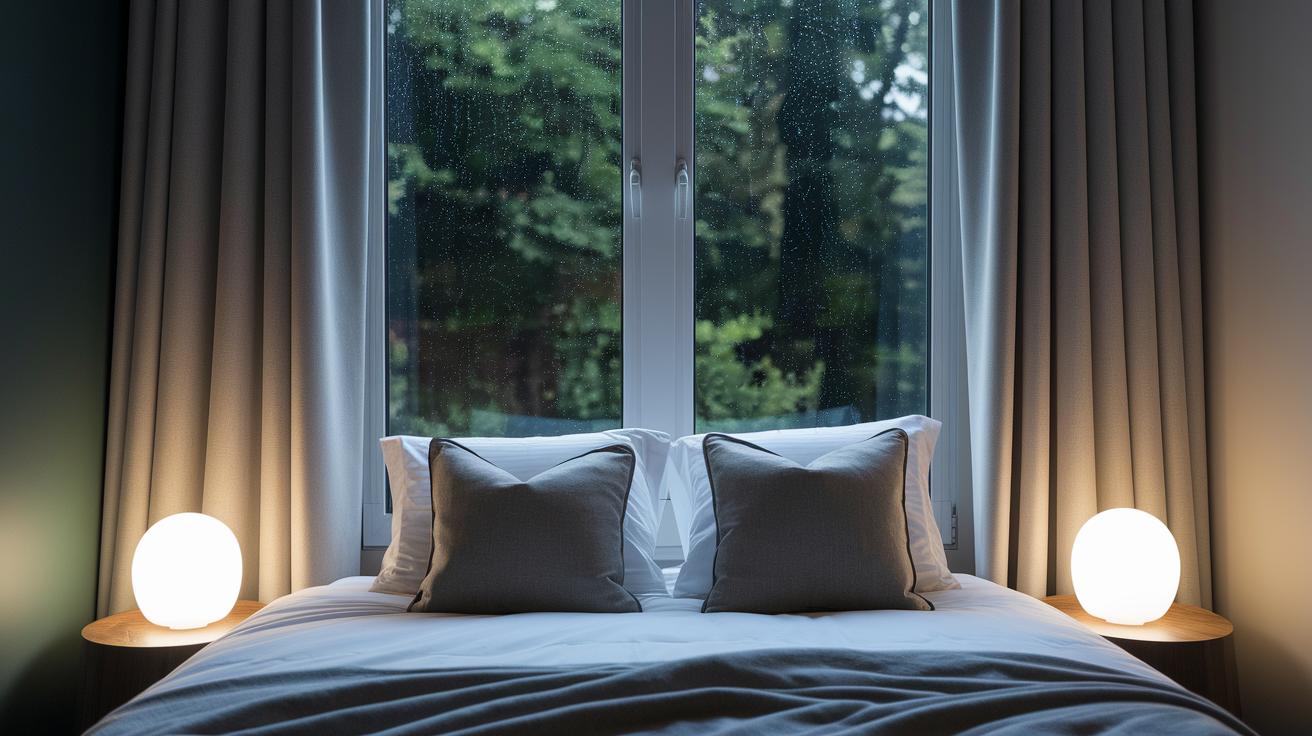
Imagine drifting off to sleep while gentle raindrops fall or a steady hum soothes your mind. Both rain sounds and white noise can help cover up sudden, disruptive noises so you can rest soundly. They create a calm auditory scene that supports your sleep cycles and deep rest.
Here’s a quick look at some key differences:
| Sound Type | Frequency Range | Average dB | Ideal Use |
|---|---|---|---|
| White Noise | 20–20,000 Hz | 30–50 dB | Masking sudden noises |
| Light Rain | 200–2,000 Hz | 40 dB | Gentle relaxation |
| Heavy Rain | 100–5,000 Hz | 55 dB | Deep masking |
Using stereo techniques like binaural recordings and a high sample rate (around 44.1 kHz) makes these sounds feel more real and all around you. This attention to detail helps capture every soft drop and smooth static note, creating the perfect backdrop for a deep and relaxing sleep.
Optimal Duration and Loop Settings for Continuous Sleep Sounds
When you use a continuous loop for your sleep sounds, you create a steady environment that helps you drift off and stay asleep. The right loop and gentle fade effects stop sudden cutoffs that might wake you up.
- Try a 30-minute loop if you’re experimenting with different sounds or need more flexibility.
- Use a 1-hour loop for a moderate session when your sleep period is on the shorter side.
- Choose a 3-hour loop to cover a larger part of your sleep cycle.
- Opt for an 8-hour continuous loop for full-night support, about 70 out of every 100 listeners prefer this option.
- Add fade-in and fade-out features to smoothly start and end your sound, which helps prevent abrupt volume changes.
Modern apps and devices now make it easy to set these options. Many sleep sound apps offer automatic gapless playback and customizable loops, ensuring that the sound stays steady all night. This helps keep any disruptive breaks to a minimum so you get a more personalized deep rest.
Setting Up Your Bedroom for Maximum Sound Immersion

Make your bedroom a calming haven by adding gentle background sounds that naturally help you relax. Even small changes like where you place your speakers or which devices you use can greatly improve your sleep experience.
- Place your speakers or smart devices about 2–3 feet (0.6–0.9 meters) from the headboard so the sound softly surrounds your sleeping space.
- Use devices that easily fit into your current setup and keep a steady sound level of about 40–50 dB (similar to a quiet room).
- Adjust the volume until it’s soothing but not too loud, helping to cover up any distracting noise.
- Keep a backup power source or battery nearby to ensure your soundscape plays continuously, even if the power dips briefly.
- Try audio apps with timers and fade features; these can smoothly transition you into sleep and maintain a steady loop of calming sound all night.
When your room is set up this way, the soft audio becomes a comforting part of your nightly routine. Adding these soundtracks to your pre-bedtime ritual helps signal that it’s time to unwind. You might also consider extras like noise-cancelling pillows or a sleep mask to block out more distractions, setting the stage for a deep, refreshing sleep.
User Feedback and Research on Sleep Sound Benefits
Research reviewed by experts tells us that using deep sleep sounds regularly can genuinely improve your rest. For instance, one study found that white noise can boost deep sleep by about 38%, and rain sounds may cut the time it takes to fall asleep by roughly 15%. In surveys, 80% of users say they wake up feeling refreshed. One case even showed that a chronic insomniac managed to get 7–8 hours of sleep every night after just two weeks of sound therapy.
• Sarah (25–34) noticed she fell asleep faster and experienced fewer nighttime interruptions.
• Michael (35–44) reported better overall sleep quality and an increase in deep sleep periods.
• Jasmine (45–54) felt more energized in the mornings, thanks to the steady hum of white noise.
• Robert (55–64) improved his sleep rhythm and soon enjoyed nearly 7–8 hours of full rest every night.
These personal experiences line up with the research findings, showing that deep sleep audio can be a simple way to support better sleep. Keep in mind that results can vary, so try out different sound levels and settings to find what works best for you. And if you have any existing health concerns or questions about sound therapy, make sure to chat with your healthcare provider. Your safety and comfort always come first.
Choosing Between Rain Sounds and White Noise for Personalized Sleep Aid
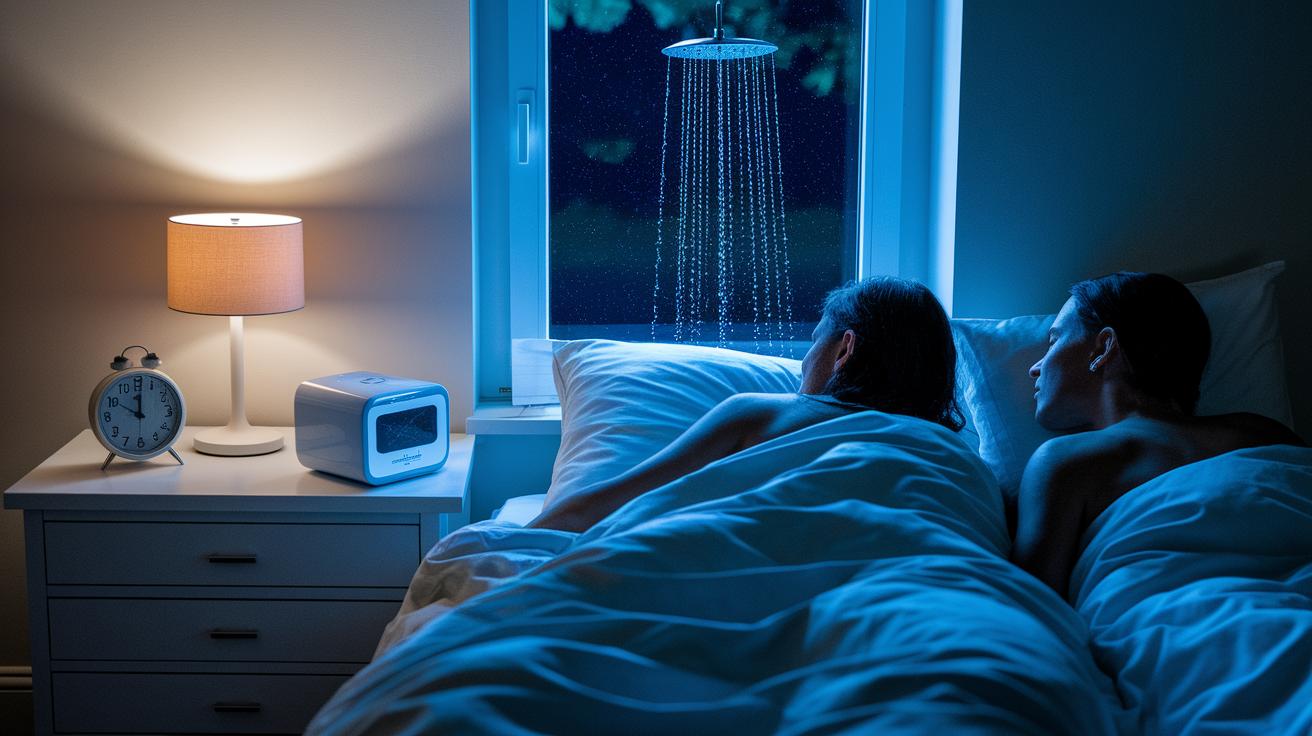
Everyone's sleep is unique. Some of us find comfort in the steady hum of white noise, while others prefer the gentle patter of rain. White noise can cover up sounds up to 70 dB, which might help if you're bothered by background noise or ringing in your ears. Rain sounds, with their natural rhythm, offer a refreshing mix that can soothe your mind.
Try this step-by-step approach to see which sound works best for you over the next few nights:
- Listen and feel. Notice if the constant white noise grounds you or if the varied rain sounds help calm your thoughts.
- Start with a low volume, then gradually increase it until the sound feels just right.
- Switch between rain sounds and white noise on different nights to compare how easily you fall asleep and how deep your sleep becomes.
- Keep a simple log. Jot down how fast you drift off and how often you wake during the night.
- Stick with the sound that leaves you feeling rested and at ease.
As you explore these options, adjust your settings as needed. Finding the right sound and volume can make a big difference in your sleep and help you wake up feeling refreshed.
Final Words
In the action, we explored how audio tracks can boost sleep quality by reducing sleep onset time and night awakenings. We broke down how rain and white noise work, compared their properties, and shared tips for setting up your bedroom for sound immersion.
User feedback and research support the benefits of deep sleep sounds (rain/white noise) for uninterrupted rest. These practical steps are simple to try tonight, offering a steady path to better sleep and refreshed mornings.
FAQ
What are deep sleep rain white noise sounds on YouTube?
The deep sleep rain white noise sounds on YouTube mix natural rain with consistent white noise. They’re free tracks designed to mask background disturbances and help you fall asleep faster and sleep more soundly.
How do rain sounds improve sleep quality for adults?
The rain sounds aid sleep quality by providing a steady, natural audio backdrop that minimizes sudden noise interruptions. This consistent sound promotes quicker sleep onset and deeper, uninterrupted rest.
What are the most relaxing sounds to fall asleep to?
The most relaxing sounds for sleep often include gentle rain, soft thunder, and calming white noise. These sounds create a peaceful atmosphere that can ease your mind and help you fall asleep.
Which noise is best for deep sleep?
The best noise for deep sleep is typically a steady white noise or a consistent rain sound, as they help mask unpredictable disturbances and support longer, more restorative sleep.
Is rain white noise effective for sleeping?
The rain white noise is effective for sleeping because it combines rhythmic rain with the masking properties of white noise. This blend helps keep environmental sounds at bay, leading to a calmer sleep environment.
What sound is scientifically proven to help sleep?
The sound that is scientifically proven to help sleep is white noise, often mixed with natural rain sounds. Studies show this combination reduces sleep latency and improves overall sleep continuity by masking sudden environmental sounds.

