
Do you ever feel like your mind is racing when you really need a break? Try simple mindful breathing to quiet that noise and clear your thoughts in just one minute. This easy practice tells your body to relax by slowing your heart from racing and easing tension. Whether you’re juggling tasks or enjoying a quiet moment at home, mindful breathing acts as a reset button for your day. Read on to learn a few easy steps to bring calm and clarity quickly.
Quick-Start Mindful Breathing Techniques
Mindful breathing can help you find calm and clear thinking fast. This simple practice tells your body to relax by turning on your natural calm system (the part that lowers your heart rate and blood pressure). It works anywhere, from a quick minute during your commute to a quiet break between tasks, and can help ease tension before a big meeting.
Start by settling into a comfortable position and simply noticing your natural breath. Even a short session can lower stress and bring your focus back, whether you're on the move or at home.
- Sit or stand with your back straight and relaxed.
- Gently roll your shoulders back and let them drop naturally.
- Put one hand on your belly to feel your breath expand and contract.
- Close your eyes and listen to the rhythm of your breathing.
- Try taking a slightly longer breath out than in to help deepen your sense of calm.
When things get hectic, a one-minute breath exercise can give you a quick reset. If your schedule allows, a five-minute routine fits easily into your day, maybe while you shower or brush your teeth. For a deeper sense of relaxation and balance, consider a guided ten-minute session. Each option offers a different level of calm, so choose the one that fits best into your day.
Health Benefits of Mindful Breathing Techniques
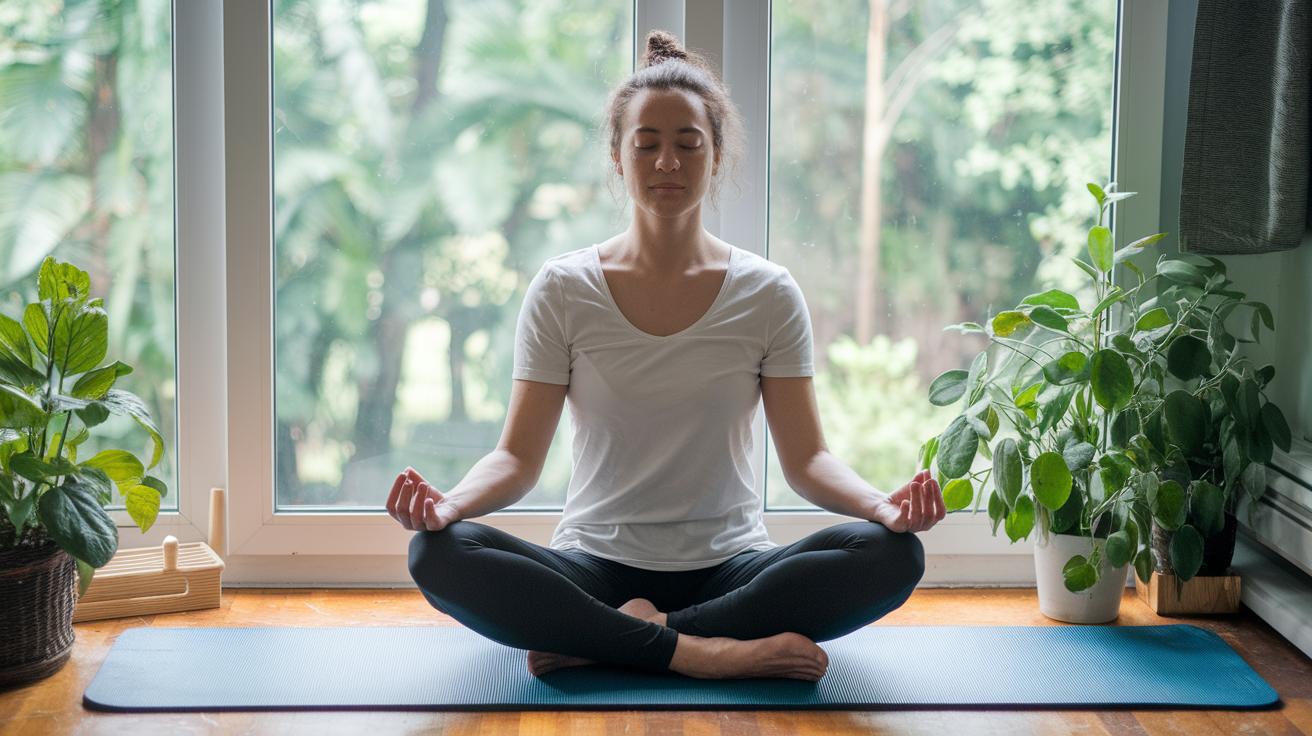
Mindful breathing can be a simple way to ease stress and calm your racing thoughts. Try focusing on your natural breath, this practice can help lower your body's stress hormone (cortisol) and quiet worries.
It also supports your heart by naturally slowing your heartbeat and lowering blood pressure. This gentle method can ease discomfort from issues like fibromyalgia, migraines, or lower back pain, giving your body some much-needed relief.
Regular sessions of mindful breathing can clear your mind and improve your sleep. A few minutes each day may boost both your mental focus and overall well-being, helping you face the day with calm and balance.
Essential Breath Awareness Practices in Mindful Breathing Techniques
Mindful breath exercises help you connect with your natural rhythm and bring calm into your busy day. These simple practices invite you to watch each breath , noticing the rise and fall without any pressure to do it perfectly. Whether you sit, stand, or lie down, you can build these habits right into your daily routine.
Beginner’s Breathing Meditation
Spend about 5–10 minutes in a quiet spot. Sit comfortably and rest one hand on your belly to feel the gentle movement of each breath. Focus on your belly as it moves with every inhale and exhale, and allow yourself to relax. This easy exercise helps ease stress and introduces you to mindful breathing.
Triangle Breathing
Try a steady 4-4-4 breathing pattern. Breathe in for 4 counts, hold the breath for 4 counts, then exhale for 4 counts. This simple counting practice gives you a clear focal point and helps balance your nervous system, making you feel more relaxed and centered.
Anchor Breathing
For this exercise, pay attention to a physical touch, like the feeling of your fingertip on a surface or the texture of your clothing. Let that sensation guide your mind back whenever it wanders. It’s a great way to boost concentration and keep you grounded in the moment.
The Mindfulness of Breathing
This extended 20-minute session gradually leads you through a journey from simply noticing your posture to deeply observing each breath and your mental state. Over time, it builds a lasting sense of calm and clear insight into your inner world.
| Practice Name | Duration | Key Focus | Main Benefit |
|---|---|---|---|
| Beginner’s Breathing Meditation | 5–10 min | Observing your breath | Quick relaxation |
| Triangle Breathing | ~5 min | Counting inhale-hold-exhale | Balanced nervous system |
| Anchor Breathing | 3–7 min | Tactile focus | Better concentration |
| The Mindfulness of Breathing | 20 min | Step-by-step awareness | Deep calm and insight |
Common Pitfalls and Proper Posture in Mindful Breathing Techniques
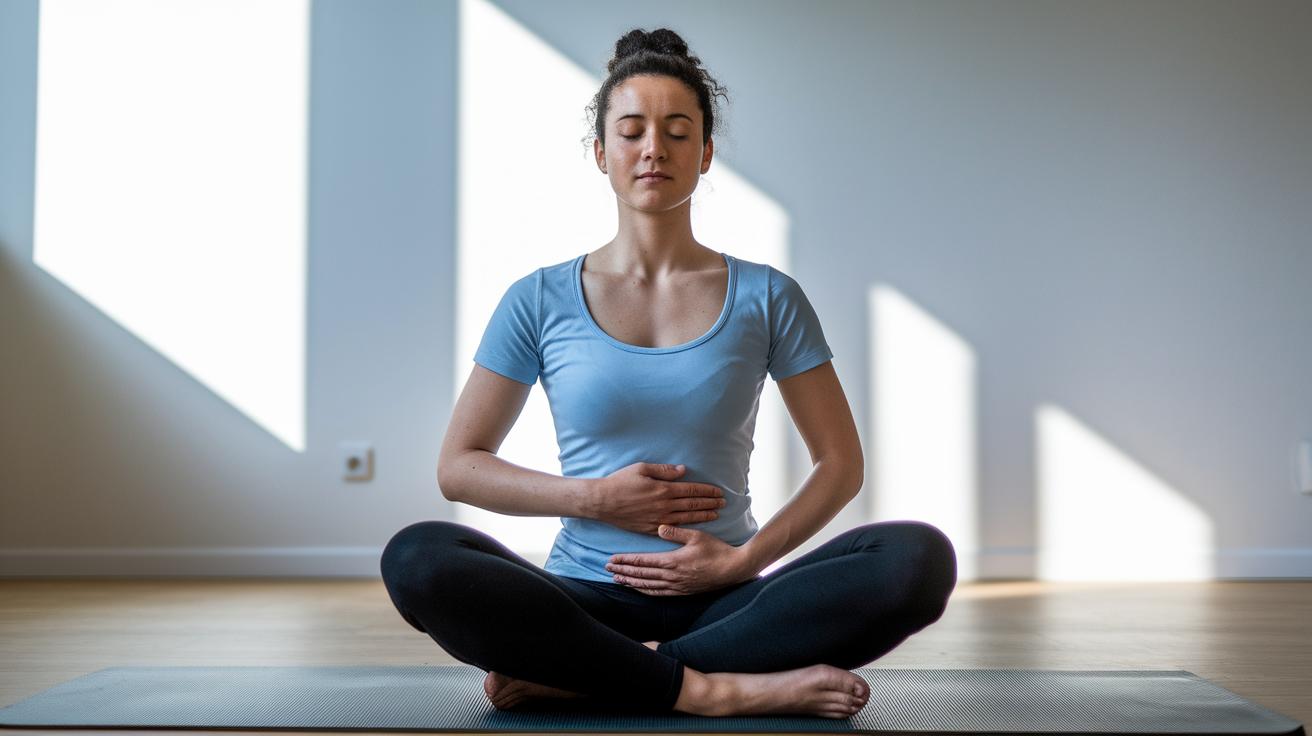
Many people stumble over simple mistakes when trying mindful breathing. Often, shallow chest breathing cuts down on oxygen, which can leave you feeling more tense. Tight shoulders and a clenched jaw can add extra strain that pulls you away from the calm you want to feel. Overreaching on your inhales can also throw off your natural rhythm and make it tougher to relax fully.
To get the most from your mindful breathing, sit up straight while keeping your shoulders loose. Rest one hand gently on your belly so you can feel your diaphragm expand with each breath. This easy trick helps you engage your natural core breathing muscles. Try to let your exhale be just a bit longer than your inhale; this small change helps activate the vagus nerve, which promotes a calming effect throughout your body. Regularly check in with yourself for any unnecessary tension in your neck or jaw, and adjust as needed to enjoy deep relaxation.
Integrating Mindful Breathing Techniques into Daily Routines
Morning Energizers
When you wake up, try spending 3–5 minutes focusing on your breath. Sit comfortably, close your eyes, and simply tune in to the natural rhythm of your breathing. This small practice can boost your alertness and set a positive tone for the day. For instance, think of it like this: before getting out of bed, breathe in calm and breathe out any stress, inviting a fresh start.
Midday Resets
Even on busy days, you can hit a pause for a quick, one-minute mindful breathing break. Whether you're at work or commuting, take a moment to breathe slowly and deeply. This short reset can help clear your mind and ease stress. Imagine each breath acting as a quick refresh button that helps you regain focus.
Nighttime Relaxation Techniques
After your workday, workout, or home exercise session, try winding down with a 5–10 minute session focused on slow, steady exhales. This routine can help you let go of the day's tension and ease into a more peaceful evening. Picture each slow exhale as a way to drop the weight of your day, much like setting down a heavy bag when you come home.
Guided Scripts and Demonstrations for Mindful Breathing Techniques
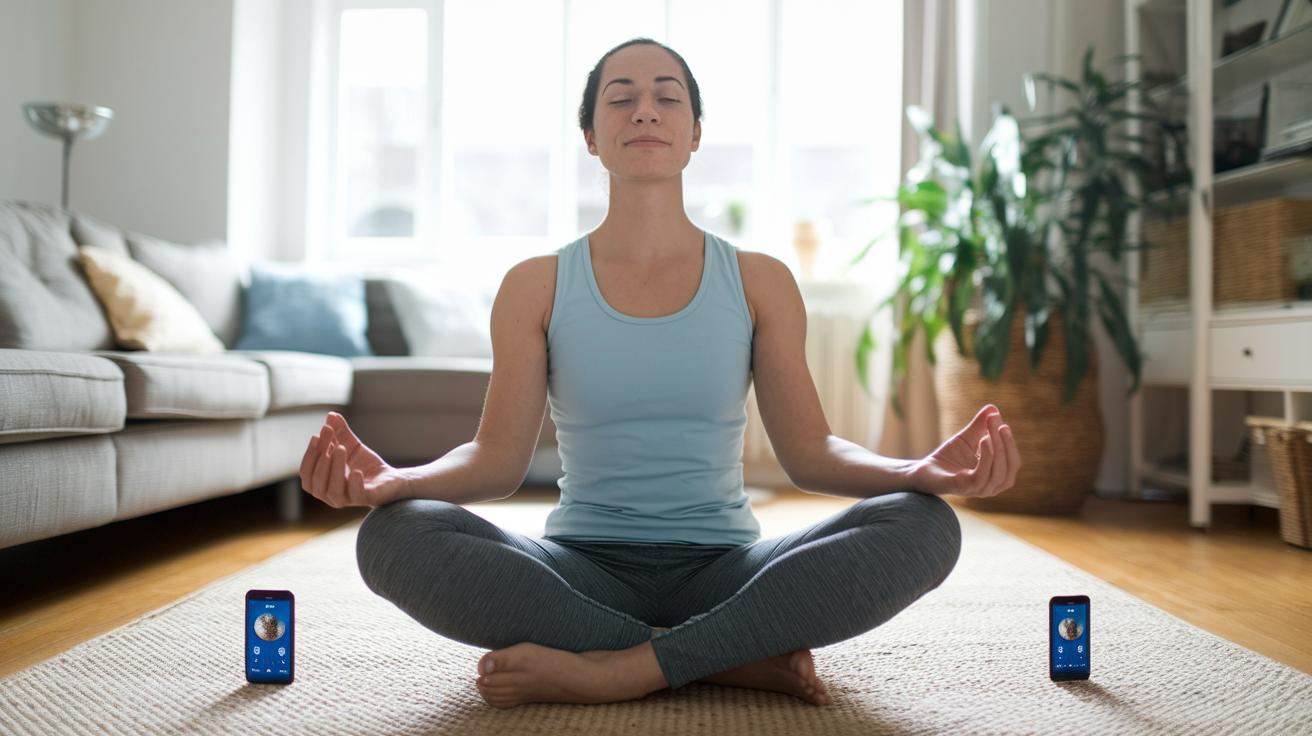
Using well-laid out scripts makes it simple to try mindful breathing. You can follow a guided session, like Thich Nhat Hanh’s Mindfulness of Breathing or a 20-minute meditation that leads you from settling into a comfy posture to syncing with your natural breath. Many toolkits now offer over 500 exercises backed by research, so you can mix and match techniques as you build confidence in your practice.
Video guides and mobile apps are great for busy days. They provide everything from a quick one-minute refresher to full 30-minute sessions, complete with clear audio cues and progress tracking. One user even mentioned that a single minute of guided breathing in a hectic afternoon brought a surprising sense of calm.
For those ready to deepen their practice, advanced programs invite you to move into longer, more focused sessions that blend meditation with detailed breath control. These techniques help sharpen your focus and enhance relaxation, letting you embrace the calm and clarity that mindful breathing brings to everyday life.
Final Words
In the action, you explored a step-by-step guide to mindful breathing techniques. The post broke down short, effective exercises, key health benefits, and proper posture tips. It also offered ways to incorporate breathing exercises into everyday routines and shared resources for deeper practice.
By following these simple methods, you can start reducing stress and improving focus immediately. Enjoy the calm and steady improvement that comes with each mindful breath, and keep moving forward with positivity.
FAQ
- What does a mindful breathing exercise PDF include?
- The mindful breathing exercise PDF includes clear, step-by-step instructions, practice scripts, posture tips, and benefit explanations to help you start a calming, stress-reducing breathing routine.
<dt>What are some mindful breathing benefits?</dt>
<dd>Mindful breathing benefits stress reduction, lower heart rate, and improved relaxation. It can decrease anxiety by activating your body’s natural calming response, letting you feel more balanced throughout your day.</dd>

<dt>How can adults practice mindfulness breathing exercises?</dt>
<dd>Adults can practice mindfulness breathing exercises by setting aside a short session—5 to 10 minutes—finding a comfortable seat, and focusing on slow, deep breaths to help reduce daily stress and boost calmness.</dd>

<dt>How do you follow a 5-minute breathing exercise script?</dt>
<dd>A 5-minute breathing exercise script guides you through timed inhalation, holding, and exhalation sequences, supporting focus and calm. It’s designed for quick, practical practice during breaks or before stressful events.</dd>

<dt>What breathing meditation techniques are suitable for beginners?</dt>
<dd>Breathing meditation techniques for beginners include simple guided routines like focusing on natural breath, count-based patterns, and tactile focus methods. These techniques help establish a solid foundation for relaxation.</dd>

<dt>How can beginners or students start mindful breathing exercises?</dt>
<dd>Beginners and students can start mindful breathing exercises by practicing short sessions in a quiet space. They can use simple cues, such as a gentle count or tactile focus, to keep their attention on the breath.</dd>

<dt>Is there a 1-minute breathing exercise script available?</dt>
<dd>Yes, a 1-minute breathing exercise script offers a quick, focused routine ideal for on-the-go calm. It typically involves controlled, rapid cycles of deep breathing to provide an immediate boost of relaxation.</dd>

<dt>What does the 4-7-8 breathing technique do?</dt>
<dd>The 4-7-8 breathing technique helps calm your nervous system by guiding you to inhale for 4 counts, hold for 7, and exhale for 8 counts, which can promote relaxation and reduce anxiety.</dd>

<dt>What are the five mindful breaths?</dt>
<dd>The five mindful breaths refer to a sequence of different breathing techniques designed to draw your focus inward, help regulate emotions, and promote relaxation through structured inhalation and exhalation patterns.</dd>

<dt>How do you practice mindful breathing?</dt>
<dd>Practicing mindful breathing means finding a comfortable seat, focusing on your natural breath, and gently returning your attention to your inhalations and exhalations. This simple method helps reduce stress and improve clarity.</dd>

<dt>What is the 4-2-8-2 method?</dt>
<dd>The 4-2-8-2 method guides you to breathe in for 4 counts, pause for 2, exhale for 8 counts, and pause for 2 counts. It encourages deep, measured breathing that enhances relaxation and focus.</dd>