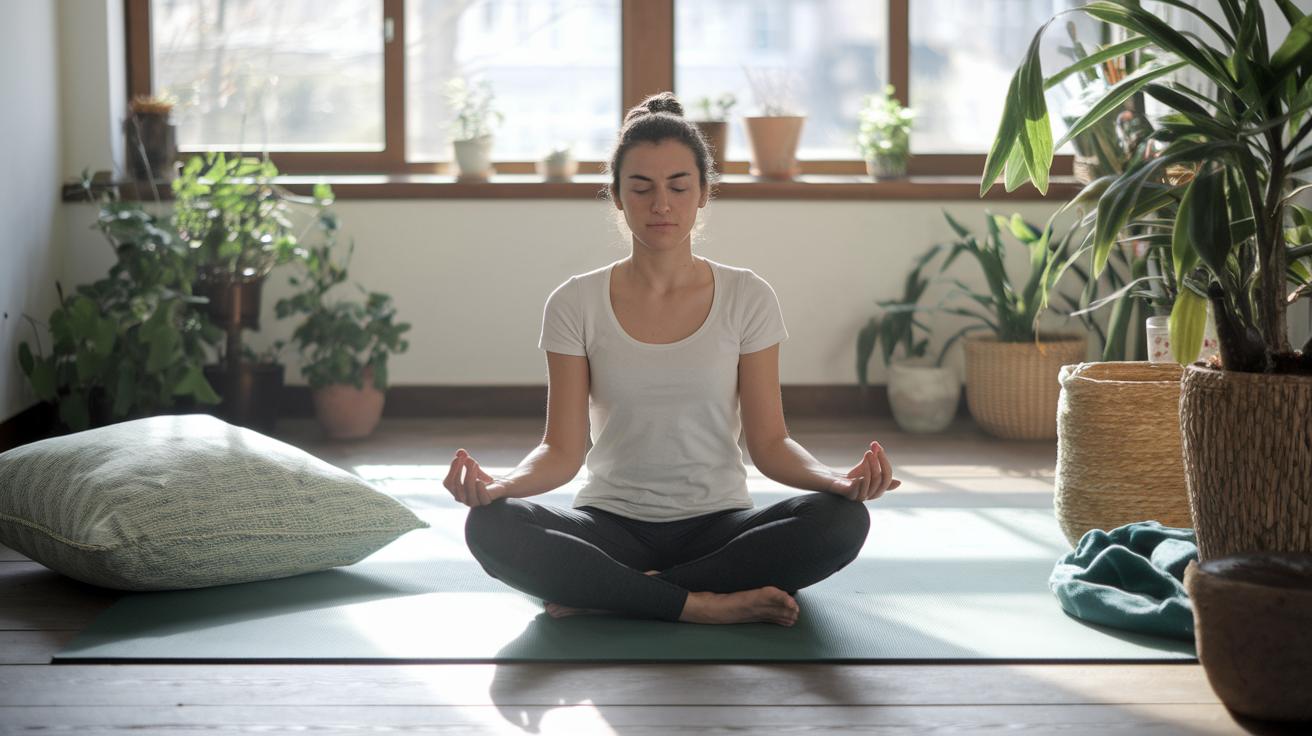
Ever wonder if a single breath can change your day? Controlled breathing is a simple tool that can help ease anxiety and melt away stress. Each deep breath is a chance to relax and let go of tension.
Try techniques like box breathing (a method where you breathe in, hold, exhale, and hold again in equal counts) or diaphragmatic breathing (using your belly to draw a deep, calming breath). These methods can lower your heart rate and bring moments of calm to your busy day.
Get ready to explore easy, practical steps that can help clear your mind and bring a little peace whenever you need it.
Effective Breathing Techniques that Reduce Anxiety
Every breath you take can change how relaxed you feel. Since you breathe about 23,000 times a day, even small changes in your breathing can help shift your body away from stress. By focusing on your breath, you can slow down the fight-or-flight feeling and lower your heart rate and blood pressure.
- Alternate nostril breathing (a way to balance the flow of air through each nostril)
- Lion’s breath
- Box breathing (4 seconds in, 4 seconds hold, 4 seconds out)
- 4-7-8 breathing (a relaxing pattern that eases tension)
- Pursed-lip breathing
- Diaphragmatic (belly) breathing
- Resonance (coherent) breathing
- Long exhaling techniques
- Teddy bear breathing for kids
These simple methods tap into your body’s natural calming trick, the vagus nerve. With slow, mindful inhaling and letting out your breath slowly, you can activate a soothing response that helps balance your internal system. Try one of these techniques today to lower anxiety and welcome more calm into your everyday life.
The Role of Breath Control in Calming the Nervous System

Our body has two main systems that control how we react to stress. One jumps into fight-or-flight mode during tough times. The other helps us relax and digest our food. When you breathe slowly with longer exhales, it signals a nerve called the vagus nerve to help you feel calmer.
Research shows that controlled breathing can help your heart become more flexible in handling stress. One study even found that taking slow, deep breaths boosted heart rate variability, by about 8 beats per minute on average, indicating a healthier, more responsive heart.
This simple breathing practice does more than just calm your nerves. It can also lower blood pressure and balance the chemicals in your brain. By reducing stress hormones like cortisol and increasing calming neurotransmitters, your body gets a gentle reminder to relax.
Step-by-Step Diaphragmatic Breathing for Anxiety Relief
Diaphragmatic breathing, or belly breathing, is an easy way to help ease uncomfortable anxious feelings. Research in Frontiers in Psychology shows that this simple method can lower your stress levels by tapping into your body’s natural calm response. For more details on using deep breathing during anxiety, check out this link: here.
- Sit upright with a straight back and relaxed shoulders.
- Put one hand on your chest and the other on your belly.
- Breathe in slowly through your nose and feel your belly rise.
- Hold your breath for just a moment.
- Exhale completely through pursed lips and notice your belly fall.
- Pause briefly before your next breath.
- Keep a steady rhythm as you continue this cycle.
Try doing this routine for 5–10 minutes each day. Sitting up straight not only helps you breathe better but also gives you a boost of calm alertness. Each slow, mindful breath can make your day a little calmer and help you manage stress one step at a time.
Using the 4-7-8 Relaxation Technique to Ease Anxiety
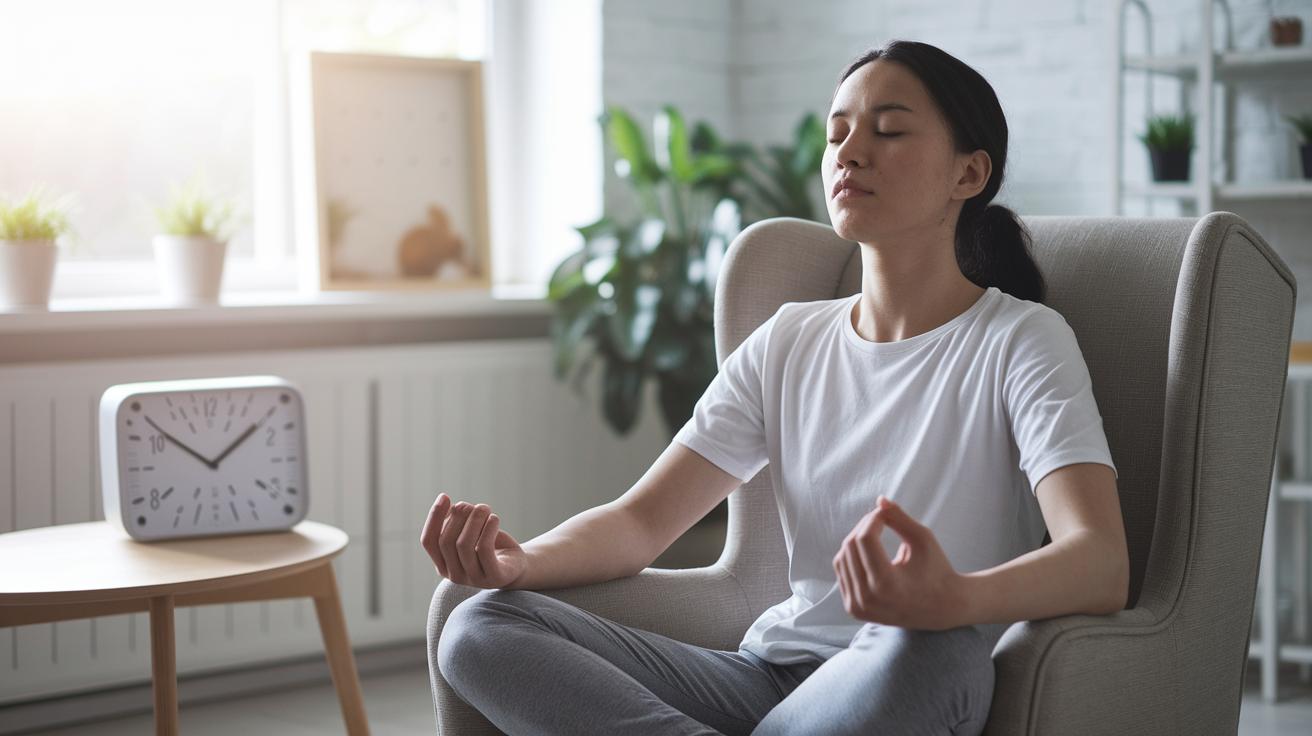
The 4-7-8 technique is an easy way to give your body a mini break from stress. It guides your breathing into a steady, calming rhythm. Start by gently breathing in through your nose for 4 seconds. Next, hold that breath for 7 seconds so your body can soak up some oxygen and help your mind feel clearer. Then, slowly let the air out through your mouth for 8 seconds. This pattern sends a message to your brain that it's time to relax.
Sit in a comfortable spot, whether on a chair or on the floor, and keep your back straight to help your lungs work well. Try doing four full cycles first, and if you can, practice this twice a day. With regular use, many find that their heart rate steadies and their mind feels more at ease. For extra tips on breathing for anxiety, check out mindful breathing for anxiety (https://spiritushealingarts.com?p=210).
Exploring Box Breathing and Other Meditative Breath Patterns
A slow, steady breath can help calm your mind and relax your body. Using a simple pattern takes your focus off worries and sets a gentle rhythm.
Box breathing (also called square breath) divides your breath into four equal steps. Try this: breathe in for 4 seconds, hold for 4 seconds, breathe out for 4 seconds, then pause for 4 seconds. This steady routine can help clear your thoughts and ease stress.
Resonance breathing, sometimes known as coherent breathing, slows your pace to about 5 breaths per minute. Imagine the gentle rhythm of waves coming in and out. This practice may help balance your heart rate and bring a sense of calm.
Alternate nostril breathing lets you switch the path of your breath. Close one side of your nose, breathe in for 3-4 seconds, then switch sides and breathe out for the same count. This simple change might help sharpen your focus and ease tension.
Lion’s breath is a more forceful technique to let go of built-up stress. Take a deep breath in and then exhale with a strong, audible sound, as if you’re releasing all your stress at once.
Long exhaling techniques take the pressure off by extending your out-breath. For instance, breathe in for 4 seconds and then exhale slowly for 6-8 seconds. This method can help lower your heart rate and ease anxiety.
Incorporating Breathing Exercises into Daily Life for Stress Management
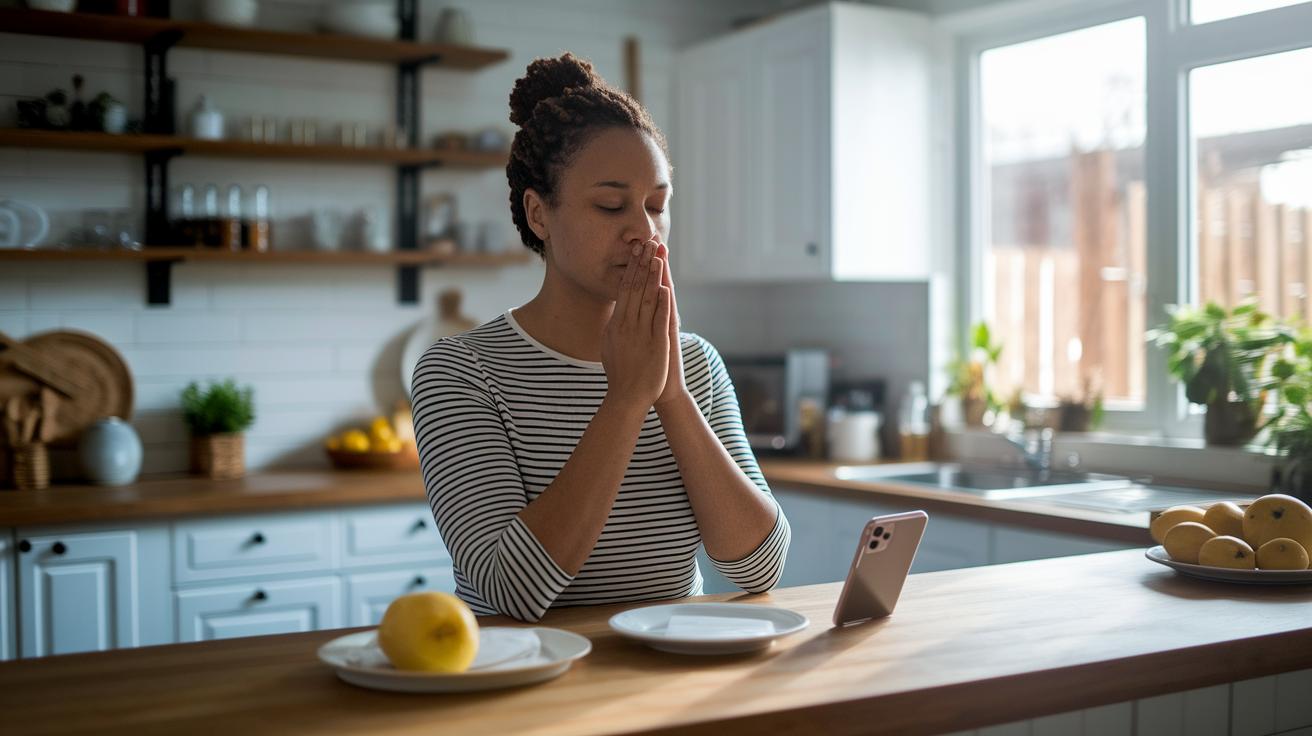
Mix simple breathing exercises into your daily routine to help manage stress. For example, try taking three slow, mindful breaths right after brushing your teeth in the morning or during a quick work break to regain balance.
Here are some ideas to add these breathing moments into your day:
- Take a minute to breathe deeply before you start breakfast or dinner.
- Use a work break as a reminder to do a few deep-breath cycles.
- Add a short breathing routine to your bedtime ritual to help your body wind down.
- Set a timer on your phone to prompt you to take deep breaths during long periods of sitting.
Smartphone apps that use your phone's camera to measure your heart rate can be really helpful. They show you how your heart rate slows down with each mindful breath, proving that a little effort can create a more relaxed state.
You can also find guided meditations online that last around 10 minutes. These sessions can lower anxiety and support your overall well-being, even if you only have a few minutes to spare.
By weaving these techniques into everyday moments, you create a steady, calming routine that helps both your body and mind feel more at ease.
What Research Says About Breathing and Anxiety Reduction
Studies show that taking slow, deep breaths can help ease your anxiety. Research on diaphragmatic (belly) breathing finds that it may lower your stress hormone cortisol and help you feel calmer. The 4-7-8 breathing method has also been linked to a steadier heart rate and faster relaxation. In one study, researchers tracked heart rates using a smartphone over four weeks to confirm these benefits. Overall, controlling your breath can support better emotional balance and enhance other anxiety management tactics.
Final Words
In the action, we explored a range of stress relief methods using targeted breathing techniques. The post walked through nine effective exercises, explained how controlled respiration activates the vagus nerve, and shared step-by-step guidance for diaphragmatic and 4-7-8 breathing. We also looked at ways to build these routines into your daily life. By focusing on breathing and anxiety reduction, you can help lower heart rate and promote calm. Keep experimenting with these practices, small, consistent steps really do make a difference.