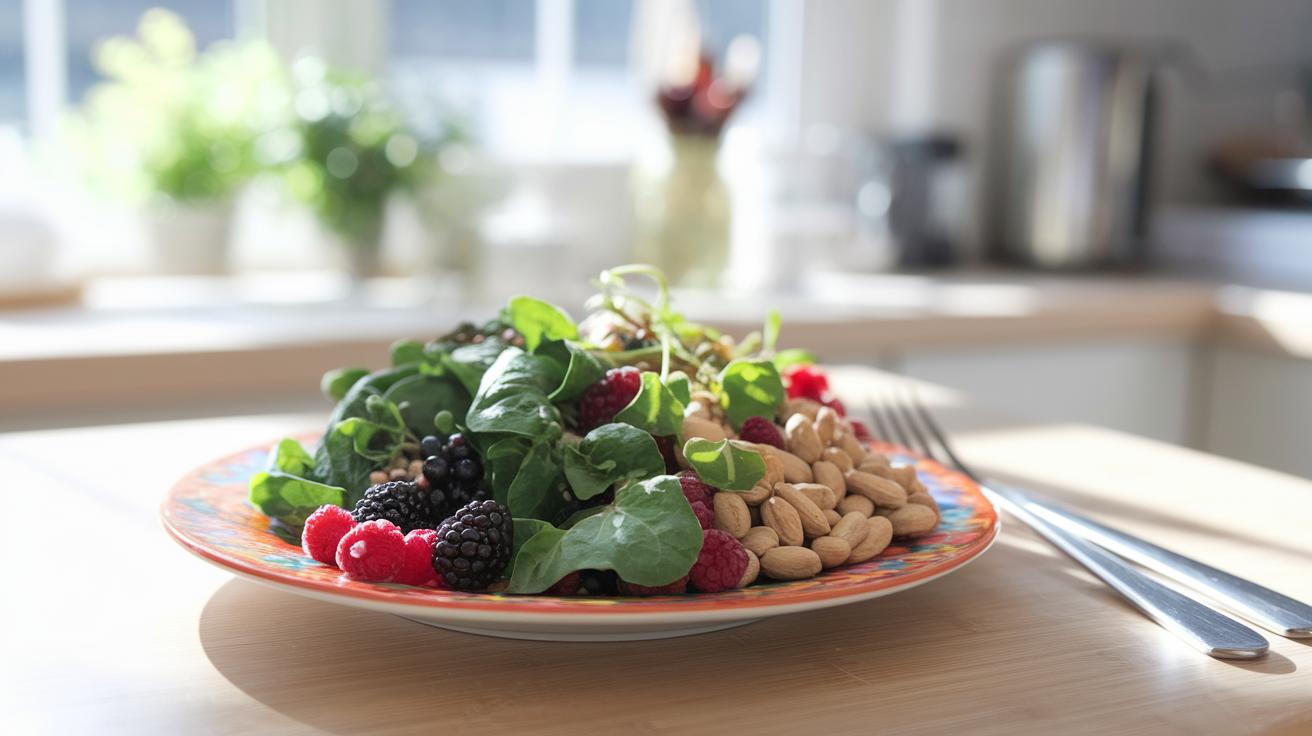
Ever feel like your day could use a boost from healthy, nutrient-packed foods? Whole foods offer vitamins in a form your body quickly uses, and they slide right into your meals. Research shows these choices can help support your energy, immune system, and heart health. In this article, you'll find easy options like avocado, spinach, and eggs that can make a real difference. Try adding one of these foods today and see how they help you feel great every day.
Must-Have Vitamin-Rich Whole Food Sources Overview
We've picked these foods because they're packed with nutrients and the vitamins in them are easy for your body to use. Studies show that these whole foods deliver vitamins and minerals in a form that your system can absorb quickly.
These choices come from comparing natural foods that are rich in essential vitamins. They offer everything from heart-healthy fats to powerful antioxidants. Look for foods that support your immune system, boost your energy, and help you feel your best while fitting right into your everyday meals.
| Food | Key Vitamins | Notable Nutrients | Serving Suggestions |
|---|---|---|---|
| Avocado | Vitamin E, Folate | Monounsaturated fats, Potassium | Spread on toast; add to salads |
| Blueberries | Vitamin C, K | Anthocyanins, Manganese, Copper, Resveratrol | Add to oatmeal; blend in smoothies |
| Kale | Vitamins A, C, K | Fiber, Calcium, Antioxidants | Use raw in salads; lightly sauté with garlic |
| Spinach | Vitamins A, C, K | Lutein, Zeaxanthin | Toss into smoothies; steam as a side dish |
| Salmon | Vitamin D, B12 | Omega-3 fatty acids | Grill with vegetables; serve on quinoa |
| Sardines | Vitamin D, B12 | Omega-3 fatty acids | Top whole-grain toast; mix into pasta |
| Eggs | Vitamin D | High-quality protein, Choline | Enjoy boiled, scrambled or in an omelet |
| Beef Liver | Vitamin A, B12 | Iron | In pâté or mixed into stir-fries |
| Almonds | Vitamin E | Healthy fats | Snack on a handful; sprinkle on yogurt |
| Broccoli | Vitamin C, K | Folate, Sulforaphane | Eat raw in salads; steam lightly |
Use this guide to mix and match these picks in your weekly meals. Changing up your choices not only gives you a wide range of natural vitamins but also makes eating healthier more fun and balanced.
Leafy Greens as Whole Food Sources of Essential Vitamins
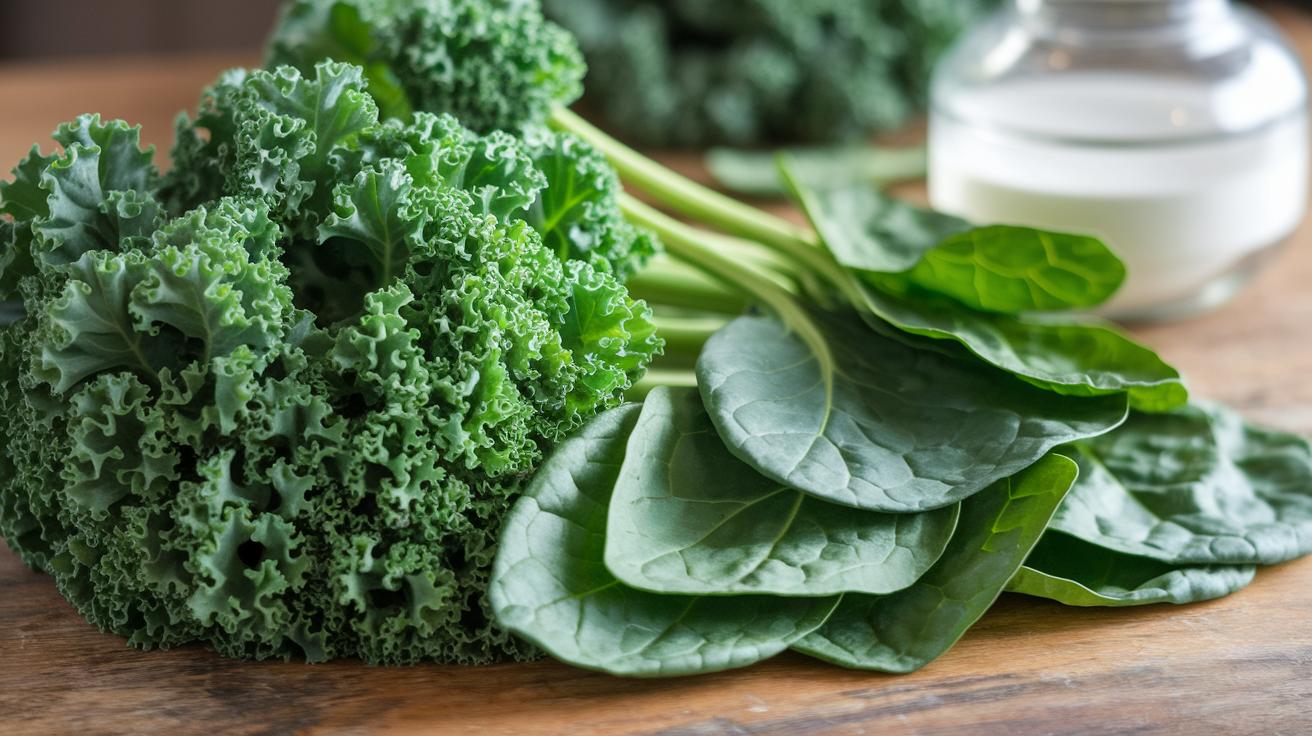
Leafy greens are among the best natural sources of vitamins. They bring a rich mix of nutrients your body can use easily. You'll find vitamins A, C, and K along with fiber and important minerals like calcium and magnesium. Their natural antioxidants help support overall health, making them a simple way to boost your daily nutrition.
Kale and spinach are great examples. Kale offers vitamins A, C, and K, plus fiber, calcium, and antioxidants that help keep your immune system strong and your bones healthy. Try adding raw kale to salads or lightly sauté it with garlic and onions for extra flavor without losing its benefits. Spinach, on the other hand, gives you lutein and zeaxanthin (good for your eyes) along with the same vitamins. Fresh spinach works well in smoothies and salads, making it easy to enjoy its health benefits.
Swiss chard and collard greens also deserve a spot on your plate. Swiss chard is high in vitamin K and magnesium, while collard greens offer vitamin A and folate. For the best nutrient boost, enjoy them raw in wraps or salads or try a quick steam to keep all their vitamins intact.
Cruciferous Vegetables in Whole Food Sources of Vitamins
Cruciferous vegetables pack a real nutritional punch. They offer a mix of vitamins like vitamin C, vitamin K, and folate, while also delivering glucosinolates that turn into sulforaphane, a natural antioxidant. Adding these seasonal veggies to your meals is a tasty way to boost your vitamin intake.
Broccoli is a standout here. It supplies plenty of vitamin C, vitamin K, and folate along with those helpful glucosinolates. For the most benefits, enjoy broccoli raw in salads or lightly steam it for 5–10 minutes. This brief cooking keeps most of its vitamins and natural compounds intact, supporting your overall health.
Brussels sprouts and cauliflower also join the nutrient-packed lineup. Brussels sprouts share many of the same benefits as broccoli, especially with high levels of vitamin K and glucosinolates. Cauliflower brings a good dose of vitamin C and folate to the table and works well in raw slaws or when roasted for a richer flavor. Try pairing roasted Brussels sprouts or crisp cauliflower with your meals to enjoy all these powerful nutrients.
Animal-Based Whole Food Sources of Vitamins and Nutrients

Animal products give your body vitamins it can easily absorb. They also pack protein, healthy fats, and other vital nutrients that boost your energy and support your immune system. For example, the fatty acids in mackerel help your body take in more vitamin D and B12, while kefir’s fermentation adds extra calcium and good bacteria. Try grilling salmon with fresh herbs or pan-searing mackerel with steamed vegetables for a tasty meal that helps your body use its nutrients better.
| Food | Main Vitamins | Additional Nutrients | Serving Tips |
|---|---|---|---|
| Salmon | Vitamin D, B12 | Omega-3 fatty acids | Grill with herbs; add to salads |
| Mackerel | Vitamin D, B12 | Omega-3 fatty acids | Pan-sear; serve with steamed veggies |
| Sardines | Vitamin D, B12 | Omega-3 fatty acids | Top whole-grain toast; mix into pasta |
| Eggs | Vitamin D | High-quality protein, Choline | Boiled, scrambled, or in an omelet |
| Beef Liver | Vitamin A, B12 | Iron | Blend into pâté or add to stir-fries |
| Kefir | B-vitamins | Calcium, Protein, Probiotics | Drink plain or blend with fruits |
Mixing these animal-based foods with some plant options can help you enjoy a wide range of nutrients and different flavors every day.
Top Fruit-Based Whole Food Sources of Antioxidants and Vitamin C
Fruits pack a powerful punch with antioxidants that help block harmful free radicals and keep you healthy. They also provide vitamin C, which helps keep your skin looking good and supports your immune system. Adding these fruits to your meals is an easy way to boost your body naturally while keeping snacks bright and refreshing.
Berries are a top pick. Blueberries are full of anthocyanins (natural compounds that protect cells), vitamin C, vitamin K, manganese, copper, and resveratrol. They're great when frozen and tossed into oatmeal. Strawberries, raspberries, and blackberries also help combat free radicals and can improve skin health when enjoyed regularly.
Citrus fruits and mangoes add a welcome tang. Oranges and grapefruit burst with vitamin C and fiber, which support your immune system and keep your diet lively. Mangoes, being low in calories, offer vitamins A and C along with fiber, making them a favorite snack for kids too.
Legumes, Nuts, and Seeds as Whole Food Sources of Vitamins and Minerals
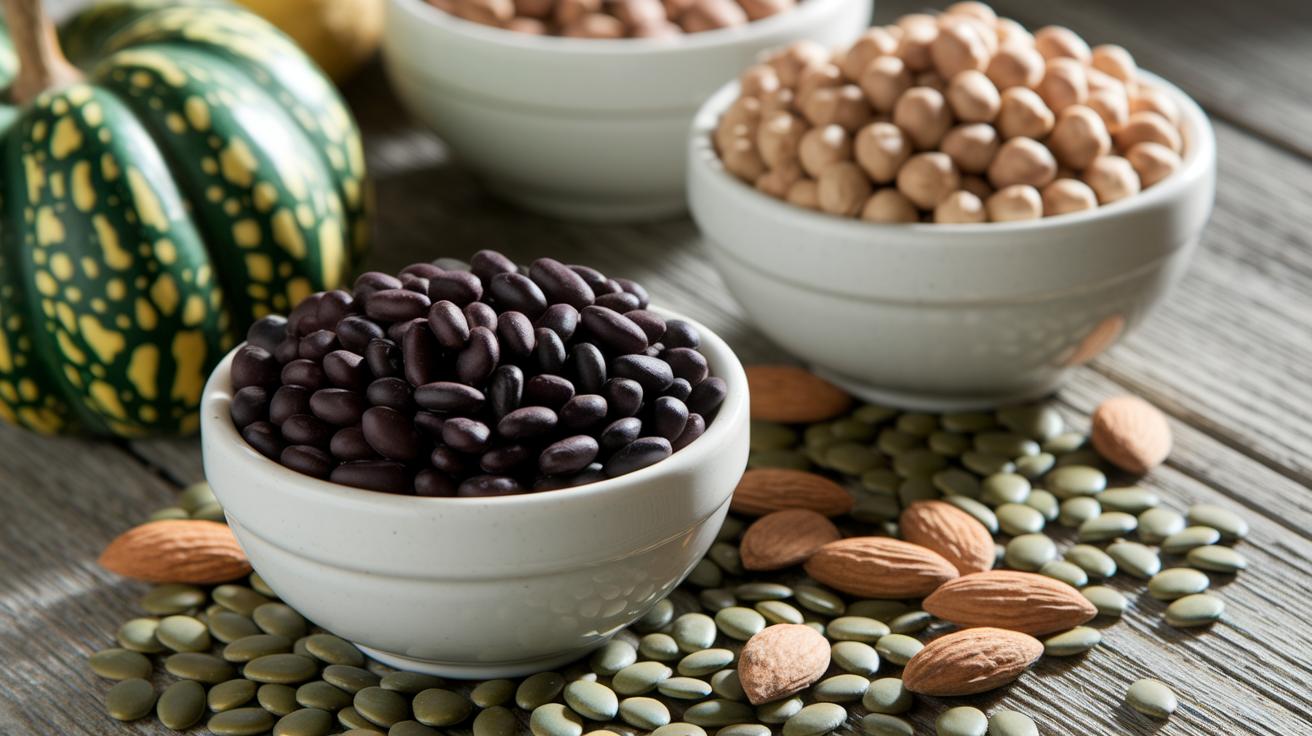
Legumes like black beans and chickpeas are great for boosting your vitamin and mineral intake. Black beans give you plant-based protein, fiber, folate, magnesium, and iron. They are an easy way to add healthy nutrients to your meals. Chickpeas are super versatile. You can toss them into a salad, stir them into a soup, or blend them into a dip. They also bring along B-vitamins, which help with energy and keep your cells running well.
Nuts and seeds round out these benefits with healthy fats, extra vitamins, and minerals. For example, almonds are a handy snack that offers vitamin E and good fats. Pumpkin seeds are another tasty option; they provide magnesium, zinc, and fats that help support heart health. Even a spoonful of peanut butter can add a bit of vitamin E and extra protein. Try mixing these into a trail mix or pair them with fruit for a quick, energizing snack.
Incorporating Whole Food Sources of Vitamins into Daily Meals
Think of every meal as a chance to boost your health with vitamin-rich whole foods. Mix lean proteins, bright veggies, whole grains, and healthy fats to build a balanced plate. For instance, toss in a handful of spinach or some beans for iron, and add bell peppers or citrus fruits to help your body make the most of that iron. Quinoa also offers a good mix of fiber and protein.
Pairing foods wisely can help your body absorb vitamins better. Try matching iron-rich greens like spinach with vitamin C sources such as strawberries. This simple tip works great in salads, stir-fries, or even when blended into a smoothie. Little changes like these can lift your energy and overall well-being.
When shopping, choose seasonal fruits and vegetables. Seasonal options tend to be fresher and more affordable, keeping your meals both colorful and budget-friendly. Look for local produce to add variety to your diet without stretching your dollars.
Plan your week with some meal prep and creative recipes. Think Mediterranean-style dishes with lean proteins and lots of veggies. This approach not only keeps your meals interesting and full of flavor, but it may also help lower the risk of long-term health issues. Enjoy the process and feel good about every bite!
Final Words
In the action, you saw how everyday meals can shine with vitamin-packed whole foods. We explored nutrient-dense options from leafy greens and cruciferous vegetables to hearty animal and fruit sources. Each section outlined simple tips, from mixing kale in salads to pairing salmon with seasonal sides, that support healthy habits. Embrace these whole food sources of vitamins (best nutrient-dense picks) to build balanced plates and enjoy steady boosts in energy and wellness. Small changes today can lead to a more vibrant tomorrow.
FAQ
Frequently Asked Questions
What vitamins are in a nutrient-dense food list and where can I find a comprehensive chart?
The nutrient-dense food list includes vitamins A, C, D, E, K, and various B vitamins along with minerals like iron and zinc. Comprehensive charts show these vitamins in fruits, vegetables, meats, and dairy.
What are the top nutrient-dense whole foods?
The top nutrient-dense whole foods include leafy greens, cruciferous vegetables, fatty fish, and lean meats. These foods provide high levels of vitamins and minerals to support energy and overall health.
What are five reliable sources of vitamins?
Five reliable vitamin sources are leafy greens, fruits, fatty fish, eggs, and nuts. Each offers a mix of essential vitamins and minerals to help maintain body functions and well-being.
What are ten examples of vitamins found in whole foods?
Ten examples of vitamins include A, C, D, E, K, B1, B2, B6, B12, and folate. Each supports different body processes, ranging from immune function to cell repair.
What is considered the number one healthiest food in the world?
The number one healthiest food varies by expert opinion. Many advocate for leafy greens like kale due to their rich vitamin content and antioxidants, while a balanced diet remains key.
What are Michael Pollan’s seven rules for eating?
Michael Pollan’s guidelines recommend eating real food, avoiding overly processed items, and favoring home-cooked meals. His advice promotes simple, plant-focused eating and mindful portions.
What are the five supreme superfoods?
The five supreme superfoods often include blueberries, kale, salmon, almonds, and broccoli. Each of these foods delivers a potent mix of vitamins, antioxidants, and minerals to boost daily nutrition.