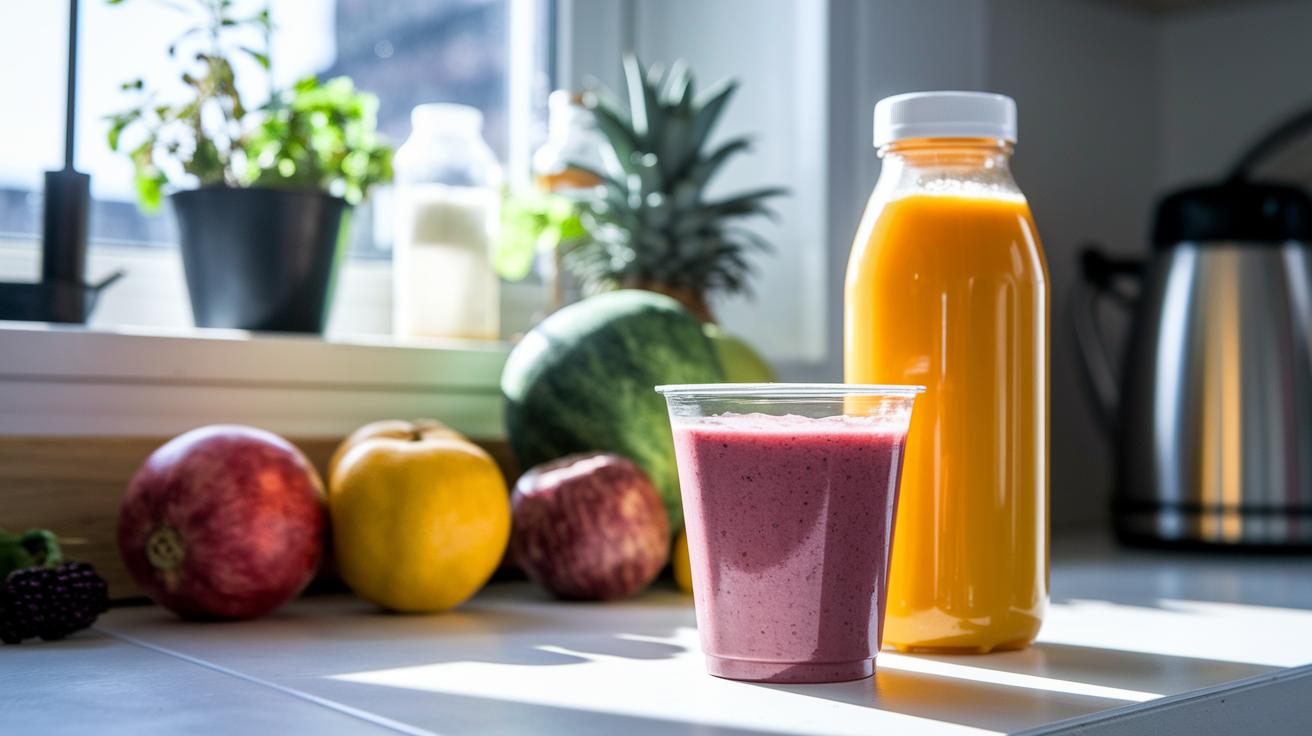
Ever wonder if your drink choice might be missing out on some good nutrition? Imagine a fast burst of energy from a fresh juice or a slow, steady lift from a hearty smoothie.
In this post, we break down how whole food juices and smoothies stack up when it comes to fiber, vitamins, and keeping hunger at bay.
Here’s a quick look:
- Juice gives you a speedy pick-me-up.
- Smoothies, rich in fiber, can help keep you full for longer.
- Both pack essential vitamins that fuel your body.
Read on to see which option might fit best with your lifestyle and nutritional needs.
Nutritional Showdown: Whole Foods Juices vs Smoothies
When you blend whole fruits and vegetables, including the skins, pulp, and flesh, you keep all the natural fiber. This fiber helps slow the release of sugars into your bloodstream, giving you a steadier boost of energy and keeping you fuller longer. For instance, blending an apple with its skin means you enjoy vitamin C along with fiber that helps keep your blood sugar levels steady.
Juices, on the other hand, pull out water-soluble vitamins and minerals but leave most of the fiber behind. Without the fiber, the sugars in the juice are absorbed quickly, causing a fast spike in blood sugar that might make you feel hungry sooner. Think of it like this: drinking juice is like a quick, intense sprint, while a smoothie feels more like a comfortable, steady walk.
Research shows that fiber can help curb your appetite by promoting satiety. With all its fiber, a smoothie lets you absorb antioxidants, B-vitamins, and polyphenols at a more balanced pace, mimicking the benefits of eating whole fruits and vegetables. In short, smoothies give you the full nutritional benefits of whole foods in an easy, tasty drink.
So, when deciding between the two, consider your goals. If you want to feel fuller longer with a balanced nutrient release, blend up a smoothie with whole foods. If you’re after a quick vitamin boost and don’t mind a rapid sugar spike every once in a while, a cold-pressed juice might work better for you.
Nutrient Profile Comparison: Juice vs Smoothie
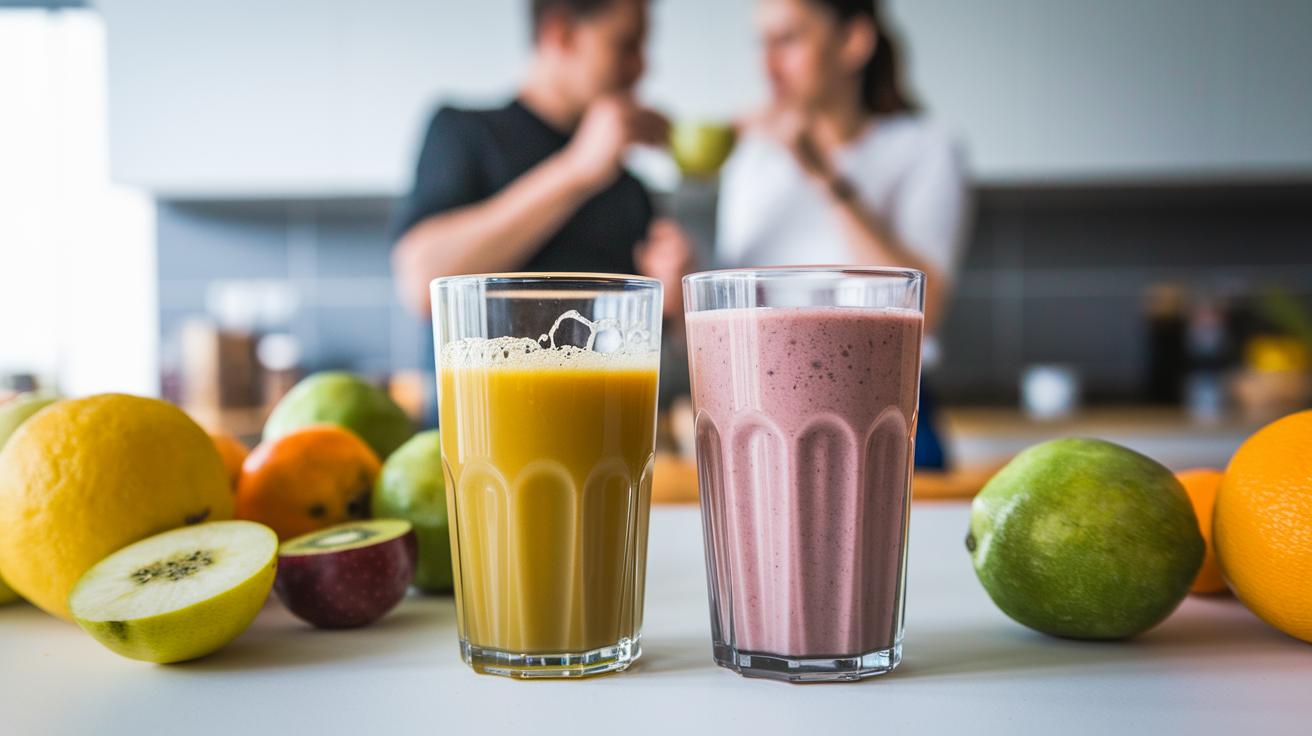
Cold-pressed juice and blended smoothies each bring their own perks. Cold-pressed juice packs a punch of vitamin C, up to 150 mg per 8 oz serving, but it has little fiber (only 0–1 g). Without fiber, its sugars hit your bloodstream fast, which might cause a quick rise in blood sugar.
Smoothies blend whole fruits and vegetables, keeping about 3–5 g of fiber per 8 oz. This fiber helps slow sugar absorption and keeps you feeling full longer. In addition to this stable energy release, smoothies deliver extra B-vitamins and polyphenols (natural antioxidants) that support your overall health.
Here’s a side-by-side look at the key nutrients per 8-ounce serving:
| Nutrient | Juice (8 oz) | Smoothie (8 oz) |
|---|---|---|
| Calories | 110 | 150 |
| Fiber | 0–1 g | 3–5 g |
| Sugar | 20–30 g | 15–20 g |
| Vitamin C | Up to 150 mg | About 100 mg |
| B-Vitamins/Polyphenols | Lower | Preserved |
In short, juice offers a quick vitamin boost while smoothies provide a slow, steady release of energy with extra fiber and nutrients. Pick the one that fits your needs and enjoy a delicious way to nourish your body today!
Fiber & Satiety: Blended Drink Advantages
Blended drinks let you keep all the natural fiber from fruits and veggies. This fiber, whether it's the soft kind (pectin) or the tougher kind (cellulose), can help your gut work better and may even lower inflammation. Recent research shows that a diet rich in fiber can also help keep inflammation markers low and support healthy weight management.
Here are a few simple tips to protect the fiber when you blend:
- Try using a pulsing method for about 30 seconds instead of blending non-stop.
- Use whole fruits like apples without peeling them. Washing is enough since the skin holds extra fiber that aids digestion.
- Mix in fibrous veggies such as kale and carrots to boost both soluble and insoluble fiber.
| Fiber Type | Common Sources | Potential Benefits |
|---|---|---|
| Soluble Fiber | Apples, citrus fruits, oats | Can help with blood sugar control and lower cholesterol |
| Insoluble Fiber | Whole grains, leafy greens, carrots | Supports regular digestion and overall gut health |
Health Impacts: Blood Sugar, Digestion, & Nutrient Uptake

Juices and smoothies work differently in your body. An 8-ounce glass of juice carries about 20–30 grams of sugar and lacks fiber. This means you might see a quick jump in your blood sugar. On the other hand, a smoothie offers roughly 15–20 grams of sugar per 8 ounces along with 3–5 grams of fiber. That extra fiber helps slow down how quickly sugar is absorbed, giving you a steadier energy boost.
Both drinks skip the chewing process, which naturally activates enzymes. However, blending a smoothie usually keeps more enzymes intact than the juice pressing process, which can expose enzymes to extra oxygen and reduce their activity.
Here’s a simple comparison:
| Juice | Smoothie |
|---|---|
| Fast spike in blood sugar | Slow, steady release |
| Less filling | Makes you feel fuller |
| Some enzyme loss during pressing | Better enzyme preservation during blending |
| Higher glycemic index | Lower glycemic index |
| May prompt quick cravings | Supports longer-lasting energy |
| Used as a dietary supplement | Also used as a dietary supplement |
Think of it like picking between a sports drink that gives a quick burst of energy and a balanced snack that helps keep you satisfied longer. Choose the one that fits your needs in the moment.
Scientific Insights on Extraction vs Blending
A 2009 study by Flood-Obbagy and Rolls looked at how different forms of fruit affect our feelings of fullness. The study found that when you eat whole fruit, with all its cell walls intact, it keeps you full longer and slows down how quickly you take in energy. If you blend whole fruit into a smoothie, some of the cell walls break down, but most of the natural fiber stays. This helps the sugars and nutrients release slowly. In contrast, making juice by pressing fruit removes much of the fiber and cell structure. This means your body absorbs the sugars faster, which can cause a quick spike in blood sugar levels. If you're trying to manage hunger and avoid overeating, a smoothie offers a nice balance between a solid fruit snack and juice that releases sugar too quickly.
Freeze-dried powders, made by preserving whole fruits and vegetables through freeze-drying, keep their natural structure and nutrients too. While they are interesting, they're not the main focus here. The 2009 study reminds us that how we process our food really matters for how our bodies react to it.
2009 Satiety Study Details
Flood-Obbagy and Rolls asked participants to eat whole fruits, purees, and juices. They discovered that whole fruits made people feel fuller than the processed versions. This shows that keeping the natural structure of fruit is important in managing hunger and energy intake.
Practical Guide: Equipment, Prep Time, & Cost
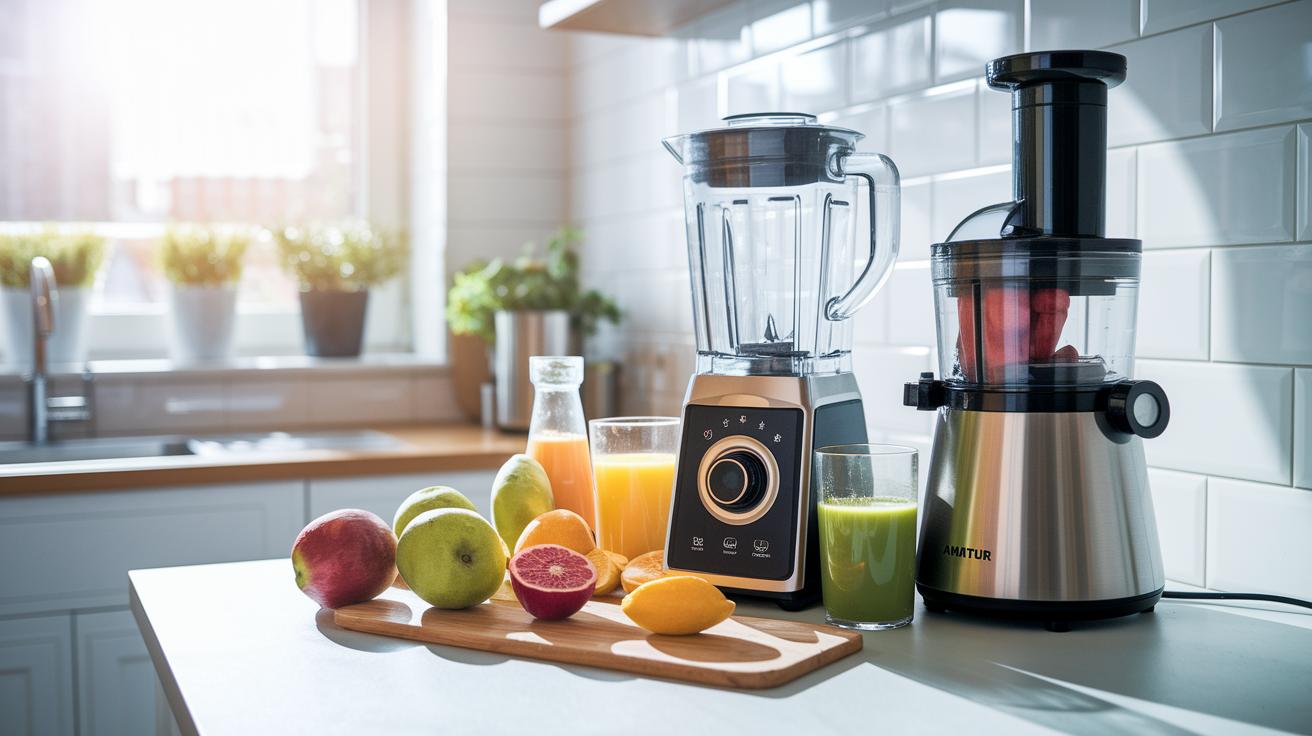
When making fresh drinks, the equipment you choose really affects your routine. A basic blender can mix whole fruits and vegetables in just 1 to 2 minutes. They’re simple to use and clean up is a snap since you only have one cup and no pulp to throw away. On the other hand, countertop juicers take a bit longer, about 3 to 5 minutes. They need you to clean 5 to 7 separate pieces and deal with the pulp afterward.
Cost is another important point. Blenders usually run between $50 and $200, so they’re kind to your budget. Juicers tend to be pricier, typically costing between $100 and $400. When picking your machine, think about how much time you want to spend, how much kitchen space you have, and what you can afford.
Choosing Your Machine
- Think about your lifestyle. If you like quick, low-cleanup options, a high-speed blender might be best. For example, you can whip up a smoothie in just 2 minutes with a blender.
- Consider nutrient retention. Both options give you vitamins, but juicers might leave out some of the fiber and enzymes.
- Check your space. Blenders usually require less counter space, which is great if your kitchen is small.
- Keep your budget in mind. A good blender offers excellent performance and nutrient retention without the higher cost of a juicer.
Balanced Recipes & Customization Tips for Juices and Smoothies
Try these two easy recipes for a light detox and a steady energy boost without overloading on calories.
For a cooling juice, blend 1 cup of chopped kale with 1/2 a medium cucumber, 1 small green apple (cored), and the juice of 1/2 a lemon. This gives you about 5 ounces of juice with roughly 70 calories. It's light, hydrating, and great for a gentle detox day. If you like, swap the kale for spinach or add a small piece of ginger to mix up the flavor and support digestion.
For a robust smoothie, combine one generous handful of spinach, one medium banana, 1/2 cup of Greek yogurt, and 1 tablespoon of chia seeds. You’ll end up with an 8-ounce serving that's around 180 calories. To add extra protein and healthy fats, stir in a scoop of protein powder or a spoonful of nut butter. You can also switch out the spinach for pumpkin, oats, or dates to change the texture and nutrients, making it perfect for breakfast or a post-workout boost.
Customize these recipes by using seasonal produce and adjusting them to match your dietary goals. Experiment with different fruits and veggies until you find the perfect mix for your taste and nutrition needs. Changing up the ingredients not only keeps things interesting but also helps you discover new combinations that support your daily energy and overall well-being.
Final Words
In the action, we broke down the differences between juicing and blending. We discussed nutrient retention, fiber benefits, and blood-sugar responses, along with tips for choosing the right equipment and recipes. Our review of research shows that smoothies can help keep you fuller longer. When it comes to whole foods juices vs smoothies (which is better), the answer depends on your health goals. Every small step counts, so try one tip today and enjoy a balanced boost for your day.
FAQ
Frequently Asked Questions
Which is better for weight management—whole foods juices or smoothies, and is one better for weight loss?
Smoothies retain the fiber from whole produce, which boosts fullness and stabilizes blood sugar, making them generally better for weight management compared to juices that may spike blood sugar faster.
How do juicing and smoothies compare regarding cancer-related nutrition?
Juices and smoothies both deliver vitamins and minerals, but no evidence confirms one as superior for cancer prevention. Their nutritional benefits support overall health rather than act as cancer treatments.
What are common points from Reddit discussions on smoothies vs juicing?
Reddit users often note that smoothies offer fiber and longer satiety, while juices provide a quick nutrient boost. Community opinions vary based on personal goals and taste preferences.
How do smoothies, juices, and shakes differ nutritionally?
Smoothies blend whole produce with fiber intact. Juices remove most fiber, leading to a quicker sugar release, and shakes generally include added protein, making each suitable for different nutritional needs.
Does Whole Foods offer a juicing service, and do they juice for you?
Whole Foods typically sells ready-to-drink, cold-pressed juices available in-store rather than offering a custom juicing service where they juice ingredients on demand.
Are smoothies as good as eating whole fruits and vegetables?
Smoothies made with skin, pulp, and flesh mirror whole food benefits, retaining fiber and nutrients, though chewing whole produce offers extra satiety and slower digestion.
What is considered the healthiest supermarket smoothie?
The healthiest supermarket smoothie usually includes a mix of greens, fruits, and minimal added sugars. Checking the nutrition label helps ensure it offers high fiber and balanced nutrients without excess calories.