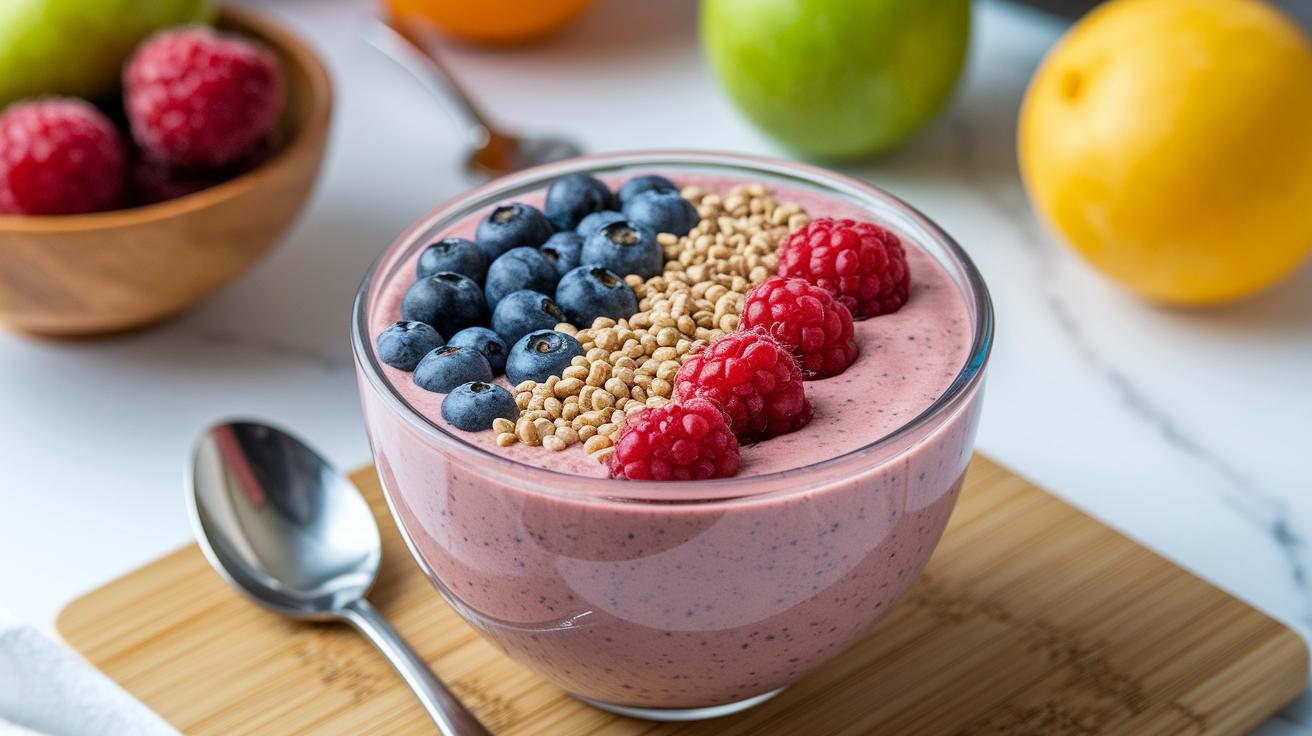
Have you ever wondered if your smoothie could do more than just taste sweet? Imagine a drink that gives you over 15 grams of muscle-building protein using simple, whole foods.
These recipes use everyday ingredients like Greek yogurt, nut butters, fresh fruits, and seeds to show that eating healthy can be both delicious and effective. You might try a Creamy Chocolate Almond smoothie or a Zesty Mango mix, they not only satisfy your cravings but also give you a boost to power through your day.
Get set to add a refreshing twist to your daily routine.
Whole Foods High-Protein Smoothie Recipes
Natural ingredients like fruits, vegetables, dairy, nuts, and seeds create the base for these smoothies. Each recipe is built with whole foods to give you at least 15 grams of protein per serving. We use real ingredients like Greek yogurt, seeds, and nut butters to help you reach your protein goal naturally.
-
Creamy Chocolate Almond Smoothie
• Greek yogurt (about 10 grams of protein per ¼–⅓ cup)
• Almond butter (7–8 grams per 2 tablespoons)
• Cocoa powder, banana, and a dash of turmeric
• Protein per serving: around 18 grams -
Matcha Mango Smoothie
• Greek yogurt
• Fresh mango chunks
• Matcha powder
• Chia seeds (around 4–6 grams per tablespoon)
• Protein per serving: roughly 16 grams -
Zesty Mango Smoothie
• Greek yogurt
• Mango with a squeeze of lime juice
• Flaxseed meal (adds about 4–6 grams per tablespoon)
• A pinch of turmeric
• Protein per serving: about 17 grams -
Pink Blush Smoothie
• Greek yogurt
• Mixed berries like strawberries and raspberries
• Fresh ginger
• Hemp seeds (about 4–6 grams per tablespoon)
• Protein per serving: close to 16 grams -
Gingery Blueberry Smoothie
• Greek yogurt
• Blueberries
• A bit of ginger and cinnamon
• Chia seeds
• Protein per serving: around 17 grams -
Tropical Protein Punch
• Greek yogurt
• Pineapple and banana
• Coconut water and flaxseed meal
• Protein per serving: approximately 15 grams -
Nutty Banana Boost
• Cottage cheese (a great substitute for Greek yogurt)
• Banana
• Peanut butter
• Almond milk
• Protein per serving: about 17 grams -
Green Power Smoothie
• Greek yogurt
• Spinach and avocado
• Chia seeds
• Protein per serving: roughly 16 grams -
Berry Nut Blend
• Greek yogurt
• Strawberries
• Almond butter
• Hemp seeds
• Protein per serving: around 17 grams -
Spiced Protein Elixir
• Greek yogurt
• Carrot and apple
• A pinch of cinnamon
• Flaxseed meal
• Protein per serving: about 16 grams
Each recipe brings its own twist, from creamy nut butter mixes to tangy fruit blends and spice-enhanced picks. Try one today and enjoy a burst of natural protein to keep you energized!
Nutritional Benefits of Whole Foods Smoothie Ingredients

When you whip up a high-protein smoothie, try to hit around 15–30 grams of protein, 20–40 grams of carbohydrates, and 5–15 grams of fats. This mix keeps your energy steady and helps fix up your muscles after a workout. Think about adding Greek yogurt, nut butters, or lean dairy for protein, along with fruits, veggies, and whole grains for good carbs and fats.
Fruits and vegetables pack in loads of vitamins and minerals, and their natural fiber keeps your digestion smooth. A dash of spices like cinnamon and ginger gives you extra antioxidants to help protect your cells. Plus, seeds and leafy greens add fiber that supports a healthy gut. The natural sugars in fruits offer a quick boost without extra added sugars, making every sip both tasty and nourishing.
Top picks for your smoothie include ingredients like turmeric, flaxseed, and spinach. Even a little (about ¼ teaspoon) of turmeric adds anti-inflammatory benefits, which can help soothe aches. Flaxseed ramps up your fiber and brings omega-3 fatty acids (fats that help keep your heart healthy) into the mix. And spinach is loaded with vitamins and minerals that boost cell health across the board.
Plant and Dairy Protein Sources for Whole Foods Smoothies
Real, whole-food proteins add more than just protein to your smoothie, they bring extra vitamins, minerals, and a naturally creamy texture. Using these foods helps boost the flavor and nutrition of your drink while keeping ingredients simple and familiar.
- Greek yogurt – 1/2 cup supplies 8–12 g of protein
- Cottage cheese – 1/2 cup delivers 8–12 g of protein
- Silken tofu – 1/2 cup provides 8–12 g of protein
- Peanut butter – 2 Tbsp adds 7–8 g of protein
- Powdered peanut butter – 1 Tbsp yields 5–6 g of protein
- Hemp seeds – 1 Tbsp offers roughly 4–6 g of protein
Each option contributes a unique texture. For example, Greek yogurt and cottage cheese blend smoothly, while tofu creates an ultra-smooth base that works in any shake. Nut butters not only raise the protein count but also give a rich, nutty taste that pairs well with fresh fruits. Meanwhile, hemp seeds add a gentle crunch and extra protein.
When putting together your smoothie, try layering these ingredients by texture. Start by blending the creamier items, then work in the more textured ones. If your mix feels too thick, add a little extra liquid. Experiment with different combinations to create a customized, nutrient-packed shake that fuels your day.
Sourcing and Selecting Quality Whole-Food Smoothie Ingredients
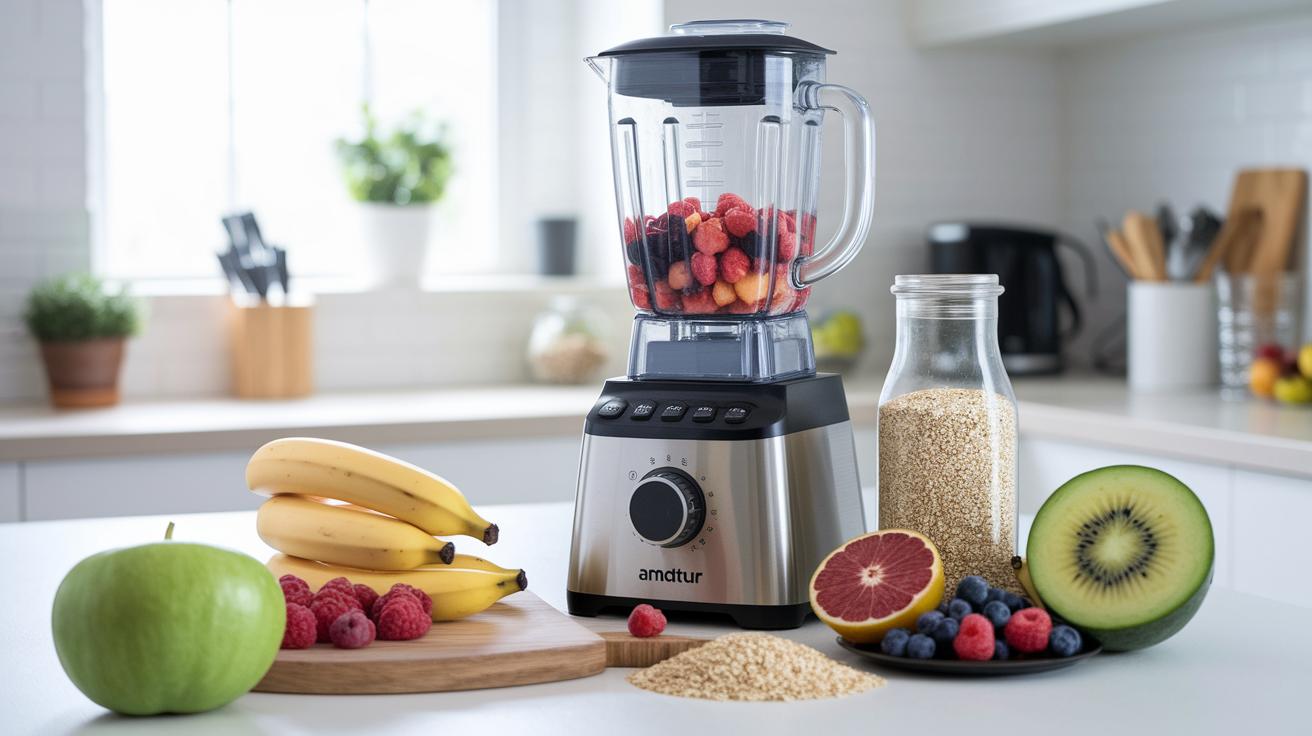
When choosing fruits and vegetables for your smoothie, think about mixing both fresh and frozen options. Fresh produce bursts with flavor and aroma, while frozen berries provide a smooth texture and pack in healthy antioxidants. Organic choices can help you cut down on pesticide exposure, but budget-friendly, well-washed conventional produce works fine too. Ripe bananas bring a natural sweetness and creamy feel without added sugars.
Whole grains and other add-ins can boost the drink’s fiber and energy. Consider stirring in whole oats or a bit of cooked quinoa (a light, easily digestible grain). Use single-ingredient nut butter without extra additives to keep your blend pure. Legumes and seeds are also great for an extra nutrient punch and better texture. Feel free to experiment with different mixes to create a drink that’s both tasty and energizing.
Remember these simple tips:
| Tip | What to Do |
|---|---|
| Avoid Added Sugars | Keep an eye out for hidden sweeteners. |
| Check Labels | Look for unnecessary additives in the ingredients. |
| Know the Source | Choose produce known for high-quality sourcing. |
| Certifications | Look for organic or non-GMO labels when available. |
Customization and Macronutrient Balancing in Whole Foods Smoothies
Quick take: For a smoothie that boosts energy and aids muscle repair, aim for about 40% protein, 40% carbohydrates, and 20% fat. Each ingredient plays a role, protein helps rebuild muscles, carbs give you quick energy, and fat keeps you full for longer.
Start with your protein choice. You might use Greek yogurt or a plant-based protein (a plant-based option like soy or pea protein). Next, mix in fruits or whole grains for carbs, and add a bit of nut butter or avocado for healthy fats.
For the perfect texture, begin by blending your liquids, then add softer items, and finish with frozen fruits or ice. If your blend is too thin, gradually stir in a few frozen berries until it thickens to your liking.
Swaps let you tailor your smoothie:
| Swap | What It Does |
|---|---|
| Coconut milk for almond milk | Changes flavor and fat content while keeping a similar liquid base |
| Spinach for kale | Offers a stronger nutrient boost with a slight taste twist |
| Avocado for banana | Makes the smoothie smoother and naturally sweeter without extra sugars |
Try one of these simple swaps next time you blend, and enjoy creating a smoothie that truly works for you!
Prep, Blending, and Storage Best Practices for Whole Foods Smoothies
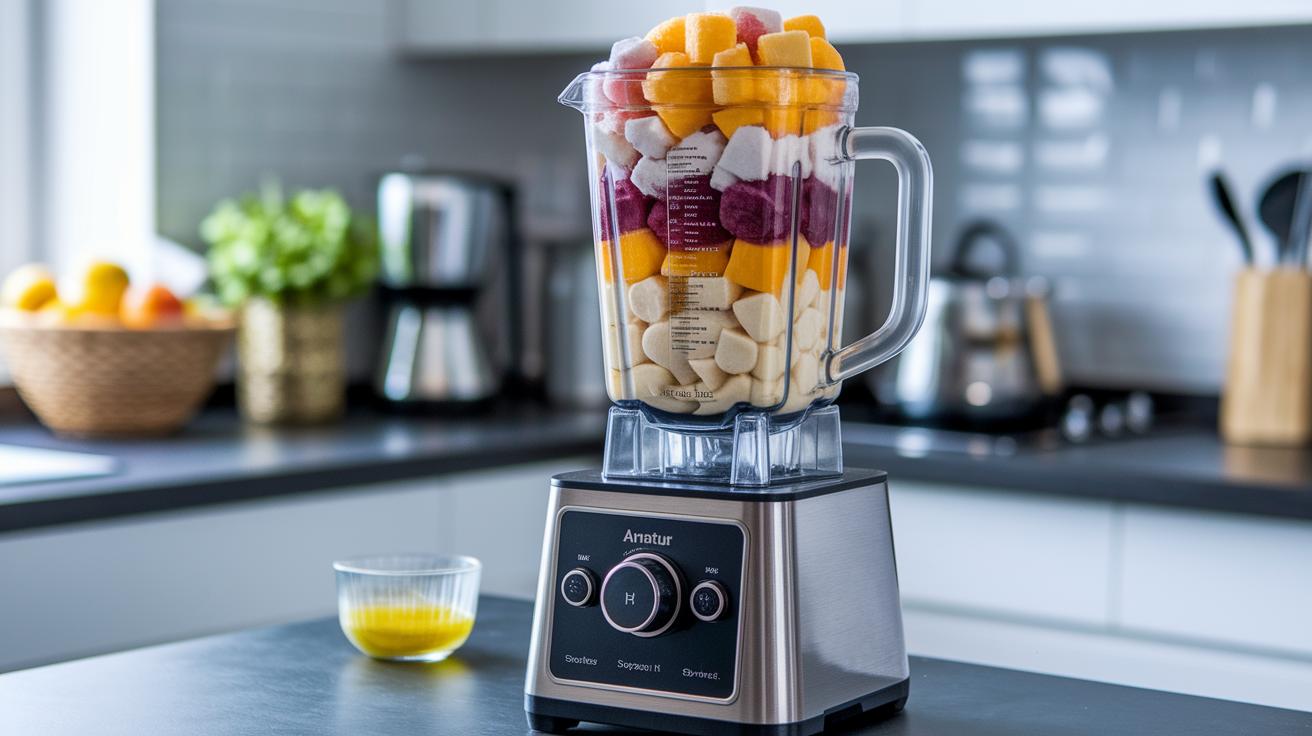
Layering your ingredients can really help you achieve the perfect smooth blend. First, pour your liquid (like water, milk, or juice) into your blender. Next, add soft items such as Greek yogurt or ripe fruit, and then finish with frozen fruits or ice cubes. This order helps the smooth mix flow evenly and cuts down on clumps, giving you a consistently tasty smoothie every time.
- Pour your liquid base into the blender.
- Add soft ingredients like yogurt, nut butters, or fresh fruit.
- Top with frozen fruits, ice cubes, or any raw add-ins you have measured.
- Blend on high for 45-60 seconds until everything is smooth and well mixed.
After blending, store your smoothie in an airtight jar. It will stay fresh for up to 24 hours in the refrigerator. If you notice the smoothie separates or thickens, simply give the jar a good shake before drinking. For a thinner texture when reheating, mix in a splash of water or unsweetened nut milk. Always check that the smoothie is at a safe temperature and smells fresh before enjoying your drink.
Post-Workout Recovery Smoothies Made with Whole Foods
After a workout, your body needs a quick refill of protein and carbohydrates to help repair muscles and boost energy. Enjoying a smoothie made from whole foods like fruits and Greek yogurt gives you natural sugars, high-quality protein, and essential vitamins and minerals. Not only does it rehydrate you, but it may also help ease inflammation and support muscle rebuilding.
Tropical Creamsicle Post Workout Smoothie
• Ingredients:
- 1 small banana
- 1/2 orange, peeled
- 1/2 cup Greek yogurt (rich in protein that helps repair muscles)
- 1/4 cup pineapple chunks
- 1/4 teaspoon turmeric (helps calm inflammation)
- 1/2 cup coconut water
• Instructions:
- Put all the ingredients in your blender.
- Blend on high for 45–60 seconds until smooth.
- Pour into a glass and drink within 30 minutes after your workout.
Sweet Potato Beet Smoothie
• Ingredients:
- 1/3 cup cooked, mashed sweet potato
- 1/3 cup cooked beet, cooled
- 1/2 cup Greek yogurt
- 1/2 cup apple juice
- 1/4 teaspoon turmeric
- A squeeze of lemon juice
- A pinch of ginger powder
• Instructions:
- Add all ingredients to your blender.
- Blend until the mix is smooth and uniform.
- Enjoy immediately to get the best benefits.
Drinking your smoothie within 30 minutes can help your body soak up the nutrients quickly. This simple, natural drink helps soothe workout soreness while supporting muscle repair for a stronger next session.
Final Words
In the action, we explored whole foods smoothies (high protein ideas) that pack a nutritional punch. The post broke down ten fresh recipes, highlighted key ingredients, and shared practical tips on sourcing quality produce, balancing macros, and mastering blending techniques.
Each section offered clear steps and easy swaps for busy days. By applying these practical routines, you can enjoy delicious, protein-packed smoothies that support active lifestyles and lasting energy. Keep experimenting to find your perfect blend and embrace healthier habits.
FAQ
What is a Whole Foods smoothie bar?
The Whole Foods smoothie bar offers a counter with nutrient-rich, whole-food smoothie blends made from fresh ingredients, providing a quick and healthy drink option.
What high-protein whole foods smoothie ideas can I try?
High-protein ideas include recipes featuring Greek yogurt, nut butters, seeds, and fruits. These blends are designed to support muscle repair and boost energy.
What does a Whole Foods green smoothie menu feature?
A Whole Foods green smoothie menu typically features drinks made with leafy greens like spinach or kale, combined with protein-rich ingredients to create a refreshing, nutrient-packed blend.
Where can I find the Whole Foods smoothie bar menu PDF?
The Whole Foods smoothie bar menu PDF is usually available on the Whole Foods website or mobile app, giving you detailed info on daily offerings and nutritional facts.
What is the Whole Foods Berrycado smoothie?
The Whole Foods Berrycado smoothie mixes berries and avocado with high-protein sources like Greek yogurt, creating a creamy drink rich in antioxidants, healthy fats, and protein.
How do I make a Whole Foods Green Goddess smoothie?
The Whole Foods Green Goddess smoothie recipe combines leafy greens, avocado, and protein sources like Greek yogurt to produce a vibrant, nourishing blend loaded with essential nutrients.
What ingredients include the Whole Foods Farmers Garden smoothie?
The Whole Foods Farmers Garden smoothie recipe features farm-fresh vegetables, fruits, and protein additions like cottage cheese, yielding a balanced drink packed with nutrition.
What are the hours for a Whole Foods smoothie bar?
Whole Foods smoothie bar hours vary by location; check your local store’s website or app for the most accurate operating times and service details.
What whole foods can I add to a smoothie for protein?
Whole foods to add include Greek yogurt, cottage cheese, silken tofu, seeds, and nut butters. These ingredients provide essential protein to support muscle strength and nutrition.
Does Whole Foods make protein smoothies?
Whole Foods offers protein smoothies made with whole-food ingredients like Greek yogurt and fruits, providing balanced nutrition that supports muscle repair and energy levels.