
Quick take: A 20-minute HIIT workout can boost your heart health and burn fat fast.
High-intensity interval training (HIIT) uses short bursts of exercise that push you close to your peak, meaning you work hard for just a little bit of time. Research shows that a few HIIT sessions each week can offer benefits similar to hours of moderate exercise. Plus, it makes your heart stronger and keeps your body burning calories even after you've finished your workout.
This simple routine is a smart choice if you want to improve your fitness and manage your weight without long gym sessions.
Key HIIT Workout Benefits for Cardiovascular Health, Fat Loss, and Time Efficiency
HIIT workouts give you a smart way to boost your health without taking too much time. In a 20–30 minute session, you push your body with quick, intense bursts followed by short rests. This means you work at about 80–90% of your top heart rate before you recover.
Research shows that doing HIIT two to three times a week can lead to similar or even better improvements than doing 150 minutes of moderate exercise. It challenges your heart and helps improve blood flow while building your overall fitness.
Because of its intensity, HIIT also puts your body into a state called EPOC (excess post-exercise oxygen consumption). This basically means you keep burning calories after your workout is done, which can help with fat loss and weight management. You get more benefits in less time, perfect for a busy schedule.
- Boosts your maximum exercise capacity (VO₂ max)
- Helps burn fat with a continued calorie burn after your workout
- Strengthens cardiovascular function by pushing your heart harder
- Easily fits into a busy day with quick, high-impact sessions
If you're short on time but want to improve your heart health and shed extra fat, HIIT is a great option to consider.
Metabolic and Hormonal Enhancements from HIIT Intervals

HIIT workouts give your metabolism a real boost. When you push hard in short bursts, your body keeps burning extra calories afterward. This process, known as EPOC, means your workout pays off long after you've finished.
These bursts also trigger the release of hormones like IGF-1, which help build muscle and burn fat. Think of it as fueling your muscles with a powerful shot of energy.
On top of that, HIIT increases the amount of GLUT4 transporters and enzymes that help your body use sugar. In plain terms, your cells get better at handling sugar, which can improve insulin sensitivity and lower the risk of developing type 2 diabetes. For example, just a few minutes of intense running can make your cells work like a well-tuned engine.
Research from places like the Mayo Clinic even suggests that HIIT may help slow down the aging process by aiding cell repair. This means that over time, HIIT might not only help you lose fat and gain muscle but also support overall cellular health.
Overall, the way HIIT boosts both your metabolism and hormone production makes it a smart choice for maximizing workout benefits, even when you're short on time.
Cardiovascular Fitness and Endurance Gains with HIIT Workouts
HIIT workouts make your heart work very hard, up to 80 to 100% of its maximum rate. These bursts of effort boost your body's ability to use oxygen (often measured as VO₂ max), so you can exercise more efficiently. Think of it like giving your heart a good workout; each burst helps it pump more blood, which over time can lower your resting heart rate and blood pressure.
Regular HIIT sessions help your blood move smoothly and make your blood vessels work better. This means your body gets oxygen and nutrients more effectively. For example, if you do intervals on a treadmill, you might soon notice that everyday tasks leave you less out of breath. Better blood flow not only builds endurance but also supports a healthier heart.
Research shows that burst-style workouts like HIIT can boost your endurance more than steady, even workouts. This increased endurance means you can take on daily activities, whether climbing stairs or playing with your kids, with less fatigue.
- Picture finishing a tough set without feeling drained.
- See your heart getting stronger and more efficient every time you train.
Superior Fat Loss and Body Composition Changes with HIIT Training
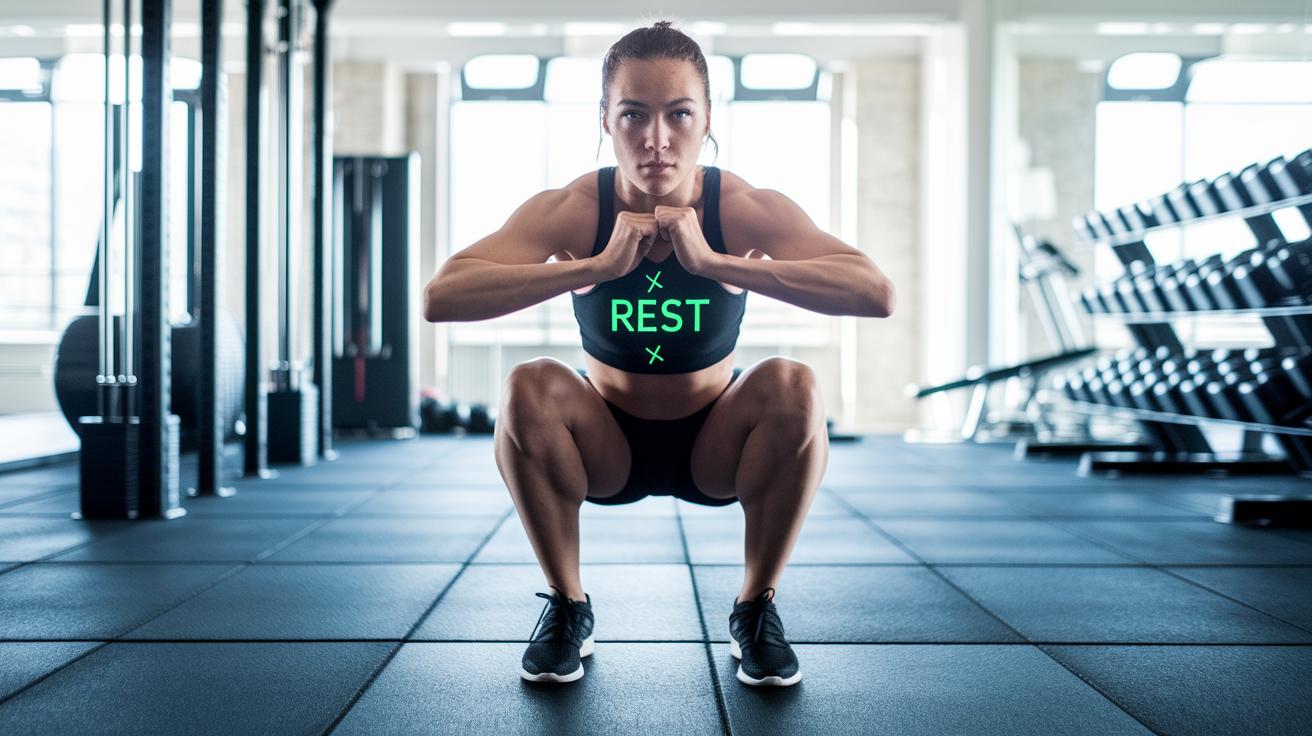
HIIT workouts help you burn lots of calories quickly while keeping your muscles strong. When you push yourself in short bursts, like 20 seconds of hard work followed by 10 seconds of rest, you can target stubborn fat, including the deep belly fat.
These short, intense moves also trigger the release of hormones that build muscle and burn fat. Adding exercises like jump squats or quick sprints not only torches calories during your workout but also keeps your body burning extra calories afterward (this is known as the afterburn effect).
Research shows that regular HIIT sessions can shift your metabolism in a way that promotes fat loss and muscle retention. It’s a smart way to improve your body shape without spending hours at the gym.
- Rapid calorie burn during short intervals
- Effective reduction of deep (visceral) fat
- Protection of lean muscle through high-force moves
Building Strength, Power, and Functional Fitness through HIIT
High-intensity interval training (HIIT) is more than a way to get your heart pumping; it also builds strong muscles and practical power. When you work in short, fast bursts, your body releases hormones like IGF-1 (a key muscle-building hormone). This helps grow lean muscle and boosts strength. At the same time, you improve both muscle endurance and heart health.
Circuit-style HIIT mixes powerful moves with active rest. This combo strengthens your body and sharpens coordination. For example, jump squats and burpees not only work your legs and core for better balance but also make your heart work more efficiently. Each burst pushes your muscles hard, gradually building power and mental grit.
In short, HIIT turns a regular workout into a mini strength session. This balanced approach helps everyday activities feel easier and improves your overall control and stability.
Efficient HIIT Sessions for Beginners and Busy Schedules
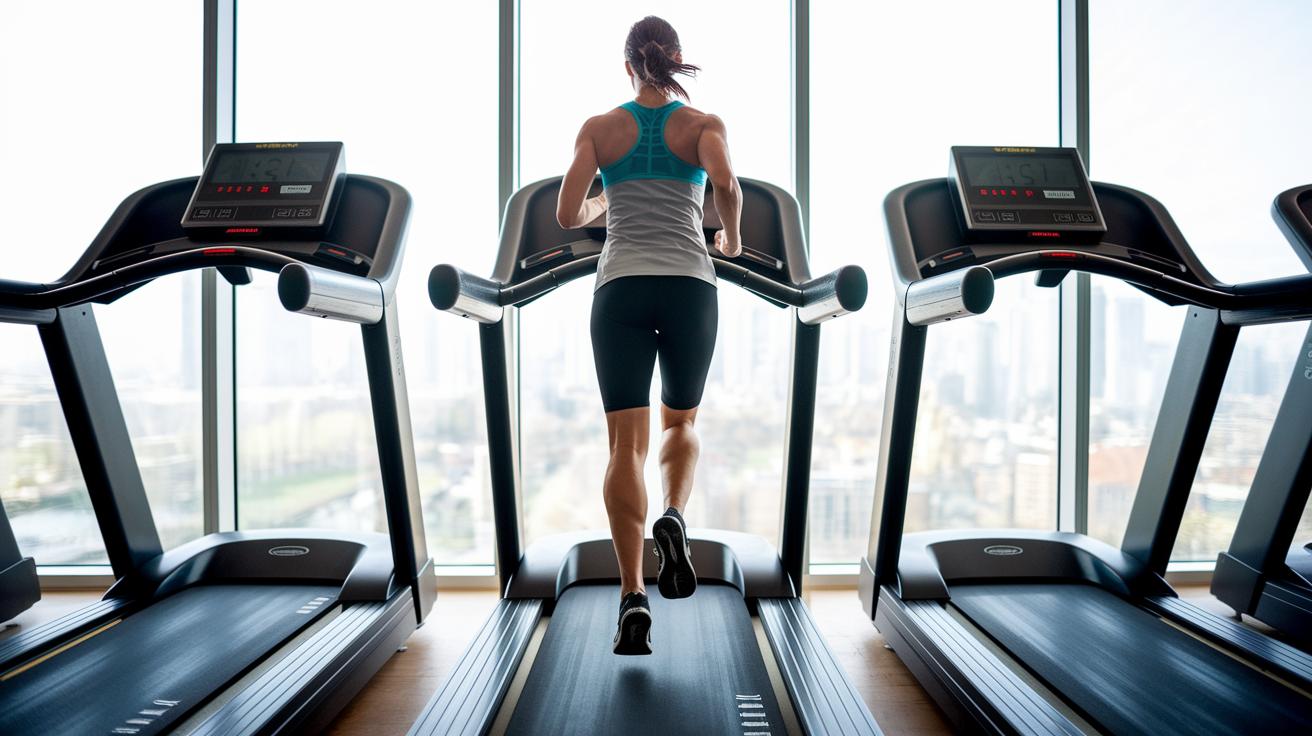
If you're just starting out or juggling a busy schedule, a short HIIT workout can be a game changer. Begin with 15–20 minute sessions and slowly work your way up to 25–30 minutes as you get more comfortable. This gradual increase helps your body adjust without overwhelming you while still delivering great benefits.
A simple HIIT routine might include intervals on the treadmill, bodyweight moves, or even cycling. For example, you can try this treadmill workout: start with a 3-minute warm-up, then alternate between 1 minute of fast running and 1 minute of walking to recover. As you build endurance, you can change your work-to-rest ratio from 1:2 to 1:1, which allows you to build strength without pushing too hard.
Because HIIT workouts are designed to be short and effective, doing two to three sessions per week is usually enough to see improvements. These sessions boost your heart health and tone your muscles while being easy to fit into even the smallest space. All you need is a bit of room, your bodyweight, or a stationary bike to get started.
- Start with moderate bursts of activity and give yourself plenty of time to recover.
- Slowly reduce your rest periods as your stamina grows.
- Stick to 2-3 sessions a week to see steady progress.
Give this HIIT plan a try today and adjust it to suit your daily routine and comfort level.
Safe HIIT Practices, Recovery Tips, and Sustainable Training
Experts suggest taking at least 48 hours off between HIIT workouts. This rest helps your body heal and lowers the chance of overtraining. Start with shorter, easier intervals, like a 15-minute session, and gradually add more time as your stamina improves to help prevent injuries.
Good sleep and proper rest after exercise are essential. Stick to a regular bedtime routine so your muscles can repair and your energy can recover. This simple step sets you up for better performance in your next workout.
If you're new to HIIT or have health concerns, try a supervised program. Working with a coach or trainer ensures you use the right form and keep your workouts safe. Plus, following a structured plan can boost your bone strength and overall fitness.
- Take regular rest days.
- Gradually increase the intensity of your intervals.
- Prioritize getting good sleep after your workout.
Final Words
In the action of HIIT, the benefits of hiit workouts shine through by boosting cardiovascular health, speeding fat loss, and supporting lean muscle. We broke down key routines that enhance endurance and strength while outlining safe recovery techniques. This approach lets you fit quick, efficient sessions into your busy schedule without sacrificing progress. Simple, targeted intervals can improve performance and overall wellbeing. Keep moving, stay consistent, and enjoy the small wins every step of the way.
FAQ
What are the key benefits of HIIT workouts?
The key benefits of HIIT workouts include improved cardiovascular fitness, enhanced fat loss from elevated post-workout calorie burn, building lean muscle, and increased overall endurance compared to traditional steady-state cardio.
What are the disadvantages or risks of HIIT training?
The disadvantages of HIIT training include a higher injury risk from intense exertion, potential overfatigue if sessions aren’t spaced out, and it may not suit beginners or individuals with certain health concerns without proper progression.
What happens to your body during and after a HIIT workout?
During HIIT, your heart rate soars to near-maximal levels, boosting oxygen uptake and triggering post-exercise calorie burn (EPOC). After, muscle-building hormones rise, supporting lean muscle and overall fitness gains.
How many times a week should I do HIIT and what happens if I do it every day?
Experts recommend two to three HIIT sessions weekly to allow proper recovery. Doing HIIT daily can lead to overtraining, increased injury risk, and insufficient muscle recovery.
What are some HIIT workout examples, including HIIT running?
HIIT workout examples include treadmill intervals, running sprints, bodyweight circuits, and cycling Tabata. HIIT running typically alternates sprint bursts with recovery periods like walking or light jogging.
What benefits do HIIT workouts provide for weight loss and for women specifically?
HIIT workouts promote fat loss by boosting calorie burn both during and after workouts, and for women, they enhance muscle tone, improve metabolic rate, and offer a time-efficient way to build strength and endurance.