Quick take: Your sleep has two key players, deep sleep and REM sleep, and both are essential for a good night’s rest.
Think of deep sleep as your body's repair crew. During this stage, your tissues heal and muscles grow stronger, giving you a solid base for the day ahead.
Then there's REM sleep, the time when your brain sorts through memories and emotions. It’s like hitting the reset button, so you can wake up feeling clear and focused.
Balancing these sleep phases may be the secret to waking up truly refreshed and ready to face the day.
Comparing Deep Sleep and REM Sleep: An Overview
Deep sleep is a part of Non-REM sleep and happens mostly in the first half of the night. It shows up as slow delta waves, which help repair tissues, build muscles and bones, and boost your immune system. Think of it as your body's way to refresh after a long day.
REM sleep comes later in the night. Your brain acts almost like it's awake, and your eyes move quickly. This stage is important for locking in memories, learning new things, and keeping your emotions in check. REM sleep usually happens in cycles that last about 90–120 minutes.
| Sleep Stage | Brain Activity | Primary Functions | When It Happens |
|---|---|---|---|
| Deep Sleep | Slow delta waves | Body repair, muscle and bone building, immune boost | Early in the night |
| REM Sleep | Fast eye movements; brain active like when you’re awake | Memory, learning, and emotion control | Later cycles as morning nears |
Both deep sleep and REM sleep have special roles in giving you a good night’s rest. Deep sleep helps your body recover physically, while REM sleep helps keep your mind sharp and your feelings balanced. Balancing both stages can lead to better focus and a stronger immune system, making your sleep truly restorative.
Physiological Characteristics of Deep Sleep vs REM Sleep
Deep Sleep Physiology
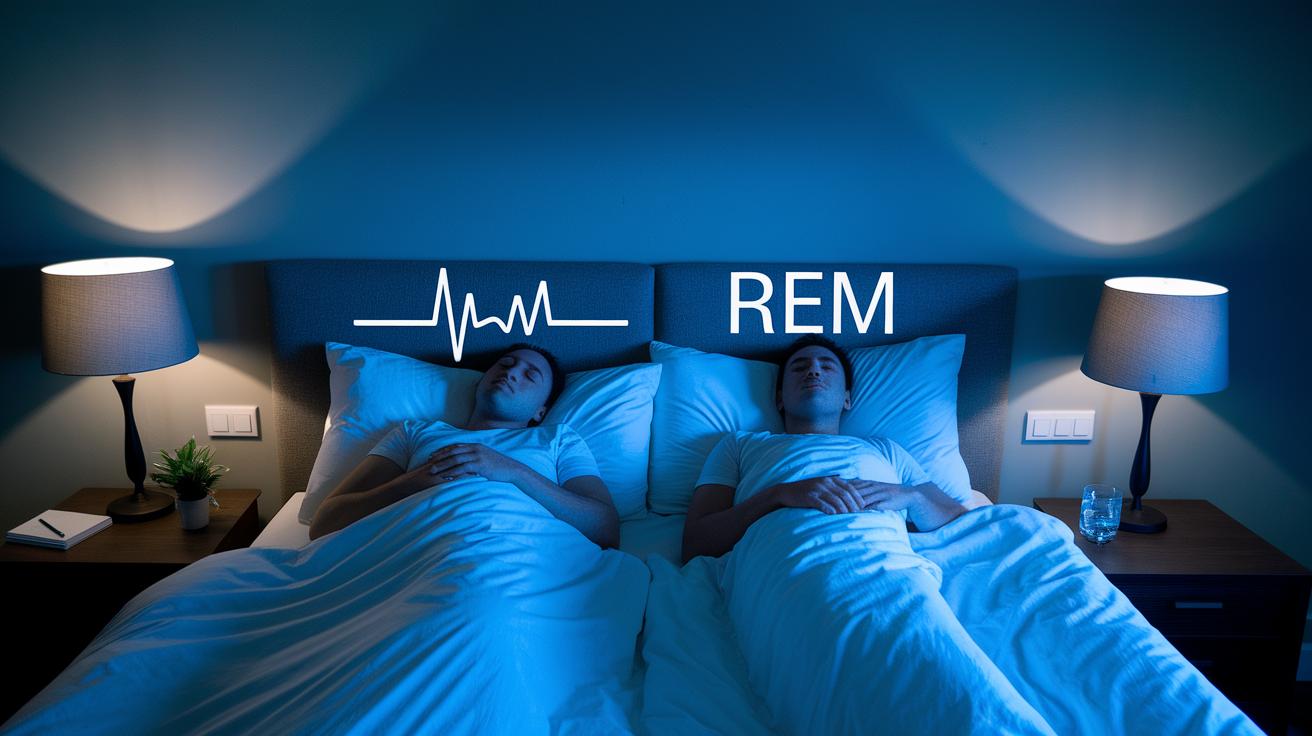
When you're in deep sleep, your brain makes strong delta waves that show your body is working hard to repair itself. Your heart slows down, blood pressure drops, and your body cools off, which helps you save energy. This is also when your body releases lots of growth hormone to fix tissues and build muscle. Think of deep sleep as your body’s repair time after a busy day, letting your system recover and boosting your immune strength.
REM Sleep Physiology
During REM sleep, your brain waves become quick and low in strength, much like when you're awake. Yet, your muscles relax almost completely. This stage is known for fast eye movements, uneven breathing, and quick shifts in your body's automatic functions. REM sleep is when you have vivid dreams and your brain sorts memories, learning, and feelings. In simple terms, while deep sleep fixes your body, REM sleep refreshes your mind for better mood and smarter thinking.
deep sleep vs rem sleep: Energize your night
Deep sleep acts like your body's nightly repair team. It fixes tissues, builds muscle, supports your immune system, keeps blood pressure steady, refuels your energy, and balances your metabolism. Picture a hardworking crew fixing everything up while you rest, just like feeling refreshed after a quick 10-minute walk.
REM sleep, on the other hand, hones your brain power. It helps lock in memories, boosts learning, and calms your mood. It also supports your brain’s ability to form new connections (neural plasticity), fires up creativity, and makes solving problems easier. Think of REM sleep as an artist turning everyday moments into lasting memories.
Sleep Cycle Distribution: When Deep Sleep and REM Sleep Occur
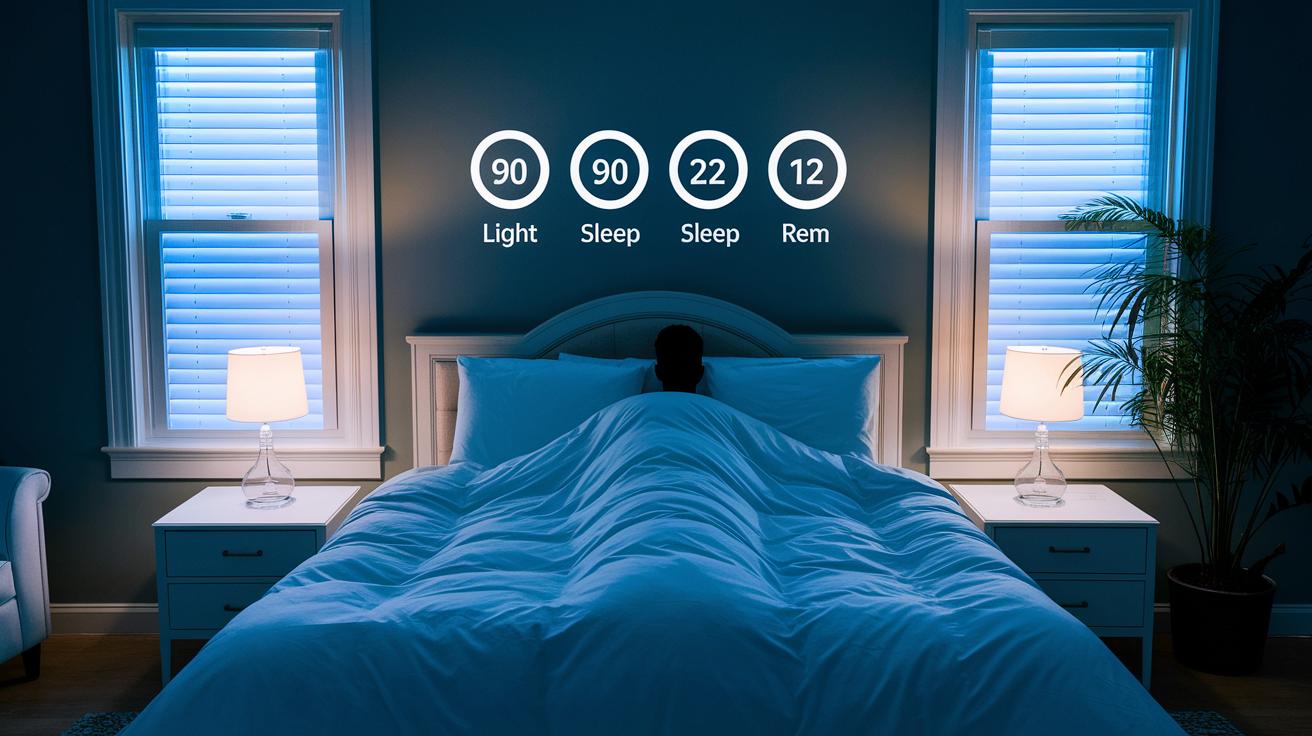
Your sleep is broken into cycles that last about 90 minutes each. Every cycle starts with a light sleep phase, moves into deep sleep, and then finishes with a REM phase. Think of it like a relay race, each stage hands the baton to the next, working together to refresh your body and mind.
In the first few cycles, deep sleep takes center stage. This is when your body repairs muscles, heals tissues, and supports your immune system. Later in the night, deep sleep shortens while REM sleep grows longer, helping you sort memories and stabilize your emotions.
When your sleep cycles are balanced, you get both the physical repair and mental refreshment you need. This makes waking up easier, leaving you feeling alert and ready to take on the day.
Consequences of Imbalances in Deep vs REM Sleep
When you don’t get enough deep sleep, your body struggles to repair itself. You might wake up feeling tired and achy. Without proper deep sleep, your muscles have a harder time healing, which can lead to more soreness and a slower recovery. Your immune system may not work as well either, leaving you more likely to get sick. Even everyday activities can feel tougher when your body isn’t fully recovered.
Missing out on REM sleep affects your brain more than your body. REM sleep helps you process emotions and memories. Without enough of it, you might have trouble remembering things and learning new skills. Your mood can also take a hit, making you feel more irritable or prone to mood swings. Over time, this can make it harder to handle stress and keep your emotions balanced.
How Aging and Life Stage Affect Deep Sleep vs REM Sleep

For children and teenagers, plenty of deep and REM sleep is essential for growth and a healthy brain. High levels of growth hormone (which helps build your body) and melatonin (that regulates sleep) work together to support fast physical growth and strong neural connections. Deep sleep helps repair tissues and boost the immune system, while REM sleep plays a key role in storing memories and balancing emotions. This mix of sleep is important for learning and overall development.
As we age, our sleep naturally shifts. Deep sleep tends to decline because our bodies produce less growth hormone and melatonin. At the same time, the balance of REM sleep may change, which can impact memory and mood. By paying attention to your sleep habits and creating a cozy sleep environment, you can help maintain steady, refreshing sleep at every stage of life.
deep sleep vs rem sleep: Energize your night
Creating a healthy sleep cycle doesn't have to be complicated. With a few simple changes, you can boost both deep sleep (the phase that helps repair your body) and REM sleep (the phase that supports your brain in processing memories and easing stress). These small shifts can have a big impact on how refreshed you feel in the morning.
- Set a consistent bedtime so your body gets used to winding down.
- Make your bedroom cool and dark to encourage better sleep.
- Skip caffeine and limit your screen time before bed to reduce disruptions.
- Decide on a time to put devices away so your mind can relax.
- Add some exercise during the day , a brisk 10-minute walk can help you feel naturally tired at night.
- Opt for a balanced diet and a comfy, supportive mattress to improve your sleep quality.
A reliable sleep routine helps your body cycle smoothly through the stages that repair your muscles and tissues while helping your brain manage stress and form memories. This balance not only aids physical recovery and boosts your immune system but also helps keep your emotions steady. By setting a clear routine and making a few bedtime tweaks, you create the perfect setting for restorative sleep that leaves you ready to take on the day.
Final Words
In the action, this guide detailed the differences between deep sleep vs rem sleep while showing how each stage benefits your body and mind. It explained sleep cycles, highlighted risks when stages go off balance, and offered simple tips you can apply tonight.
The piece breaks down scientific insights into everyday steps. Small changes in sleep habits can make a big difference in overall well-being. Keep moving forward, better rest is within reach.