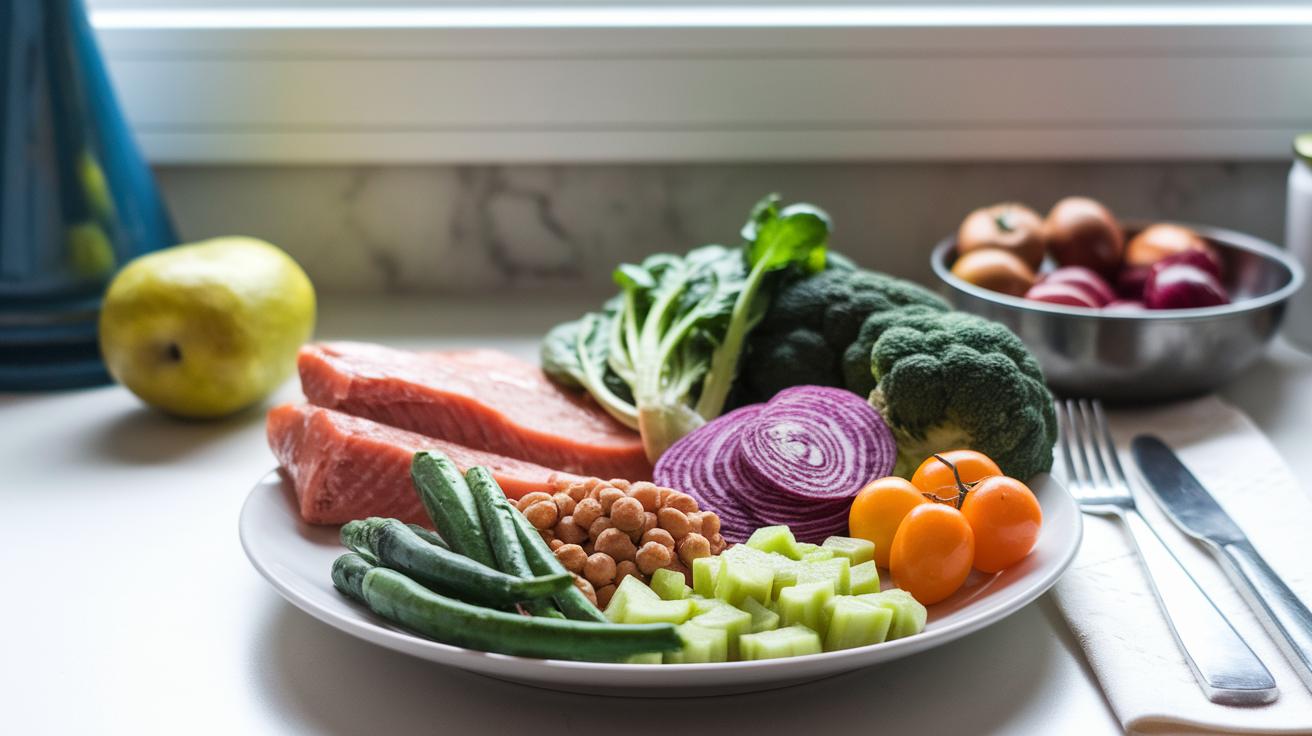
Have you ever wondered if healthy eating could make losing weight feel easier? Foods like fresh fruits, leafy greens, and nuts give you the nutrients you need without extra additives. Instead of tallying up calories from processed meals, try using simple, natural ingredients that keep you full and provide steady energy. In this guide, we explore a real-life meal plan built on whole foods that supports safe weight loss while making meal planning enjoyable. Keep reading to discover how small changes can turn into lasting habits.
Realistic Whole Foods Meal Approach for Weight Loss
Whole foods are items you can eat in their natural form or with very little processing. Think of fresh fruits, bagged spinach, or a handful of roasted nuts. They come without extra chemicals or additives that you might find in packaged meals.
Processed foods, like ready-made soups or mixed snacks, often hide their real nutritional benefits under a long list of ingredients. By choosing simple foods, such as plain bagged greens or single-ingredient nuts, you focus on what truly fuels your body.
Nutrient-rich whole foods help keep you full and can balance your blood sugar. Whole grains like steel-cut oats, quinoa, brown rice, bulgur, and farro add fiber and lasting energy to your meals. This means you can cut calories in a sustainable way while still feeling satisfied.
Aiming for safe weight loss means losing about 1–2 lbs per week. For example, a balanced breakfast might have around 285 to 324 calories. Tweak your plan based on your starting weight, age, activity, and overall diet quality. Stick with these small, realistic steps to enjoy weight loss through whole foods.
Whole Foods Pantry Staples and Nutrient-Rich Ingredients for Weight Loss
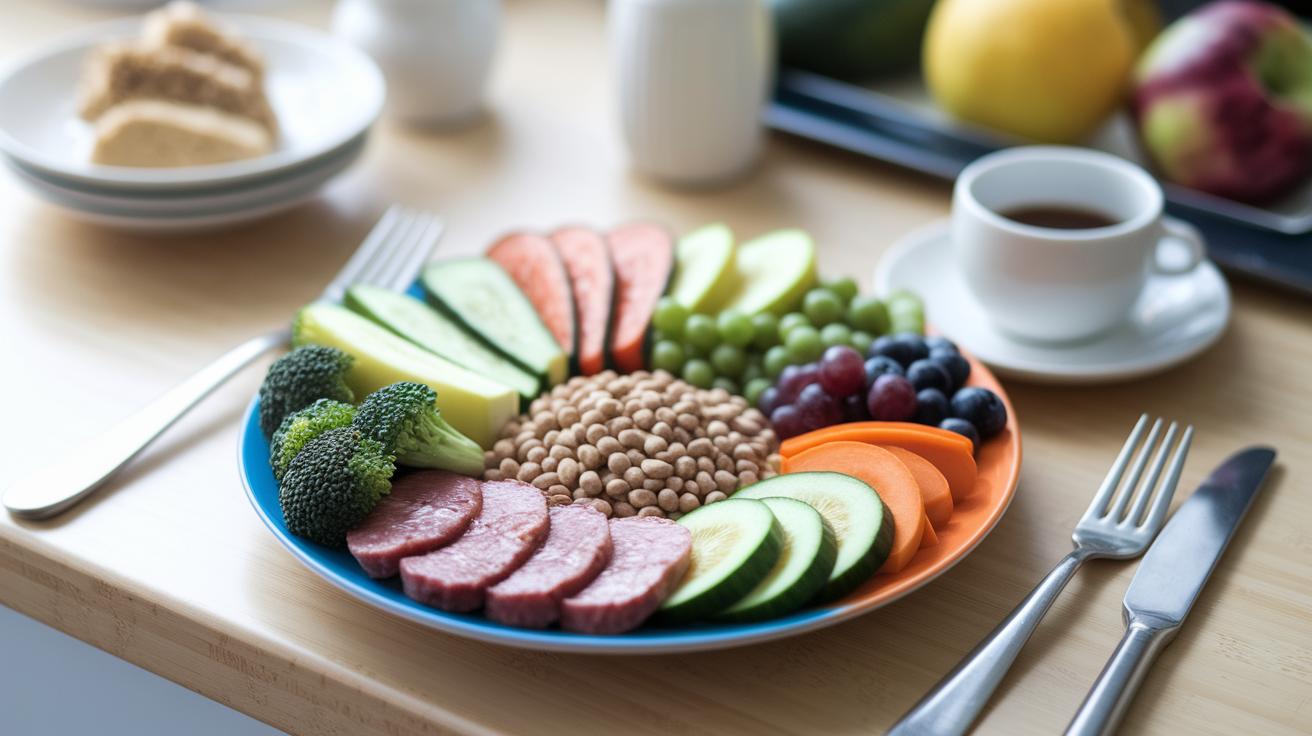
Eating whole foods can help you stay full and support a steady metabolism. Lean proteins like chicken, salmon, Greek yogurt, and tofu help repair your muscles and keep hunger away. Vegetables such as broccoli, spinach, and kale are full of fiber that slows digestion, so you feel satisfied longer. Whole grains like quinoa, oats, and brown rice give you a steady energy boost and help balance blood sugar. Healthy fats from avocado, nuts, and olive oil not only add great taste but also support healthy hormones. Low-calorie fruits like raspberries, peaches, and apples offer natural sweetness along with plenty of vitamins.
When you stock your pantry with clean, unprocessed foods, you make meal planning easier. Keep an eye out for items with simple ingredients, think bagged greens or plain nuts. Update your pantry regularly with these essentials to help you build balanced meals and work toward sustainable weight loss.
- Lean proteins: help repair muscles and keep hunger at bay.
- High-fiber vegetables: slow digestion and promote fullness.
- Whole grains: provide steady energy and balanced blood sugar.
- Healthy fats: add flavor and support hormone health.
- Low-calorie fruits: offer vitamins and natural sweetness without extra calories.
Realistic Meal Planning Strategies with Whole Foods
Set a smart goal of losing 1–2 lbs per week by matching your meal plan to your own needs. Think about your starting weight, age or changes in hormones, how active you are, and the quality of your usual diet. Whether you plan for 7 days or 30 days, having a routine gives you both structure and room to adjust.
Plan your meals around balanced, home-cooked dishes. Include lean proteins, whole grains, vegetables, healthy fats, and fruits to give your body the fuel it needs. Adjust your portions to match the energy you use and how you feel each day. For example, if you notice changes with your hormones, you might try tweaking your carbohydrate intake to help keep your energy and mood steady.
Smart grocery shopping can make meal prep easier and more affordable. Stick to the middle aisles to find grains, legumes, and oils, ingredients that are often less processed and fit well in simple recipes. You might even set aside a specific spot in your fridge for fresh, whole foods to help you use them up before they go to waste.
Keep your menu flexible by having a few set recipes that let you swap ingredients based on what’s in season or on sale. This way, you can enjoy nutritious, balanced meals that support your weight goals while still being open to change.
Sample Whole Foods Meal Ideas and Homemade Nutritious Recipes

Switching up your recipes keeps your meals fun and helps you get a mix of nutrients through the week. Trying out new breakfast, lunch, and dinner ideas can make healthy eating feel less like a chore. It’s a smart way to keep boredom at bay while fueling your busy day.
| Recipe Name | Calories |
|---|---|
| Spinach & Egg Scramble with Raspberries | 296 |
| Muesli with Raspberries | 287 |
| Muffin-Tin Omelets with Feta & Peppers & Peach | 285 |
| Greek Yogurt with Peach & Walnuts | 320 |
| Spinach Peanut Butter & Banana Smoothie | 324 |
| Cinnamon-Roll Overnight Oats with Greek Yogurt | 321 |
For lunch and dinner, aim for dishes that bring together lean proteins, whole grains, and lots of vegetables. Think about a plate of grilled salmon paired with quinoa (about 1 cup or 185 grams cooked) and steamed broccoli. This meal packs in omega-3s (healthy fats), fiber, and essential vitamins. You can also enjoy a chicken stir-fry loaded with vibrant veggies over brown rice, which fuels you steadily. Another tasty option is a hearty lentil and kale stew that offers plenty of fiber and plant-based protein to keep you satisfied longer.
Plan your week by creating a simple schedule for these recipes. This tactic helps you enjoy a variety of flavors and nutrients without falling into a food rut. Feel free to swap ingredients based on what’s in season or what you enjoy most to keep your meals fresh and satisfying.
Shopping and Prep Tips for Clean Eating Meal Blueprints
When you shop, head straight for the whole-food sections. Look for areas filled with fresh fruits, veggies, lean proteins, and simple grains. Skip packages loaded with long lists of artificial ingredients; this helps you eat well and save money.
Opt for seasonal produce to enjoy the best flavor and lower costs. If you can, buy local to get items at their peak freshness. This choice brings vibrant taste and extra nutrients to your meals.
Plan ahead by cooking proteins in batches and chopping veggies on your prep day. Freeze small portions of your cooked ingredients so you always have a healthy meal ready. And if you're short on time, try a meal-delivery service with dishes that stay fresh in the fridge for 5 to 6 days. This approach keeps clean eating simple and budget-friendly.
Lifestyle and Eating Habits to Maximize Whole Food Weight Loss

Getting enough sleep and managing stress can really help your body work better. When you sleep well, your hormones that control hunger (like ghrelin and leptin) stay in balance. Try a calming bedtime routine, maybe a few deep breaths or a quiet 10-minute walk after dinner, to help you wind down and recharge for the next day.
Drinking water throughout your day is another simple win. Staying hydrated helps keep your digestion on track and blood sugar levels stable. When you drink enough water, your body sends clear signals about hunger (so you're less likely to eat just because you're thirsty). This clarity supports your weight loss goals.
Mindful eating is also a powerful tool. When you eat slowly and pay attention to your fullness, you'll learn to recognize when you're satisfied, not overly stuffed. Plan regular meals and light snacks to help you keep your portions in check. These small changes can lead to steady, long-term progress in managing your weight.
Building Sustainable Whole Foods Habits for Long-Term Weight Management
Switch your fixed 7- or 30-day meal plans into flexible guidelines that let you adjust as your body changes day by day. Think of your plan as a friendly roadmap, not a rigid rulebook. This way, you can change portion sizes based on your progress and personal factors like your genetics or any ongoing health conditions. Plus, updating your meals with seasonal swaps keeps your eating routine fresh and free of pressure.
Start by jotting down simple notes or keeping a food journal to track how meals make you feel. Write down any tweaks you make and try new seasonal recipes to keep your menu exciting. These steps help you build long-lasting healthy habits and support a balanced approach to weight management.
Keep your relationship with food positive by celebrating small wins and enjoying a variety of whole foods. Try practices like mindful eating for weight loss to stay in tune with your hunger and fullness cues. This way, each bite feels satisfying and guilt-free.
Final Words
In the action of revamping your routine, you learned how whole foods set the stage for balanced nutrition. We covered choosing nutrient-rich staples, planning realistic weekly menus, and using simple shopping and prep tips. These steps help you eat clean, keep portions in check, and develop habits that support lasting well-being. Remember, if you want to lose weight with whole foods (realistic meal approach), small, steady changes can make a big difference. Keep moving forward with confidence and a plan that fits your lifestyle.
FAQ
Where can I find a free realistic whole foods meal plan PDF for weight loss?
The free PDF offers a complete realistic meal approach with whole foods designed to support steady weight loss through balanced portions and nutrient-dense ingredients.
What does whole food eating for beginners mean?
Whole food eating for beginners means choosing minimally processed items like fresh produce, whole grains, and lean proteins to boost nutrient intake and support gradual weight loss.
What is a whole foods diet for weight loss and can you lose weight by eating only whole foods?
A whole foods diet for weight loss focuses on fresh, nutrient-rich foods that help control hunger and stabilize blood sugar, and many people successfully lose weight by following this method.
How can I create a whole food meal plan on a budget?
A budget-friendly whole food meal plan uses seasonal produce, store-brand grains, and simple protein sources to keep costs low while promoting steady weight loss.
What is the 3 3 3 rule for weight loss?
The 3 3 3 rule for weight loss encourages three balanced meals, three healthy snacks, and making three mindful choices each day to support consistent energy levels and calorie control.
What is the 2 2 2 rule for weight loss?
The 2 2 2 rule for weight loss suggests including two servings of vegetables, two servings of lean protein, and two servings of whole grains at each meal to promote fullness and stable energy.
How long will it take to lose 30 pounds on a 1200 calorie diet?
With a safe weight-loss rate of 1–2 pounds per week, losing 30 pounds on a 1200 calorie diet is likely to take around 15–30 weeks, though individual results may vary.