
Ever notice how a tough deadline or constant background noise can make your heart race? It’s your body’s way of signaling that stress is building up.
When everyday challenges start piling up, these little cues are telling you it might be time to step back and take a break. Even a small disruption can knock you off balance.
By understanding these signals, you learn simple ways to regain your calm and feel more in control. This guide explains how stress triggers work and shares practical tips to recognize them early for a steadier, more relaxed life.
Defining Stress Trigger: Concepts and Underlying Mechanisms
Stress triggers are signals from your surroundings that set off both emotional and physical reactions. When you can't keep up with a challenge, these triggers remind you that help or a change might be needed. For instance, a sudden work deadline can make you feel tense, telling you it's time to reach out or adjust your plans.
Your reaction starts when your brain checks if you have enough resources to handle what's happening. If it sees a threat, it kicks off feelings and gets your body to release stress hormones like cortisol. These hormones help prepare you for quick action but can cause problems if they stay active too long.
Stress usually comes from real, immediate challenges that make you feel stretched too thin. On the other hand, anxiety is that inner worry about what might happen later. Knowing the difference helps you decide whether to take action on the situation or try calming exercises to ease your worries.
Stress Trigger: Identifying Signs for Calm Living

Knowing what sets off your stress can help you feel more balanced. The American Psychological Association breaks stress into three kinds: acute, episodic, and long-term. When you understand which type you're dealing with, you can better find a way to feel calm.
Acute Stress Triggers
Acute stress hits fast, like when a deadline surprises you or a small accident shocks you into action. In these moments, your body releases stress hormones like cortisol, giving you a quick burst of focus before things settle back to normal.
Episodic Stress Triggers
Episodic stress shows up when pressures repeat over time. Think of ongoing work issues or constant background noise that pulls your peace away. These stressors build up slowly over days or weeks, leaving you feeling tied up and unable to relax.
Long-Term Stress Triggers
Long-term stress comes from challenges that last, such as a chronic illness or ongoing money troubles. When these issues persist, your body keeps pumping out stress hormones, which can take a toll on both your body and your emotions.
| Stress Type | Duration | Common Examples |
|---|---|---|
| Acute | Short-term | Deadlines, minor accidents |
| Episodic | Recurring | Work conflicts, constant noise |
| Long-Term | Persistent | Chronic illness, financial strain |
Common Stress Triggers in Daily Life and Their Impact
Everyday events can quickly raise your stress levels and shake your calm. Knowing what triggers your stress can help you see how daily habits affect both your mood and body.
-
Workplace stress
When work piles on, you might feel overwhelmed and exhausted. Long hours, tight deadlines, and large workloads can leave you feeling drained and under constant pressure. -
Social media and news overload
Spending too much time scrolling online or reading dramatic news can stir up worry. This constant online buzz may lead to mood shifts and even make you feel more alone as real-life connections fade. -
Lack of sleep
Not getting enough rest disrupts your body’s natural balance. Sleep loss makes it hard to focus, ups your irritability, and ramps up stress, making day-to-day tasks tougher to handle. -
Unhealthy diet
A diet filled with processed foods might leave you feeling low and uneasy. Poor nutrition can boost anxiety and lead to noticeable changes in your appetite.
These stress triggers often feed off one another, making you feel more drained overall by impacting both your mood and physical health at the same time.
Recognizing Your Stress Triggers and Their Symptoms
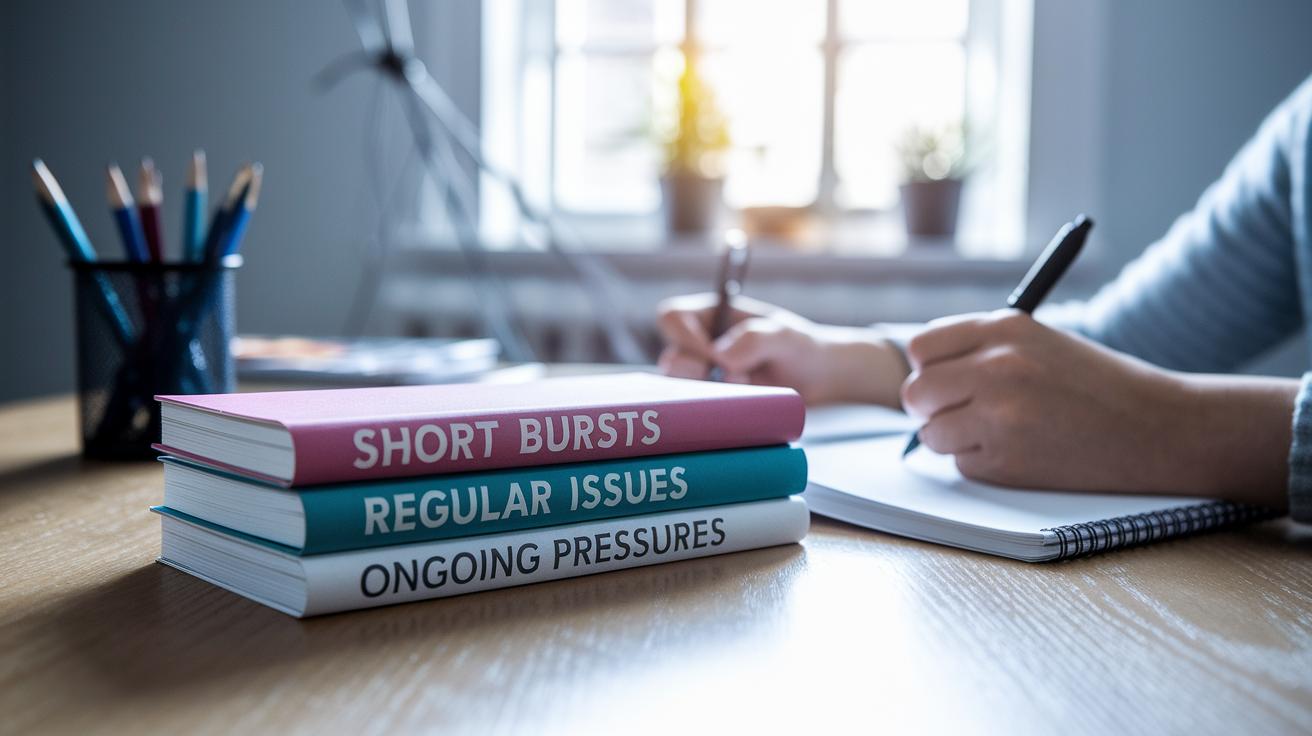
Give this a try: write down 10 things that stress you out today and sort them into three groups, short bursts, regular issues, or ongoing pressures. Then, for one stressor in each group, note how your body and emotions react. For example, if an unexpected work task makes your hands tremble and your heart race, jot that down as a short burst of stress along with the racing heartbeat and mixed feelings.
Keep a daily log of your mood, thoughts, and physical signs. Write a few lines about any changes in your focus or when simple tasks feel tougher because of stress. Watch for signs like a wandering mind during important work. Recording these details can help you see which stressors often mess with your concentration and mood.
Over time, review your notes to spot any patterns. If you notice that certain events always lead to feeling overwhelmed or distracted, it might be a sign to try new ways of handling them sooner rather than later. This habit not only helps you notice your personal triggers early but also gives you clues on how to manage them better each day.
Physiological Consequences of Chronic Stress Triggers
When you face stress day after day, it can make your heart and blood vessels work overtime. Your blood vessels might tighten, so your heart has to pump harder. This extra effort can cause your blood pressure to rise quickly after a stressful moment. Stress can also speed up your heartbeat, adding more strain on your body. Over time, these changes may lead to heart problems if you don't find ways to relax.
Chronic stress doesn't only affect your heart, it can also weaken your immune system. When you're stressed for long stretches, the cells that defend your body (white blood cells) don't work as well, making it easier for you to catch bugs. Stress can also kick off bursts of inflammation, which may slow down recovery from illnesses.
On top of that, chronic stress can upset your energy balance and how your body uses nutrients. This constant strain may even speed up how quickly your cells age, leaving you feeling worn out. Paying attention to these signs can help you take small steps to manage stress and boost your overall well-being.
Stress Trigger Management Strategies: Practical Coping Methods

When stress starts to build, try simple daily actions that ease the pressure. A mix of gentle exercise, steady sleep habits, and balanced meals teamed up with mindful moments and slow, deep breathing can lower stress right away and help you feel better over time.
Lifestyle Adjustments
Take a brisk 10-minute walk or enjoy a relaxing bike ride to lift your mood and reduce tension. Keeping a consistent sleep schedule and choosing a variety of whole foods helps your body recover and stay energized all day.
Mind-Body Techniques
Spend a few minutes each day practicing mindful meditation or deep breathing. Just sitting quietly and focusing on your breath can slow down your heartbeat and ease stress, helping you feel more centered.
Professional Support
Sometimes it helps to work with a mental health professional for extra guidance. Therapies like Cognitive Behavioral Therapy (CBT) or even online sessions offer tailored tools to cope with stress. These options can be a practical way to learn stress management techniques when you need a little extra help.
Keep these practices as part of your routine. Small lifestyle changes, regular mindful breaks, and occasional professional advice can build a strong foundation for managing stress each day.
Final Words
In the action, we broke down how stress triggers work, from understanding their concepts to pinpointing everyday sources like hectic work and late-night scrolling. We outlined the different types, mapped out how they affect body and mind, and introduced practical exercises like journaling to recognize symptoms.
Small, consistent steps, mindfulness practices, better sleep routines, and healthy eating, can turn stress triggers into signals for positive change. Keep experimenting with these strategies as you build a healthier, calmer routine.
FAQ
What is stress?
Stress is your body’s natural reaction to challenges and demands. It arises when you feel low on resources needed to handle everyday pressures, creating both physical and emotional responses.
What are the main causes of stress?
The main causes of stress include work pressure, financial challenges, family responsibilities, and major life changes. These factors can overwhelm your ability to cope, triggering a physical and emotional stress response.
What are stress triggers and what are some examples?
Stress triggers are events or situations that set off your stress response. Examples include tight deadlines, relationship conflicts, sudden changes in routine, and unexpected challenges that signal your body to react.
What are the physical symptoms and warning signs of stress?
Physical symptoms of stress include headaches, fatigue, muscle tension, and upset stomach. Women may experience additional signs like mood shifts and menstrual changes, while warning signs often involve anxiety, irritability, and difficulty concentrating.
How do I reset my stress response?
Resetting your stress response means calming your body and mind. Try deep breathing, mindful relaxation, or a brisk walk to help lower stress levels and restore balance in your day.