
Ever wonder if weak wrists are holding you back? Strengthening your wrists can make tough moves like push-ups feel easier and help with daily tasks such as typing and lifting. This guide offers simple exercises to boost your wrist muscles and ease fatigue and pain. With stronger wrists, you'll perform better overall and reduce your risk of injury. Let's dive into practical steps to turn your wrists into a strong, reliable tool for both exercise and everyday life.
How to Build Wrist Strength for Powerful Performance
Good, flexible wrists not only help you type or lift items around the house but also boost your workout routine. Strong wrists make push-ups feel smoother and lower the risk of pain or tiredness during exercise. Keeping your wrists healthy also eases everyday movements and can help prevent injuries like carpal tunnel syndrome.
Here are five simple moves to build wrist strength:
- Composite Fist: Start with your hand open and fingers spread. Then squeeze your hand into a fist and slowly release. This move wakes up the muscles needed for finger movement.
- Digit Abduction/Adduction: Place your hand flat on a table. Spread your fingers apart and then bring them back together. This helps improve finger coordination and strength.
- Opposition: Keep your hand open and gently touch your thumb to each finger one at a time. This builds hand dexterity and helps your joints move smoothly.
- Wrist Flexion: Hold your arm straight out with your palm facing down. Slowly bend your wrist forward. This targets the muscles in the front of your forearm.
- Wrist Extension: With your arm still out and your palm facing up, gently bend your wrist backward. This move works the muscles along the back of your forearm.
Aim to do these exercises 2 to 4 times a week. Each session, include 2 to 3 strength moves plus 1 to 2 gentle stretches to boost flexibility. Start with a warm-up like the Composite Fist to get your joints ready. As you grow more comfortable, focus on good form over speed or heavy load. This steady, mindful approach will help your wrists become stronger and more resilient over time.
Progressive Loading: Equipment-Based Wrist and Forearm Strength Routines

Using gym gear can add a safe and steady challenge to your wrist and forearm exercises. Using items like dumbbells, barbells, cable machines, adjustable bands, and wrist rollers helps you gradually add weight. Begin light, try 1–2 lb on dumbbell wrist curls, and slowly increase the weight so you can move smoothly and safely. This gradual build-up strengthens your wrists and forearms, making everyday tasks and other workouts easier. For example, starting barbell wrist curls with around 5 lb gives you a clear way to boost your grip and forearm endurance.
| Exercise | Equipment | Sets × Reps |
|---|---|---|
| Dumbbell Wrist Curls | Dumbbells (1–2 lb) | 3 × 15–20 |
| Reverse Curls | Cable Machine | 3 × 12–15 |
| Barbell Wrist Curls | Barbell | 3 × 15–20 |
| Cable-based Wrist Grip Curls | Cable Machine | 3 × 12–15 |
| Wrist Roller | Wrist Roller | 3 rounds per side |
Always move slowly and with control. Keep your wrists moving through their full range and avoid swinging, which could lead to injury. Focus on correct form and add weight gradually as your strength improves. Step by step, you'll build stronger forearms and more stable wrists while keeping injury risks low.
At-Home and Bodyweight Wrist Strength Training Protocols
Begin with simple, no-equipment moves to warm up your wrists. Do a few rounds of Composite Fist and wrist flick exercises to get your joints moving and muscles awake. Next, try knuckle push-ups which mimic a punching motion and help straighten your wrist alignment. Follow these with fingertip push-ups for a bit more resistance. These exercises are easy to fit into a break at home or even at the office.
Now, add exercises that challenge your wrists with a bit more load. Chin-ups work your grip and wrist muscles while handstand prep drills build the balance you need for supporting your body weight. These moves improve strength and overall coordination. If you're ready for more, explore extra challenges in bodyweight exercises to build muscle through the link provided.
Aim to practice this routine two to three times a week. Give your muscles a day to recover after each session and gradually increase your repetitions or try advanced variations. Stay mindful of your movement to keep your wrists safe and steadily build resilience.
Supporting Forearm and Wrist Endurance Conditioning Workouts
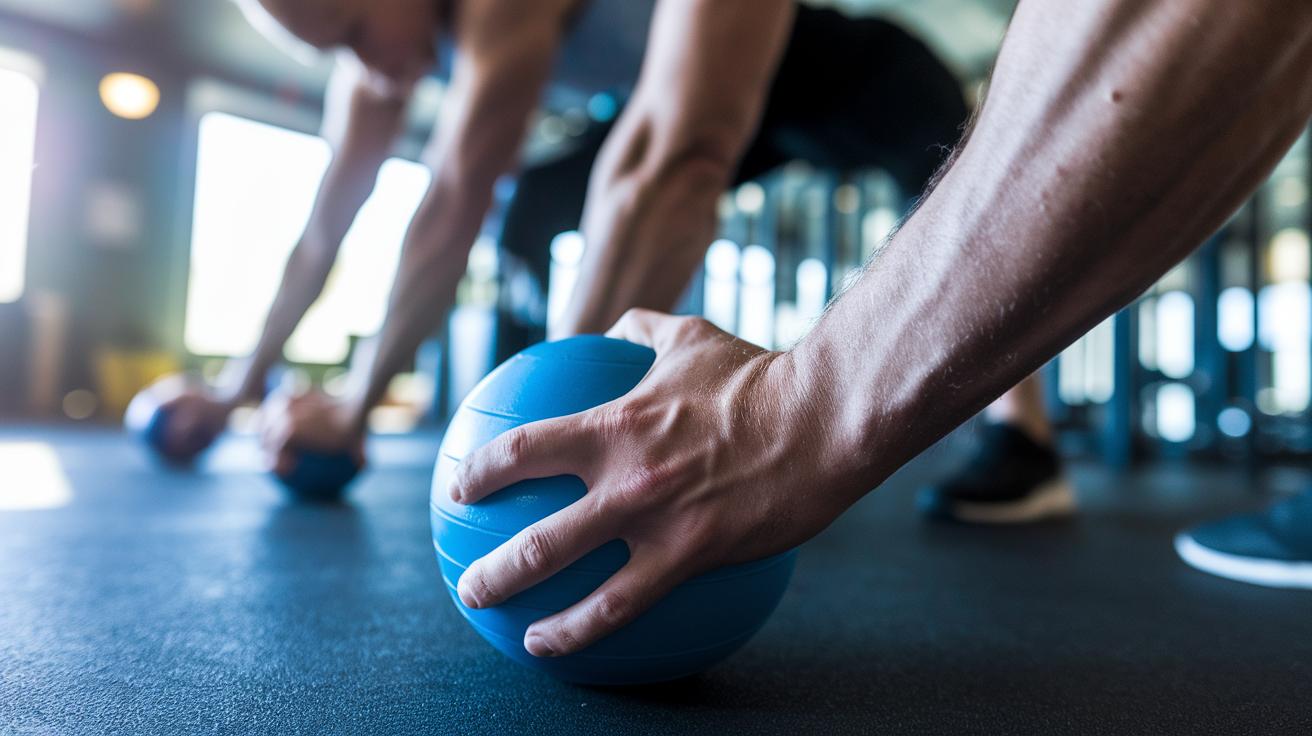
Begin with a few dynamic warm-up moves that get your forearm and wrist muscles working. Try simple wrist flicks to quickly wake up the finger muscles (both the ones that bend and those that extend). Think of it like revving up your car before a drive, this light movement helps prepare your joints for tougher exercises.
Next, add in grip trainers or stress balls to strengthen your hand squeeze and boost wrist stability. Squeezing these tools not only builds your grip power but also supports the muscles that control fine movements. For example, squeeze a stress ball for 30 seconds on each hand a few times during your workout.
Finally, improve your endurance by combining wrist extensor holds with forearm curls in a superset style. Do 2 to 4 sets, holding each move for 15 to 30 seconds before switching. This routine challenges your muscles to hold tension longer and helps build a strong, lasting grip.
Dynamic Mobility and Flexibility Routines for Balanced Wrist Development
Start by warming up your wrists with gentle joint rotations. Move them in small circles and swing your hands from the thumb side to the pinky side (this helps your wrist adjust smoothly). Think of it like slowly stirring a warm drink, it wakes up every muscle fiber.
Next, ease any tension with simple static stretches. Try the reverse prayer pose by pressing your palms together behind your back or lean against a wall for flexor and extensor stretches. Hold the wall stretch for about 20 seconds to give your muscles a chance to relax. These moves help lengthen the muscles around your wrists and ease stiffness.
Finish with a yoga move like the downward dog wrist opener to build both strength and flexibility. Add this routine before or after your workout for 5 to 10 minutes. This practice boosts wrist stability and helps keep you comfortable during everyday tasks and exercise.
Injury Prevention, Rehabilitation, and Safe Progressions for Wrist Strength
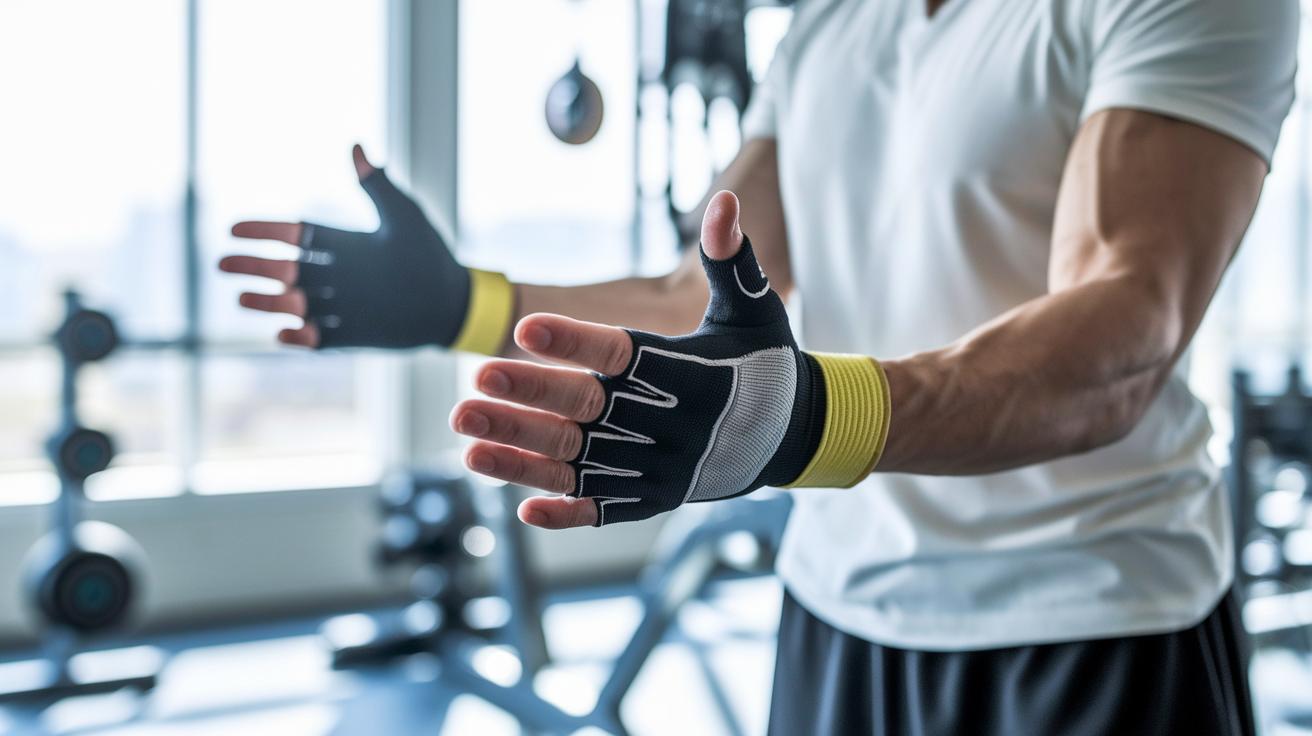
When you work on strengthening your wrists, begin by focusing on proper form and using the right protective gear. Keep your wrist straight and neutral to avoid strains, and consider using supportive gloves during heavier exercises. This simple step not only helps prevent sprains but also teaches you to move with more control, for example, try to keep your wrist straight during curls instead of letting it bend.
In the early stages of rehabilitation, stick to gentle activities like light isometric holds (holding your muscles without moving), small rotations, and elastic-band exercises for about 6 to 8 weeks. These low-impact movements can ease tendon pain and help your wrist heal while keeping the joint mobile. If you feel any sharp pain, slow down or stop the exercise. It might also be a good idea to follow a physiotherapist-led routine to ensure every motion truly supports your recovery.
As your wrist gets stronger, gradually increase the weight and intensity of your exercises. Start with simple moves and slowly add more challenging ones over time. This careful, step-by-step progression helps your wrist adjust safely from light exercises to full loading, lowering the risk of re-injury and supporting lasting strength gains.
Final Words
In the action, this post broke down key steps from basic wrist exercises to equipment work and bodyweight drills. We covered moves that boost wrist strength, laid out a weekly plan, and offered clear cues to avoid injury. You learned practical routines for endurance, mobility, and gradual progress. These simple steps can help how to build wrist strength safely and effectively. Keep moving forward with steady progress and trust that small, focused efforts make a lasting difference.
FAQ
How to build wrist strength reddit?
The inquiry about building wrist strength on Reddit shows community members share practical tips and exercise routines that combine bodyweight moves with simple weights to improve wrist stability and mobility.
How to build wrist strength at home and with exercises?
Asking how to build wrist strength at home means you can use bodyweight exercises like composite fist moves, fingertip push-ups, and static holds combined with light resistance to gradually enhance wrist power.
How to build wrist strength for calisthenics and push-ups?
The question on wrist strength for calisthenics and push-ups highlights the need for targeted moves—like knuckle push-ups and wrist flicks—that support proper joint alignment during dynamic bodyweight exercises.
What wrist strengthening equipment can be used?
Asking about wrist strengthening equipment brings up simple items such as dumbbells, wrist rollers, resistance bands, and grip trainers, which help focus on controlled wrist and forearm motions during workouts.
What wrist exercises are suggested for the gym?
The query on wrist exercises in the gym indicates routines like dumbbell wrist curls, reverse curls, and cable grip exercises, all performed with slow tempos to maximize wrist and forearm strength safely.
How to build wrist strength for boxing?
The question regarding wrist strength for boxing suggests incorporating wrist stabilization drills and resistance work to absorb punching impacts and safeguard joints, ultimately improving punching power and reducing injury risk.
Why are my wrist muscles weak?
The inquiry on weak wrist muscles implies that a lack of targeted exercises, repetitive strain, or insufficient range-of-motion drills over time can lead to reduced wrist strength, making it worthwhile to integrate dedicated workouts.
How do wrists get thicker?
The question about thicker wrists refers to building muscle and connective tissue through gradual, resistance-based exercises that stimulate growth in the forearm and wrist areas, contributing to a more robust appearance.
How do you build bone density in wrists?
The query on building bone density in wrists means that safe, weight-bearing exercises, controlled loading, and proper nutrition support bone strength, helping maintain joint integrity and reduce injury risks.
Which exercise is best to strengthen the wrist?
When asking which exercise best strengthens the wrist, many point to wrist curls—performed with light weights—to target both flexor and extensor muscles, resulting in improved stability and function.