
Ever wonder if washing your hands could save a life? Germs can hide on everyday surfaces and spread infections quickly, whether at home or in healthcare. Here are a few simple steps to help keep you and others safe:
- Wash your hands thoroughly with soap and water.
- Clean surfaces you touch often.
- Use protective gear correctly when needed.
Using strong disinfectants and following a regular cleaning routine can make a big difference. Each small step adds up to create a safer space for everyone. Let's start protecting our health, one simple move at a time.
Core infection risk reduction techniques for personal and healthcare settings
Start by using risk reduction strategies that help keep both personal and healthcare settings safe. The CDC tells us that washing your hands well is the best step you can take. Follow the "clean in, clean out" method by washing your hands and forearms before and after any contact with patients. This simple step cuts down the spread of harmful germs.
For daily care, clean high-touch surfaces with medical-grade disinfectants. Germs like COVID-19 can live on surfaces for days to months. Keep clean items separate from used ones by removing dressings right away. Always wear gloves and masks during wound care and other close interactions. Change your gloves between patients and toss any damp masks to keep germs at bay.
A program like Comprehensive Unit-based Safety Programs (CUSP) helps teams work together to prevent infections. With CUSP, every team member shares performance info and follows set cleaning rules. This teamwork makes sure everyone uses hand hygiene correctly, wears personal protective equipment properly, and cleans the environment well.
Using these clear, step-by-step methods, from proper antiseptic use and careful use of PPE to promptly discarding contaminated items, creates a safer space for both patients and healthcare workers. Stick to these strategies every day, and you'll keep infection risks as low as possible.
Hand hygiene protocols in infection risk reduction techniques
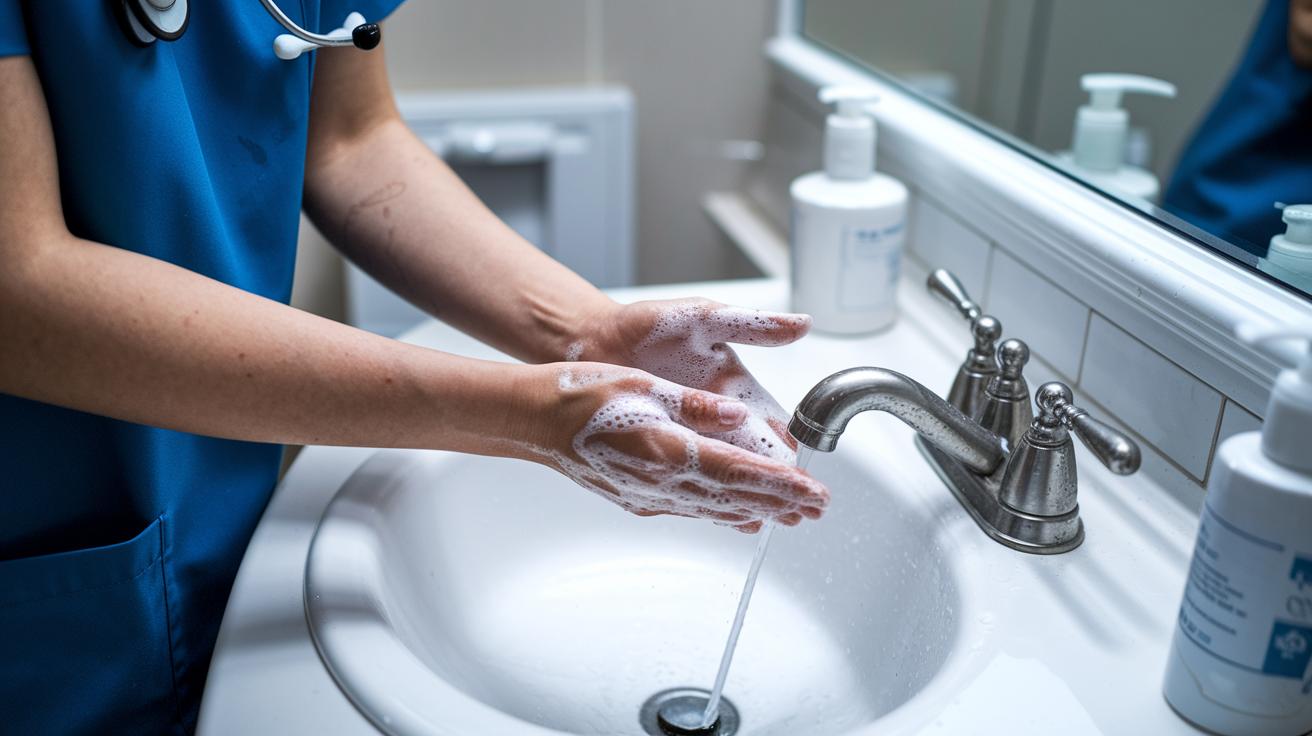
Washing your hands and forearms before any procedure helps keep wound infections at bay. Follow CDC advice: clean your hands and equipment when you enter and exit a patient’s room. If you can’t find soap and water, reach for an alcohol-based sanitizer with at least 60% ethanol to quickly kill germs.
Start by wetting your hands with clean water. Use soap and scrub all parts of your hands, palms, back of the hands, spaces between your fingers, and even under your nails, for at least 20 seconds. Rinse thoroughly and dry with a disposable towel. For example, research shows that a 20-second scrub can remove up to 99% of common germs.
When using a sanitizer, cover every surface of your hands until they feel completely dry.
Gloves also play a big role in preventing infections. Always put on a fresh pair before any contact. Make sure the gloves fully cover your hands, and when you remove them, peel them off from the wrist, turning them inside out to avoid touching the outside surface.
By following these straightforward steps, you help create a safer environment for both patients and healthcare workers.
Environmental cleaning practices and disinfection methodologies in infection risk reduction techniques
Germs can stick around on surfaces you touch every day for days, so keeping things clean is key. Start by wiping down surfaces with a soapy solution to get rid of visible dirt and grime. This simple step lets your disinfectant work its magic better. Then, spray or wipe the surface with a disinfectant like Parker Protex, which is made to kill germs and help stop them from spreading.
Follow these steps for a proper clean:
- Wipe the area first with a soapy detergent to scrub away dirt.
- Evenly apply your disinfectant over the entire surface.
- Let the disinfectant sit for the full time needed, if you're using a 1:10 bleach solution, wait 5 minutes; quaternary ammonium compounds need about 10 minutes.
- Rinse the area if the product’s instructions say to do so.
Don't forget about equipment and tools you use repeatedly. These items should be cleaned following clinical guidelines. Make sure each piece is disinfected properly and dried completely before the next use. Keep clean items separate from those that still need cleaning to avoid spreading germs.
Think of it like preparing a meal. Just as you rinse your vegetables before cutting them, every tool and surface in a care setting needs to be cleaned well. Sticking to a strict cleaning routine can really lower the risk of infections, whether at home or in a medical setting, and it helps protect everyone who relies on these safe practices.
Personal protective equipment usage and barrier precautions in infection risk reduction techniques

Choosing the right protective gear is key to keeping your space safe. For air droplets, a surgical mask works well, but if you're around tiny airborne particles (aerosols), switch to an N95 respirator. Don a gown and eye protection to shield yourself from splashes and close contact with bodily fluids.
Always use disposable gloves and swap them out between patients to keep germs at bay. If your mask gets wet or you've worn it for more than 8 hours, throw it away immediately.
Follow the CDC’s step-by-step process for putting on and taking off your PPE. Start with clean hands, then carefully put on your mask, gloves, gown, and eye protection. When it's time to remove your gear, peel off your gloves without touching the outer surfaces and dispose of them in the biohazard container. Don’t forget to wash your hands both before and after using PPE.
Using contact, droplet, and airborne precautions together creates a solid barrier against infection. Every piece of your PPE, from gloves to masks, serves as a barrier between you and germs. Think of your protective equipment as disposable tools that help keep everyone safe. Replace any damaged or soiled items right away to maintain a safe, reliable system.
Quarantine protocols and containment methods for infection risk reduction techniques
Quick take: Use simple, clear steps to spot, isolate, and control infections so they don’t spread.
-
Start with a screening before admission to catch anyone who might be sick. If someone is suspected or confirmed to have an infection, place them in a separate quarantine area.
-
Group together patients with the same infection. This helps cut down on sharing of germs between patients, staff, and equipment.
-
Make sure everyone washes their hands well and uses proper protective gear (like gloves, masks, or gowns). This basic step is key.
-
For germs that float in the air, use negative-pressure rooms. These rooms help keep contaminated air from moving into other areas.
-
Ensure all staff follow proper steps when putting on and taking off their protective equipment. This small habit protects both patients and the team.
-
Support quarantine at home with daily telehealth check-ins. This keeps healthcare workers informed and helps manage patient care remotely. For more ideas, check out the Community risk reduction page.
Following these steps, screening, isolating, proper grouping, and strict hygiene, creates a strong defense against infection spread.
Vaccination and antibiotic stewardship in infection risk reduction techniques
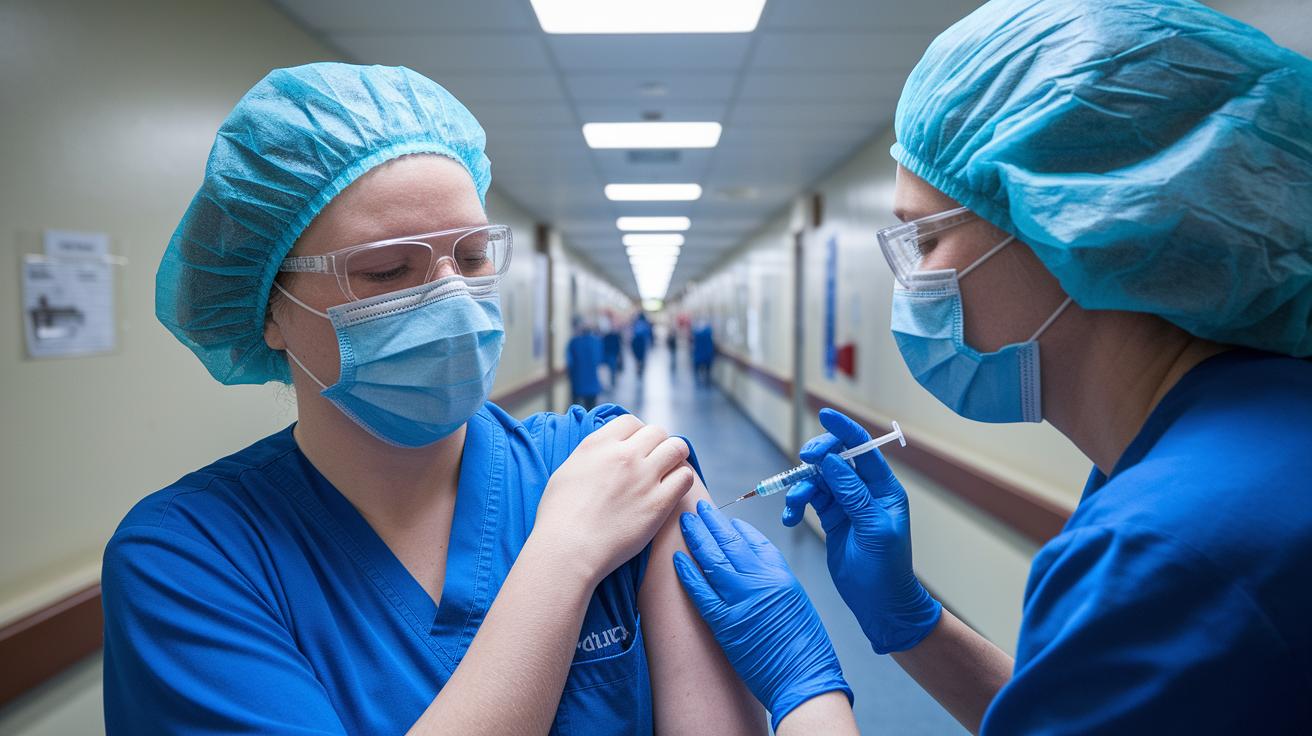
Getting vaccinated is a simple but powerful step in cutting down the spread of flu and COVID-19 among healthcare workers and patients. Regular shots help protect the care team and those in treatment. Checking vaccination status during admissions and routine staff reviews ensures everyone is up to date, which lowers the risk of viruses spreading.
Antibiotic stewardship programs focus on finding the right medicine at the right dose to fight infections like C. difficile. Clear guidelines help clinicians pick the best drug, avoid unnecessary prescriptions, and adjust treatment when needed. This approach not only helps patients get better but also keeps drug-resistant bacteria at bay.
When these methods work together, they form a strong plan for stopping infections. Organized vaccine campaigns and focused antibiotic practices, along with regular hygiene checks and proper use of protective gear, create safer care environments.
By combining vaccinations with smart antibiotic use, healthcare settings get a double layer of protection. This integrated method helps slow down virus transmission and builds a system that can manage infections quickly and effectively.
Surveillance systems and audit frameworks for infection risk reduction techniques
A strong monitoring system keeps everyone safe by tracking infection numbers and checking that procedures are followed every day. Set up a program to log infections that occur in healthcare settings (HAIs) and those linked to medical devices. Share this info with your team so it’s easy to spot when hand washing or the use of personal protective gear slips.
Regular audits are another key step. Use these checks to see if everyone is washing their hands and wearing proper protective gear, and to find chances for extra training. Programs like the Comprehensive Unit-based Safety Program (CUSP) create a supportive structure where team members share feedback and suggest improvements. This way, each member learns where routine cleaning or isolation could use a little extra care.
Finally, keep an eye on how well cleaning and patient isolation work over time. These periodic evaluations can catch small gaps that might let infections slip through. By mixing smart monitoring with clear audits, the whole team can quickly fix issues and stick to safe practices. This regular review helps cut down infection risks and keeps everyone focused on preventing cross-contamination.
Final Words
In the action, we covered hand hygiene protocols, environmental cleaning practices, PPE usage, quarantine procedures, vaccination, and surveillance systems, all parts of a layered approach to reduce infections.
By putting each step into practice, you can keep environments safe and lower the chance of spreading germs.
These infection risk reduction techniques offer clear, science-based guidance to protect you and those around you. Keep applying these strategies daily and celebrate every step toward a healthier space.
FAQ
What are the 10 principles of infection control?
The 10 principles of infection control include hand hygiene, proper use of personal protective equipment (PPE), safe waste disposal, environmental cleaning, patient isolation, surveillance of infections, staff education, sterilization, safe injection practices, and antimicrobial resistance management.
What does an Infection Prevention and Control PDF typically provide?
An Infection Prevention and Control PDF typically provides detailed guidelines and visual aids on hand hygiene, PPE use, cleaning protocols, decontamination methods, and isolation practices to reduce infection risks.
What are the 3 methods of infection control?
The 3 methods of infection control include standard precautions, transmission-based precautions (contact, droplet, airborne), and environmental cleaning practices, all of which work together to reduce pathogen spread.
What does an Infection Control in Hospital PDF cover?
An Infection Control in Hospital PDF usually covers hospital-specific protocols such as hand hygiene, proper PPE use, cleaning guidelines, isolation practices, and surveillance systems to prevent healthcare-associated infections.
What are 10 important aspects of infection prevention and control?
The 10 important aspects include reducing infection rates, protecting patients and healthcare workers, proper use of PPE, hand hygiene, thorough cleaning, waste management, staff training, surveillance, patient isolation, and antibiotic stewardship.
What do CDC Infection Control Guidelines include?
CDC Infection Control Guidelines include recommendations for hand hygiene, proper PPE use, patient isolation techniques, environmental cleaning, and structured surveillance to lower infection risks in various settings.
What are the types of infection control?
The types of infection control include standard precautions, transmission-based precautions (covering contact, droplet, and airborne methods), along with rigorous environmental cleaning practices.
What do infection prevention and control guidelines offer?
Infection prevention and control guidelines offer clear, step-by-step protocols for hand hygiene, PPE use, cleaning and disinfection processes, and isolation practices to effectively lower infection risks.
What are 5 ways to control infectious risk?
The 5 ways to control infectious risk are thorough hand hygiene, use of proper PPE, regular cleaning of high-touch surfaces, patient isolation, and routine surveillance with staff audits to identify gaps.
What are the 5 F’s of infection control?
The 5 F’s of infection control refer to key transmission pathways like fields, fingers, fluids, fomites, and forces, each highlighting areas for targeted preventive measures.
What are the 4 control measures of infection prevention strategies?
The 4 control measures include administrative controls, engineering controls, diligent use of personal protective equipment (PPE), and systematic cleaning with proper disinfectant protocols.
What are the 5 basic principles for infection control?
The 5 basic principles for infection control are hand hygiene, proper PPE use, safe injection and waste practices, environmental cleaning, and effective patient isolation or cohorting.